



The Link Between Bedding Choices, Sleeping Posture, and Back Pain: Insights from a Recent Survey
The Connection Between Bedding Choices, Sleeping Posture, and Back Pain
Back pain is a common issue that affects a significant portion of the population, especially as they age. Recent research, conducted by the Nonaka Back Pain Clinic, has shed light on the relationship between bedding, sleeping posture, and chronic discomfort. Based on a study involving 1,001 men and women aged between 20 and 60 who suffer from lower back pain, the findings suggest that most individuals are not only aware of their bedding's influence on their pain but are also actively engaged in seeking solutions.
Survey Results Overview
The survey, which took place from July 3 to July 4, 2025, aimed to explore how various sleeping arrangements and bedding materials impact back pain. When participants were asked about their experiences upon waking, a staggering 90% indicated that they often felt discomfort or pain in their lower back. This statistic highlights an alarming trend that as many people grapple with back pain, the causes may extend beyond daily activities and physical strain. Many participants recognized their sleep environment as a potential contributor.
Key Findings on Pain Frequency
Among the respondents:
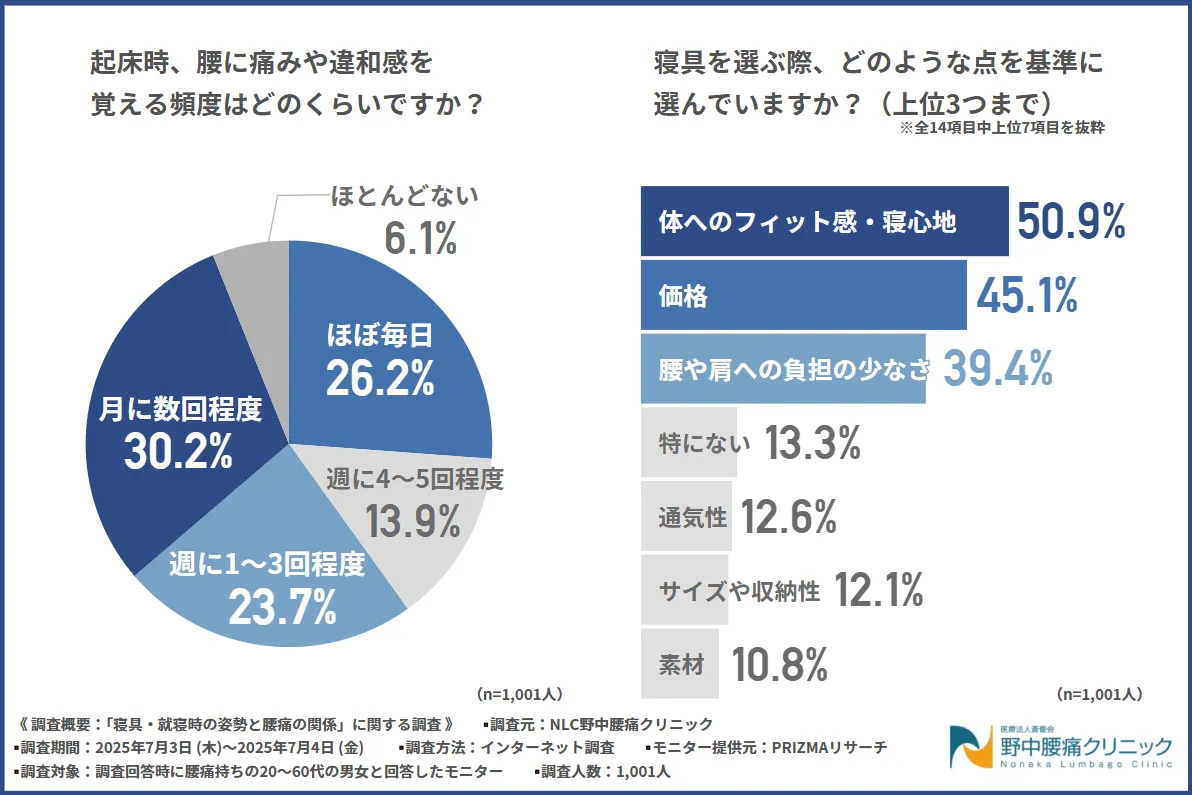
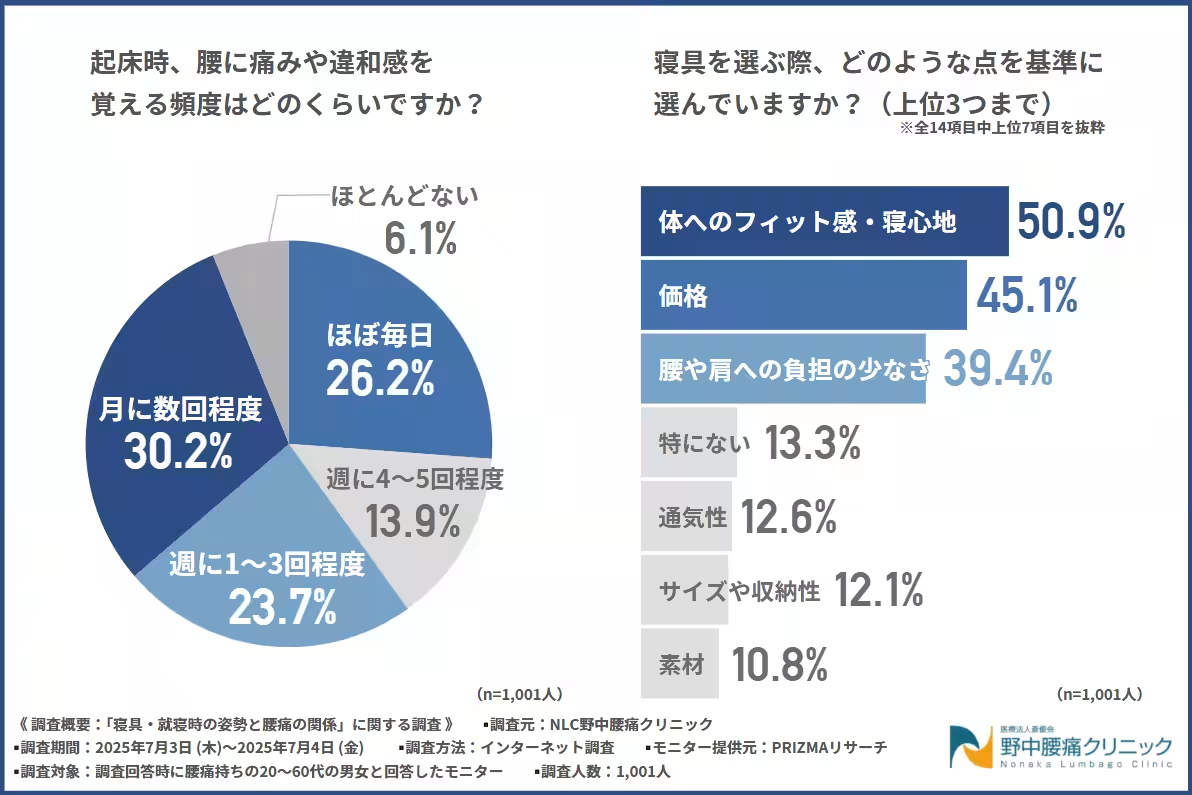
- - 26.2% reported experiencing pain almost every day.
- - 13.9% felt discomfort four to five times a week.
- - 23.7% noted symptoms one to three times a week.
- - 30.2% stated they felt difficulties a few times a month.
- - Only 6.1% claimed they rarely experienced any discomfort.
The data reveals that many individuals have regular encounters with back pain, often attributing it to their sleeping conditions. Additional factors include the type of mattress, pillow height, and even room temperature during sleep.
Criteria for Choosing Bedding
When it comes to selecting bedding products, respondents cited several critical factors:
- - 50.9% prioritized comfort and body fit.
- - 45.1% considered price.
- - 39.4% focused on minimizing stress on their back and shoulders.
The survey demonstrated a clear tension between the desire for a high-quality sleep experience and the practical considerations of cost. Participants expressed the challenge of balancing their ideals with everyday financial realities, complicating their choices concerning sleep products.
Perceptions About Mattress Impact
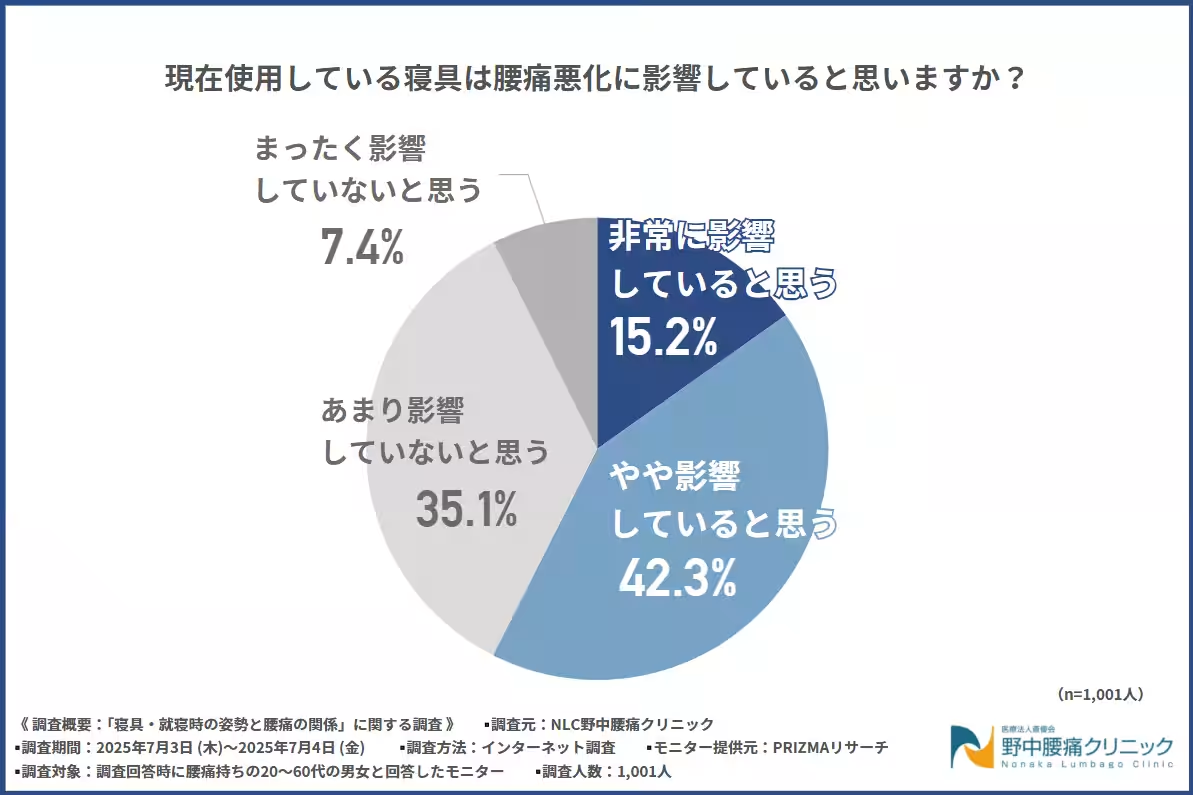
Interestingly, when respondents were asked whether their current bedding contributed to their back pain, about 6 out of 10 participants acknowledged a significant influence:
- - 15.2% believed the effect to be very strong.
- - 42.3% felt it had a mild effect.
This reflection indicates a growing awareness of the critical role that bedding plays in overall back health. When prompted about the hardness of their mattresses, the responses varied:
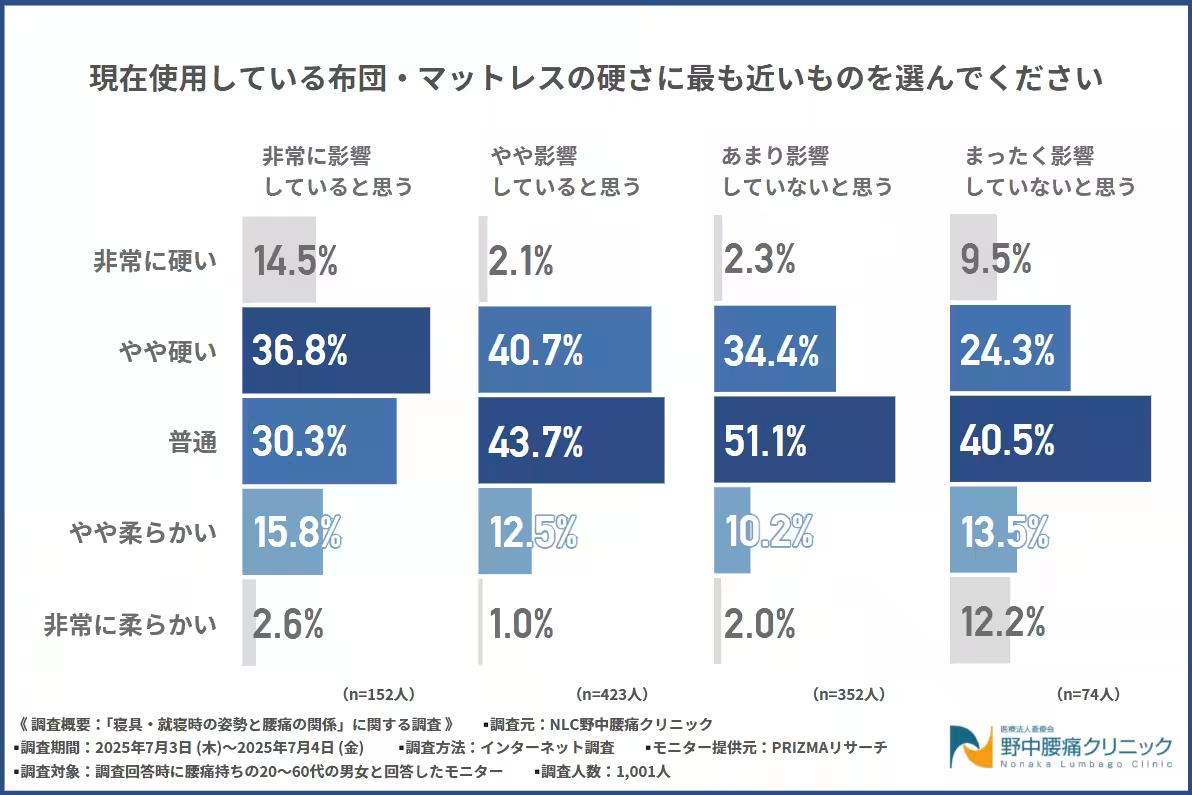
- - 14.5% used very hard mattresses.
- - 36.8% opted for hard mattresses.
- - 30.3% chose average hardness.
- - 15.8% selected somewhat soft options.
- - 2.6% preferred very soft mattresses.
Interestingly, those who reported that their mattress significantly impacted their back pain largely favored firmer options. However, those who felt no impact leaned more towards medium to soft mattresses. This could suggest that different body types and sleeping positions require personalized bedding solutions for optimal back health.
Pillow Height and Sleep Positions
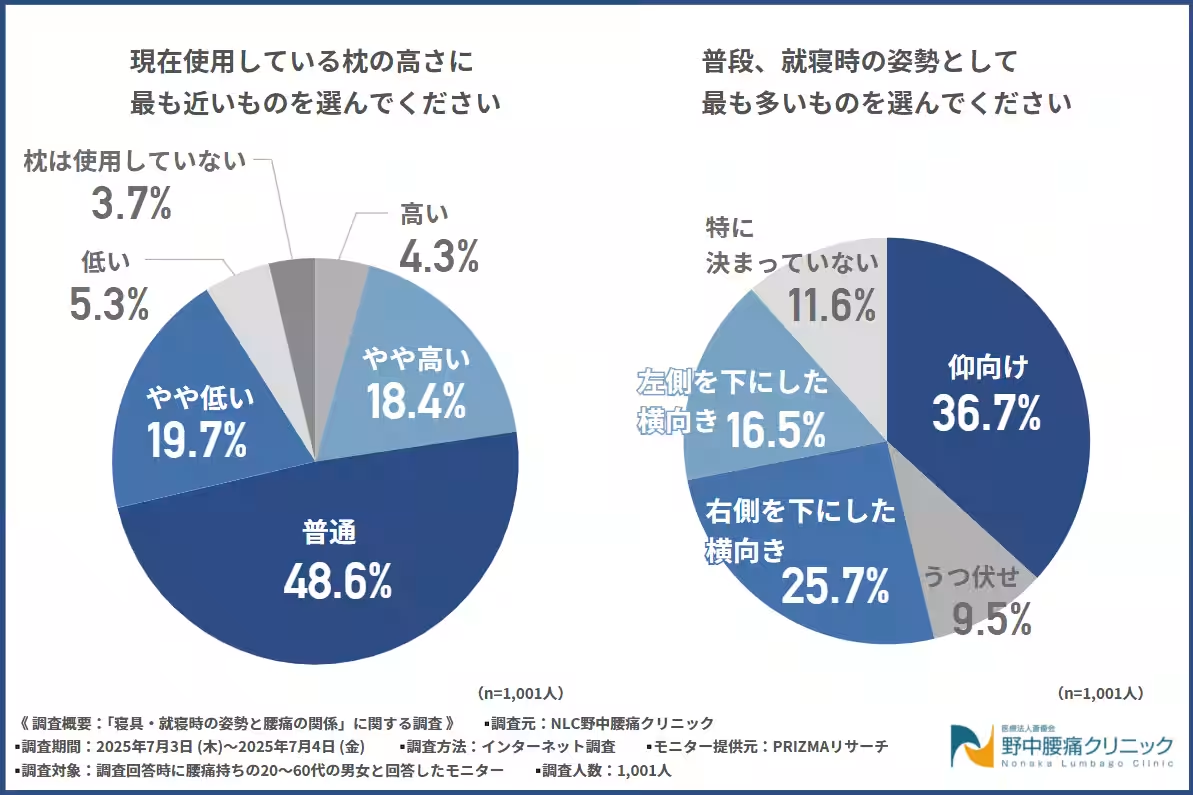
Along with mattress hardness, participants also assessed their pillow heights:
- - 4.3% used high pillows.
- - 48.6% chose average height.
- - 19.7% went with slightly lower options.
The majority appeared to favor a standard height, showing a preference for simplicity in their bedding choices. In terms of sleeping positions, the most common was on the back (36.7%). Following this, participants mostly slept on their sides (left or right), further indicating self-awareness regarding bodily positioning during sleep.
Awareness of Sleeping Posture and Its Impact
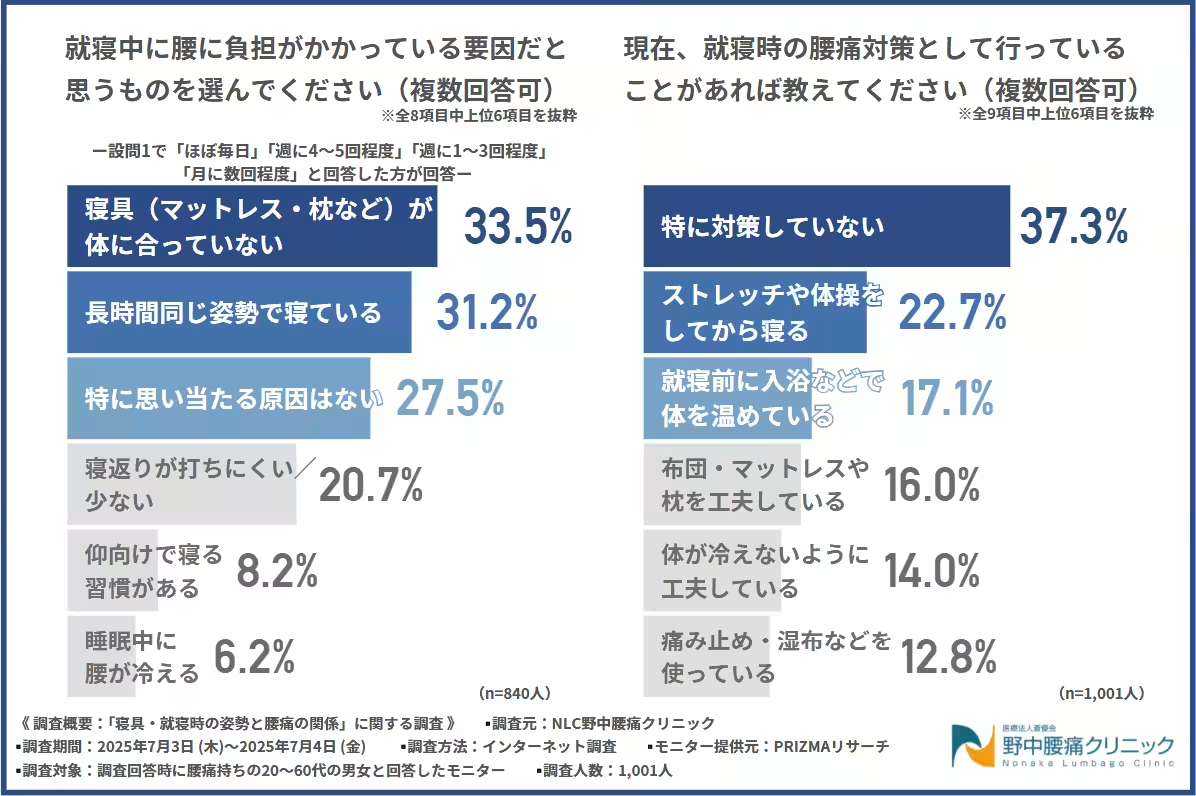
The survey also delved into what considerations respondents felt contributed to their back pain during sleep. Most identified issues, including inadequate mattress compatibility (33.5%) and prolonged periods in the same position (31.2%). This highlights a general trend: many individuals are cognizant of how their bedding arrangements affect their spinal health. However, a significant number admitted to taking no specific actions to combat these problems.
When asked about the measures they take for managing back pain while sleeping, the most common response was that no specific issues were addressed (37.3%). Others, however, partake in stretching or routines before bed, yet such proactive measures remain uncommon.
Conclusion: The Difficult Quest for Comfort
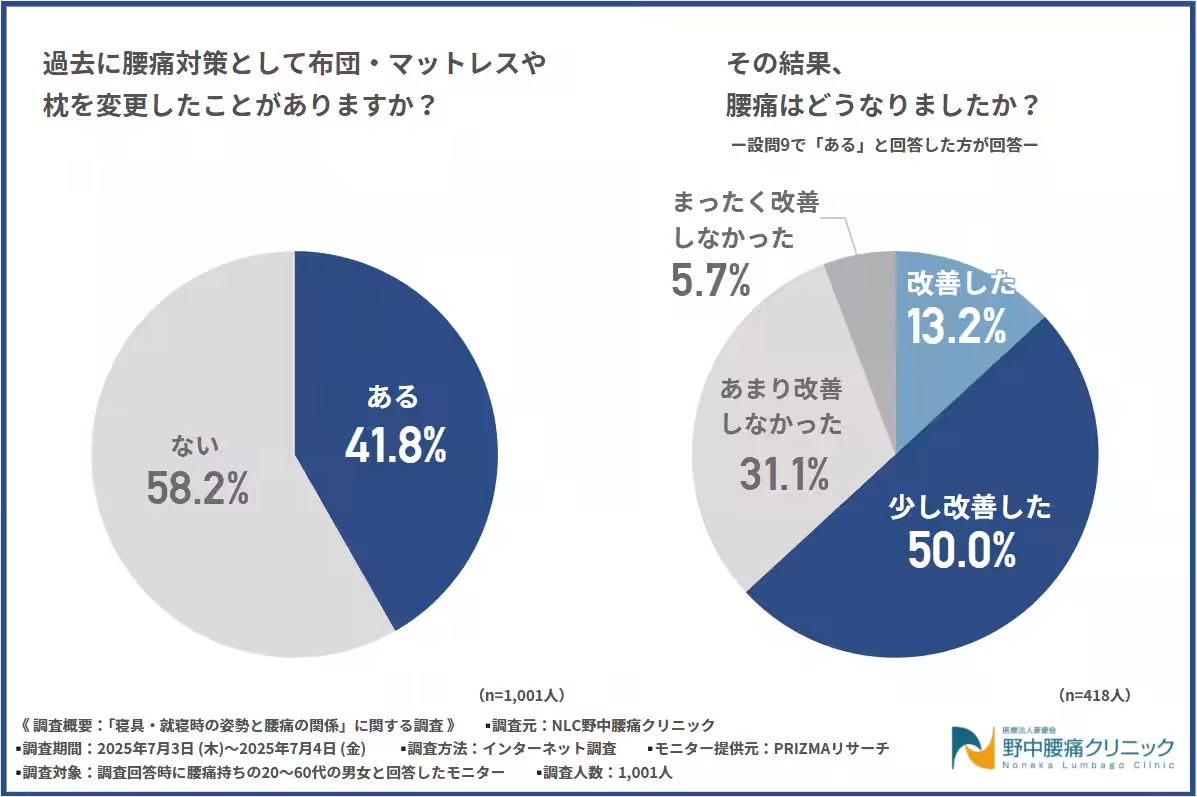
This survey significantly underscores how many individuals struggling with back pain should consider the impact of their bedding choices. Many see tangible improvements after altering their bedding, with nearly 60% feeling a reduction in pain post-change. However, the challenges in discovering the ideal sleep setup that promotes comfort while alleviating pain remain pronounced.
Message from Dr. Yasuyuki Nonaka
Dr. Yasuyuki Nonaka, the director of the Nonaka Back Pain Clinic, emphasizes that although there is a clear connection between back pain and sleeping position, finding the right balance of hardness and height in bedding is individualistic. He advocates for mattresses that support easy movements during sleep for better outcomes. For patients, choosing bedding that allows for flexibility can mitigate potential pain points.
Further information and inquiries can be directed to the Nonaka Back Pain Clinic, which is dedicated to providing tailored solutions for individuals suffering with back pain through progressive, non-surgical treatment options.


Topics Health)
【About Using Articles】
You can freely use the title and article content by linking to the page where the article is posted.
※ Images cannot be used.
【About Links】
Links are free to use.