



The Evolving Work Perspective of Generation Z in Japan: Values Beyond Salary
The Evolving Work Perspective of Generation Z in Japan: Values Beyond Salary
In recent years, the way young people perceive work has witnessed significant change, particularly among Generation Z. A survey conducted by Human Holdings Co., Ltd., which operates in education, nursing, childcare, IT, beauty, and sports, has shed light on how this generation prioritizes social contributions over traditional metrics like salary.
Key Findings from the Survey
Human Holdings targeted 1,000 young individuals aged 20 to 29, including new graduates from the Class of 2026, to grasp their insights about work and personal identity. Here are some revealing points:
1. Emphasis on Social Needs Over Salary
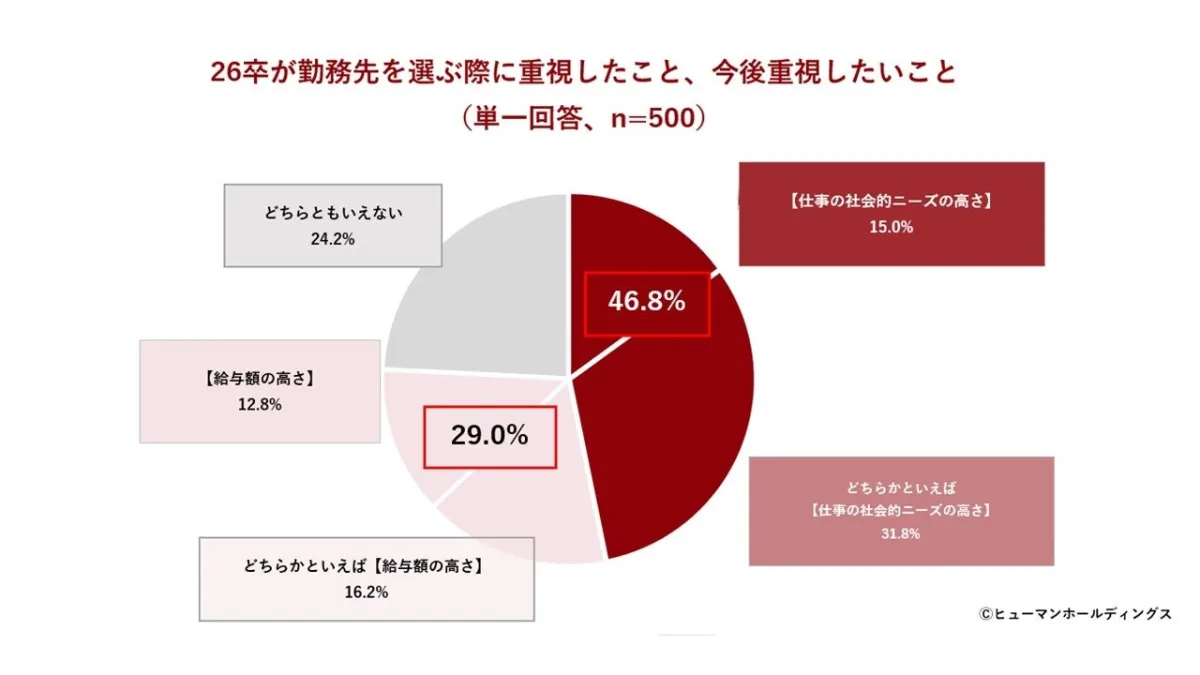
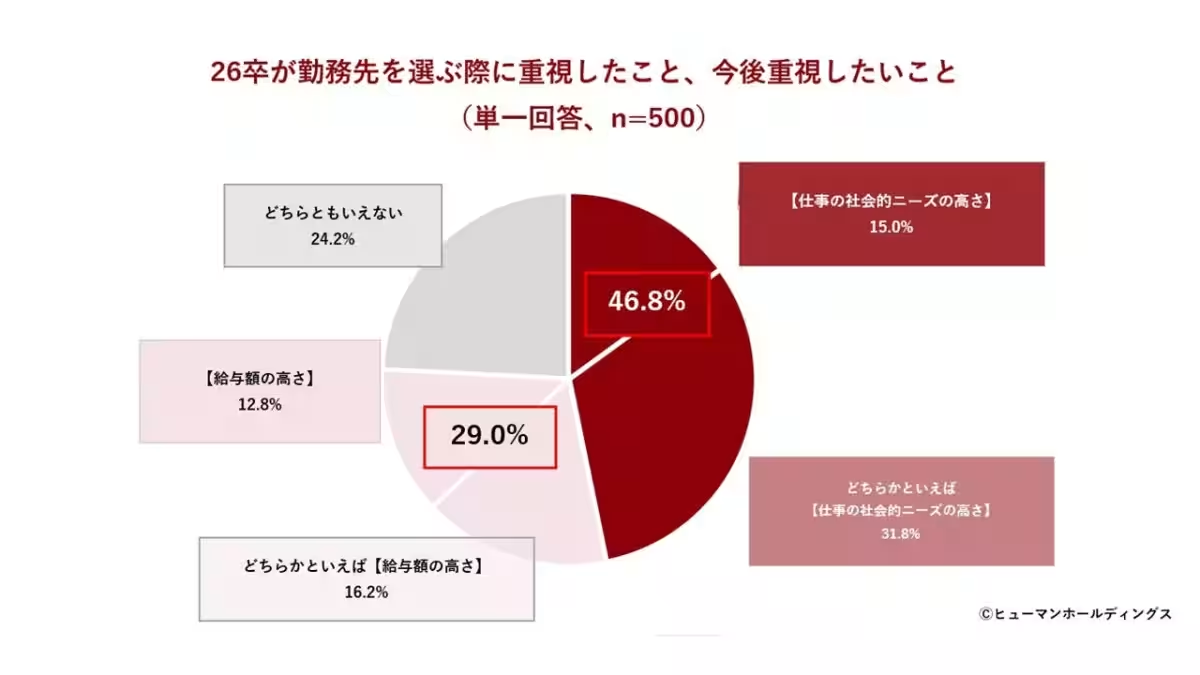
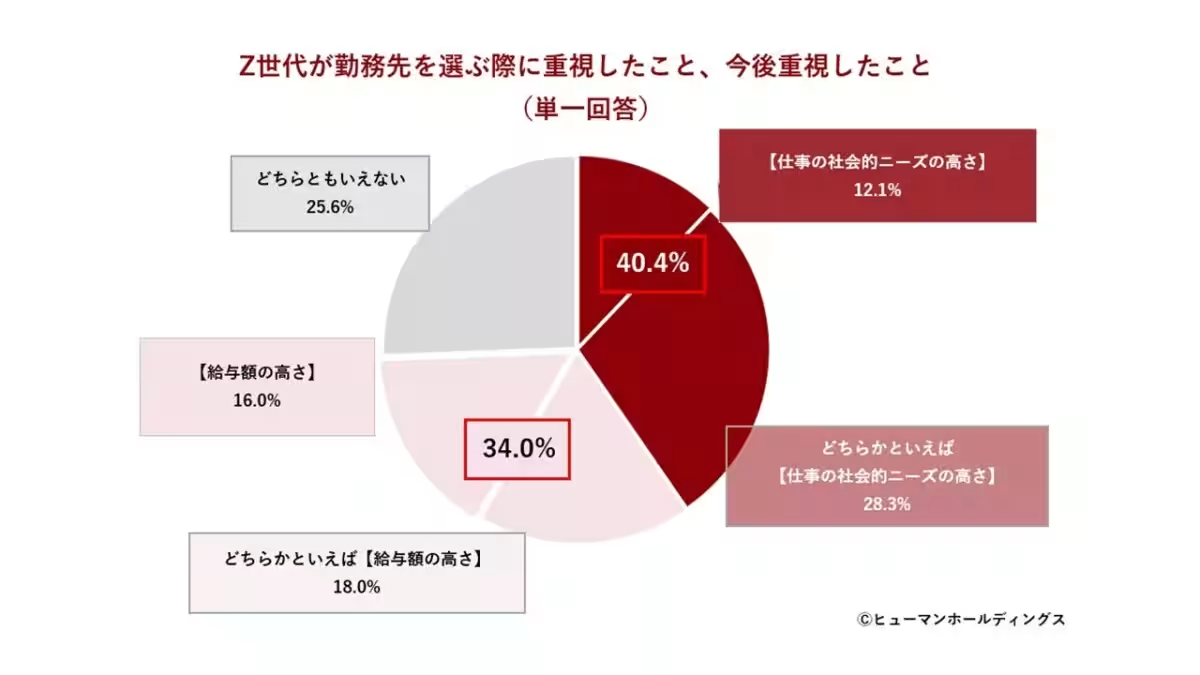
One of the key results stated that 40.4% of Generation Z prioritize the social significance of their work over salary, which only 34.0% considered more important. Notably, among new graduates, the trend starkly favors social needs, with 46.8% against 29.0% focusing on salary. This shift signifies a transition in values where job attractiveness lies more in contributing to society than financial gain.
2. The Importance of Benefits and Work-Life Balance
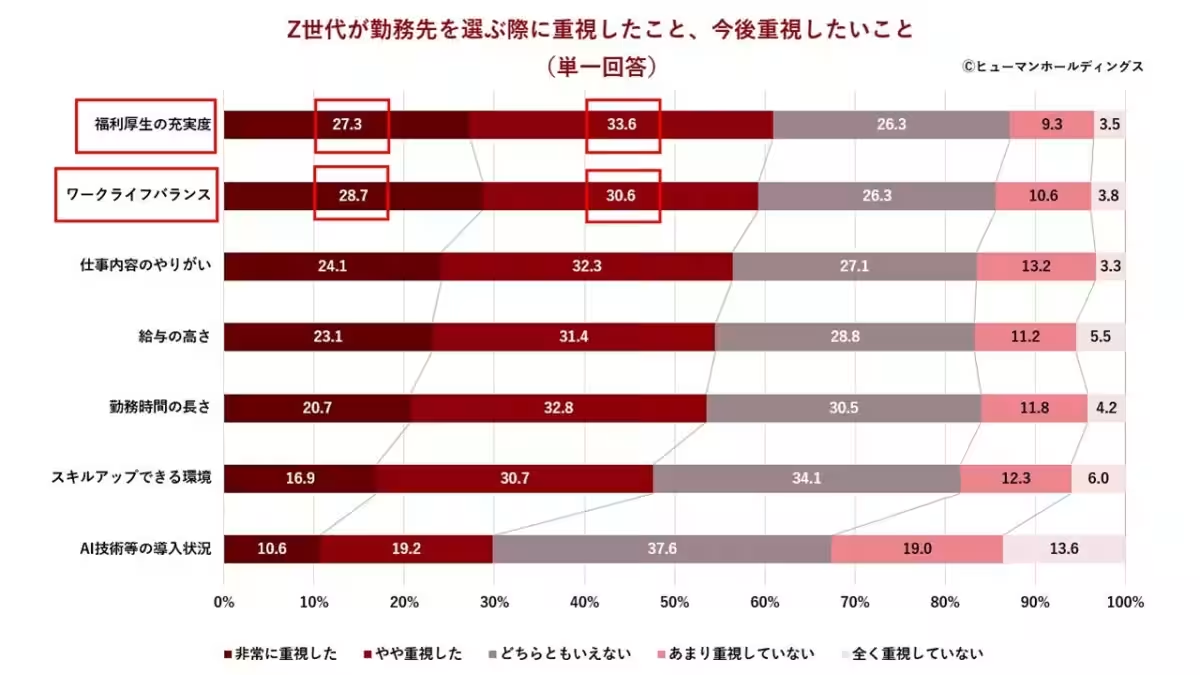
When choosing an employer, 60.9% of respondents rated benefits as the most critical factor. Additionally, maintaining a good work-life balance and job satisfaction were also high on their list of priorities. A significant portion (47.6%) expressed a desire for environments that facilitate skill development, revealing a strong desire for personal growth alongside professional stability.
3. A Positive Outlook on Labor Shortages
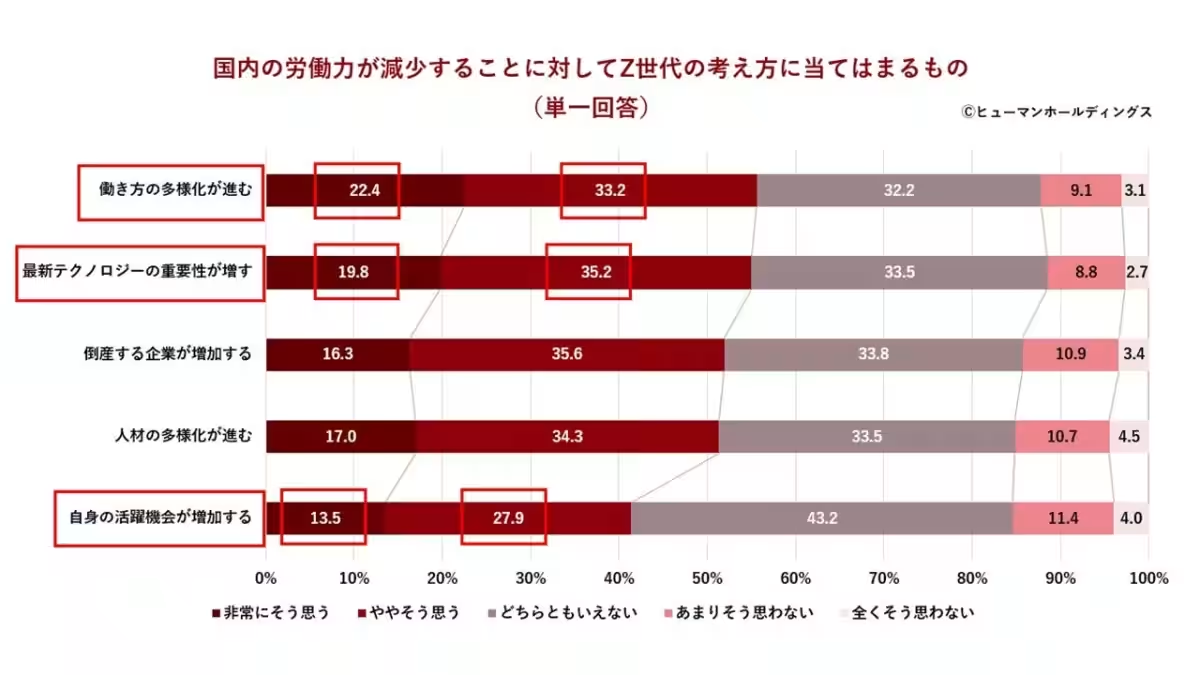
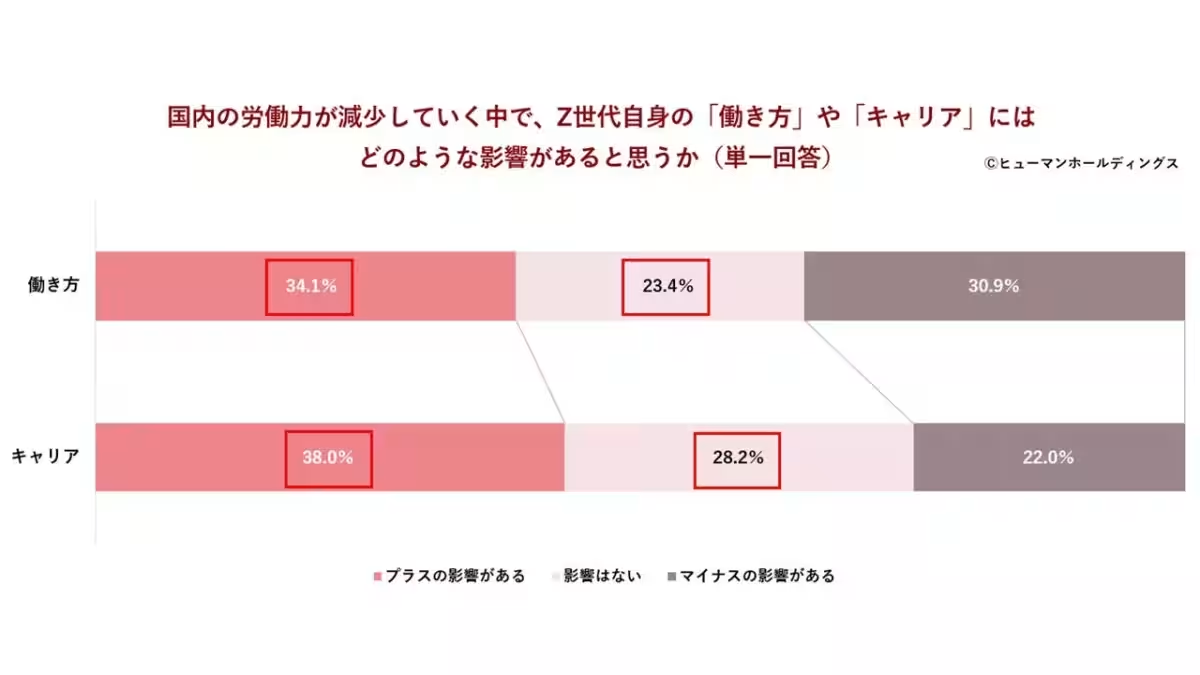
Despite the ongoing labor shortages in Japan, Generation Z holds a rather positive outlook. Over half view the evolving work landscape as an opportunity for diverse employment and increased technological importance, reflecting a unique resilience in adversity. A total of 66.2% believe that their careers will benefit in light of these changes.
4. Seeking Personal Growth and Self-Identity
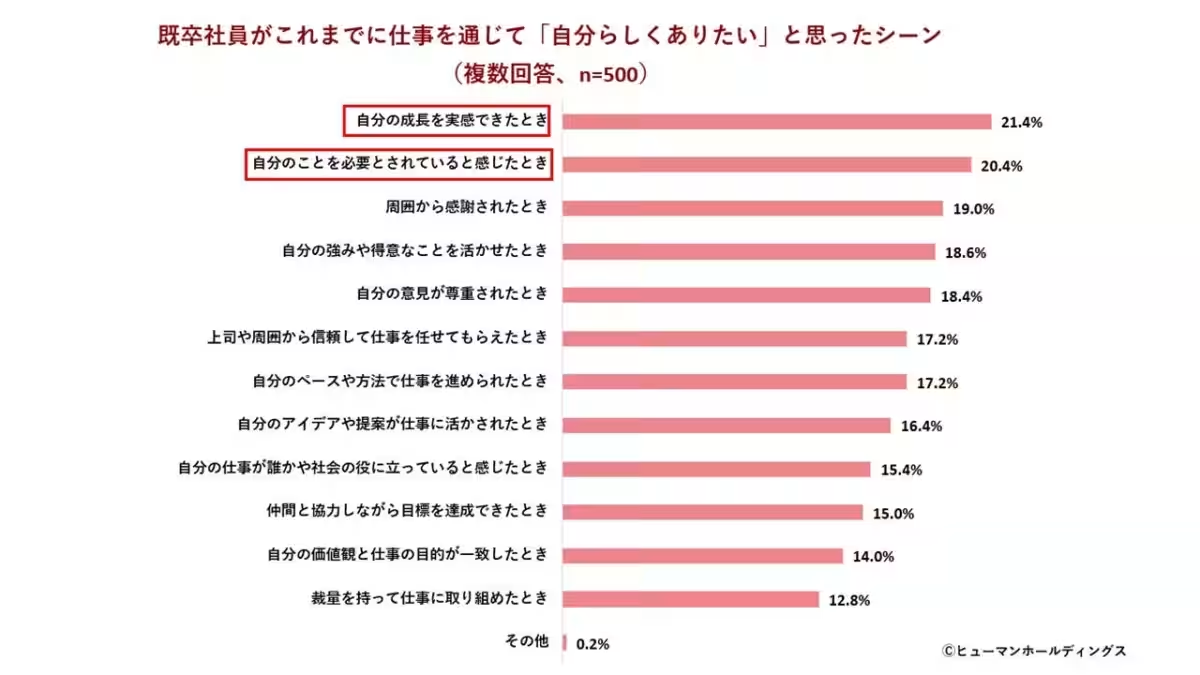
Among those who have been in the workforce, many reported defining moments of personal identity through experiences that allowed them to grow or be recognized for their contributions. Notably, 21.4% recalled feeling authentic when they could sense personal growth, and 20.4% felt a strong sense of necessary contribution. This connection suggests that personal growth and professional contributions are key to how Generation Z defines their true selves.
5. Self-Actualization Needs
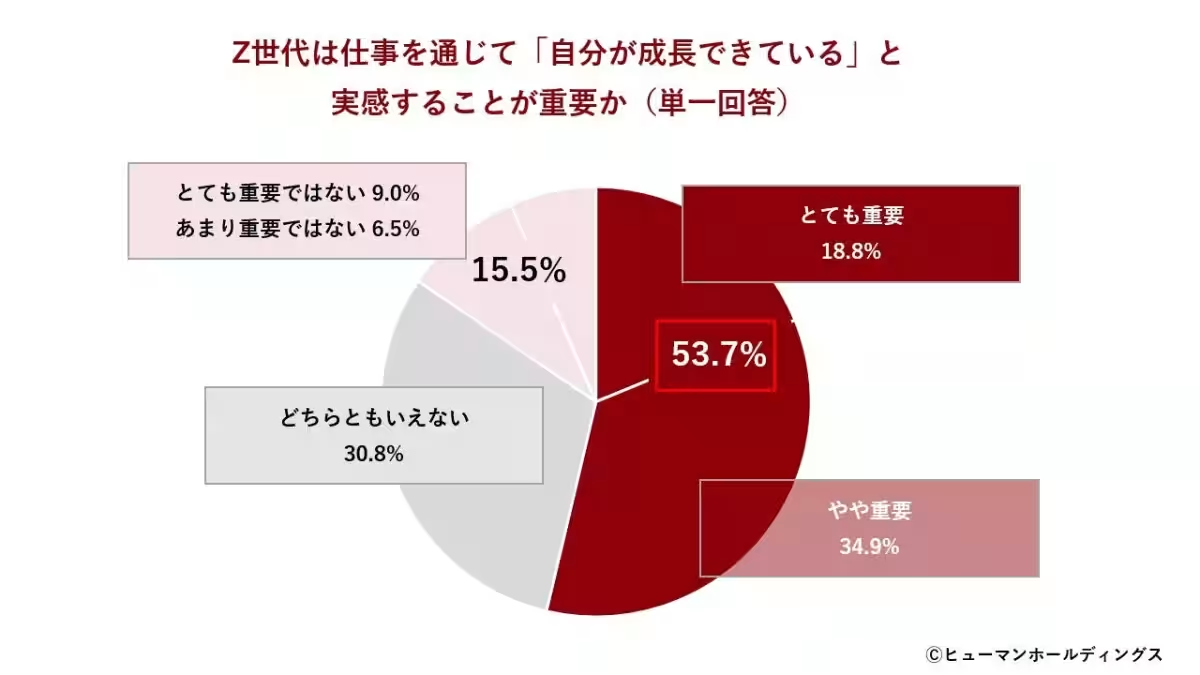
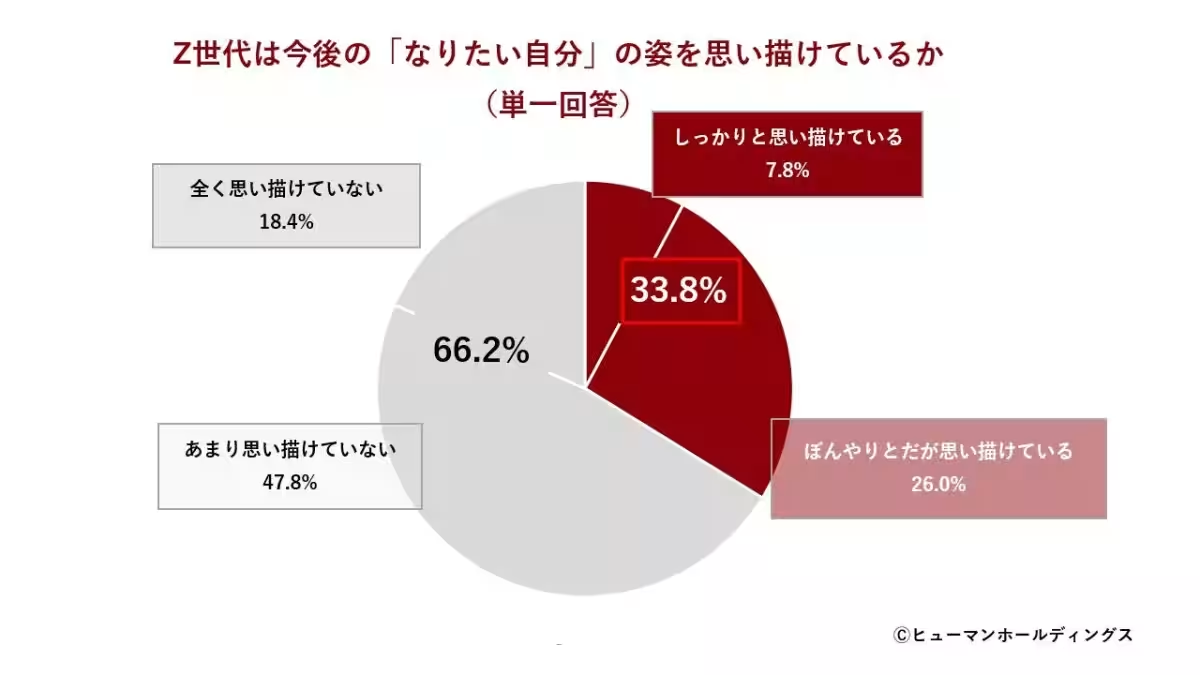
While 53.7% emphasize the importance of feeling personal growth through their work, a mere 33.8% can clearly envision their future selves in professional contexts. Alarmingly, only 7.8% assert they have a solid picture of the ideal version of themselves. This gap hints at a growing need for environments fostering self-actualization—termed

Topics People & Culture)


【About Using Articles】
You can freely use the title and article content by linking to the page where the article is posted.
※ Images cannot be used.
【About Links】
Links are free to use.