



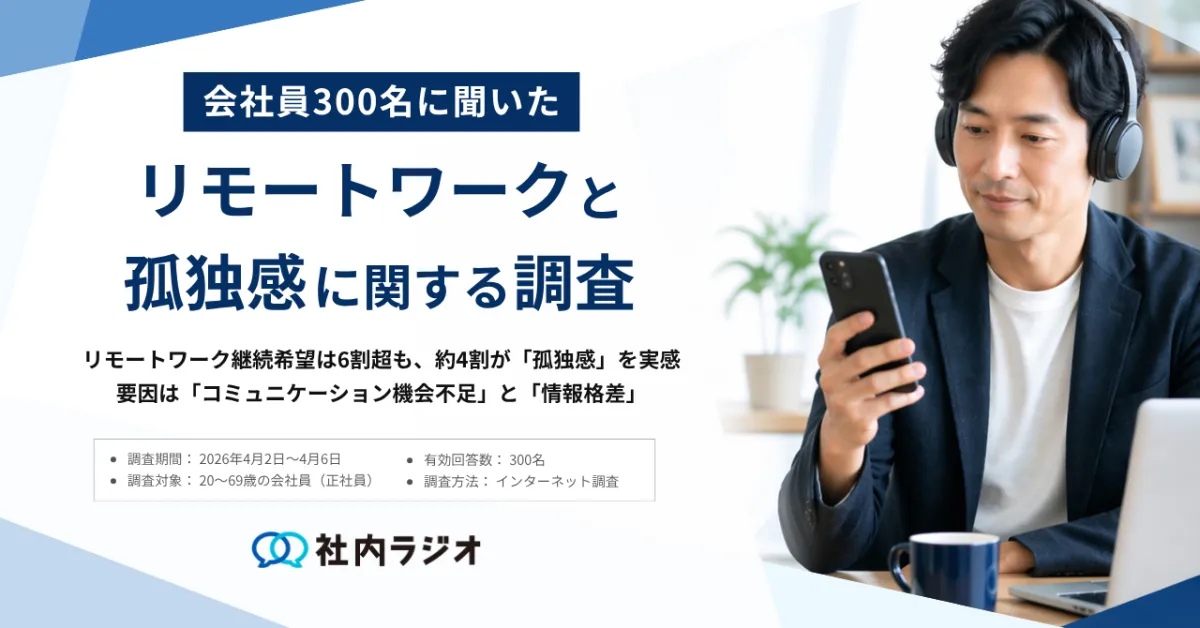
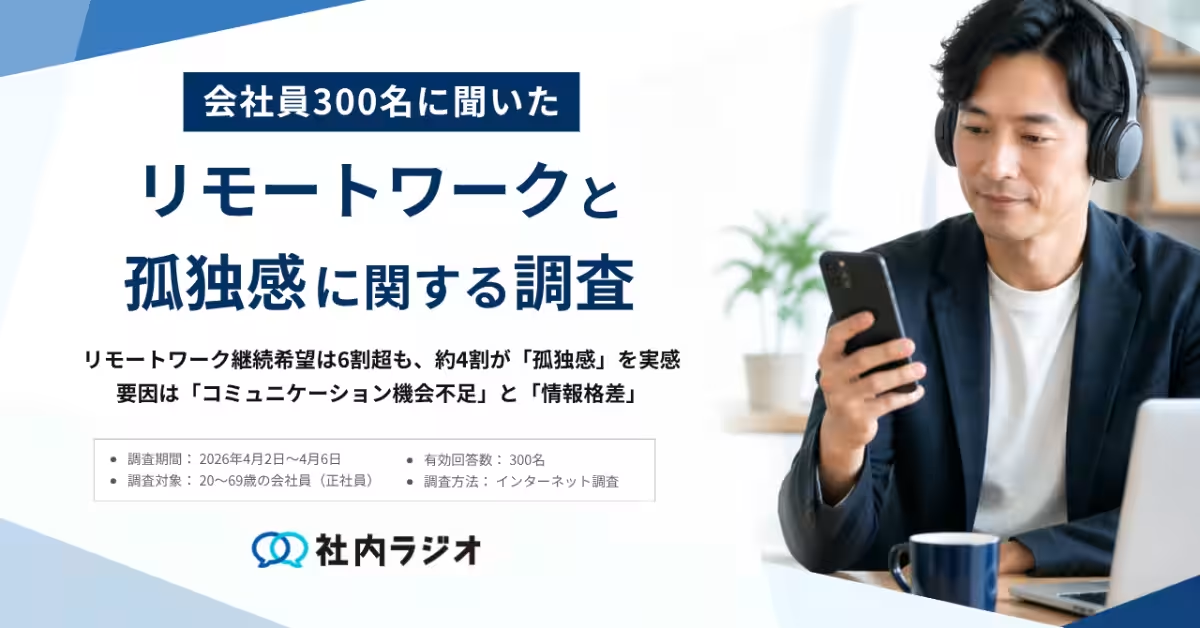
Remote Work: Over 60% Want to Continue, Yet Many Feel Isolated
Introduction
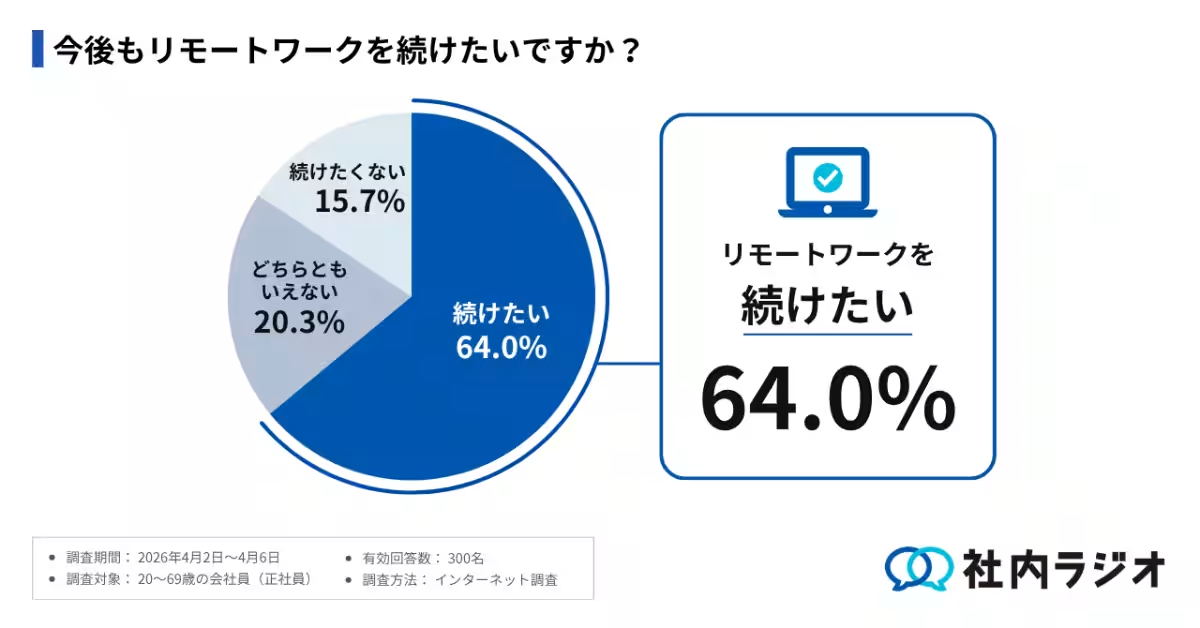
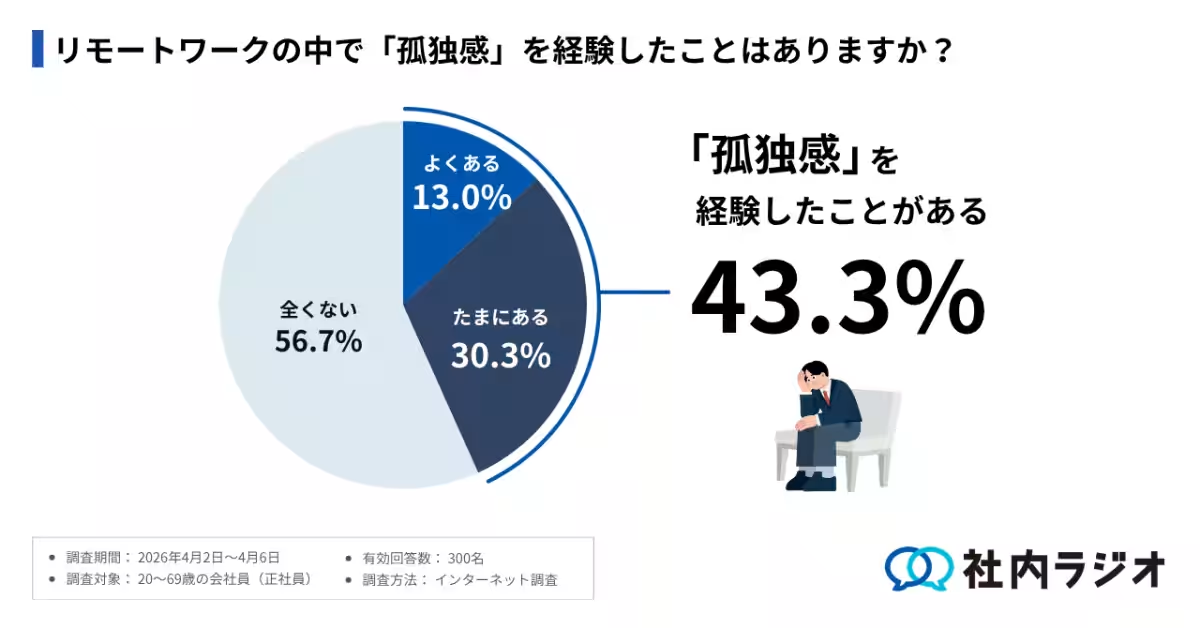
In a recent survey conducted by OtoBank, a Tokyo-based company providing voice content for internal communication, over 64% of employees expressed a desire to continue remote work. Despite this strong preference, approximately 43.3% of these employees reported experiencing feelings of loneliness. This paradox raises important questions about the efficacy of remote work as a long-term arrangement and its psychological impacts on employees.
Background of the Survey
The rise in remote work has been accelerated by the global pandemic, leading to new challenges, including increased feelings of loneliness often referred to as 'semi-depression.' This term describes individuals who, while not clinically diagnosed with depression, experience chronic feelings of sadness or discomfort. As remote work becomes a standard practice, the lack of personal connections among employees is emerging as a significant concern.
To understand this phenomenon better, OtoBank surveyed 300 employees aged 20 to 69 who work remotely at least three days a week, focusing on the relationship between remote work and feelings of loneliness.
Key Findings from the Survey
Continued Preference for Remote Work
The survey revealed a compelling desire for remote work, with 64.0% of respondents indicating they want to continue this mode of working. However, this desire is shadowed by the fact that 43.3% acknowledged experiencing loneliness during their remote work, with 13.0% indicating it happens often and 30.3% stating it occurs occasionally. These figures highlight that while remote work may be favored for its flexibility, it simultaneously breeds feelings of isolation for a significant number of employees.
Root Causes of Loneliness
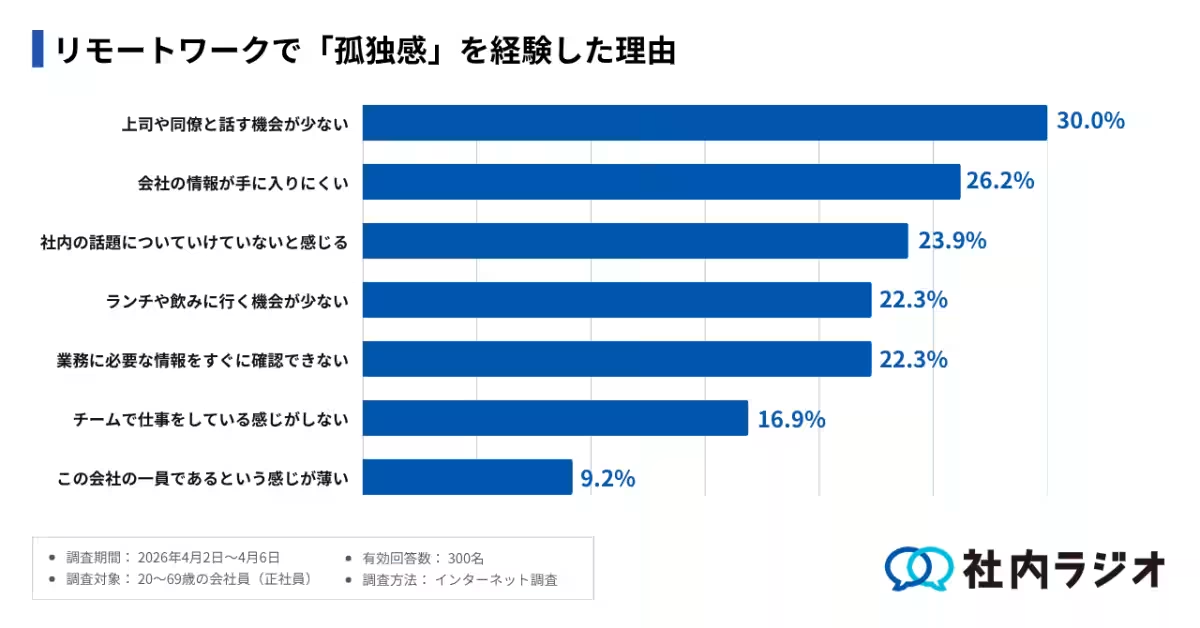
Among those who reported feelings of loneliness, a significant 30% pointed to a lack of communication opportunities with colleagues and supervisors as the main culprit. Following this, 26.2% felt they faced difficulties in accessing company information, and 23.9% reported feeling excluded from workplace discussions. This data suggests that loneliness does not merely stem from reduced communication but also from gaps in information flow and a sense of alienation from the workplace culture.
Ideal Communication Strategies
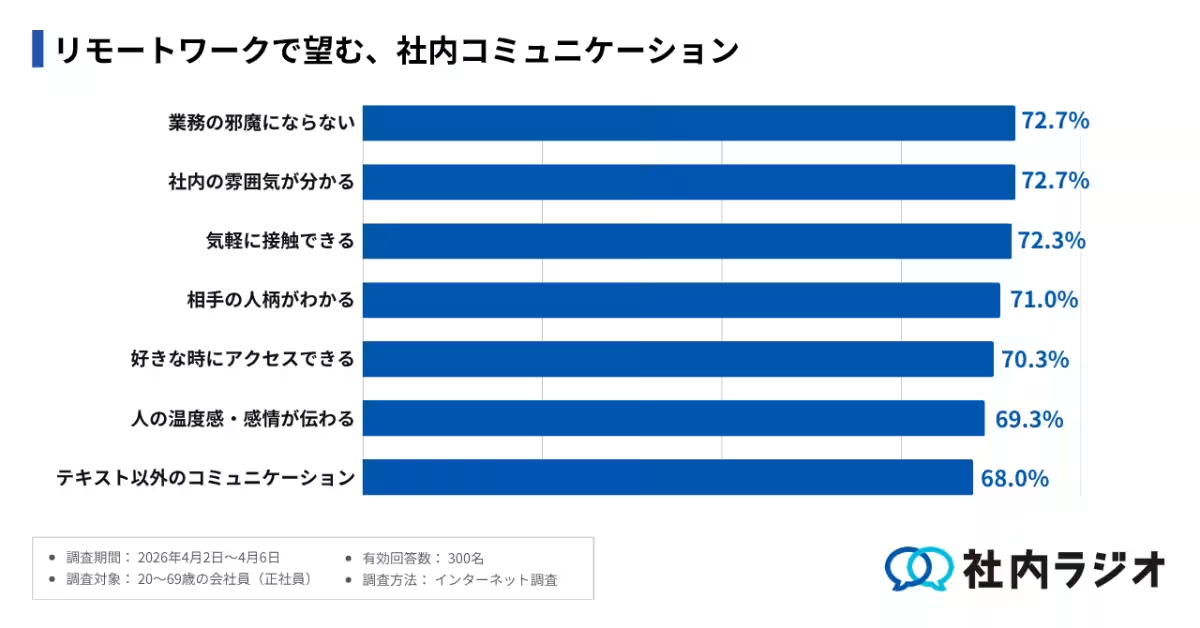
When asked about their ideal communication within the workplace, 72.7% of respondents indicated that communication should not hinder their work, and the same percentage desired a sense of the company's atmosphere. Additionally, 72.3% preferred more approachable interactions. These findings point to a need for a balance between maintaining work efficiency and fostering a sense of connection with colleagues and the organizational culture.
Conclusion: The Need for Psychological Connections
This survey underscores a critical issue: although remote work is widely accepted, psychological isolation poses a new organizational challenge. Moving forward, organizations must focus not only on enhancing communication frequency but also on developing systems that enable employees to feel psychologically connected without compromising their work efficiency.
A New Approach: In-House Radio
OtoBank is addressing these challenges through innovative solutions such as "in-house radio," a platform that delivers the voices of executives and employees in audio format. This method allows for conveying not just information but also emotions and the overall ambiance of the workplace, thus fostering a sense of community.
"In-house radio" can be listened to during commutes or while multitasking, making it easier for employees to engage with company updates without increasing their workload. According to OtoBank's survey from June 2025, 78% of employees listened to in-house radio at least five times a month, and 93% felt increased affinity towards the company.
In a time when physical interactions are reduced, in-house radio represents an effective new communication method for organizations, aiming to nurture connections among employees. By fostering an atmosphere of openness and comfort, companies can not only address the issue of loneliness but also enhance overall employee engagement and satisfaction.
About OtoBank
OtoBank, headquartered in Bunkyo, Tokyo, is a leading audio content company focused on creating a "culture of listening." They partner with over 500 publishers and offer the largest audiobook distribution service in Japan. Their mission includes promoting inclusive access to information and fostering a love for literature. For more information, visit OtoBank's website.



Topics People & Culture)


【About Using Articles】
You can freely use the title and article content by linking to the page where the article is posted.
※ Images cannot be used.
【About Links】
Links are free to use.