



Corporate Strategies Post-AI Implementation: Employee Redundancy and Reinvestment Trends
Corporate Strategies Post-AI Implementation
With the increasing integration of AI in major corporations, a new study by TWOSTONE&Sons sheds light on the realities of corporate strategies regarding AI implementation and human capital reallocation. The insights are drawn from a survey of 108 executives from large companies employing over 500 individuals, revealing how these organizations navigate the complexities of AI's introduction while maintaining their workforce.
Key Findings
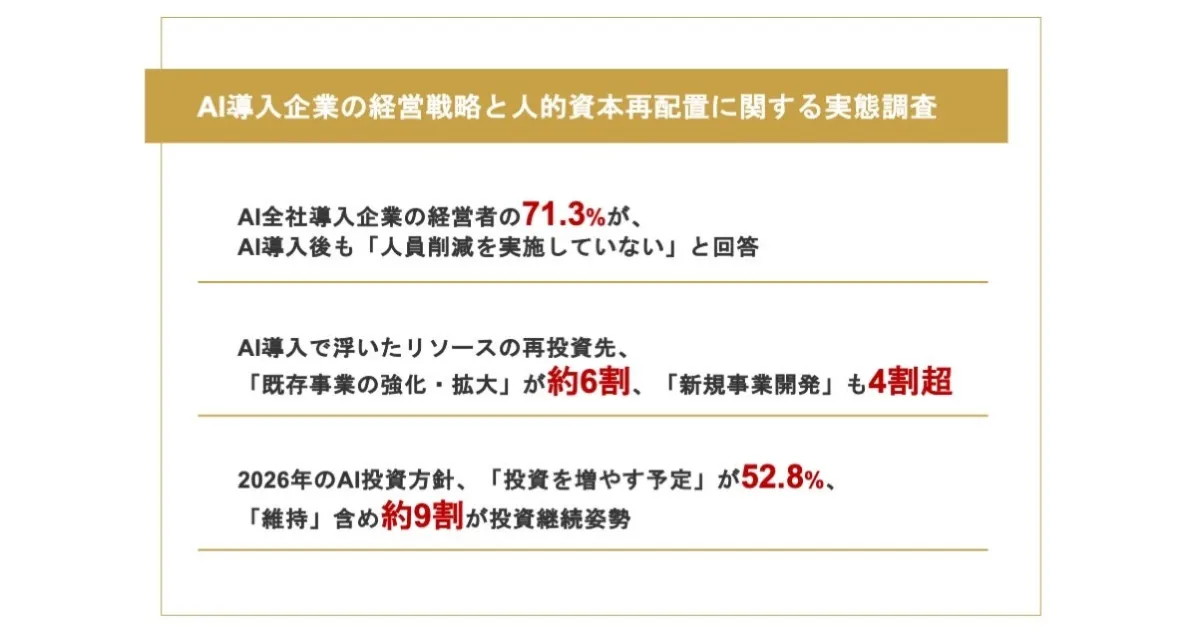
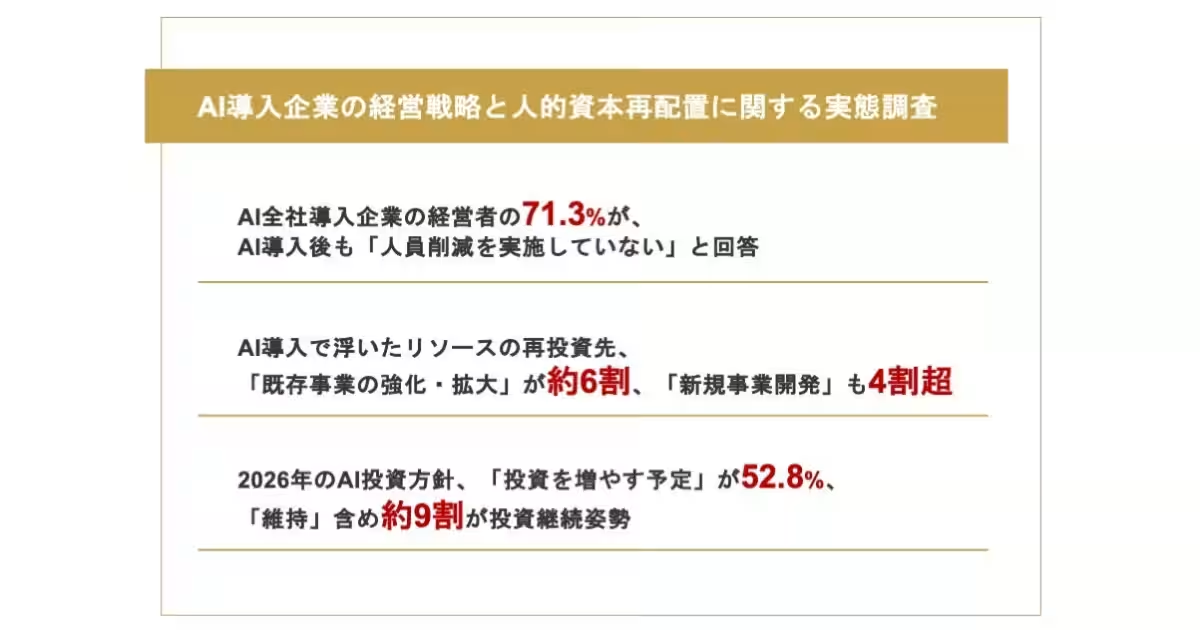
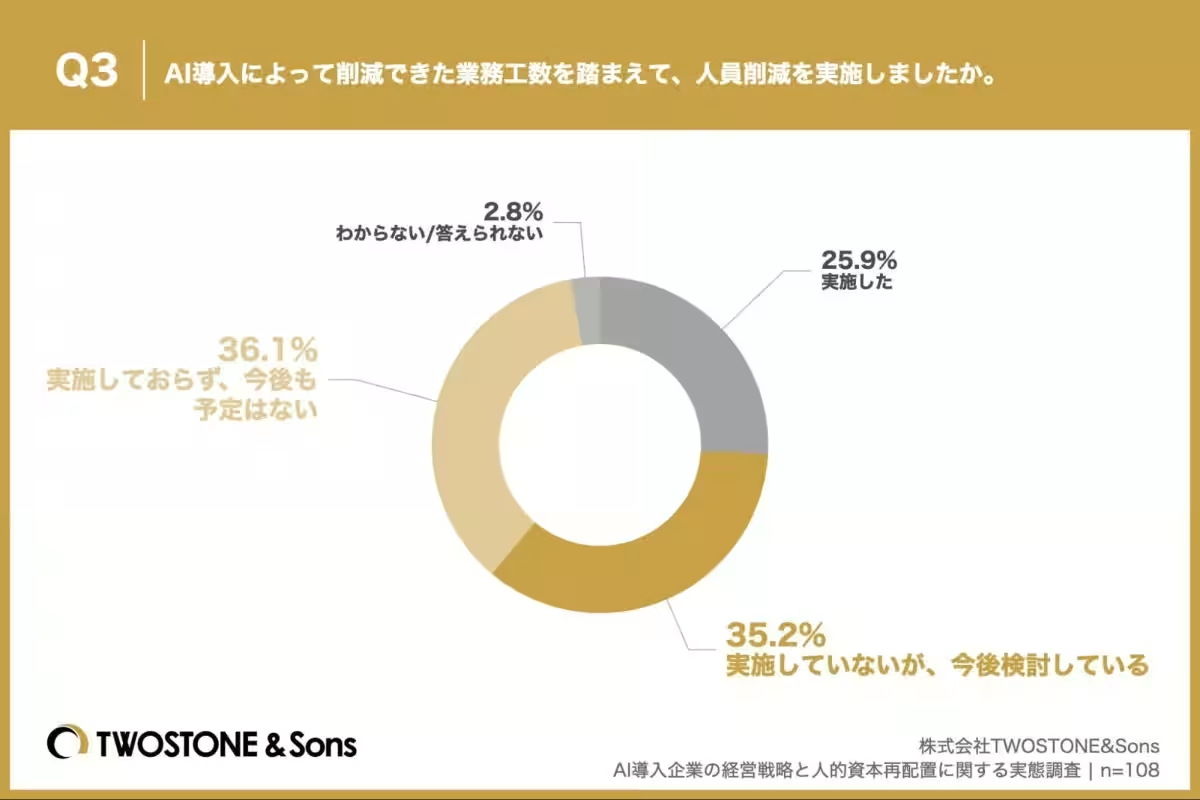
1. Minimal Workforce Reductions: Alarmingly, 71.3% of respondents indicated that their companies have not initiated any workforce reductions post-AI implementation. When asked about future redundancies, a significant 36.1% of executives assert there are no plans for such actions, indicating that many view AI more as a tool for efficiency than a means to cut jobs.
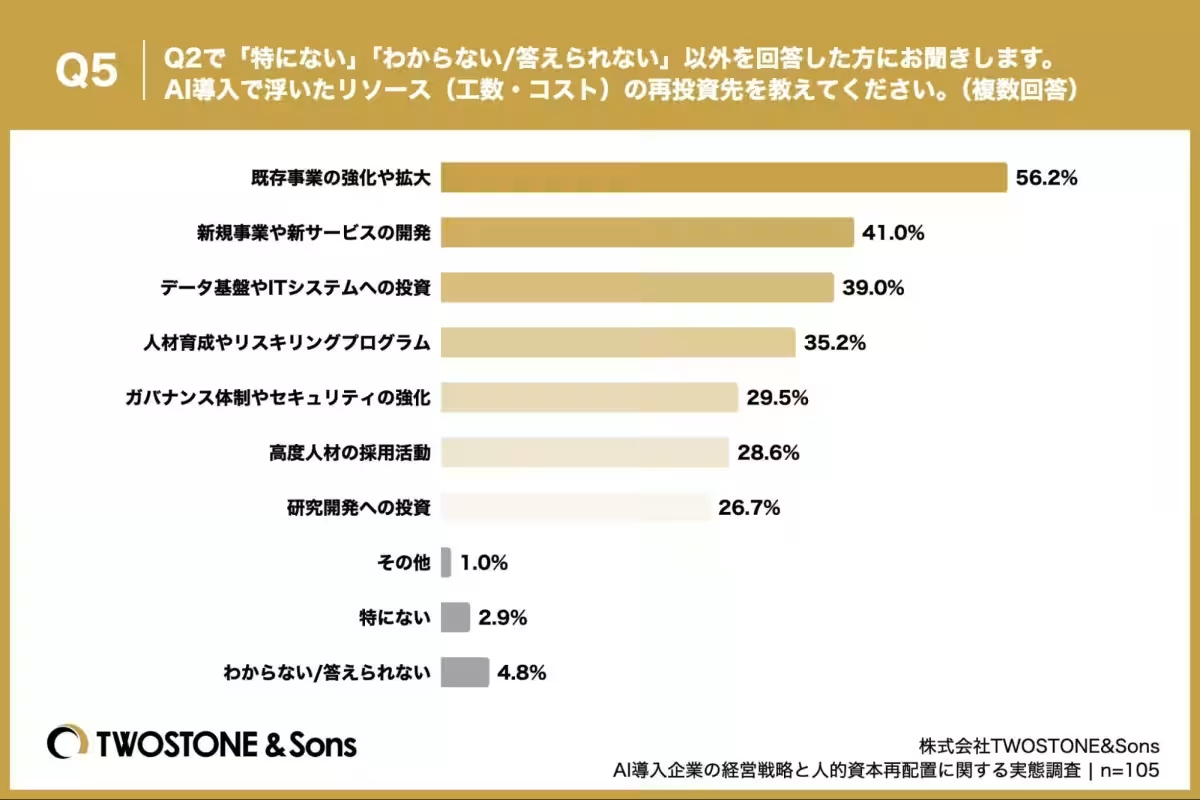
2. Investment Focus: The survey also highlighted how freed resources are being reinvested. Around 56.2% of executives indicated that reinvestment is primarily directed towards enhancing and expanding existing operations, while 41% is allocated to developing new business ventures.
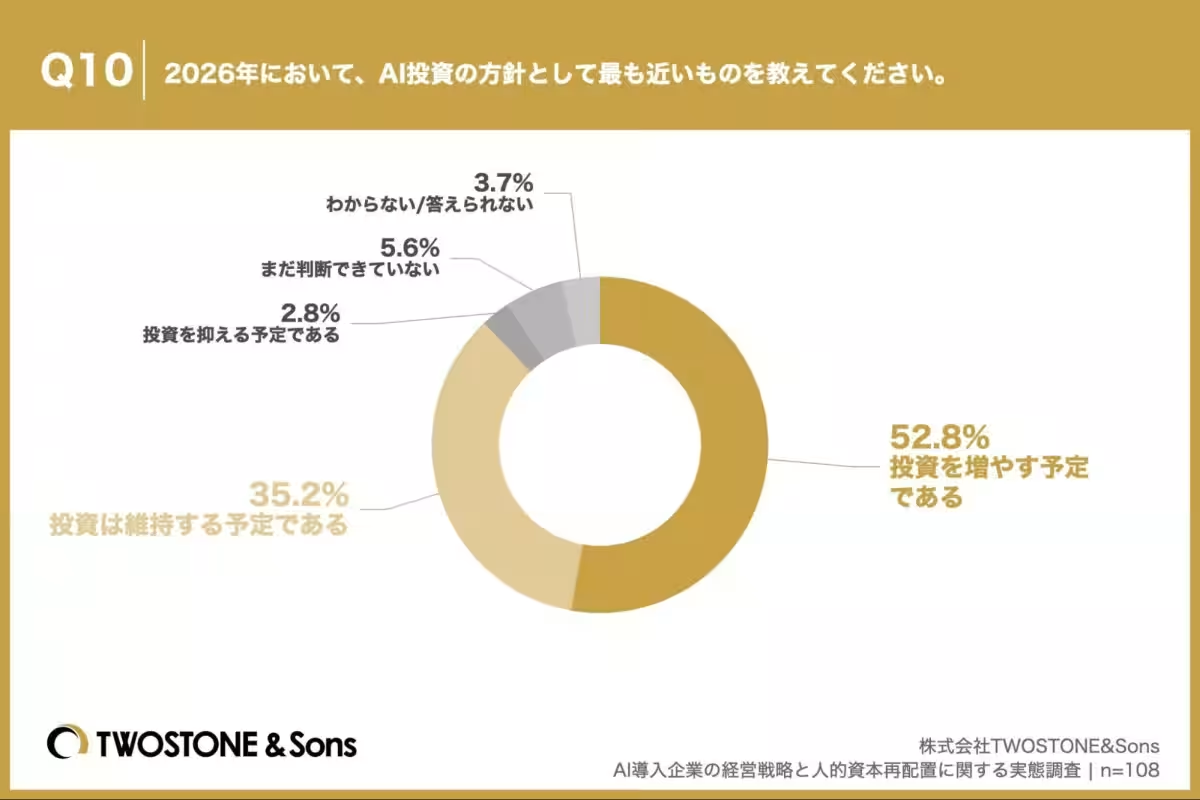
3. Future AI Investments: Looking ahead to 2026, a healthy 52.8% of companies plan to increase their AI investments, signaling a commitment to integrating AI deeply into their business models. Together with those maintaining current investment levels, nearly 90% of respondents express a forward-looking stance towards AI.
Insights into AI Utilization
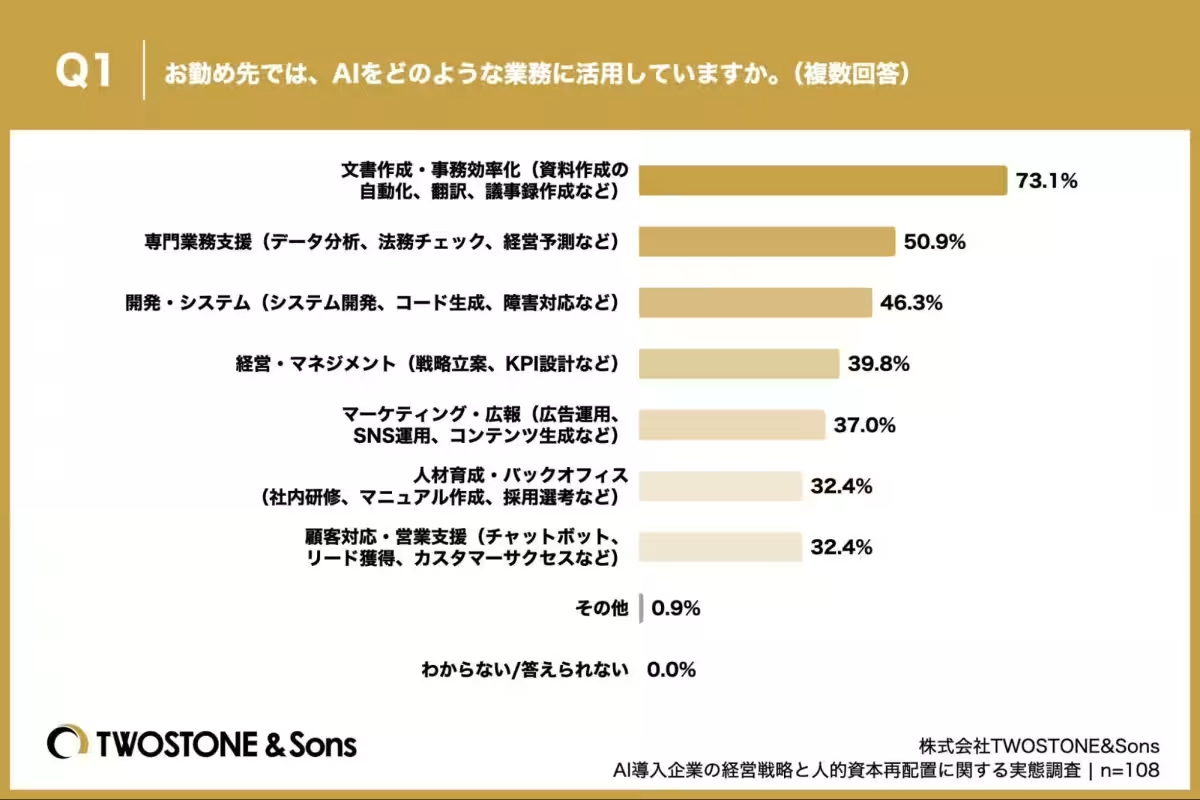
During the survey, key areas where AI is being utilized were identified. 73.1% of executives report using AI for document preparation and efficiency improvements, while 50.9% utilize it for specialized operational support, such as data analysis and management forecasting. Other areas include development systems and management with percentages ranging from 39.8% to 32.4%.
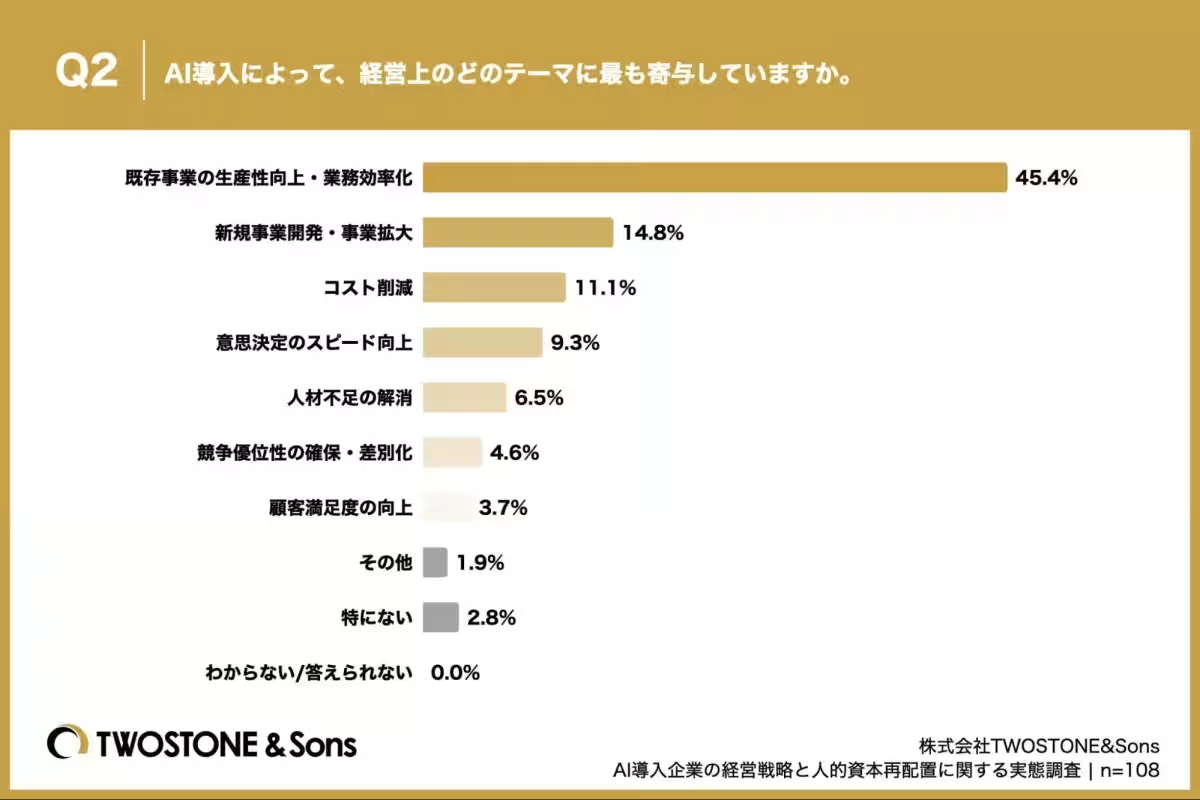
The executives' prioritization of productivity enhancement and operational efficiency indicates that AI implementation is viewed as a driver for business development rather than merely a cost-cutting measure.
Cultural Implications
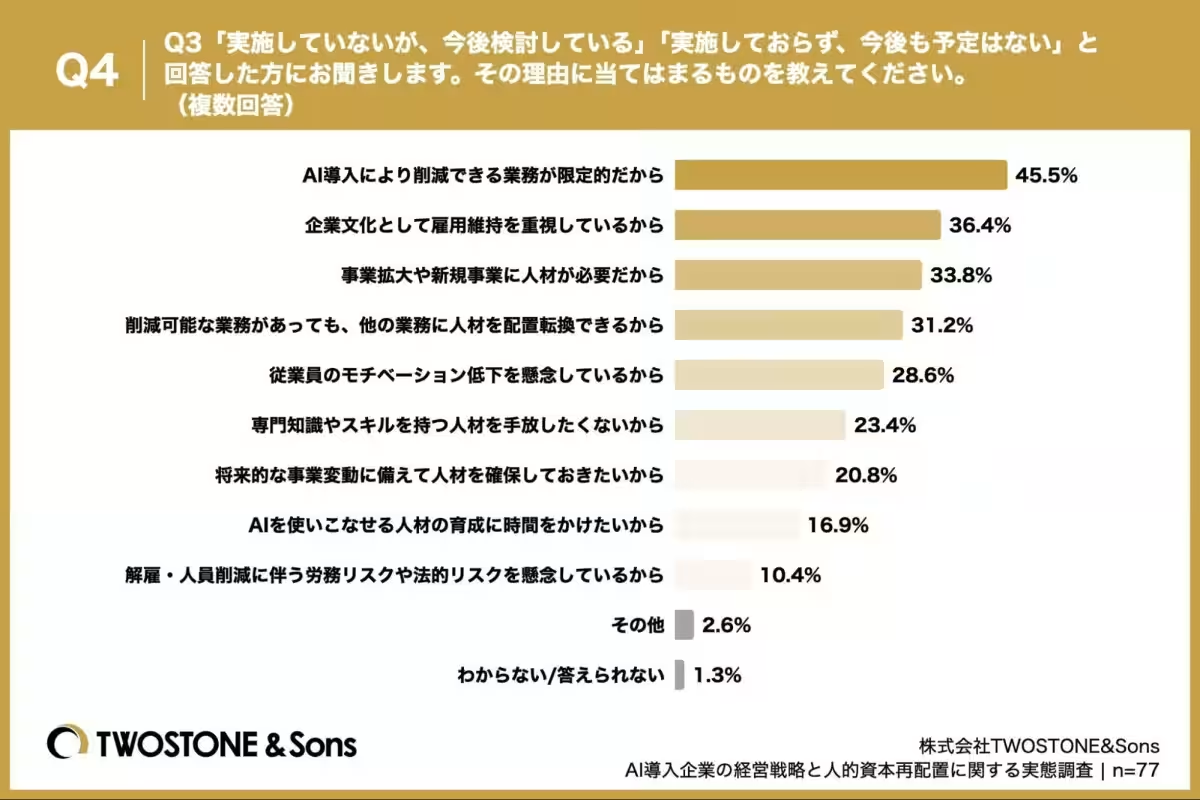
The retention of staff amidst AI implementation can be attributed to various factors. The leading reason for avoiding workforce reductions is that the tasks amenable to AI intervention are limited (45.5%). Additionally, many companies maintain a culture that values employment stability (36.4%). This cultural approach reflects a prevalent attitude among Japanese enterprises that emphasizes employee continuity even in the face of technological advancements.
Skills Evolution in the Workforce
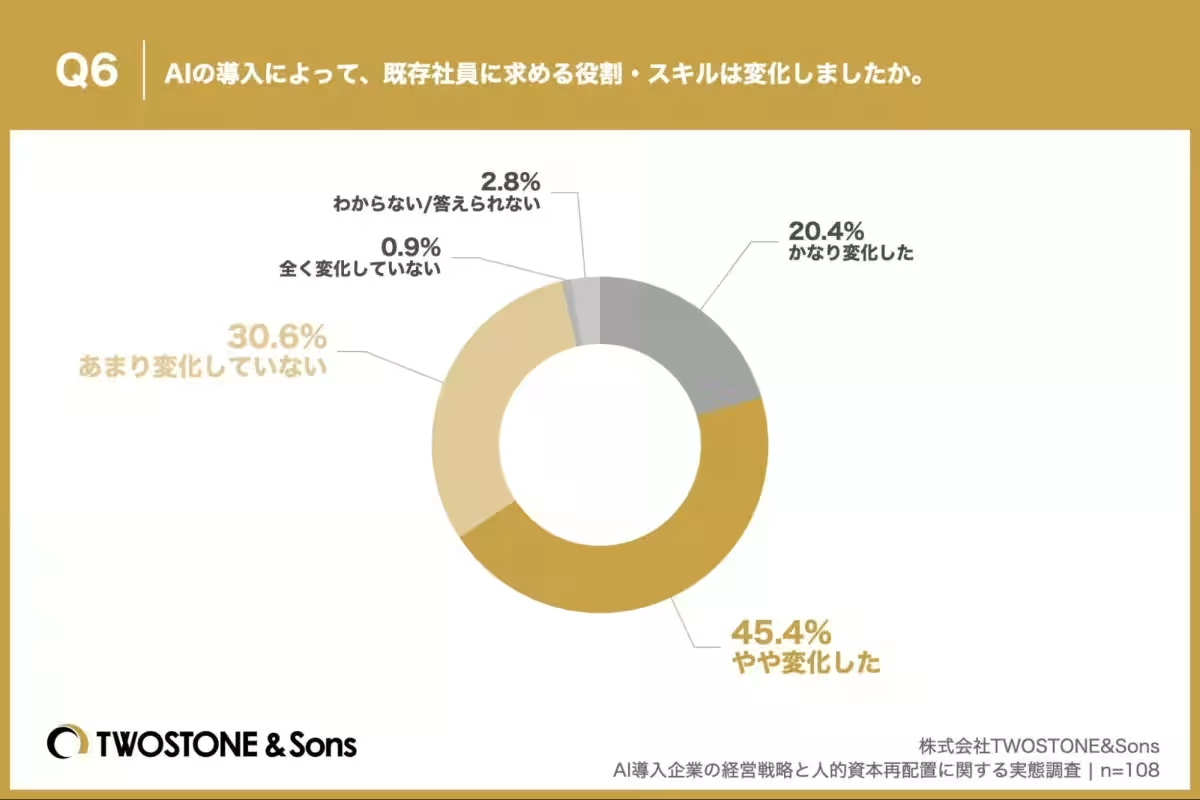
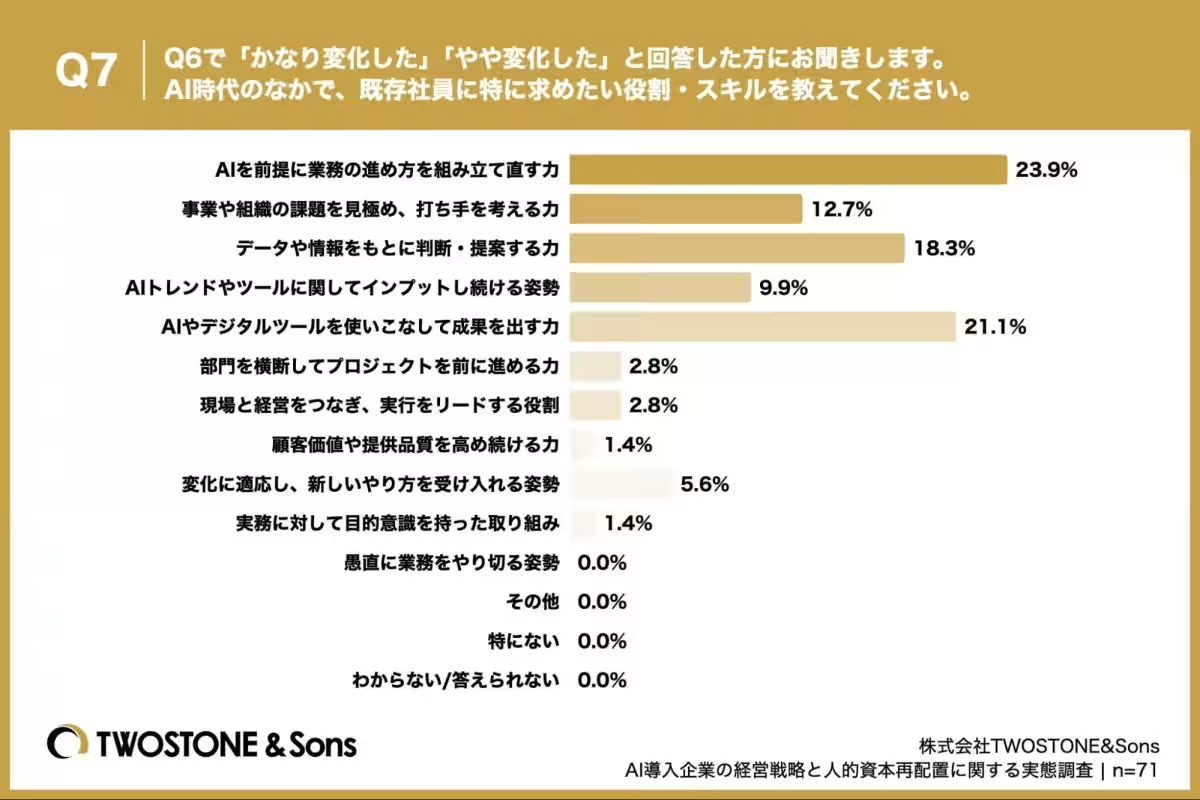
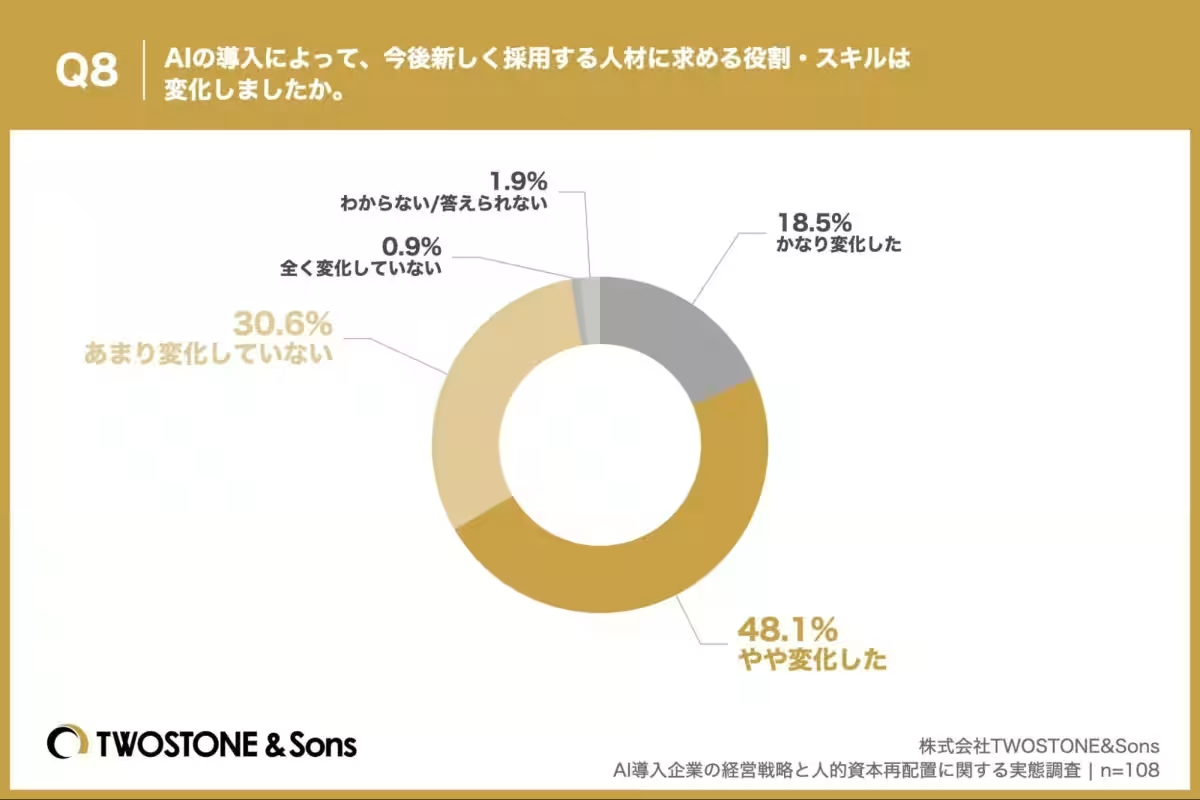
Significantly, around 65.8% of executives indicated that the required skills among existing employees have evolved due to AI integration. The most sought-after ability is the capacity to reorganize work practices around AI (23.9%), revealing an urgent demand for employees who can adapt to rapidly changing job requirements.
Conclusion
In conclusion, this investigation by TWOSTONE&Sons into AI within large organizations presents a complex landscape where the immediate effects of AI are not necessarily synonymous with workforce downsizing. Instead, there is a discernible trend toward reallocating human resources for growth and upskilling employees. The forward-looking investment strategies signal that companies are positioning themselves to leverage AI as an integral part of their operational frameworks rather than merely a replacement for human jobs.
As AI technology continues to mature, the demand for versatile skills and the ability to integrate AI into working processes will be pivotal in determining the competitive edge of businesses.
For more information on TWOSTONE&Sons and their corporate initiatives, please visit TWOSTONE&Sons Corporate Site.
Topics Business Technology)

【About Using Articles】
You can freely use the title and article content by linking to the page where the article is posted.
※ Images cannot be used.
【About Links】
Links are free to use.