



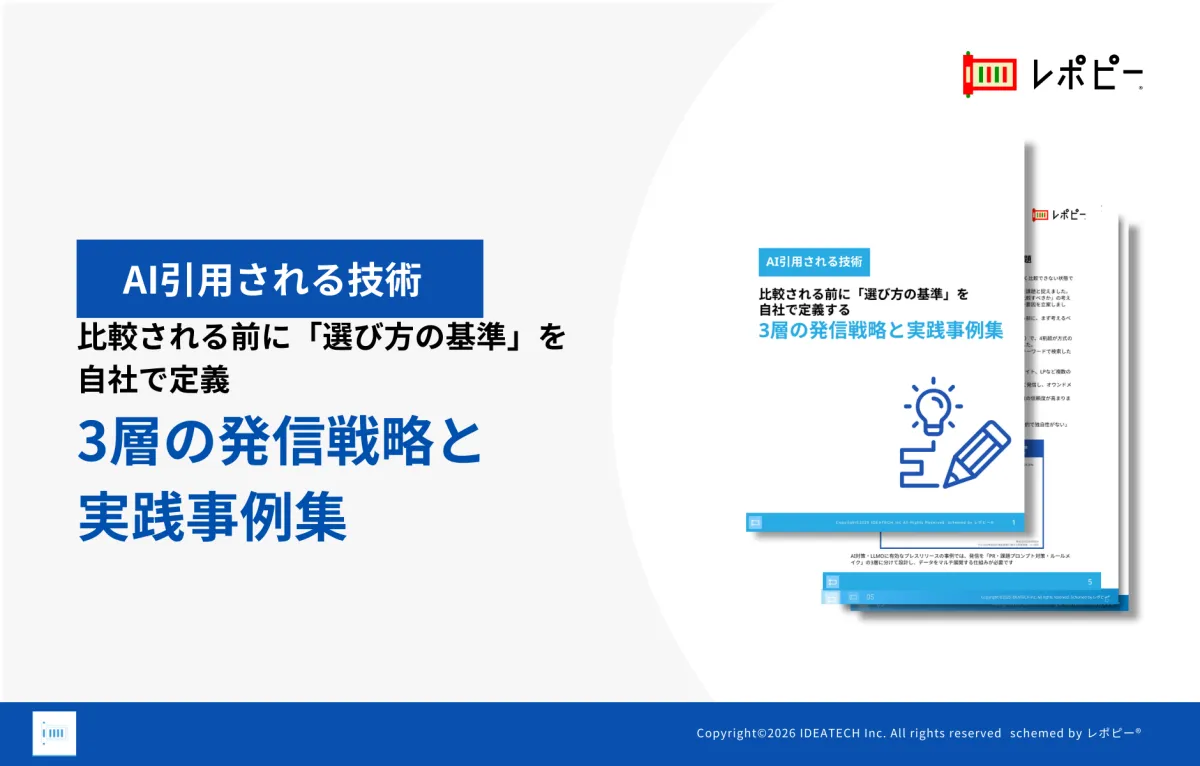
Explore the Three-Layered Communication Strategy by IDEATECH for AI-Effective Press Releases
Introduction
The communication landscape has drastically changed with the rise of AI, necessitating new strategies to ensure companies are cited by AI systems. Traditional media relations-focused approaches are no longer sufficient. IDEATECH, a leader in one-stop report marketing solutions, has released a free guide detailing the three-layered communication strategy that defines unique standards for effective information dissemination.
Overview of IDEATECH's Report
IDEATECH, based in Minato City, Tokyo, Japan, is known for its innovative report marketing service, "Repopi," aimed at creating impactful white papers. Their latest publication, titled "Three-Layered Communication Strategy and Case Studies," addresses the current gap in generating press releases that can be effectively cited by AI. This article will outline the significant findings of IDEATECH's comprehensive research and its implications for PR professionals.
Key Points in the Guide
The released guide emphasizes three crucial aspects:
1. Differences in Press Release Design: The document highlights the design nuances between press releases that AI cites and those that it doesn't, utilizing real-life examples.
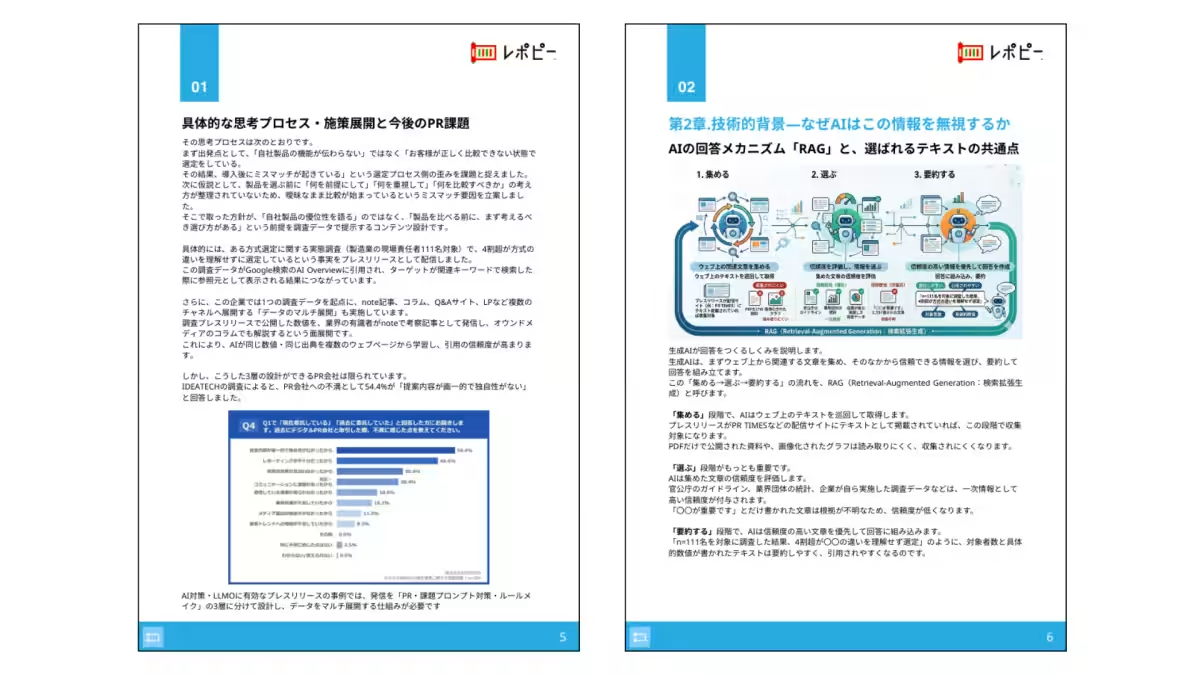
2. Three-Layered Communication Framework: The guide systematically outlines a tri-layer approach focusing on PR, issue prompt strategies, and rule-making. This framework is vital for adapting to the evolving paradigms of AI-driven content consumption.
3. Practical Case Studies: It includes case studies from a manufacturing SaaS enterprise, showcasing the exact production processes of a research release cited in Google AI Overview as a reference.
Unveiling Unique Insights
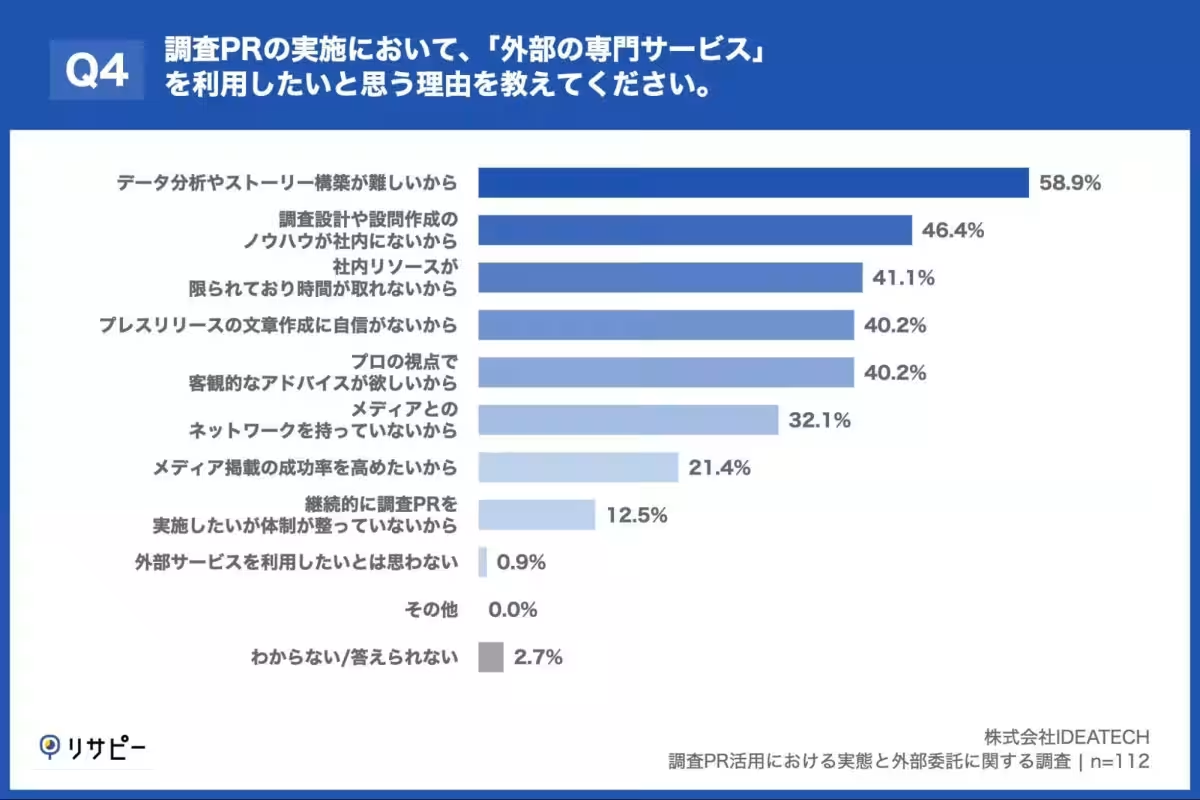
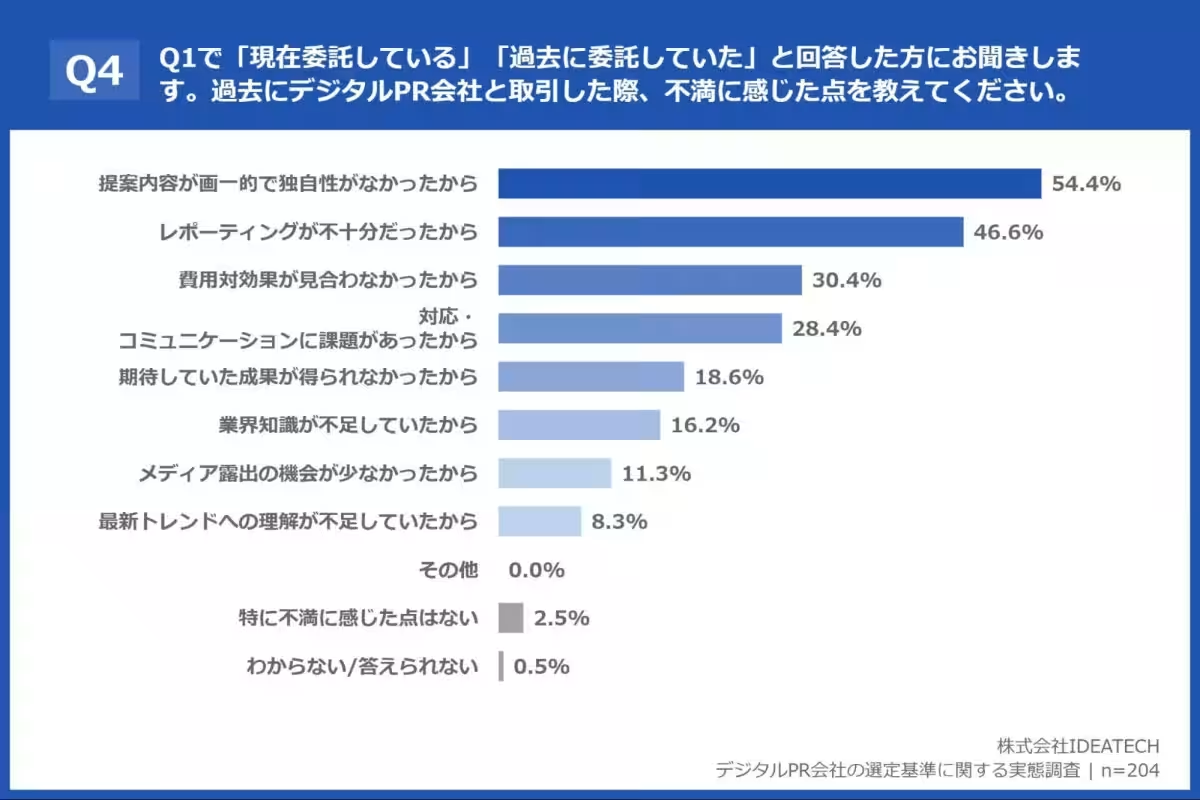
Recent findings from IDEATECH's internal survey involving 204 participants reveal a troubling trend within PR agencies:
- - A staggering 54.4% of respondents expressed dissatisfaction with PR firms due to uniform and unoriginal proposal content.
- - The survey also identified that 59.8% of businesses grapple with the complexities of creating research surveys (questionnaires and answer options).
These results underline the necessity for a robust three-layer strategy that encompasses not only PR but also advanced prompt strategies and rule-making mechanisms essential for addressing issues that cannot be tackled solely through media relations.
The Three-Layer Communication Strategy Explained
The three-tiered approach includes:
1. Layer One - PR (Media-Focused): This foundational layer aims to acquire visibility and trust through newsworthy research releases that produce articles read by humans.
2. Layer Two - Issue Prompt Addressing (AI-Focused): Recognizing the vocabulary and inquiry styles used by the target audience when interacting with AI. This involves producing information to fulfill unaddressed needs identified through analysis of AI's citation trends.
3. Layer Three - Rule-Making (AI-Centric): Companies are encouraged to delineate what criteria should be established prior to comparison of products. This layer systematically creates the preconditions for choices based on researched data.
Recommendations for PR Professionals
This guide is particularly beneficial for those in PR and marketing who feel their press releases fail to capture AI citations thoroughly. The transition from simply understanding LLMO to actively implementing a dynamic three-layer communication strategy is paramount. Notable recommendations from the guide include:
- - Strategizing to ensure that press releases are designed as one-off documents that fulfill AI's data criteria – involving providing quantitative datasets, methodology, sample sizes, and publication dates to enhance credibility.
- - Multiple avenues for data presentation should be used, such as white papers, social media posts, and newsletters, to maximize online presence and ensure that AI sources data from various platforms.
Conclusion
IDEATECH’s insights come at a crucial time when digital PR is being defined anew in an era dominated by AI. The three-layered communication strategy can empower brands to establish their unique criteria for information dissemination and ensure they remain relevant in AI algorithms. By following the outlined methodologies and principles, PR professionals can refine their practices and significantly improve their chances of being cited by AI systems.
Download the Guide
For those interested, the full guide can be accessed for free at the following link: Three-Layered Communication Strategy Guide
Topics Business Technology)
【About Using Articles】
You can freely use the title and article content by linking to the page where the article is posted.
※ Images cannot be used.
【About Links】
Links are free to use.