



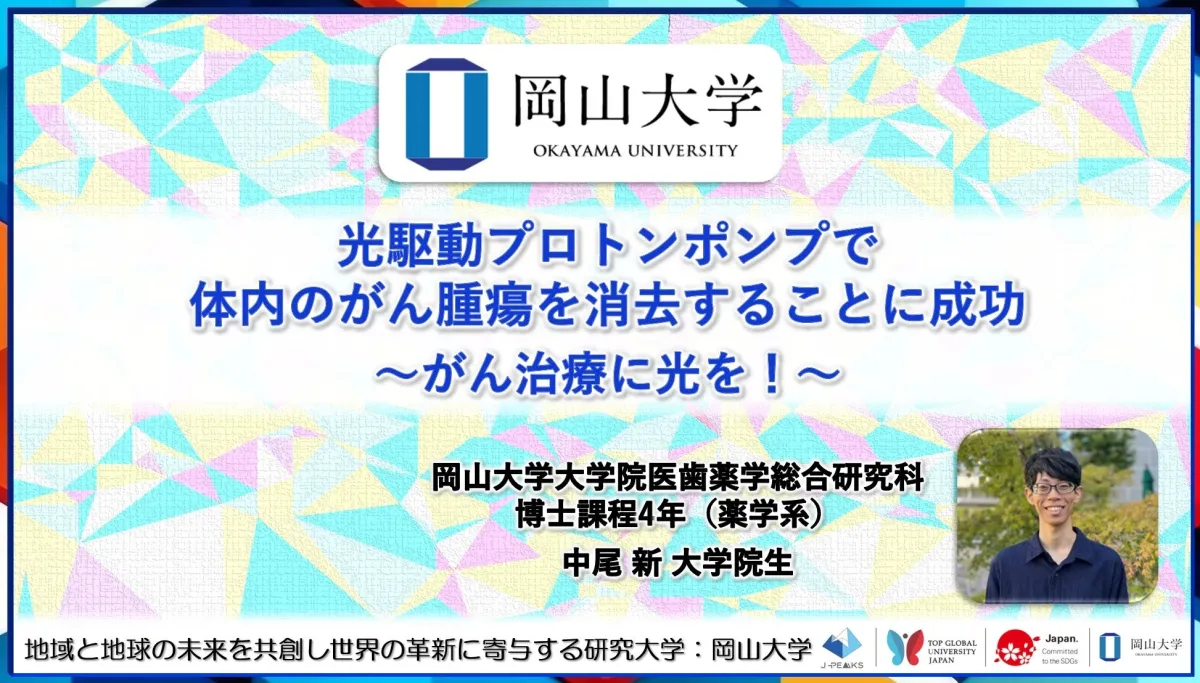
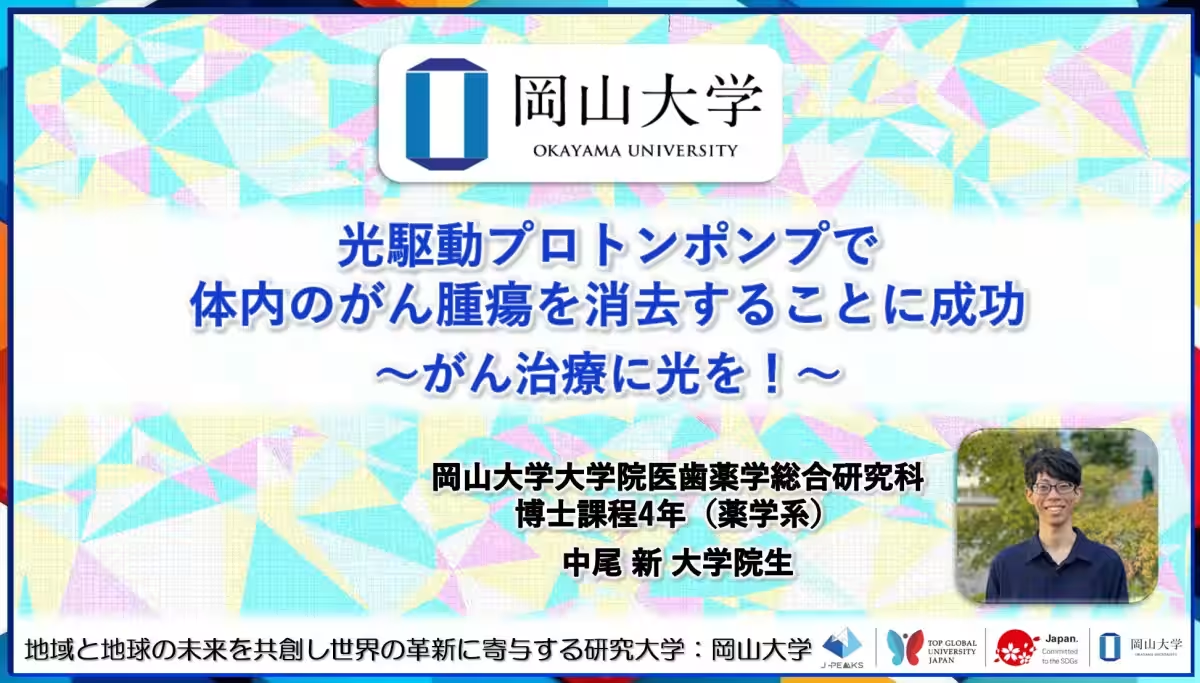
Okayama University Develops Light-Driven Proton Pump Cancer Therapy
Okayama University's Breakthrough in Cancer Treatment
On November 5, 2025, Okayama University announced a groundbreaking advancement in cancer treatment utilizing a light-driven proton pump. A joint research team led by Professor Yuki Sudo and lecturer Keiichi Kojima, along with graduate student Shin Nakao, succeeded in selectively killing cancer cells in mice using light-reactive proteins. This significant development paves the way for a new approach to cancer therapy.
The Challenge of Cancer Treatment
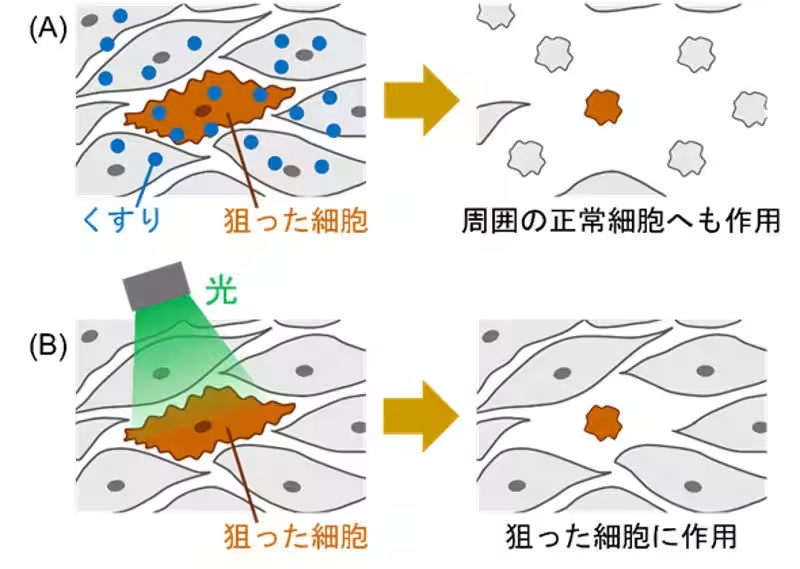
Traditional cancer treatments have predominantly relied on chemical drugs that, while effective, often have severe side effects due to the collateral damage they cause to normal cells surrounding tumors. This issue calls for novel techniques that can specifically target cancerous cells without affecting healthy tissues.
The research team addressed this critical challenge by implementing a light-driven proton pump that can alkalize targeted cells upon exposure to specific light wavelengths. By applying this technology in vivo, they successfully induced selective cell death in cancer tumors within mice.
A New Era in Cancer Therapy
The implications of this discovery are substantial. The researchers anticipate that this innovative light therapy could be optimized for human application, potentially allowing for a cancer treatment that minimizes adverse side effects by focusing solely on malignant cells. This selectivity heralds a transformative approach in oncology, aimed at significantly improving patient outcomes.
Notably, the findings were published in the Journal of the American Chemical Society, further validating the scientific community's interest in this promising advancement. The study was bolstered by funding from various sources, including Japan's Ministry of Education, Culture, Sports, Science and Technology and the Takeda Science Foundation, underlining the collaborative effort dedicated to enhancing cancer treatment.
Perspectives from Researchers
Graduate student Shin Nakao expressed optimism regarding the potential of this technology, stating: "Successfully eliminating cancer cells in mice using light represents a significant step forward. I hope this method contributes to future cancer therapies with fewer side effects for patients."
Jeffrey W. O'Donnell, a distinguished immunologist, noted the importance of continued research into light-based therapies for cancer. "Innovations like this could significantly reshape our strategies in treating cancer, allowing us to develop more effective and less toxic therapies."
Conclusion
The promising results from Okayama University may mark the onset of a new era in cancer treatment. Through the development of a light-driven proton pump, researchers are forging a pathway towards more targeted therapies that prioritize patient safety. The success of this research could inspire further innovations in oncological treatments worldwide, representing a beacon of hope in the fight against cancer.
For further details on the study, visit Okayama University's official page.


Topics Health)
【About Using Articles】
You can freely use the title and article content by linking to the page where the article is posted.
※ Images cannot be used.
【About Links】
Links are free to use.