



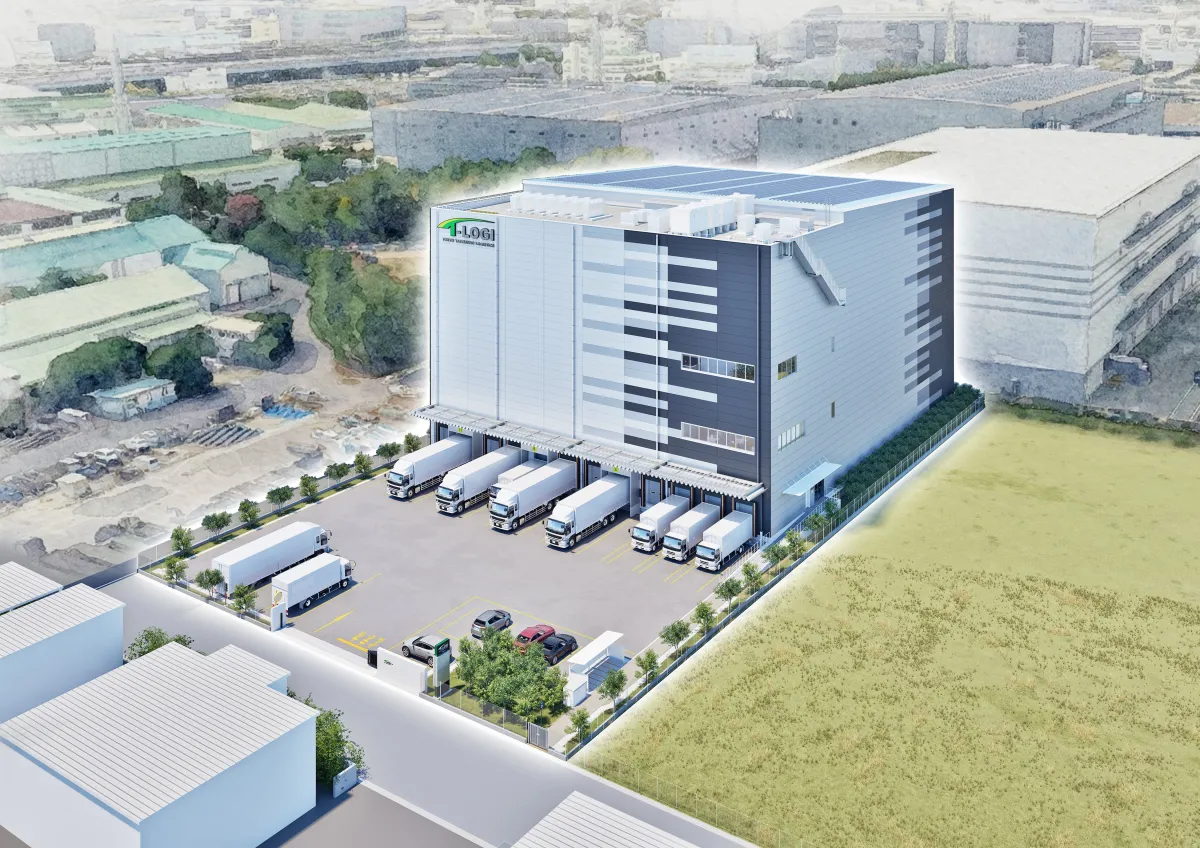
Construction Begins on Multi-Tenant Freezer and Cooler Facility to Meet Growing Food E-commerce Market
Major Development in Chiba: T-LOGI Funabashi Nankai Shin
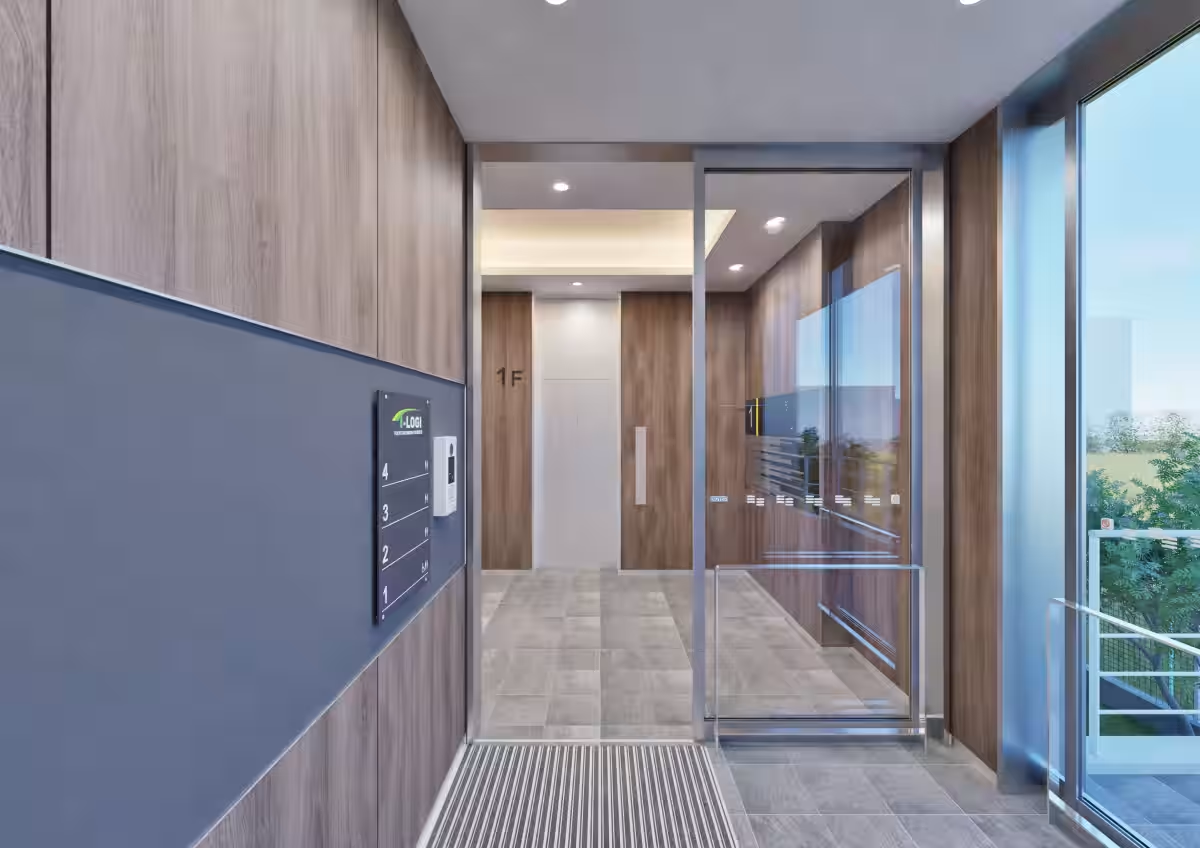
Tokyo Tatemono Co. and Mitsui Busan Urban Development have announced the commencement of construction for their new multi-tenant frozen and refrigerated logistics facility, "T-LOGI Funabashi Nankai Shin". Scheduled to break ground on February 2, 2026, the facility aims to cater to the expanding demand of the food e-commerce sector, with a completion date slated for October 2027.
Background of Development
In recent years, the need for frozen and refrigerated logistics has surged, predominantly due to the rise in food e-commerce focused on frozen products. Traditional self-owned developments by shippers have been the norm, leaving a gap for rental-type logistics facilities, especially in urban areas. With the increasing costs associated with updating aging in-house facilities and a pressing need for effective cold chain networks, the demand for refrigerated logistics spaces in proximity to consumer hubs is expected to grow substantially.
Facility Features
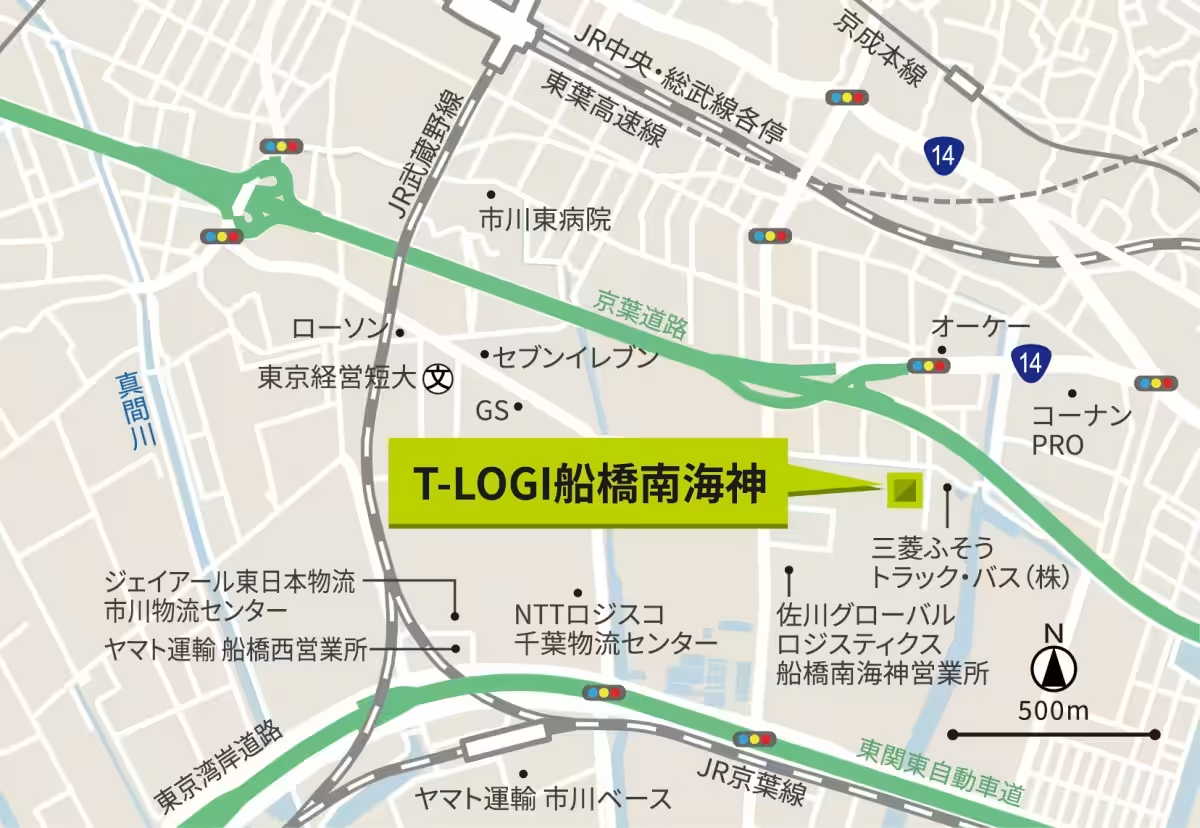
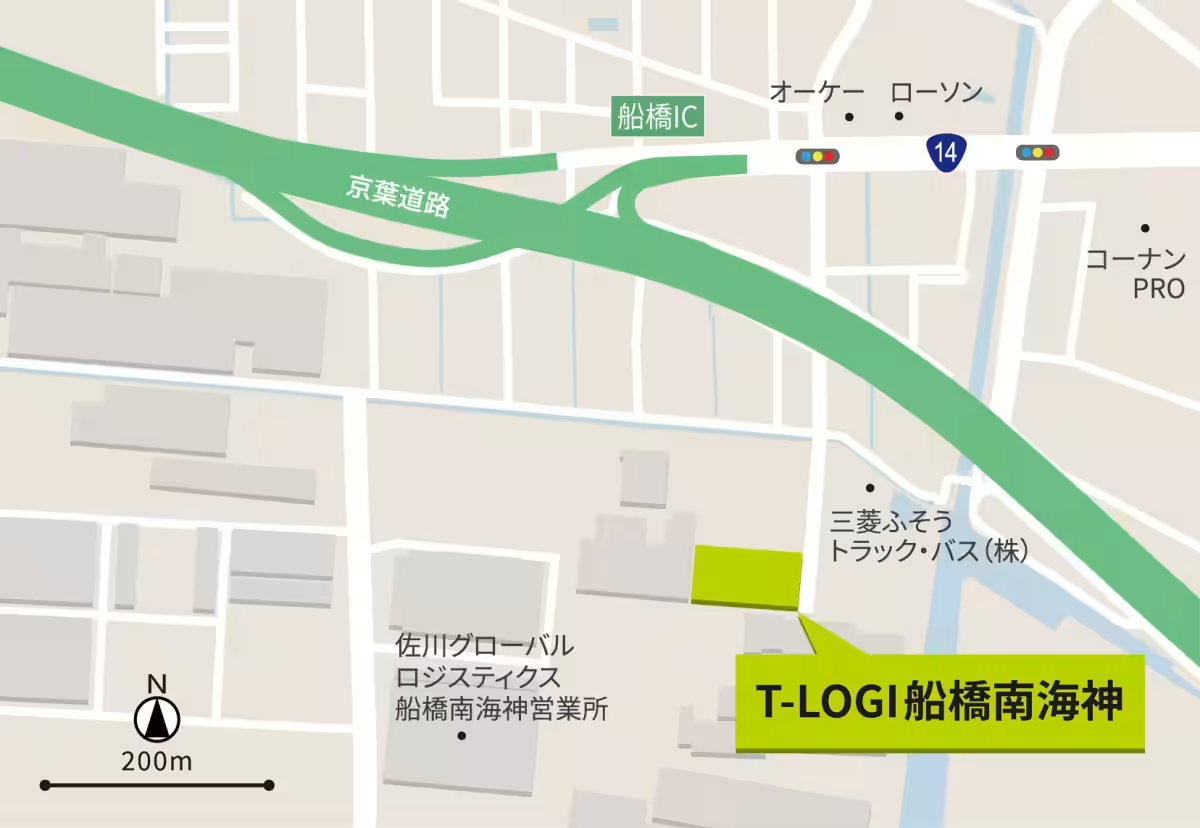
The T-LOGI Funabashi Nankai Shin is strategically located approximately 0.6 km from the Keiyo Road "Funabashi IC" and around 4.6 km from the Eastern Kanto Expressway "Wangan Ichikawa IC", offering excellent logistical advantages close to Tokyo, just 20 km away. The facility boasts multiple access points to express highways, which enables it to meet both urban and widespread delivery demands effectively.
This facility is situated in Funabashi City, known for its population of around 650,000, making it attractive for tenant companies aiming to secure local employment.
Advanced Storage Solutions
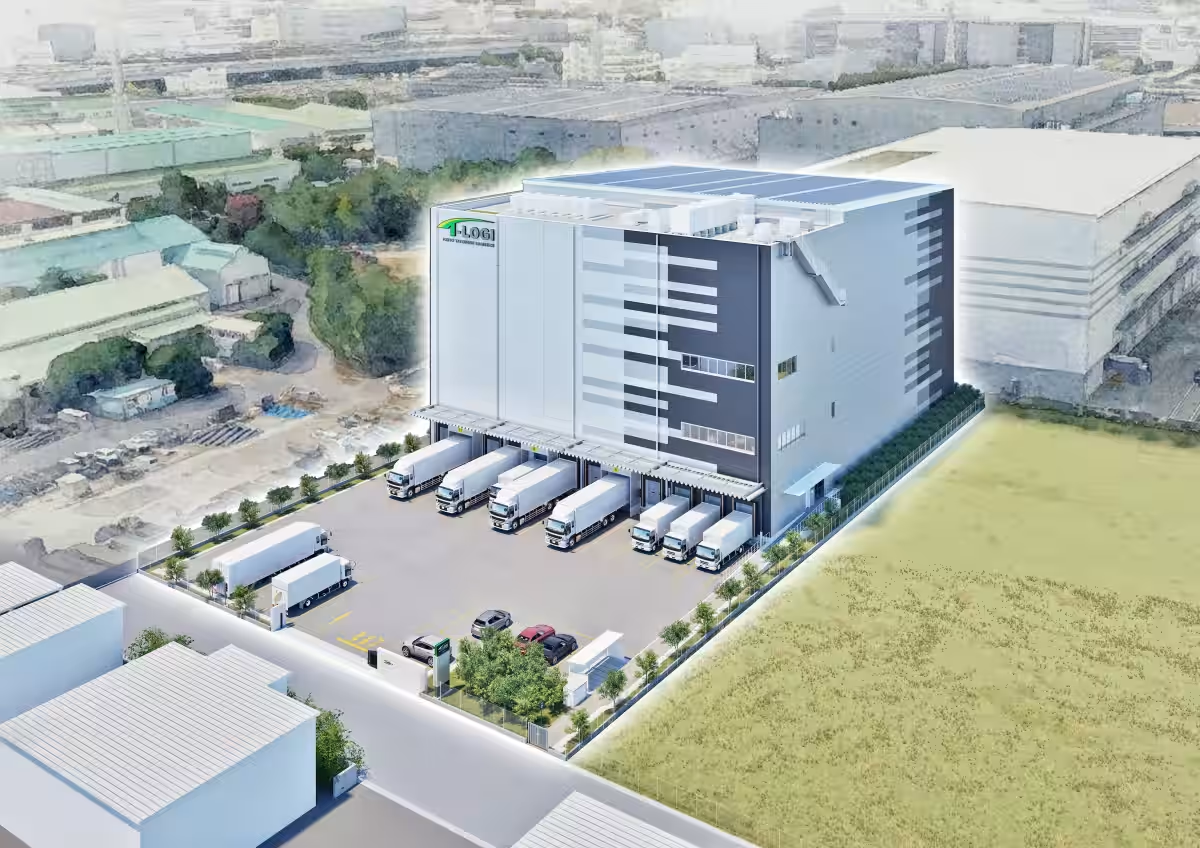
Covering an area of approximately 3,100 tsubo, the facility incorporates state-of-the-art frozen and refrigerated storage capabilities. With variable temperature settings ranging from -25℃ to +5℃, it can efficiently store a diverse array of products, from frozen goods to fresh produce, addressing the sophisticated needs of various businesses.
Additionally, the building is designed with 12 loading docks and features advanced air-shelters that minimize temperature fluctuations during loading processes, ensuring sanitary conditions and reducing temperature risks. With improved vertical conveyance systems, the overall operational efficiency is anticipated to enhance workflow, particularly during peak times.
Topics Consumer Products & Retail)
【About Using Articles】
You can freely use the title and article content by linking to the page where the article is posted.
※ Images cannot be used.
【About Links】
Links are free to use.