



Daito Kentaku Launches First Urban Development Project in Takaoka
Daito Kentaku Initiates First Urban Development Project in Takaoka
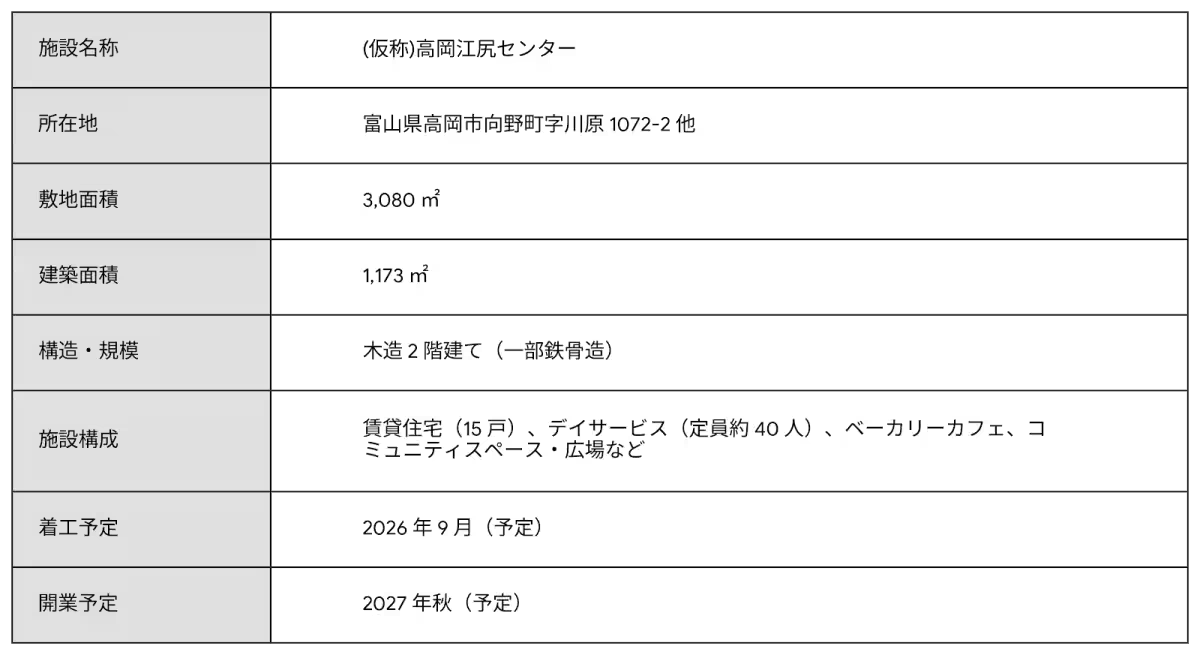
Daito Kentaku Co., Ltd., headquartered in Minato-ku, Tokyo, led by CEO Hiroshi Takeuchi, has recently launched its first urban development initiative—the Takaoka Ejiri Center Project. This ambitious project aims to foster sustainable urban development and enhance the value of the entire community. Scheduled to commence construction in September 2026, the project will focus on building a mixed-use facility that integrates rental housing, commercial activities, welfare services, and community interaction.
The Takaoka Ejiri Center will serve as a pivotal center for community engagement, showcasing a unique approach to urban development that is noteworthy for Daito Kentaku as it marks the company's first nationwide endeavor along these lines. Slated to open in autumn 2027, this facility will provide a welcoming environment for residents and visitors alike, thereby promoting a vibrant community culture.
Objectives and Approaches
Daito Kentaku has leveraged its extensive experience in the rental housing sector to address community challenges and foster sustainable urban growth. The company is adopting one of four distinct strategies for this project, including:
1. Comprehensive Municipal Development - Focusing on revitalizing entire areas based on local needs and real estate regeneration.
2. In-House Residential Development - Creating housing solutions tailored to community demographics and necessities.
3. Community Hub Development - Establishing centers that integrate rental housing with care facilities and social spaces.
4. Disaster Recovery Housing - Responding to community needs post-disaster with housing solutions.
Focusing on the unique cultural and industrial heritage of Takaoka, Daito Kentaku views the area’s strong community spirit and collaborative culture as key assets. Rather than simply constructing buildings, the company aims to nurture a new community atmosphere by working closely with residents and local stakeholders. They acknowledge the collective strength of long-established community ties and aspire to build upon these foundations to enable progressive development.
Project Features
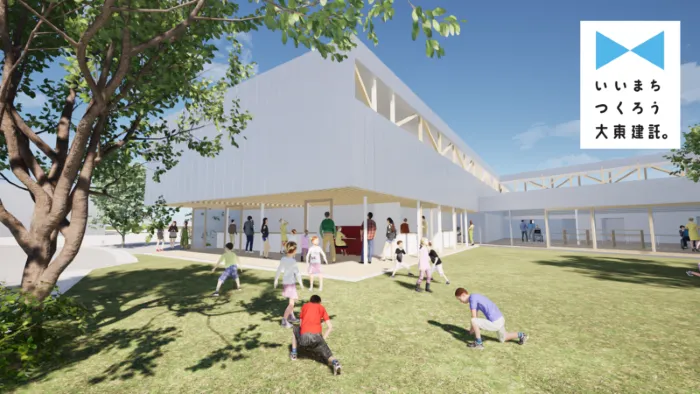
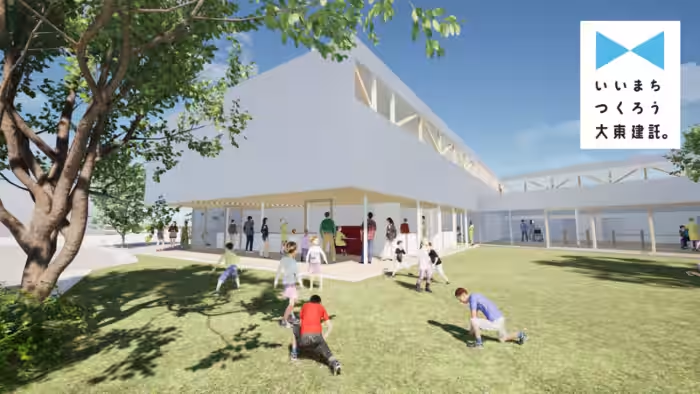
At approximately 3,000 square meters, the Takaoka Ejiri Center will incorporate 15 rental housing units, along with various amenities such as a daycare service managed by Daito Kentaku’s group company, Care Partner Co., Ltd., a bakery café, and community spaces.
Planned initiatives within the facility include a communal dining hall open to everyone and educational programs where local residents and businesses can exchange knowledge and skills. This will be achieved through close collaboration with regional government bodies, educational institutions, and other community organizations, aiming to foster intergenerational connections and facilitate community revitalization through new interactions and relationships.
The company also intends to establish a general incorporated association in the fall, which will oversee event planning, operations, and area management. By using this association as a medium for organizing activities and enhancing the regional environment, Daito Kentaku plans to implement sustained efforts to improve local value.
This initiative in Takaoka is part of Daito Kentaku's broader commitment to adapt urban development strategies across Japan, targeting specific community characteristics to resolve local issues and contribute to urban revitalization and regional growth strategies. The company's long-term vision positions it as an essential infrastructure entity dedicated to societal advancement through proactive community engagement.
Conclusion
In essence, the Takaoka Ejiri Center Project represents a noteworthy evolution in Daito Kentaku’s approach to urban development, promising far-reaching benefits for the local community. As Daito Kentaku takes pioneering steps in creating sustainable and engaging urban environments, their efforts could inspire a new wave of developments across the country. By establishing supportive frameworks for community interaction, they aim to empower local residents and create a dynamic, collaborative living space for all.
Topics Consumer Products & Retail)

【About Using Articles】
You can freely use the title and article content by linking to the page where the article is posted.
※ Images cannot be used.
【About Links】
Links are free to use.