



Awareness of Lipomas: Patients' Insights on Early Diagnosis and Distinction from Atheromas
Understanding Lipomas and Atheromas: A Recent Survey Analysis
Lipomas, which are benign tumors formed by the proliferation of fatty cells beneath the skin, are often misunderstood, especially in distinguishing them from atheromas. A recent survey conducted by IC Clinic, specializing in skin tumors and surgery, focused on awareness levels surrounding lipomas among individuals aged 20 to 60 across Japan. The findings reveal alarming statistics regarding recognition and treatment experiences.
Key Findings
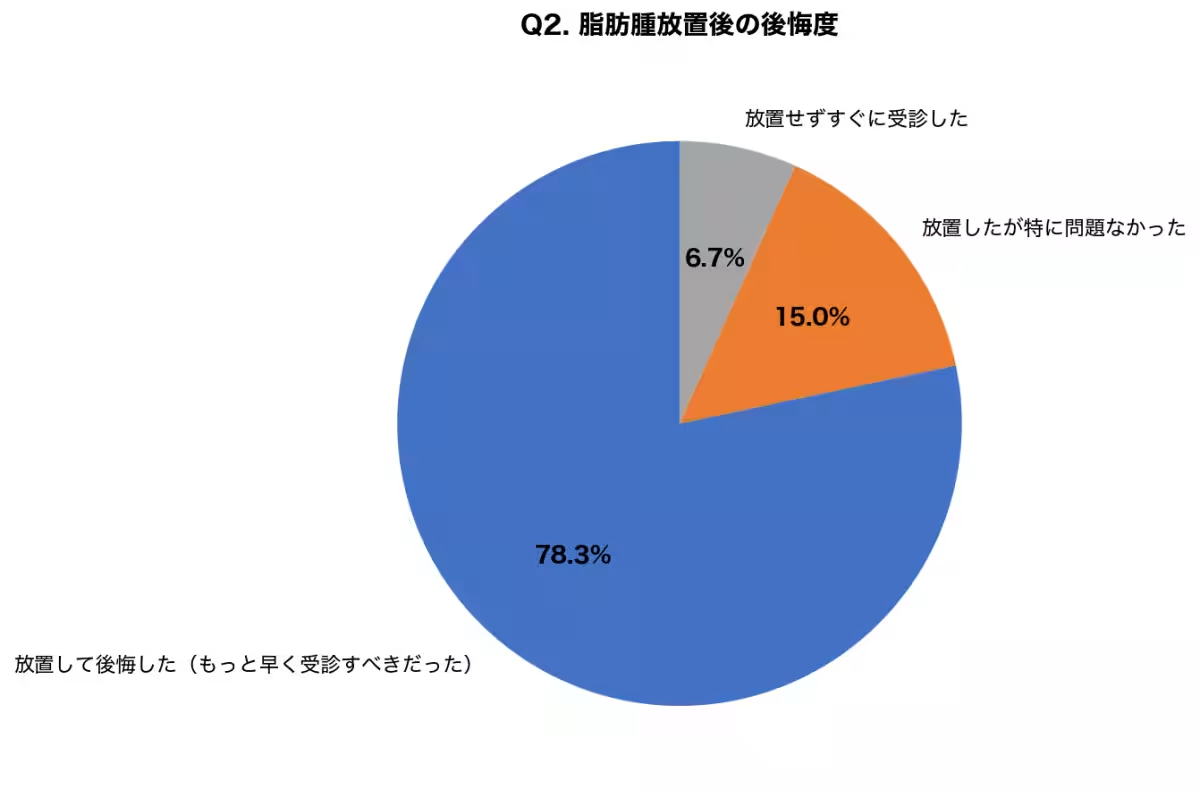
- - High Regret for Delay: A striking 78.3% of patients who have opted to delay treatment for lipomas expressed regret, wishing they had sought help sooner.
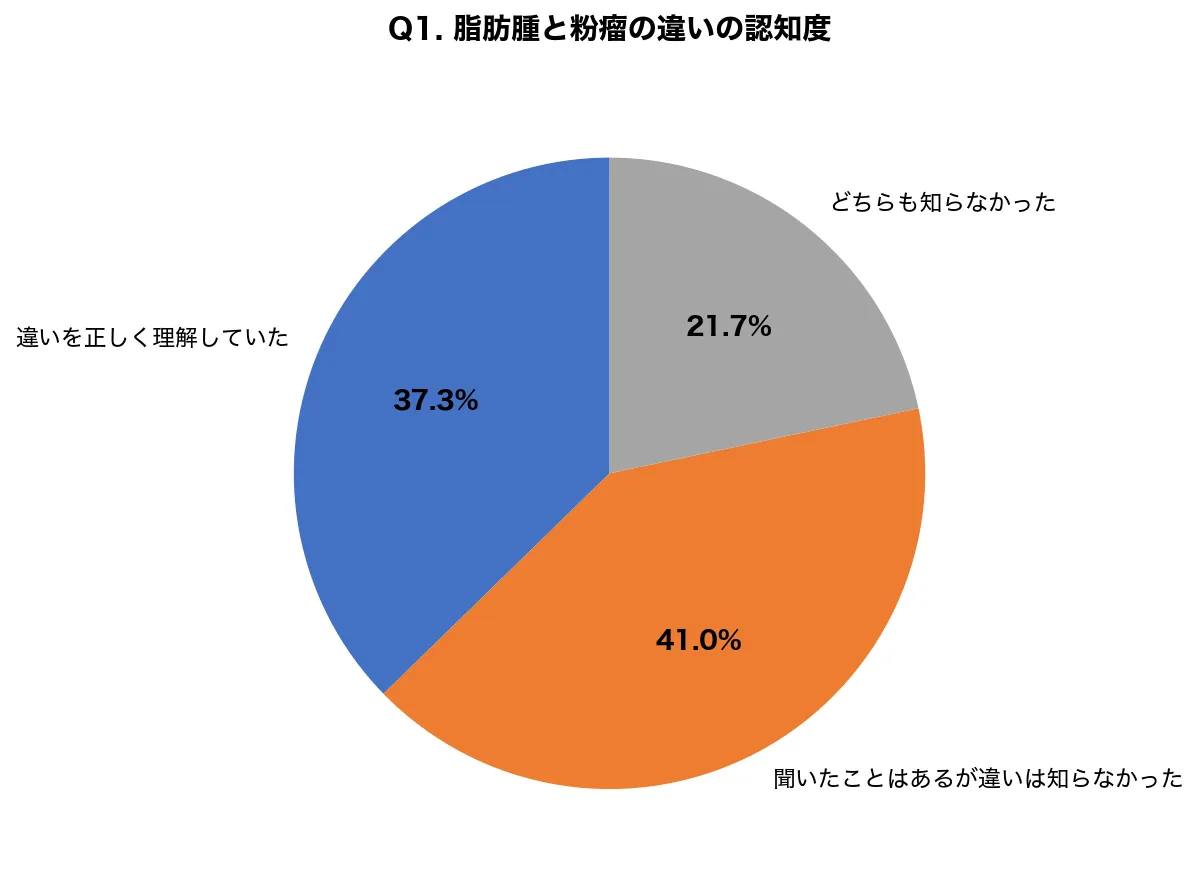
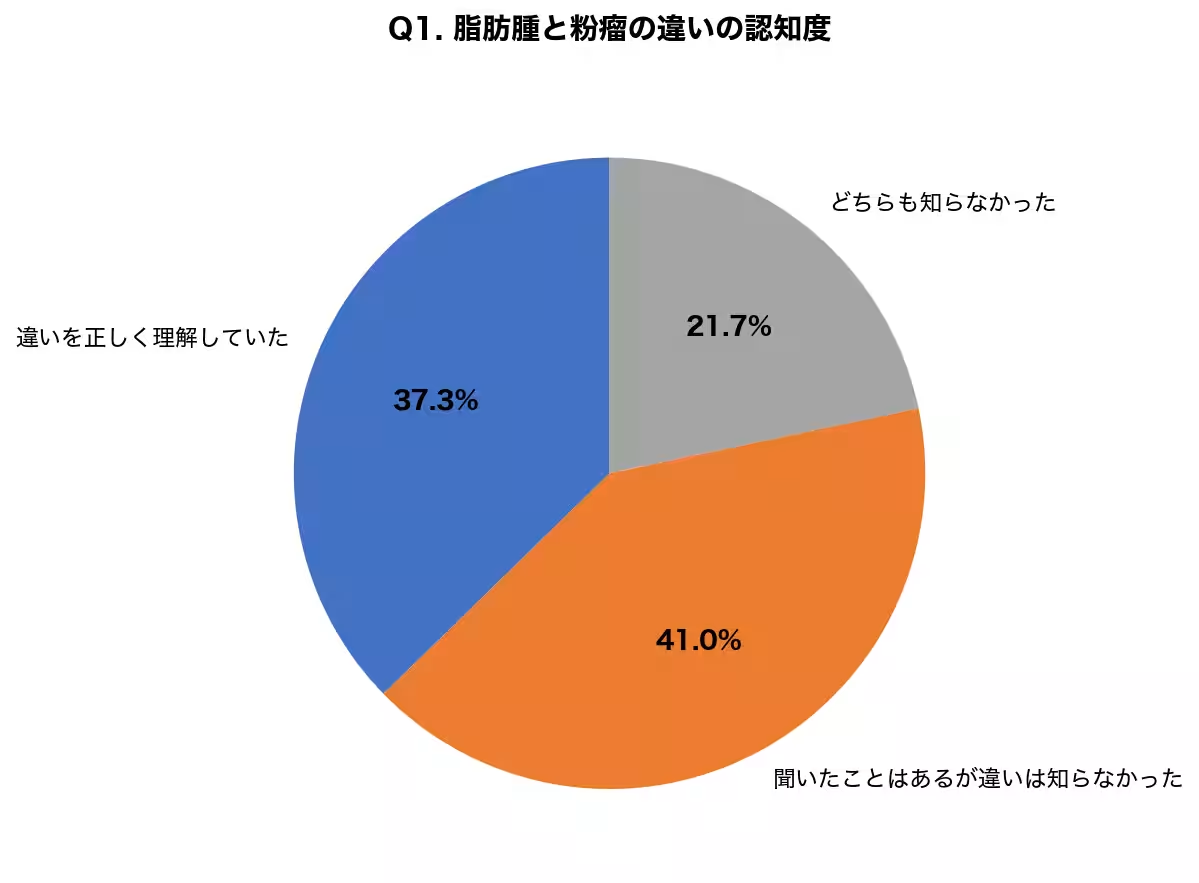
- - Lack of Knowledge: More than half (62.7%) of respondents were unaware of the differences between lipomas and atheromas, emphasizing a crucial gap in public awareness.
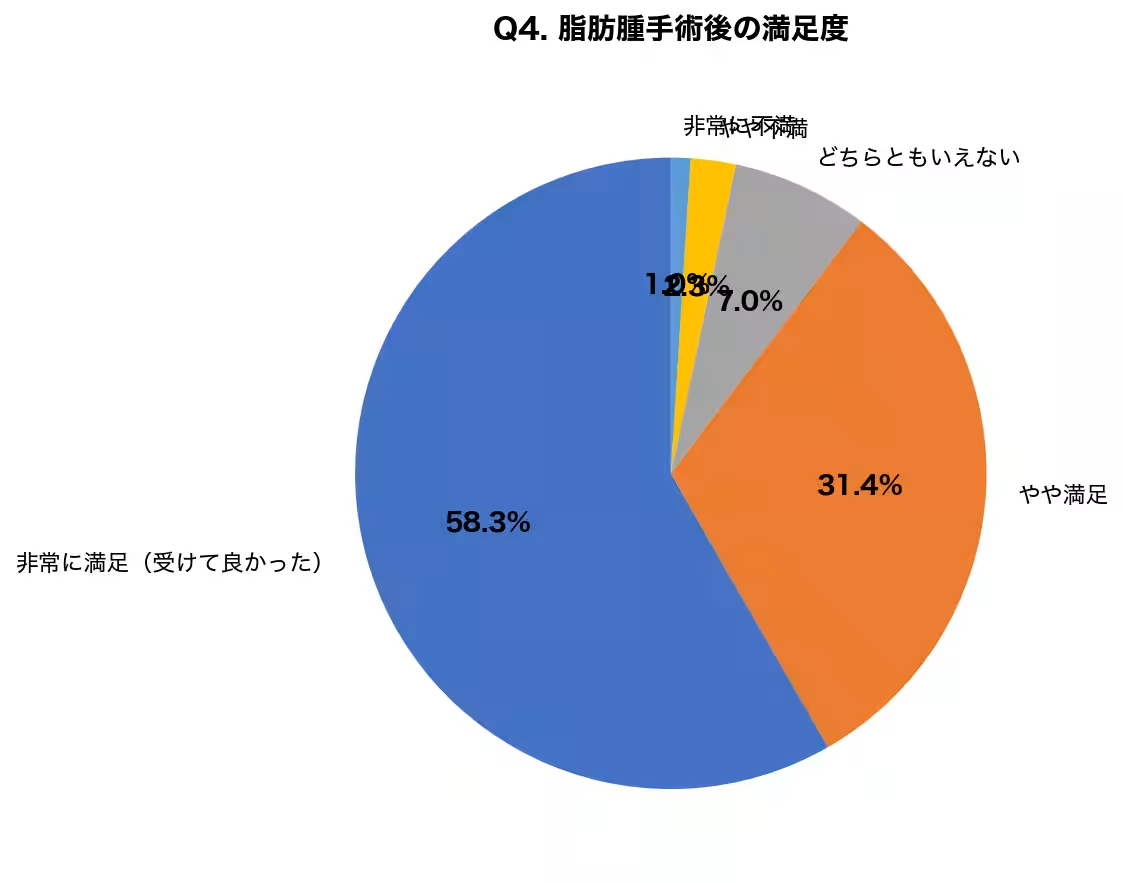
- - Satisfaction with Surgery: Conversely, nearly 89.7% of those who underwent surgery reported satisfaction with their decision, claiming they felt relieved after the excision of the lipoma.
What is a Lipoma?
Lipomas are soft, rubbery growths that typically do not cause pain. They are most commonly found on the back, shoulders, neck, and arms, especially in individuals aged between 40 and 60. While there is a minimal risk of becoming malignant, the principal concern lies in their potential to grow larger over time, necessitating more invasive surgery and leaving more noticeable scars.
Atheromas Explained
In contrast, atheromas, also known as epidermoid cysts, form when keratin and sebum accumulate in a sac-like structure beneath the skin. They are characterized by a central black dot and can become inflamed or infected, causing redness and pain. Unlike lipomas, which consist of fatty tissue, atheromas are filled with a mixture of keratin and sebum.
Survey Insights
The survey's results showed that many people confound lipomas with atheromas due to their similar appearances, leading to misdiagnosis and delayed treatment. Respondents acknowledged that understanding these distinctions is crucial for obtaining the right treatment early.
Regrets Over Delayed Treatment
Patients recounted experiences where ignoring the presence of a lipoma led to noticeable complications, such as increased size, discomfort during everyday activities, and more extensive surgical requirements. As a result, they expressed regret for delaying medical consultation amid fears of scarring and surgical pain.
Concerns About Surgery
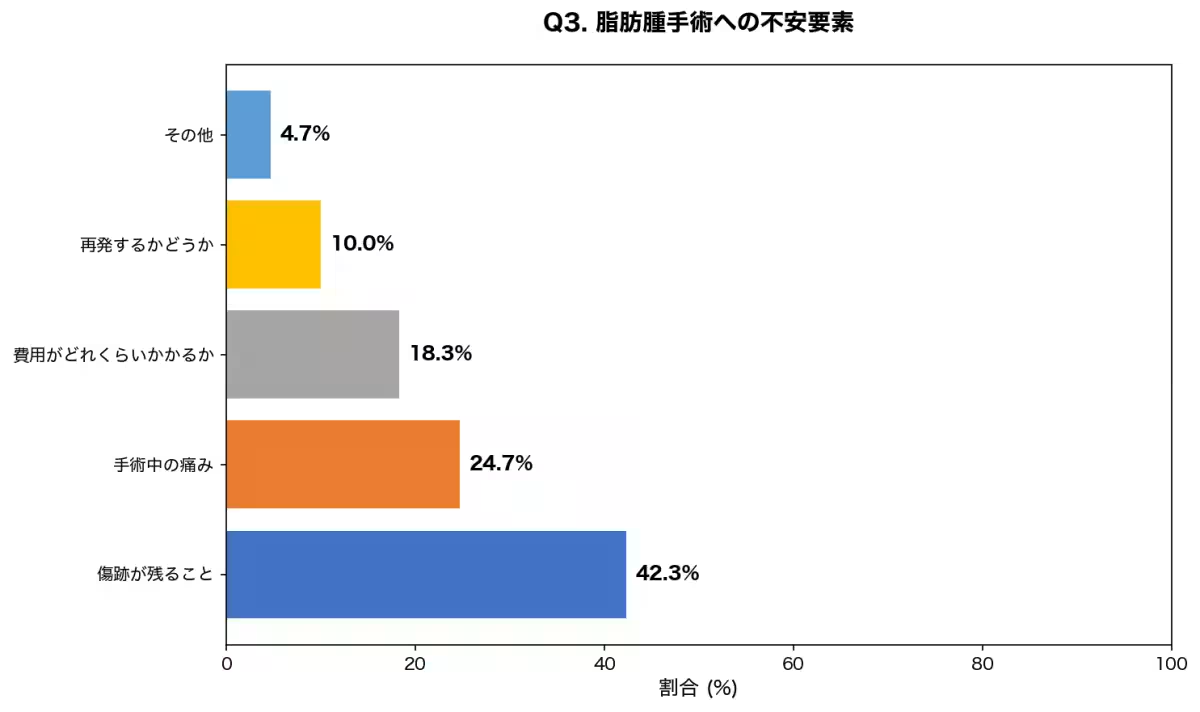
Among various concerns related to lipoma surgery, 42.3% of participants indicated that they were most worried about the potential for visible scarring. Healthcare professionals advocate for timely surgical intervention while the tumor is still small to minimize scarring and reduce the complexity of the procedure.
Importance of Early Treatment
Patients who opted for surgery reported significant relief, with many wishing they had acted sooner. The findings highlight that while lipomas are benign and urgency might not seem pressing, dynamics shift when factoring in the complications associated with increased tumor size and the potential for heightened surgical difficulty.
Practical Considerations
According to Dr. Kouta Takakuwa of IC Clinic, undergoing surgery for lipomas when they are small can greatly enhance patient outcomes, reducing both physical and emotional burdens. The surgery is performed under local anesthesia, ensuring minimal discomfort, and patients often resume regular activities shortly thereafter.
Conclusion: Addressing the Knowledge Gap
The survey results illuminate the need for increased education and awareness surrounding lipomas and their appropriate management. Patients are encouraged to consult healthcare professionals upon noticing any unusual lumps, regardless of size, to ensure timely intervention and relief.
Furthermore, with the assistance of clinics like IC Clinic, which offers specialized care and extensive experience in skin surgeries, patients can receive guidance in navigating their concerns regarding lipomas and atheromas efficiently. Ensuring accurate knowledge will empower patients to take charge of their health with confidence and clarity.
Topics Health)
【About Using Articles】
You can freely use the title and article content by linking to the page where the article is posted.
※ Images cannot be used.
【About Links】
Links are free to use.