



Expanding Children's Potential Through Inclusive Education: A Powerful Approach
Expanding Children's Potential Through Inclusive Education
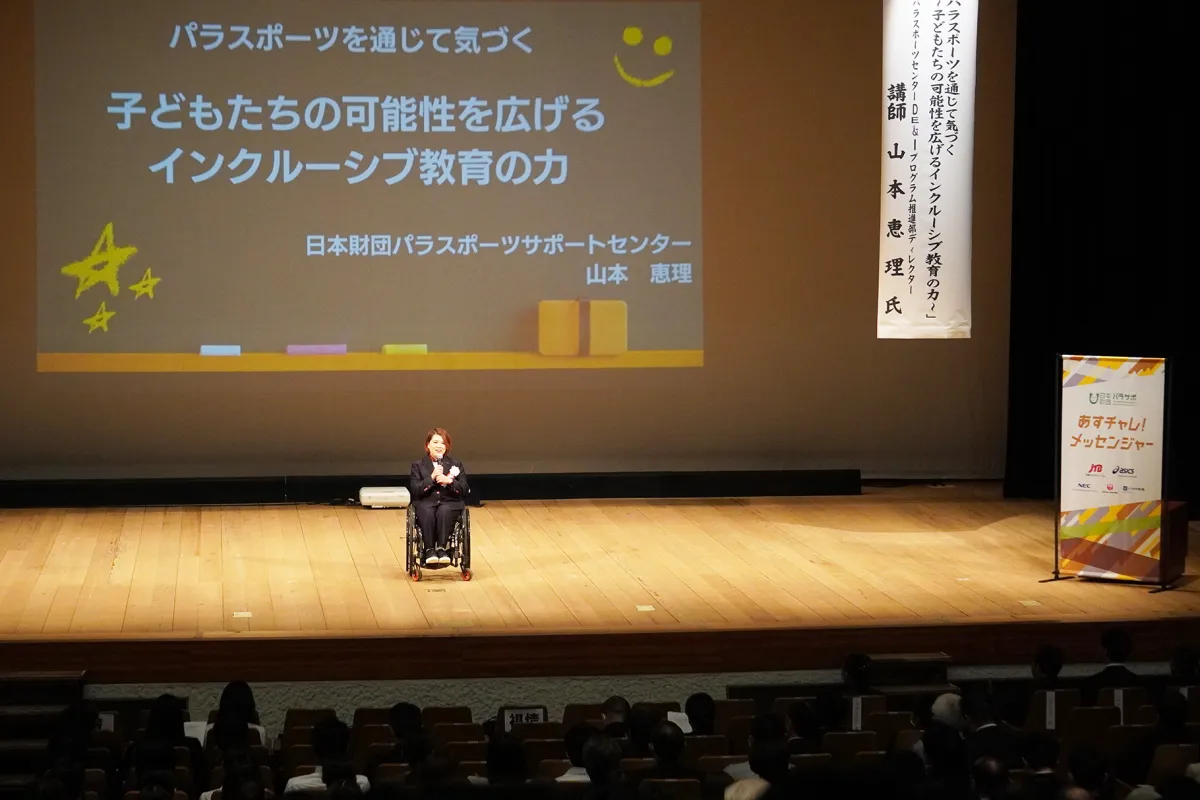
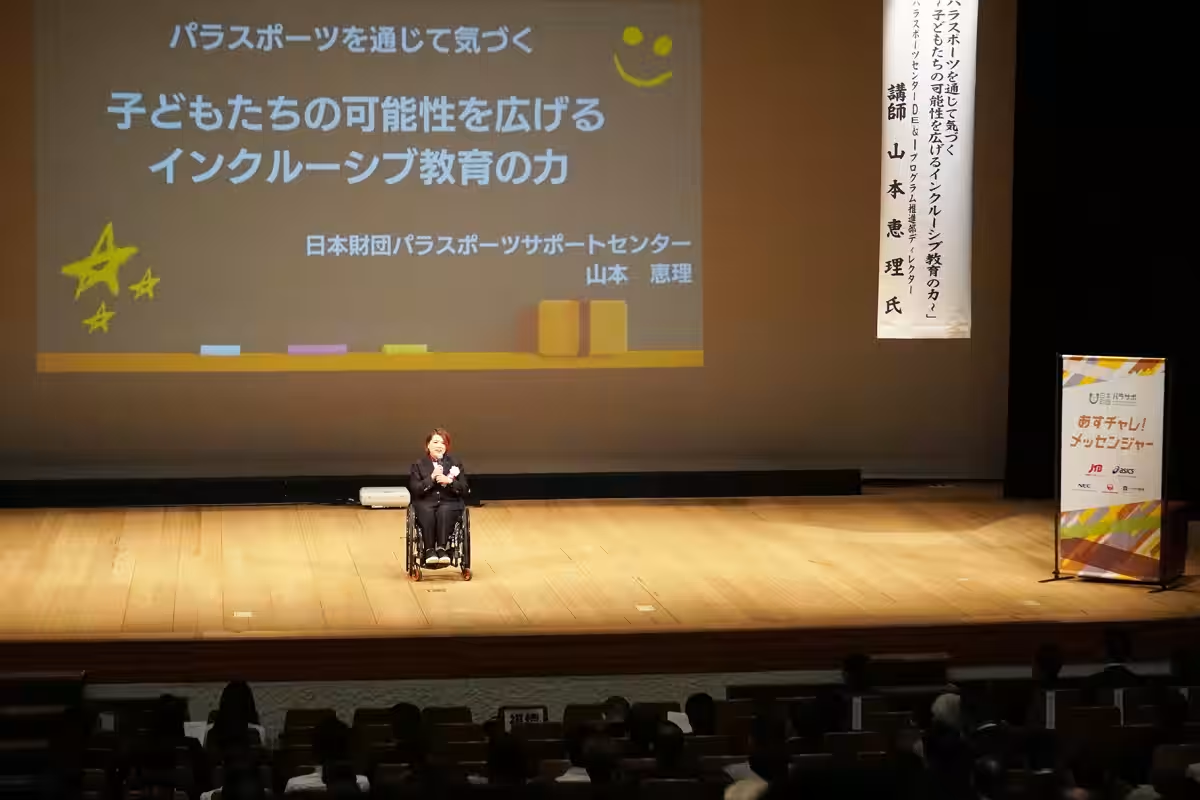
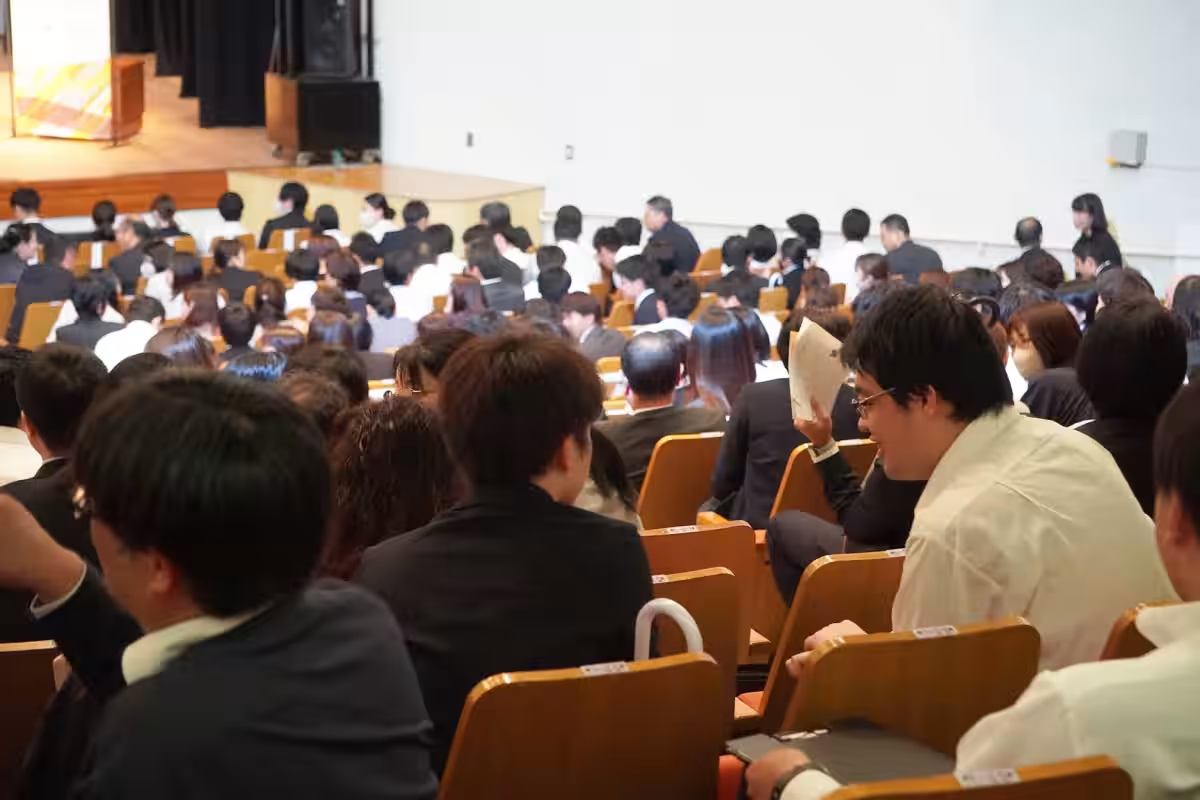
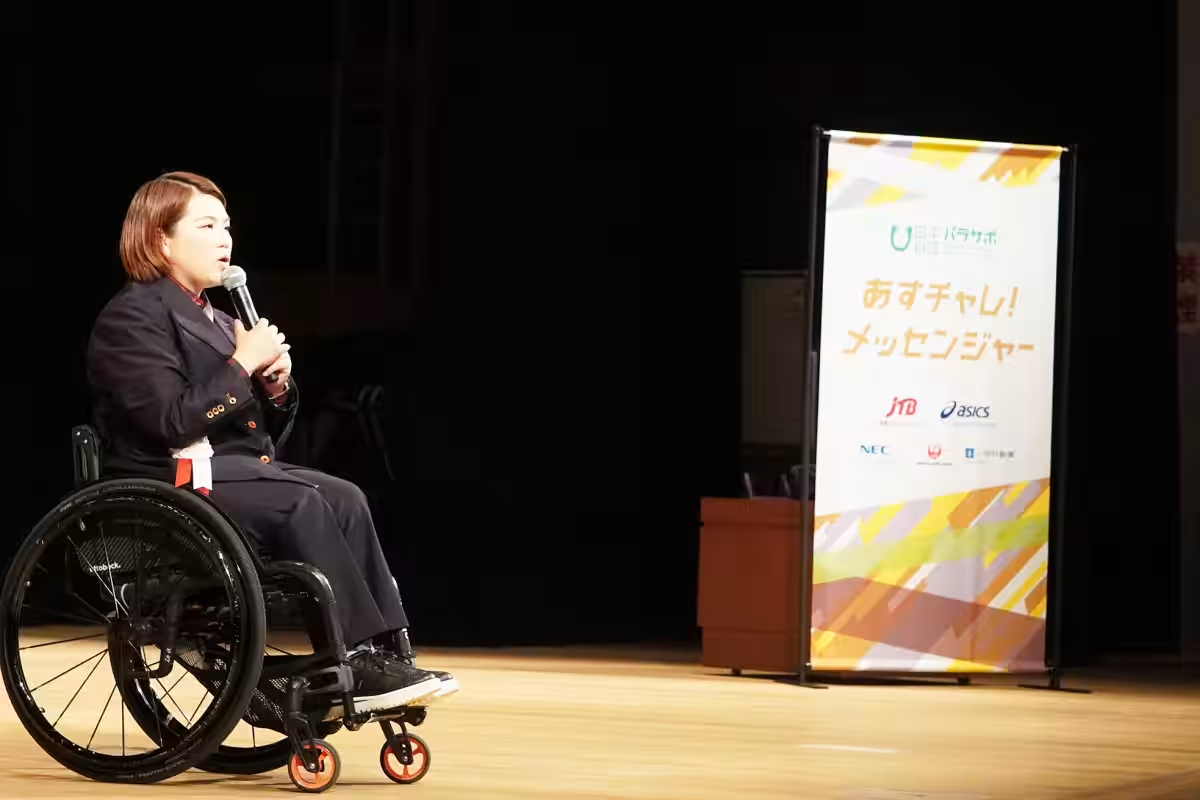
On May 17, a significant event took place at the Iida Cultural Hall in Nagano, where Eri Yamamoto, Director of DE&I Programs at the Japan Foundation Para Sports Support Center (ParasaPo), delivered a lecture themed "The Power of Inclusive Education to Expand Children's Potential through Para Sports". This event was organized for approximately 700 educators, focusing on the vital role of inclusive education in recognizing and nurturing diverse values among children.
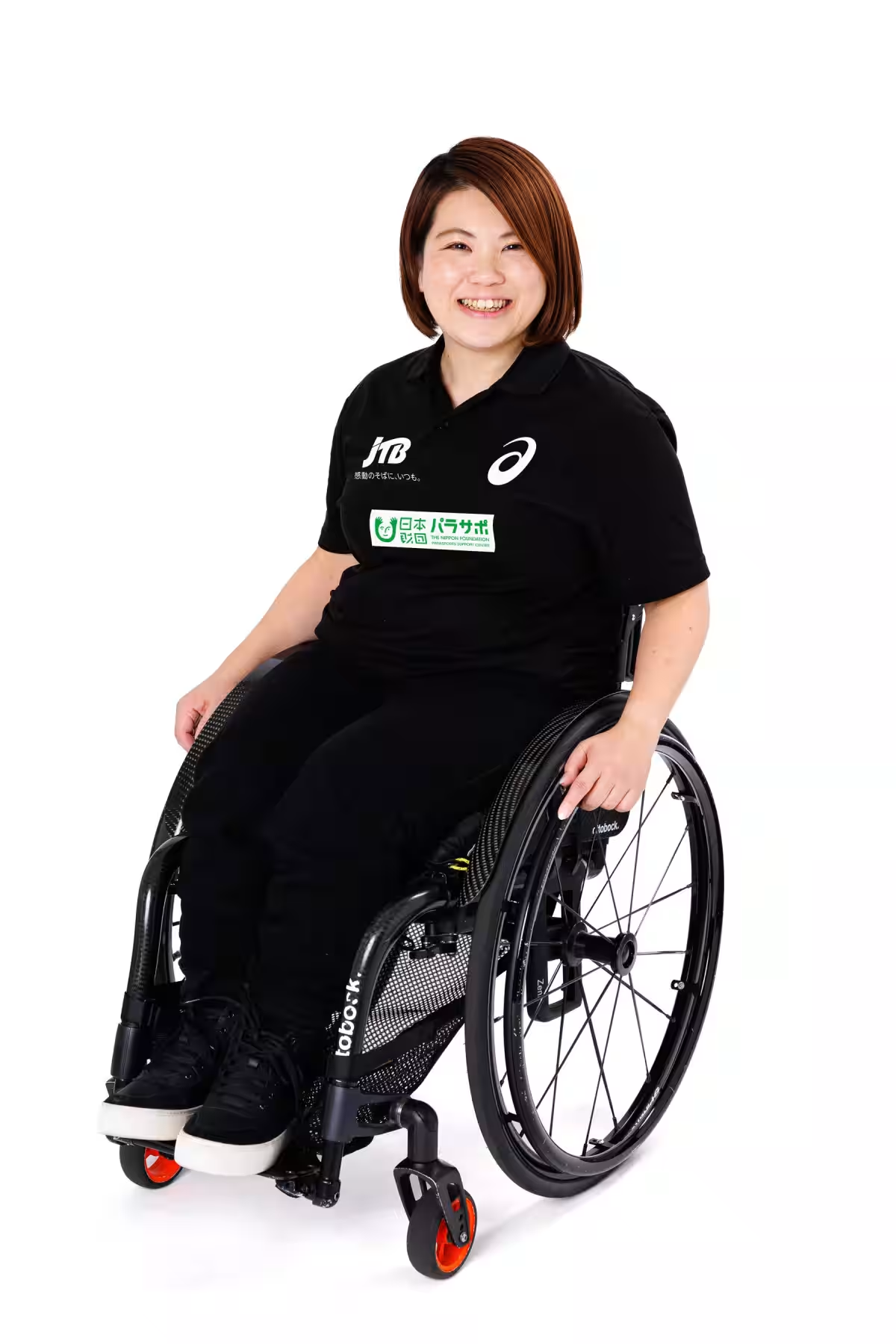
Eri Yamamoto, who has lived with congenital spina bifida and is a current para-powerlifting athlete, shared her unique perspective during the lecture. Approaching the topic with personal anecdotes, she aimed to impress the importance of embracing a variety of viewpoints in empowering children's growth.
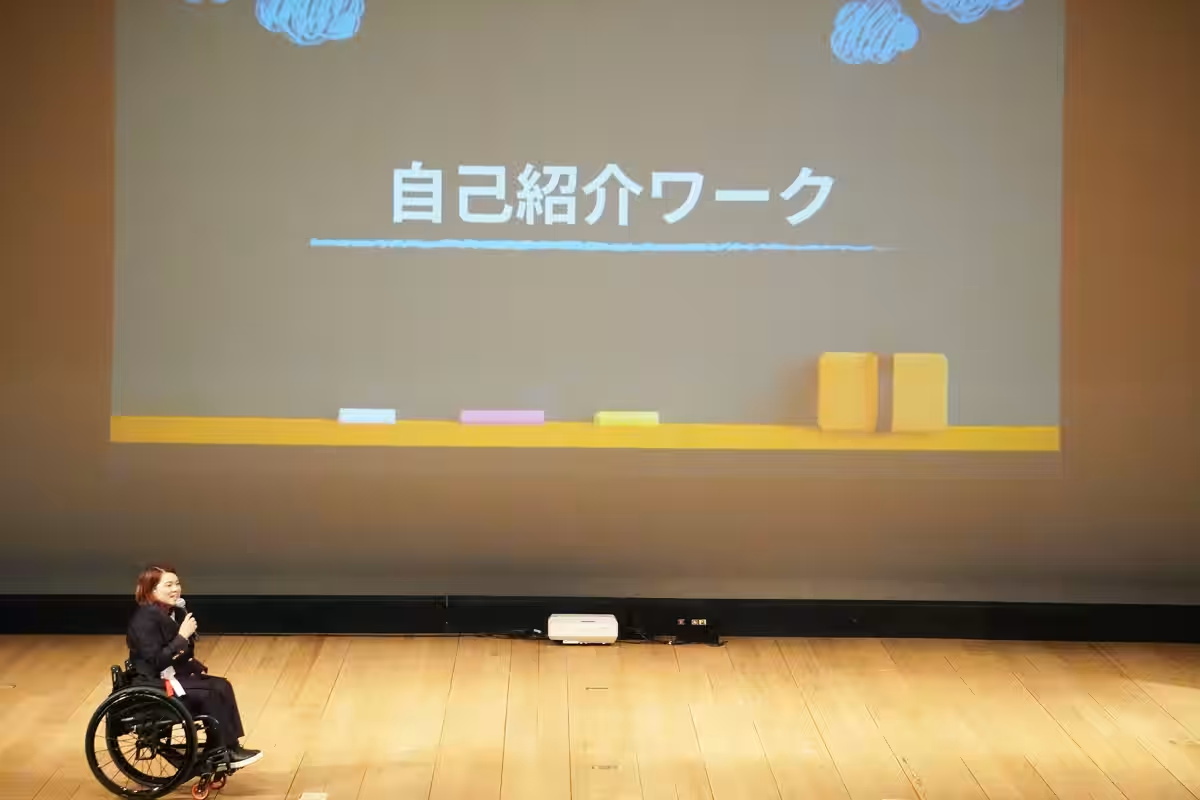
The session began with an icebreaker where all 700 participants shared their hobbies and nicknames with one another. This activity set a collaborative tone, prompting Yamamoto to pose a thought-provoking question: "What do you think constitutes a 'disability'?" Responses ranged from varying interpretations of disabilities as barriers or individual traits to more nuanced views that considered strengths.
"For me, not being able to walk or using a wheelchair isn't a disability. It’s the lack of choices that feels disabling," Yamamoto explained, making a clear connection between physical limitations and the societal opportunities available.
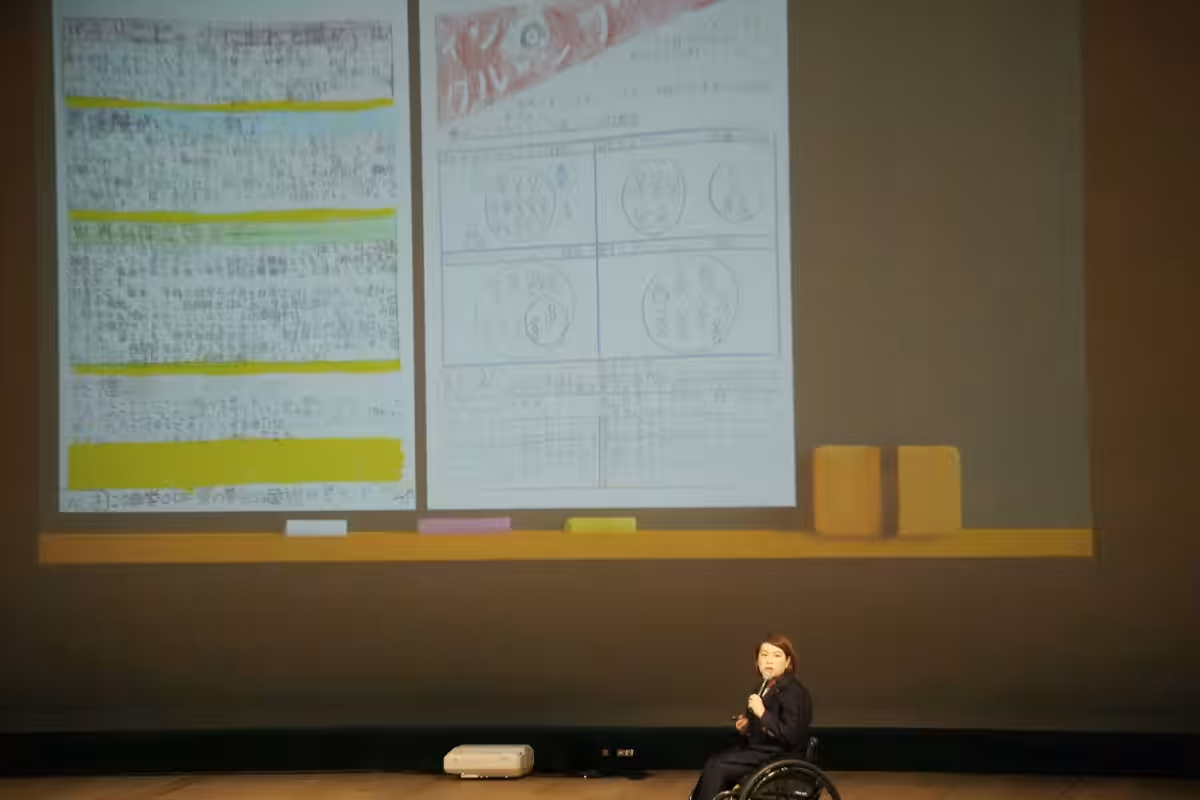
To illustrate her points, she introduced a notebook prepared by elementary students who researched inclusive education. Yamamoto emphasized that her real-life experiences could provide insights that go beyond what is found on the internet.
Drawing from her background as an elementary school student in Kobe during the aftermath of the Great Hanshin-Awaji Earthquake, Yamamoto recounted a field trip. She recalled how she inspired her classmates by negotiating with a school principal to join the group trip after being initially told that no teacher could accompany them.
"It’s essential to share your intentions and aspirations with others, allowing for mutual exchange of choices," she said. "No one envisioned that I would become an athlete or deliver a lecture in front of so many people back then, but the support from my school and teachers made these achievements possible. Today, I believe schools are already inclusive in their various teaching methods."
She also noted that inclusive education is not a one-size-fits-all scenario but rather requires ongoing experimentation. "It's important to have discussions with teachers, peers, and classmates, even if it leads to disagreement at times. The goal is to reach a consensus that everyone agrees on. By sharing experiences, we can increase choices for students and engage in meaningful dialogues, benefiting both teachers and learners."
As the lecture concluded, Yamamoto engaged in a Q&A session. One audience member inquired about strategies for identifying strengths among students. She responded, "I discovered my strengths by analyzing my weaknesses, recognizing that what we consider weaknesses often harbors potential strengths."
Another audience member asked how Yamamoto strives to become a choice for others. She shared her approach of maintaining an open mind and listening actively to understand how she could support others better.
Feedback from the attendees was overwhelmingly positive. A principal expressed that Yamamoto’s insights resonated deeply, prompting educators to reflect on their relationship with students. Her words about broadening choices struck a chord, encouraging teachers to adopt a new perspective on inclusive education going forward.
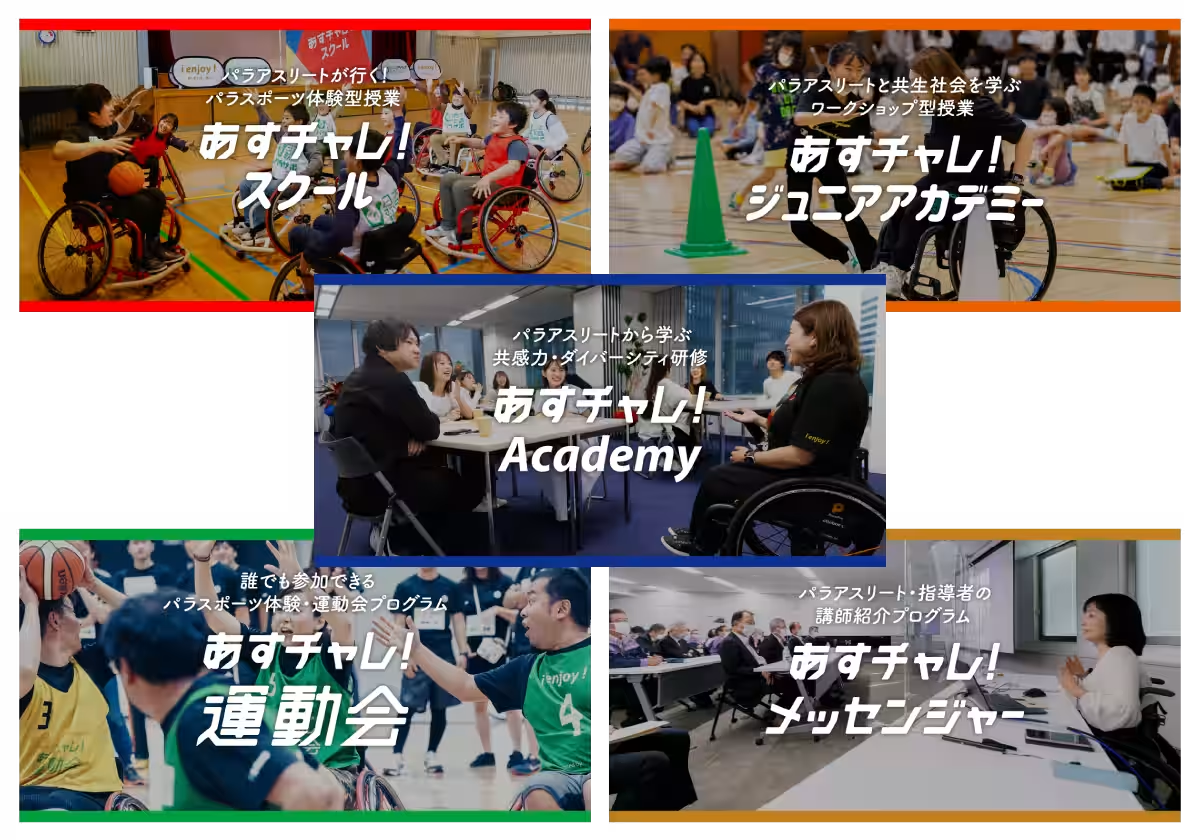
The 'Asu Challe! Messenger' program, which trains para-athletes to become speakers, reinforces the dissemination of this impactful message. Yamamoto’s lecture serves as a powerful reminder of the potential that lies in inclusive, engaging education for all children.
In sum, her reflections on the journey toward inclusivity provide valuable lessons for educators aiming to expand the horizons of their students and ensure that all children, regardless of their backgrounds, can realize their full potential. By fostering an environment of collaboration and dialogue, schools can truly become spaces where every child is empowered to thrive.
Topics Other)
【About Using Articles】
You can freely use the title and article content by linking to the page where the article is posted.
※ Images cannot be used.
【About Links】
Links are free to use.