



Innovative Garbon Printing Studio Transforms Waste into Black Ink for a Sustainable Future
Transforming Waste into Eco-Friendly Ink: The Garbon Printing Studio Initiative
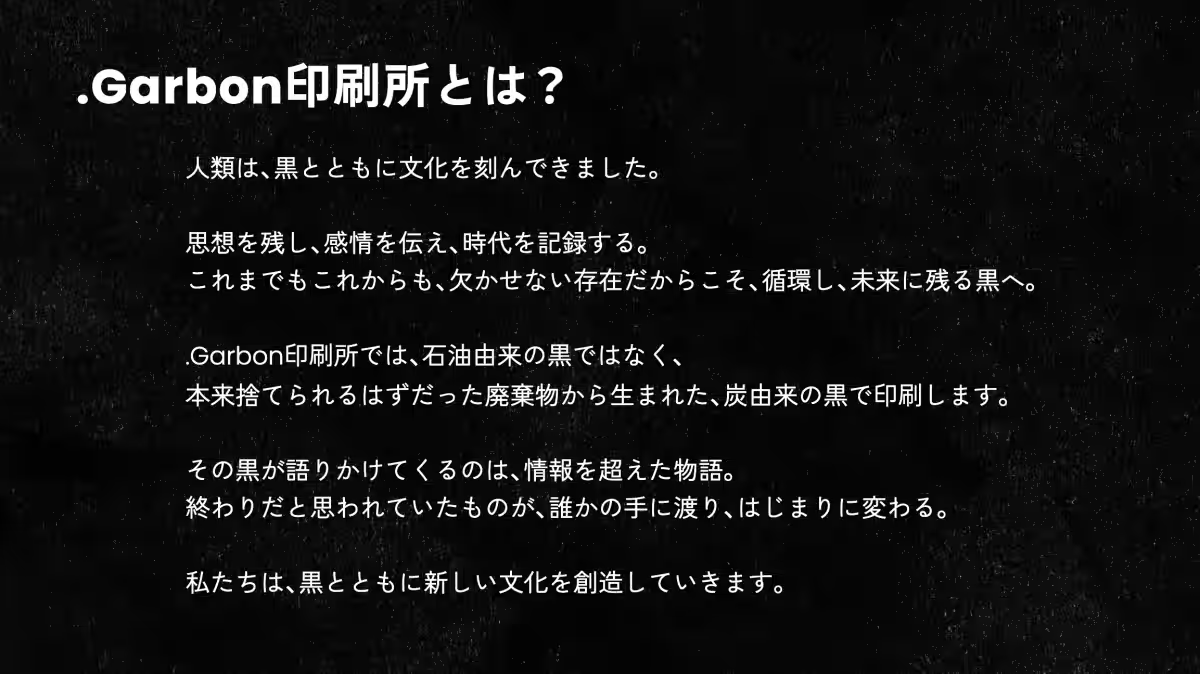
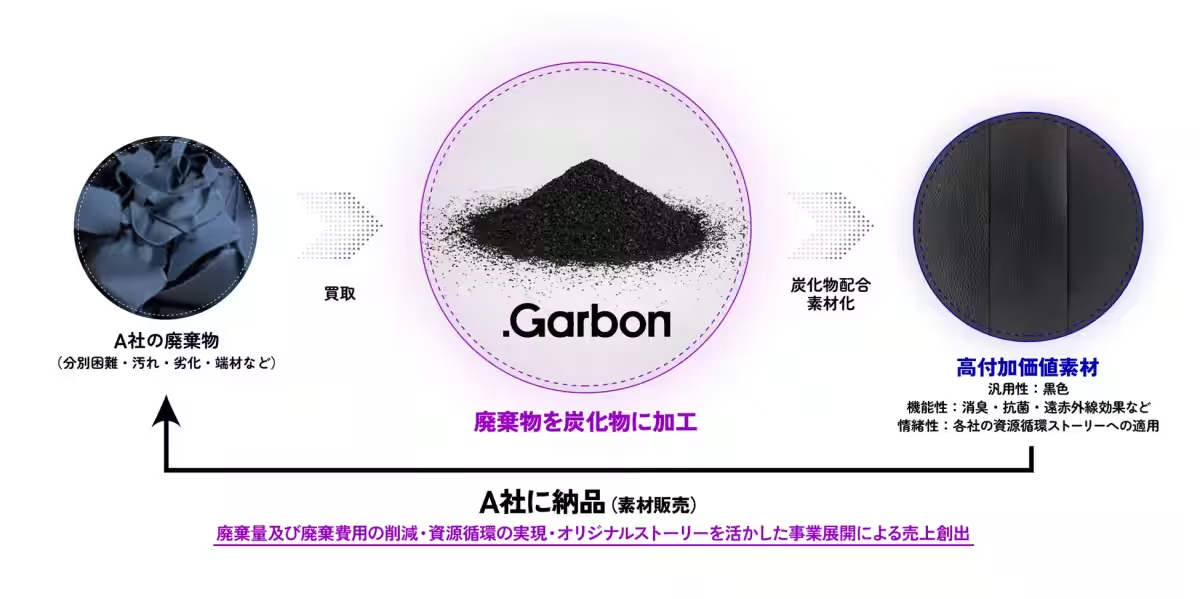
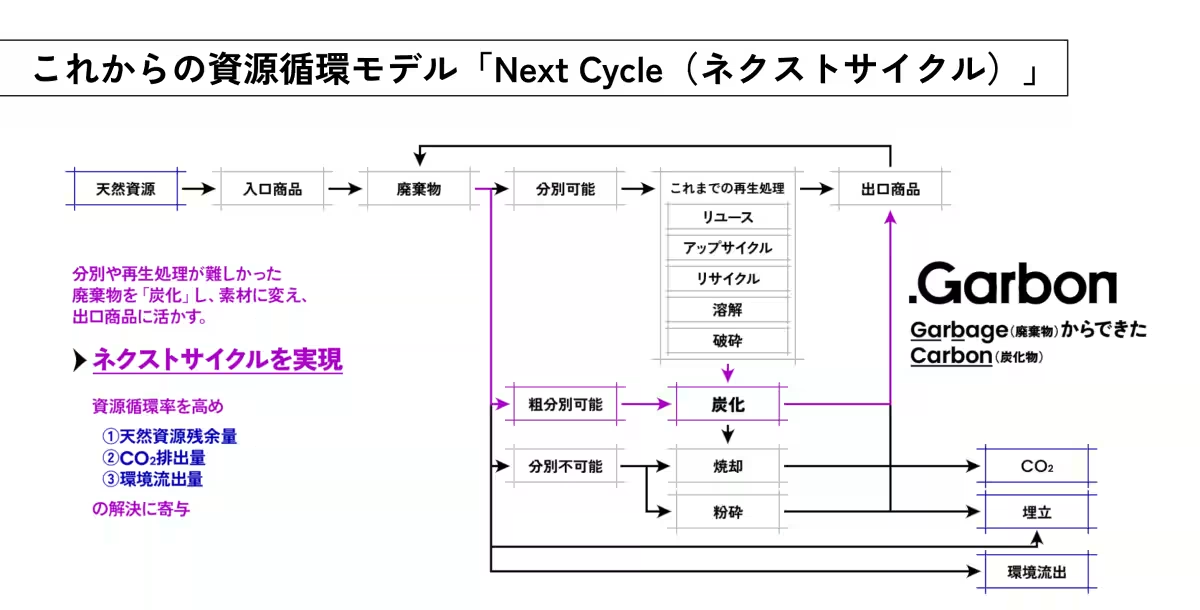
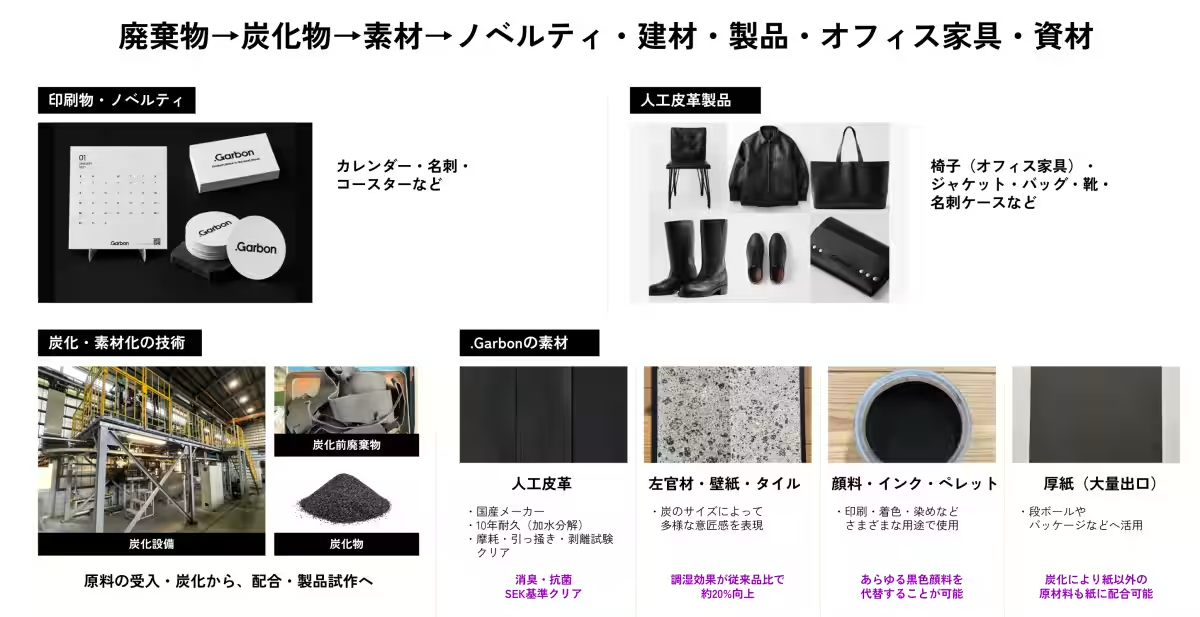
In a groundbreaking initiative, Garbon Printing Studio has emerged, aiming to revolutionize the printing industry by converting various types of waste into black ink and printing materials. Launched by Gab Co., Ltd., an innovative company based in Shibuya, Tokyo, and Paper Parade Co., Ltd., this project represents a significant step toward sustainability and resource optimization. Through the process of carbonization, waste materials usually deemed difficult to recycle are transformed into valuable resources, challenging the conventional reliance on petroleum-derived inks.
The Vision Behind Garbon Printing
As the global push towards zero waste and carbon neutrality intensifies, companies and municipalities alike have set ambitious goals for sustainable practices and resource circulation. Garbon Printing responds to this challenge by converting waste into high-quality black pigments and inks, ensuring that the byproducts of industry contribute to eco-friendly printing solutions rather than landfill overflow. This innovative approach not only decreases dependence on fossil fuels but also showcases a company’s commitment to environmental responsibility through the medium of printed materials.
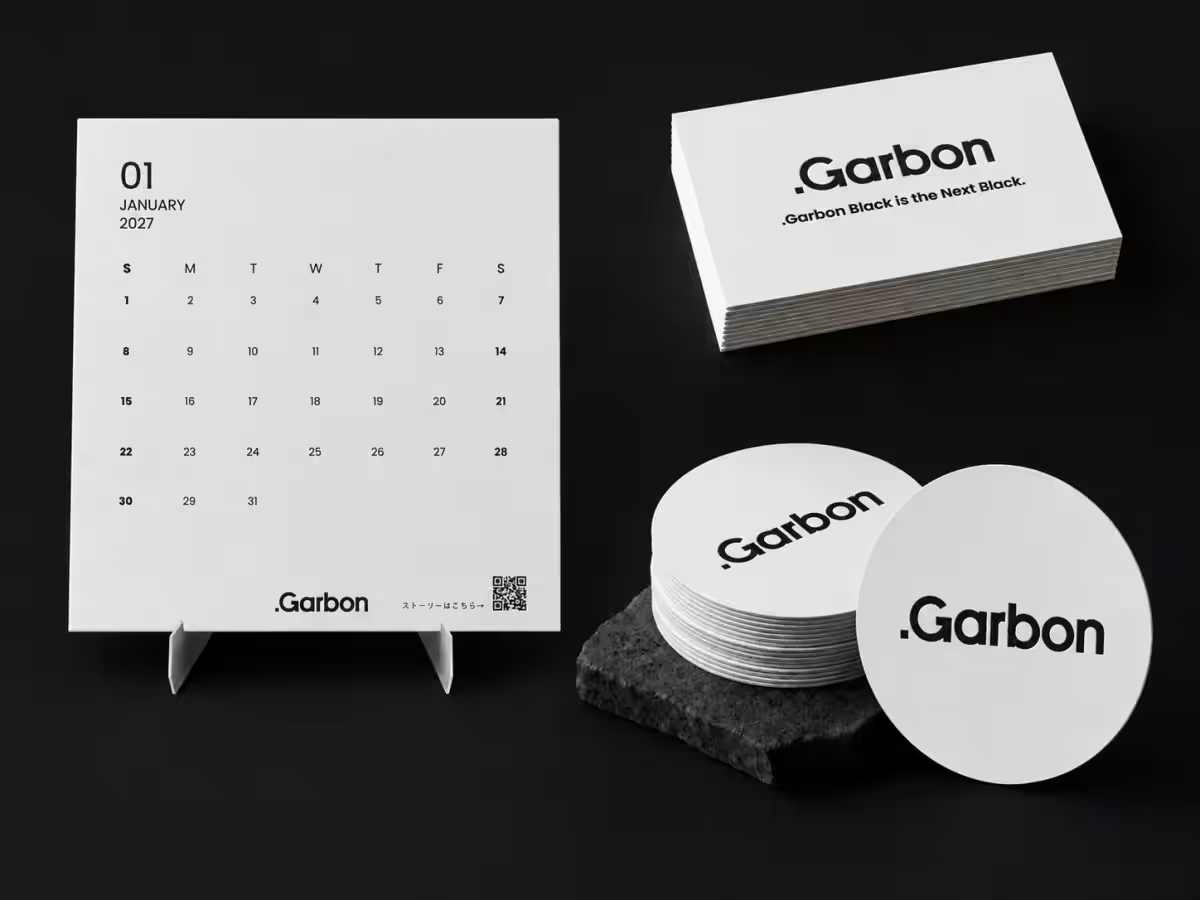
The first range of products from Garbon Printing will include a variety of items, such as calendars, business cards, coasters, packaging, and promotional goods made using traditional letterpress techniques. This unique printing style allows for distinct textures and visual variations in every piece, encouraging a hands-on appreciation of the artistry involved.
The Process of Creating Sustainable Printing Materials
Garbon Printing utilizes a detailed process to transform waste into usable resources for their projects:
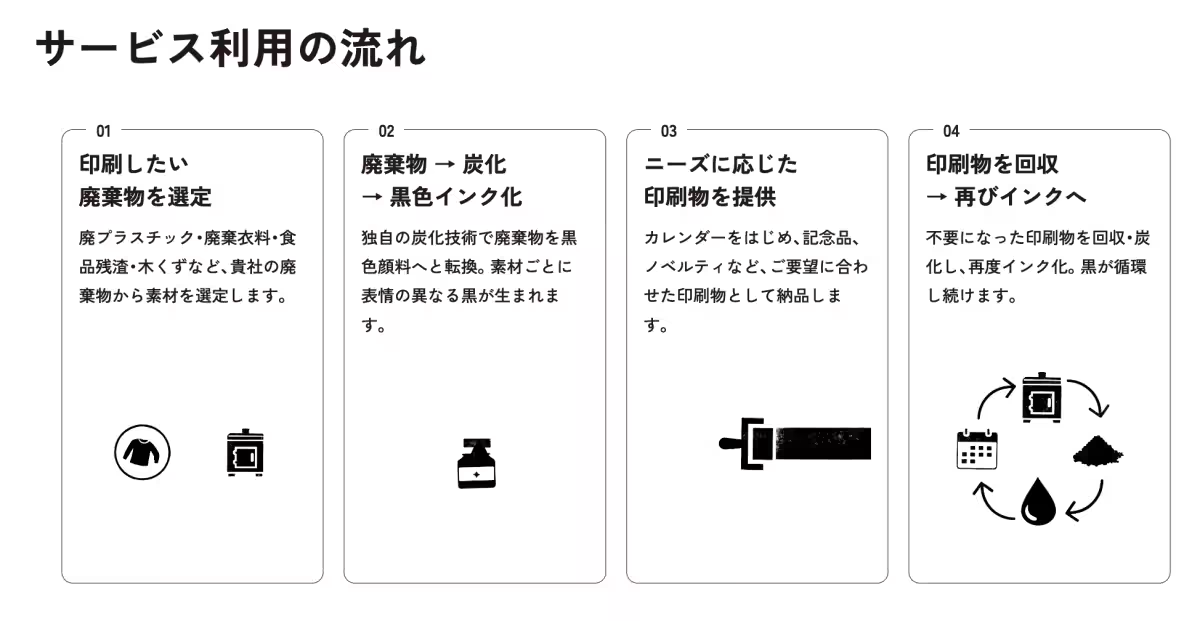
1. Selecting Waste: Companies and municipalities can collaborate with Garbon Printing to identify the types and conditions of waste they produce, ensuring compatibility with the carbonization process.
2. Carbonization: Waste materials undergo thermal decomposition in an oxygen-free environment, ultimately producing carbon-black, a high-quality pigment suitable for ink production.
3. Design and Production: The design phase takes into consideration the audience and purpose of each printed material. Emphasizing the intricacies of the letterpress method, the team produces customized prints that capture the unique identity of each organization involved.
Exhibition and Future Directions
To showcase their creations and processes, Garbon Printing Studio will host an exhibition from August 13 to August 19, 2026, at Shibuya Hikarie 8-F, 8/CUBE. Visitors will have the opportunity to see firsthand the prints made from their distinctive black pigment, named Garbon Black, and experience the tactile quality of letterpress printing.
Looking forward, Garbon Printing intends to broaden the array of wastes they can utilize and enhance the quality of their inks and pigments. By focusing initially on letterpress techniques, they plan to expand their capabilities and print offerings, effectively establishing themselves as a versatile and eco-conscious printing solution. Their mission is to make 'waste-derived black' a regular option in daily printing choices, a step towards more sustainable business practices.
Inquiries from businesses interested in utilizing their own waste or developing custom printed materials are encouraged, and Garbon Printing invites all to explore the astonishing potential of recycled resources in creating exceptional products.
For further details about the Garbon Printing initiative and upcoming events, visit their website: Garbon Printing Studio.
Conclusion
In summary, Garbon Printing Studio not only provides a creative avenue for companies to tackle waste issues but also aligns with a growing global consciousness regarding sustainability and responsible resource usage. As industries face increasing pressure to innovate and adapt, initiatives like those from Garbon Printing offer inspiring solutions that pave the way for a greener future.
Topics Consumer Products & Retail)




【About Using Articles】
You can freely use the title and article content by linking to the page where the article is posted.
※ Images cannot be used.
【About Links】
Links are free to use.