



Supporting Student Innovation: bestat's Collaboration with NVIDIA for 3D Technologies
bestat's Collaboration with NVIDIA
In an endeavor to foster innovation among students, bestat, a leading company specializing in data processing with a focus on 3D generation, has partnered with NVIDIA in its annual Student Ambassador Program. With a commitment to nurturing future leaders in technology, this program has been instrumental over the past three years, providing students an opportunity to engage with cutting-edge NVIDIA technologies and apply them to real-world challenges.
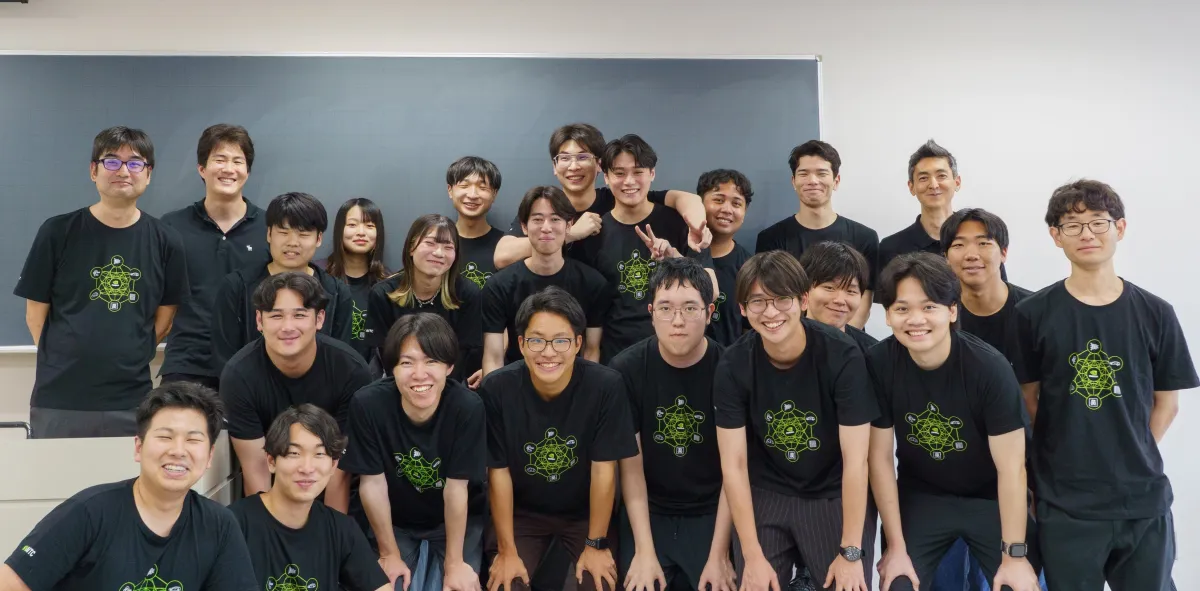
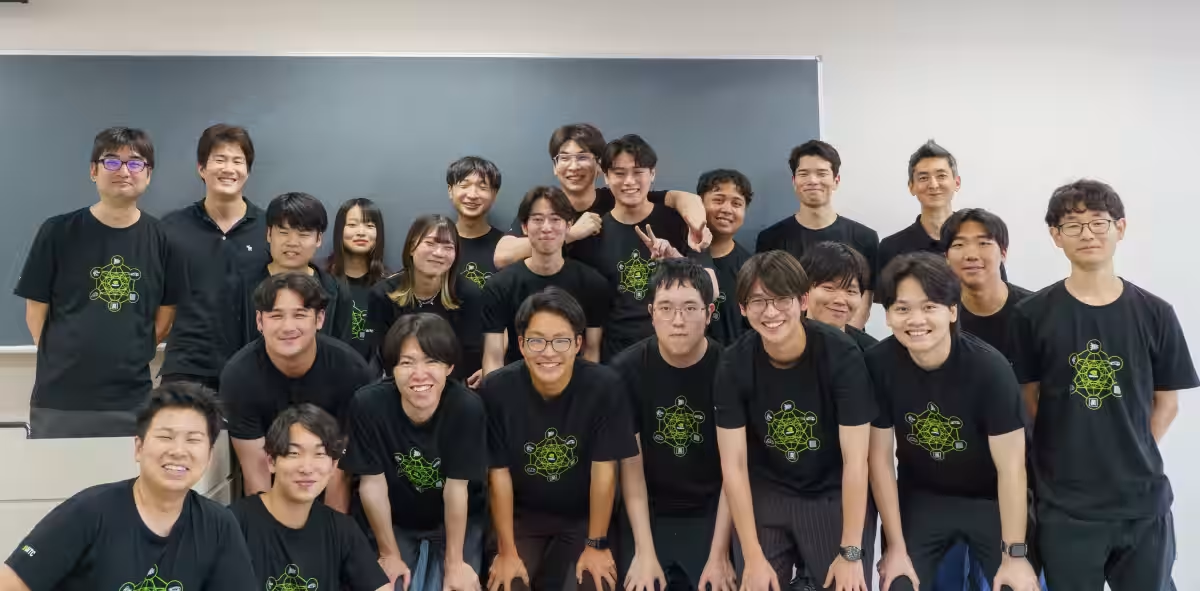
On August 2, 2025, the program hosted its fifth成果発表会 at Tokyo University of Technology's Kamata campus, showcasing an impressive array of student projects. Participants from various academic fields presented their innovative work utilizing NVIDIA's advanced tools, enhancing their technical skills while fostering a collaborative environment.
What is the NVIDIA Student Ambassador Program?
The NVIDIA Student Ambassador Program is designed to cultivate talent through hands-on workshops and projects led by NVIDIA employees. Participants from multiple universities across different regions come together to share their learning experiences and outcomes. The program encourages collaboration beyond institutional boundaries and helps students expand their knowledge and create new ideas, potentially leading to breakthroughs in technological innovation.
At the recent成果発表会, students showcased projects focusing on areas like artificial intelligence (AI), computer vision (CV), data science, robotics, and digital twins. The atmosphere was vibrant, with students and visitors actively engaging and asking questions regarding the innovative solutions presented.
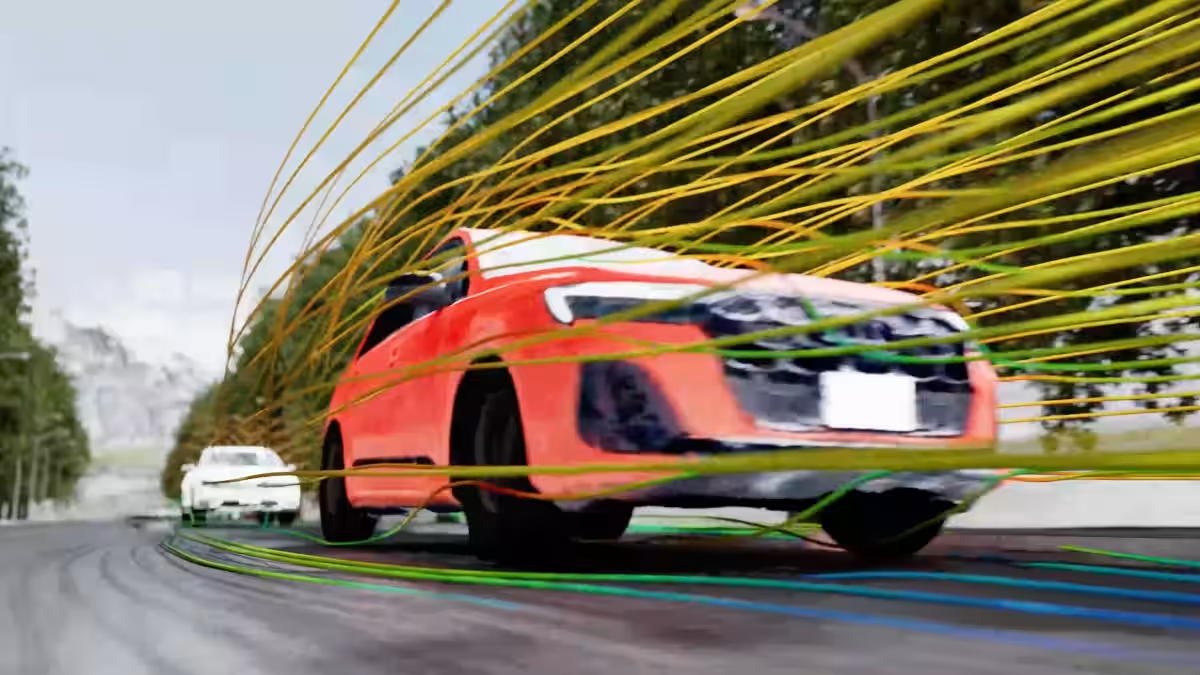
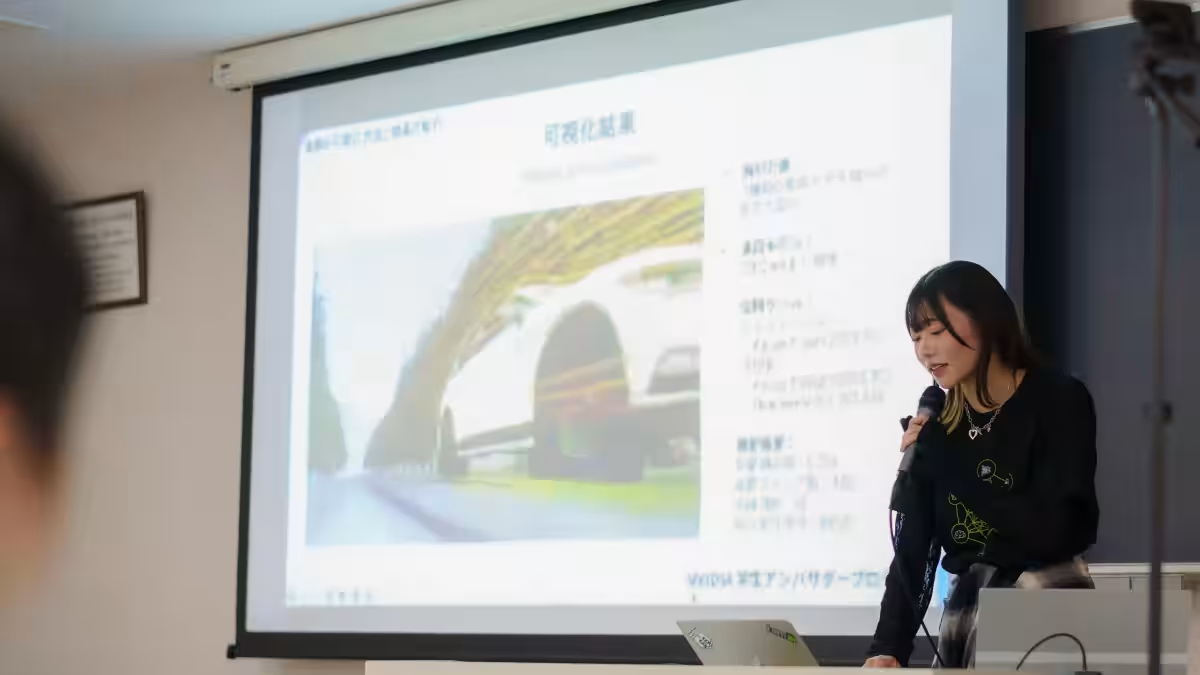
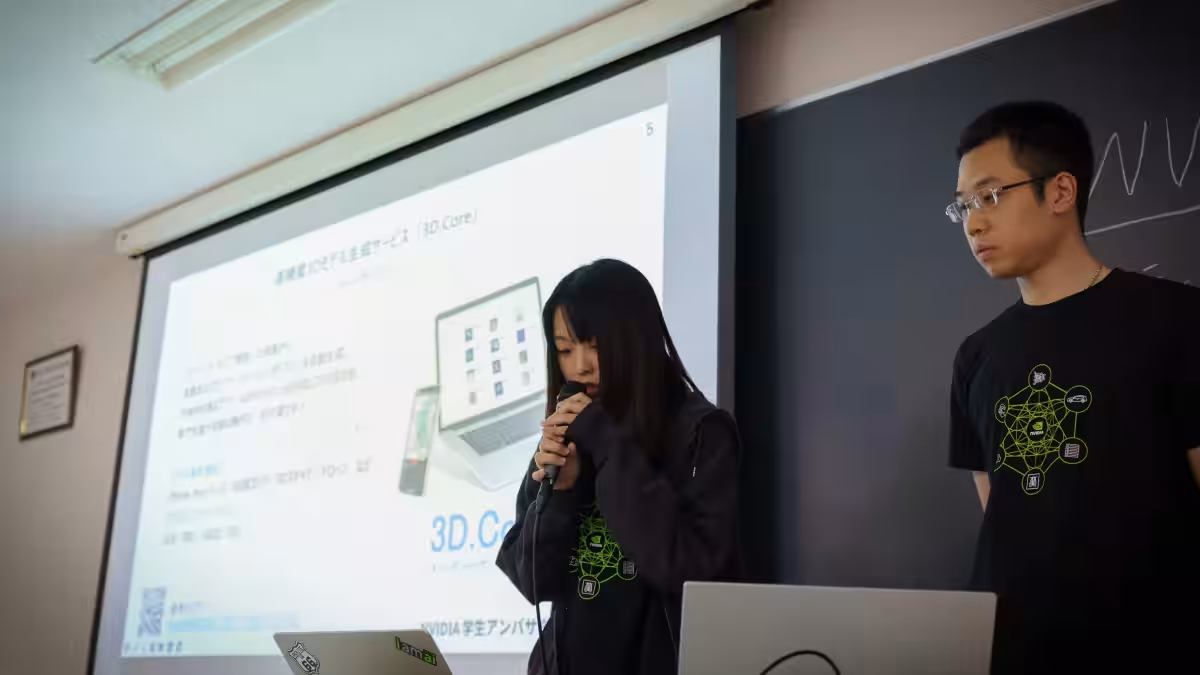
For instance, students from Osaka Institute of Technology demonstrated the capabilities of 3D.Core in capturing and generating 3D data, while Tokyo University of Technology showcased how to simulate airflow during vehicle movement in a virtual environment. This exploration of digital twin construction and utilization provided valuable insights into the future of technological applications.
Highlighted Projects
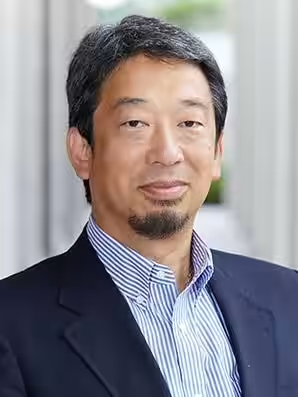
Among the notable presentations was one by英真網干 from Osaka Institute of Technology, who expressed his amazement at the ease of generating high-precision 3D models using 3D.Core. Although previously facing challenges in obtaining 3D data without extensive expertise, he appreciated the breakthrough in broadening research possibilities through this tool. The seamless integration with Omniverse made the digital twin concept increasingly accessible and practical.
Another presentation byひろな中西 from Tokyo University illustrated the advanced simulation of vehicle airflow, highlighting the ability to recreate conditions that would otherwise be cost-prohibitive and environmentally challenging in real-world scenarios. His excitement about the potential for digital twins to enhance design and development efficiencies resonated with many attendees.
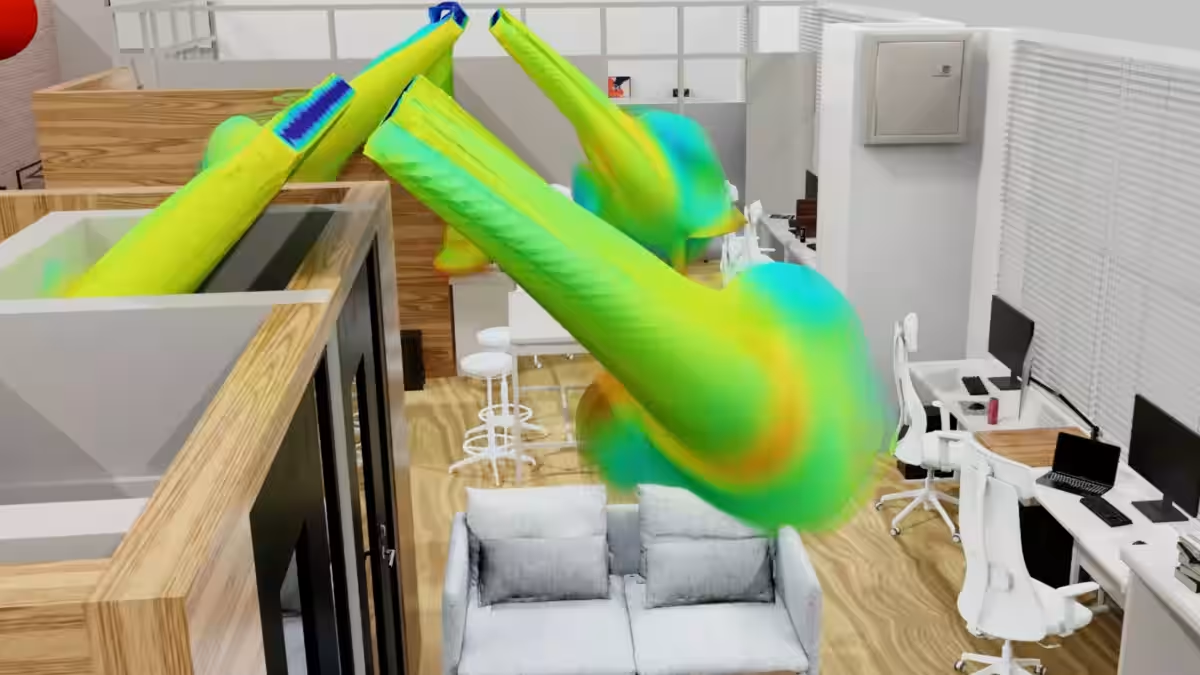
Keiji Noel Emperado, also from Tokyo University, shared his research on indoor airflow analysis within their digital twin center, emphasizing the advantages of endless simulation possibilities in the Omniverse environment. These presentations not only showcased technological skills but also reflected the students' creativity and passion for utilizing technology within their studies.
Industry Perspectives
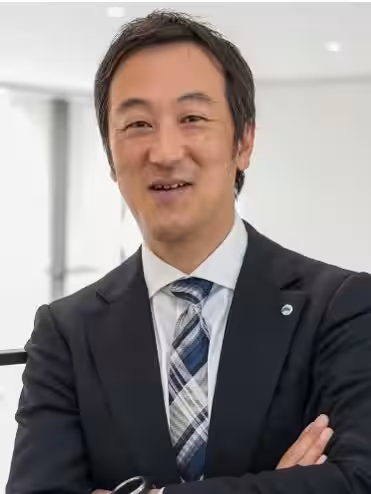
The feedback from faculty members and industry leaders was overwhelmingly positive. Doctor井上明, a professor at Osaka Institute of Technology, emphasized the importance of the students' ability to identify challenges and engage in solutions using AI and 3D technology. He praised the initiative's contribution to nurturing the next generation of problem solvers.
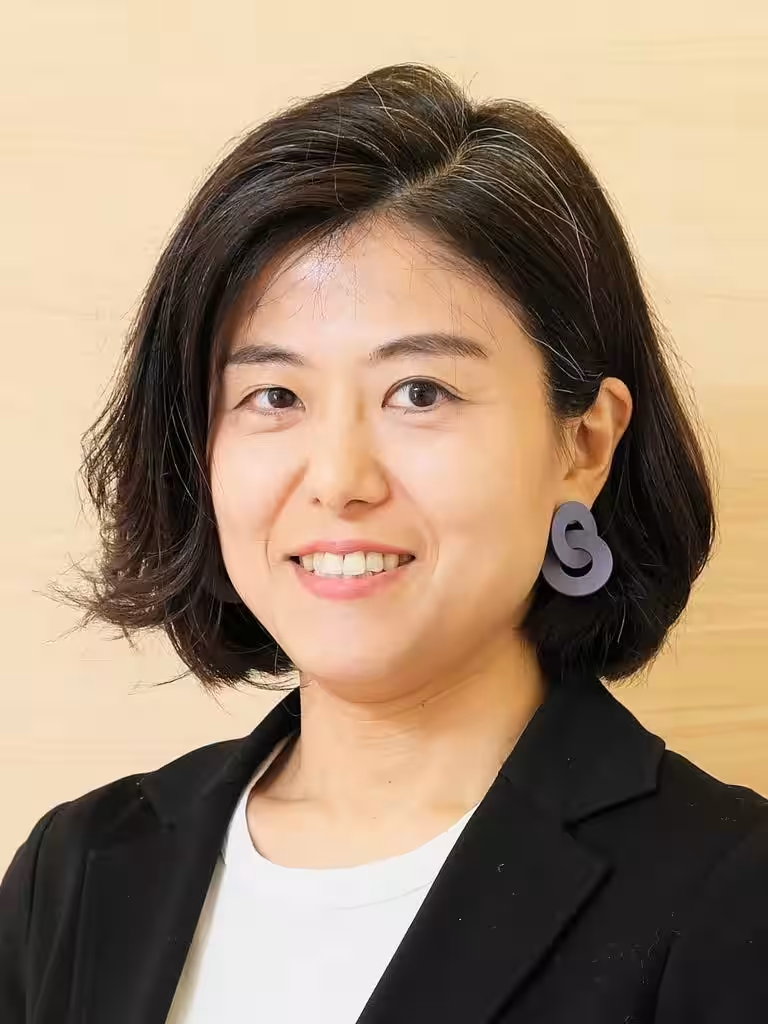
松田なおこ, CEO of bestat, expressed her pride in the initiative's impact on students’ curiosity and innovation. With a mission to enhance human perception through algorithms, bestat aims to transform real-world scenarios into digital equivalents.
The connection between 3D.Core and Omniverse has further improved the ease of digital twin creation, bridging the gap between creative ideas and practical applications. As students dive into digital twin technology, they are not just preparing for their careers but also contributing to a redefined interaction with technology.
Conclusion
The collaboration between bestat and NVIDIA marks a significant step toward empowering young minds in exploring cutting-edge technologies. Through programs like this, students from various universities across Japan are pushing the envelope of innovation, inspiring future technological advancements. The potential of digital twins to redefine industry practices is immense, and with the continuous partnership, a brighter, tech-forward future is on the horizon.

Topics Other)
【About Using Articles】
You can freely use the title and article content by linking to the page where the article is posted.
※ Images cannot be used.
【About Links】
Links are free to use.