



Innovative Drug Loading Method Enhances Solubility of Ibuprofen Using Environmentally Friendly Approach
Introduction
In the field of pharmaceuticals, the solubility of Active Pharmaceutical Ingredients (APIs) is crucial for bioavailability. Many APIs, such as ibuprofen, exhibit poor solubility, which poses a significant challenge in drug formulation. A recent study conducted by a research team from Tokyo University of Science presents an innovative, eco-friendly drug loading method that enhances the solubility of ibuprofen by utilizing mesoporous silica (MPS) without the use of organic solvents.
Research Overview
The study was led by Professor Takehisa Hanawa and his team, which included Yayoi Kawano, Kazuya Nomura, Nobuyuki Natori, Takuma Oba, and Kaoru Hirose. They successfully developed the Sealed Heating (SH) method, where ibuprofen was loaded onto mesoporous silica, thereby promoting its amorphization and solubility enhancement. Their findings highlight the significant role of pore characteristics in enhancing drug solubility, fundamentally altering the traditional methods employed in drug formulation.
Methodology
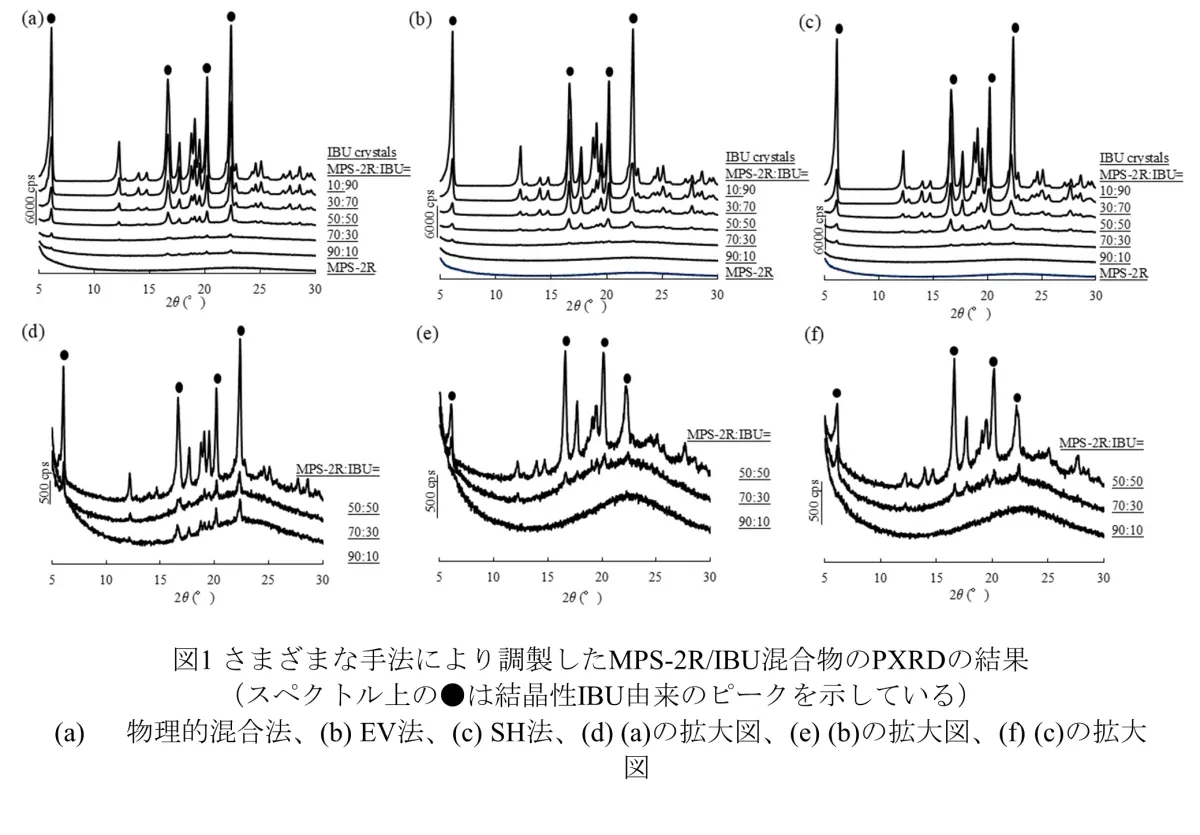
The researchers used three different methods to prepare samples: physical mixing, an evaporation/concentration technique using organic solvents (EV method), and the newly introduced SH method. Various weight ratios of ibuprofen to mesoporous silica were tested. The team determined that larger pore sizes in MPS facilitated the amorphization of ibuprofen, enhancing its dissolution rate significantly compared to conventional methods.
Key Findings
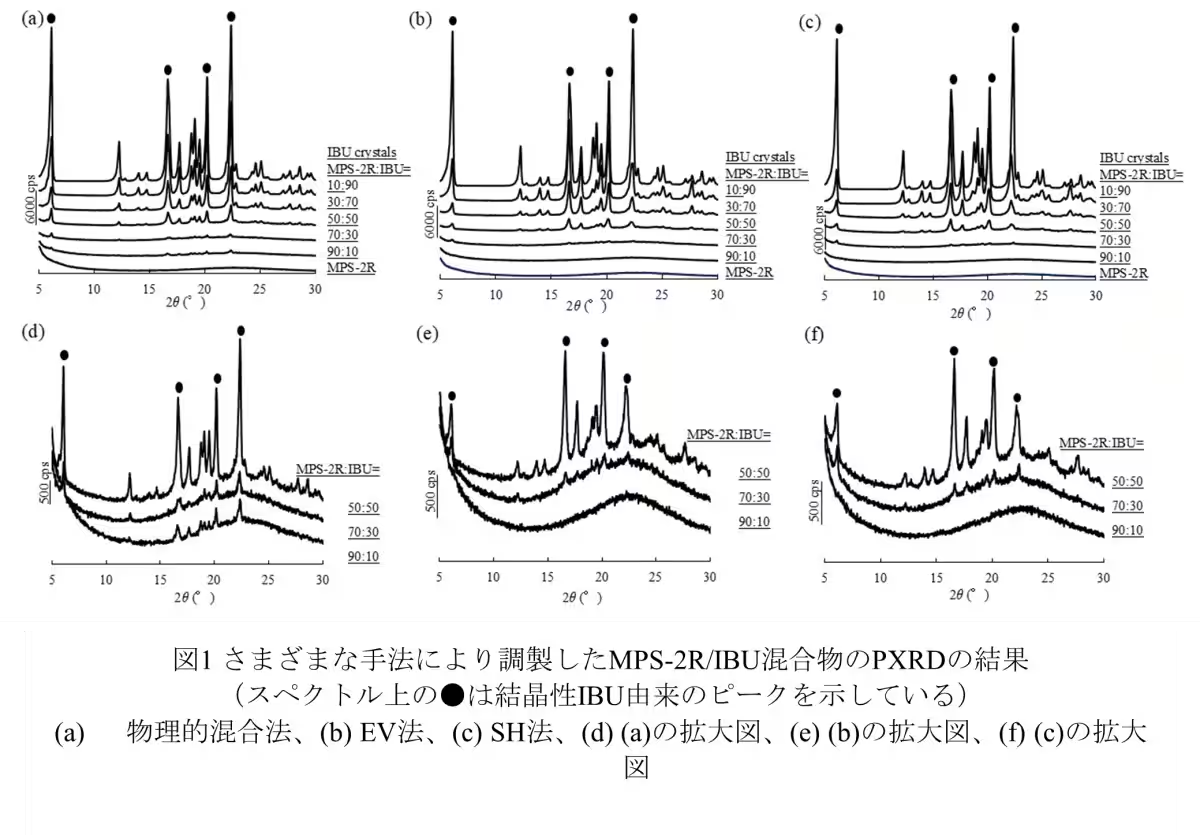
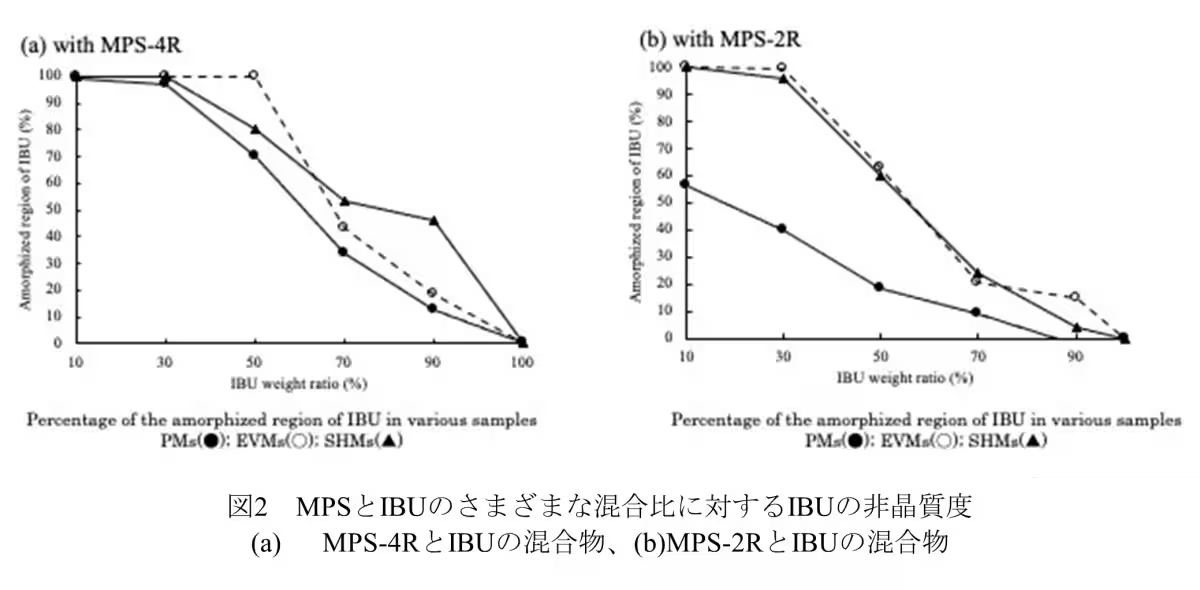
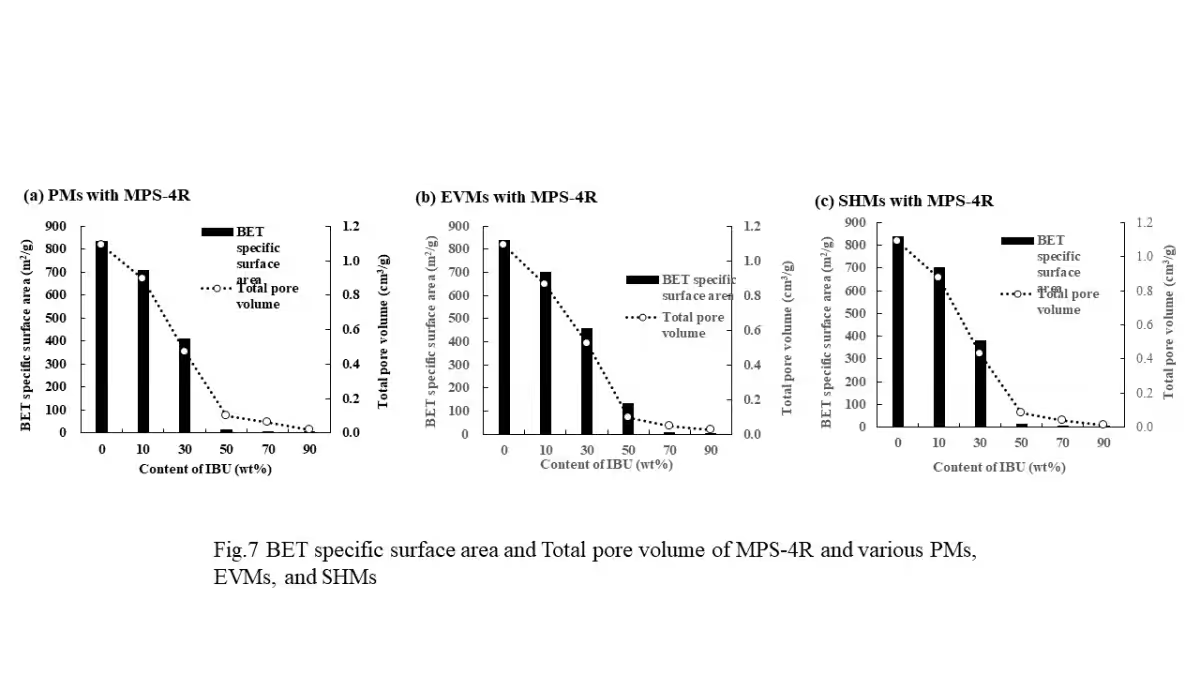
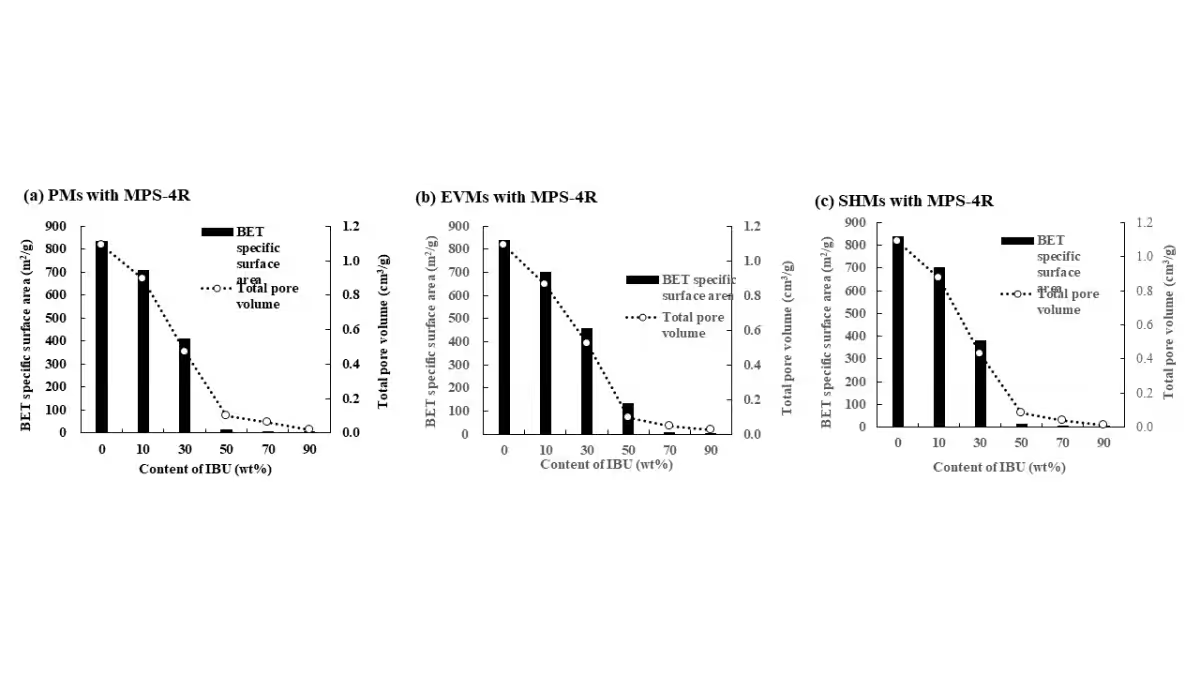
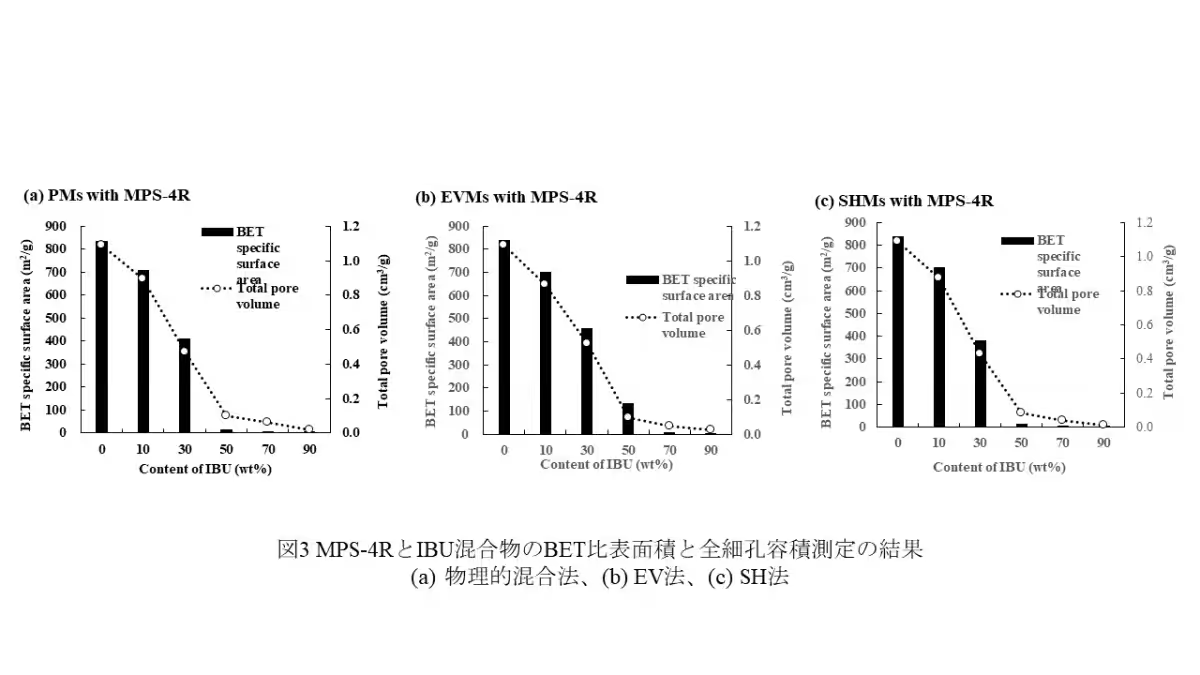
Through rigorous evaluations using Powder X-ray Diffraction (PXRD) and nitrogen gas adsorption techniques, the study showed that using MPS with a pore diameter of 3.9 nm (MPS-4R) proved effective in achieving over 30% ibuprofen without crystallization when using the SH method. In contrast, the evaporation method required a more extensive dilution of ibuprofen to achieve similar results, displaying the SH method's efficiency.
Additionally, the solubility of ibuprofen loaded via the SH method was approximately 2.7 times greater compared to its crystalline form. This marked improvement underlines the potential of this eco-friendly technique to revolutionize how pharmaceuticals are formulated, emphasizing safety and environmental considerations by eliminating the use of harmful organic solvents.
Environmental Impact
The beneficial environmental implications of this study cannot be overstated. Traditional drug loading methods often involve harmful organic solvents, leading to substantial regulatory hurdles and environmental pollution. The SH method stands out as it mitigates these concerns, providing a sustainable solution that aligns with contemporary environmental standards.
Future Applications
The implications of this research extend beyond ibuprofen. The adaptable nature of the SH method opens doors for enhancing the solubility of various other poorly soluble APIs, potentially leading to more effective and safer pharmaceutical formulations. Professor Hanawa articulated his vision, emphasizing the versatility of this method and its potential applications in various drug formulations.
Conclusion
With its innovative approach, the SH method represents a significant advancement in the field of pharmaceutical sciences, aiming to enhance drug solubility while adhering to sustainable practices. The full research findings were published in the Journal of Pharmaceutical Sciences, underscoring its academic rigor and potential for future applications in the industry.
References
- - Hanawa, T., Kawano, Y., Nomura, K., Natori, N., Oba, T., Hirose, K. (2025). New method for adsorbing the pharmaceuticals on mesoporous silica: Adsorption behavior of ibuprofen on mesoporous silica via the sealed and heating method. Journal of Pharmaceutical Sciences. DOI: 10.1016/j.xphs.2025.104140
Topics Health)
【About Using Articles】
You can freely use the title and article content by linking to the page where the article is posted.
※ Images cannot be used.
【About Links】
Links are free to use.