




Why Do Over Half of Doctors Feel Speciality Certification Isn't Worth It?
The Disparity of Value: Doctors and Speciality Certifications
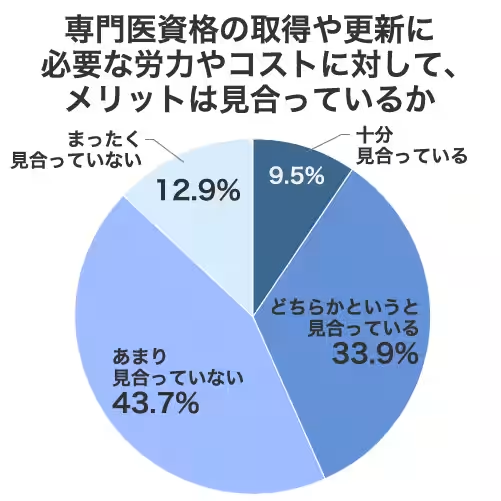
In a recent survey conducted by Mediwel, a career support service for physicians, over 2,000 doctors nationwide provided valuable insights into their challenges and perceptions regarding speciality certifications. About 80% of the respondents hold a specialty certificate; however, over half (56.6%) reported that the effort and costs associated with obtaining and maintaining these certifications do not align with the benefits received.
Significant Burdens in Speciality Certification
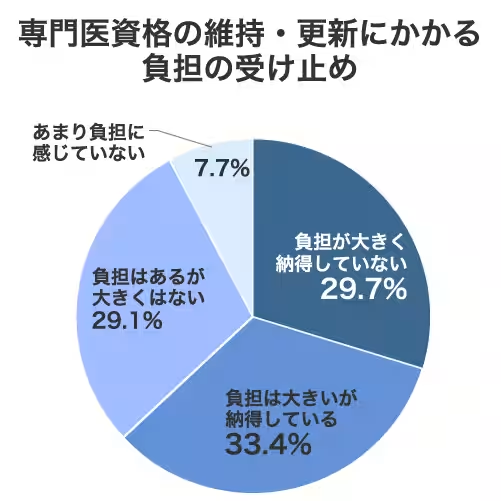
The demanding nature of the medical profession often leads physicians to pursue these qualifications as a means of career enhancement. Yet, many found the burdens of maintaining their certifications to be significant. According to the survey, a staggering 63.1% of certified doctors feel that the costs and complexities of keeping their certifications valid are overwhelmingly high.
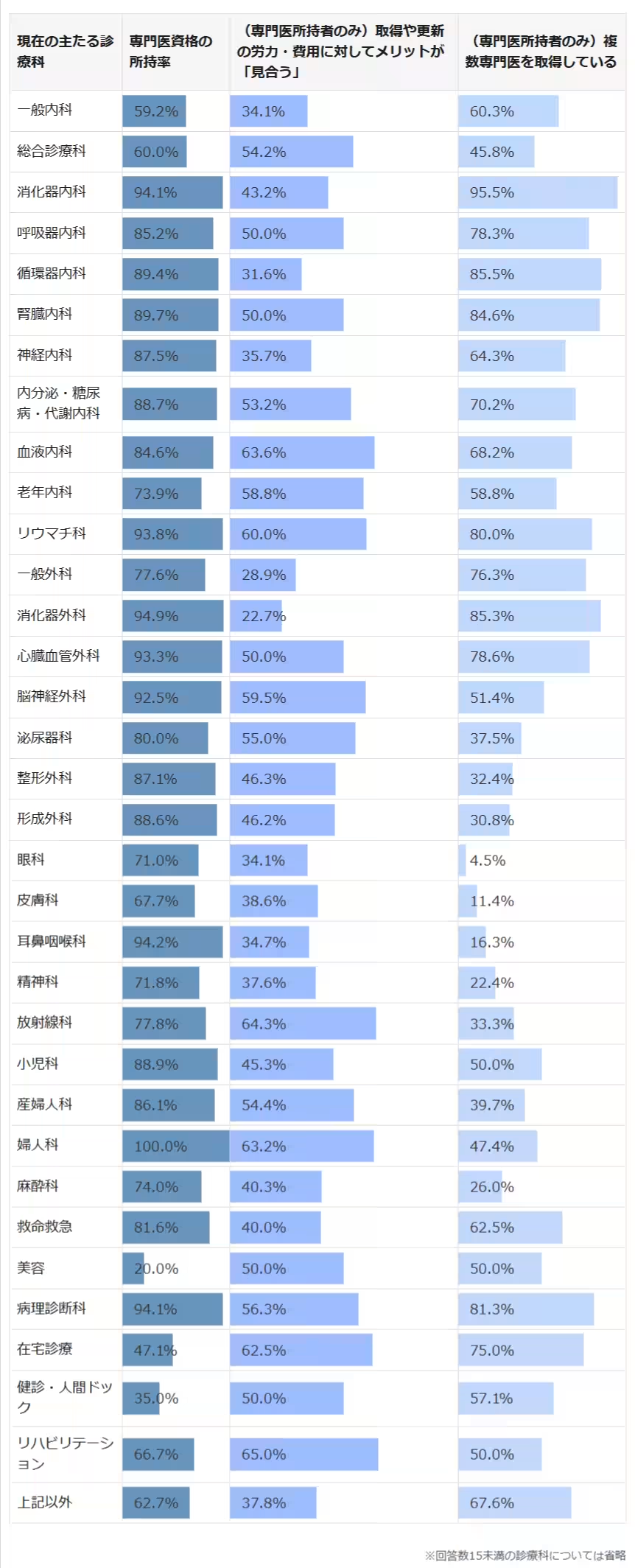
The specialists working in areas like rehabilitation (65.0%) and radiology (64.3%) expressed a higher burden compared to their peers in general surgery (22.7%) and general surgery (28.9%). Concerningly, while almost half of the respondents (49.2%) believed that the main benefit of holding a speciality certification is the improvement of their skills and knowledge, only 13.8% felt that it positively influenced their salary or job benefits.
Personal Experiences Shared by Respondents
The open responses from the survey revealed frustrated sentiments:
- - One male physician in his 40s specializing in gastrointestinal surgery lamented that despite the high costs associated with certification maintenance, the financial benefits are not reflected in his salary.
- - Other physicians expressed dissatisfaction with the new fees introduced for certification maintenance, arguing that such costs were previously unnecessary.
- - Many physicians emphasized that having a specialty designation offered validation of skills to peers and patients, highlighting its importance particularly in short-term positions.
The Strain on Young and Female Physicians
Particularly, young and female doctors face unique hurdles while pursuing speciality certifications. Issues related to balancing work with life events, such as childbirth and parenting, complicate their ability to study and take exams. One female physician voiced her concerns, stating, "Between childcare and late nights, how can I prepare for the speciality exams? The burden on mothers is immense."
Another expressed a desire for systems that better accommodate parental needs, especially for women managing pregnancies and childcare while attempting to complete training requirements.
Perceptions on Not Holding a Speciality Certification
Interestingly, the survey revealed that more than half (54.4%) of the doctors who do not hold a speciality certification claimed they face no tangible disadvantages. The main reasons cited for not pursuing these qualifications were a lack of opportunity (59.4%) and a perceived lack of necessity (54.8%). Despite some expressing concerns about the impact of not having a certification on their careers, many felt reassured by their ability to perform their roles effectively.
A male physician in his 50s specializing in internal medicine remarked, "As long as I maintain a serious approach to my medical duties, I feel recognized by my patients and healthcare workers despite not holding a speciality."
Emerging Trends in Medical Careers
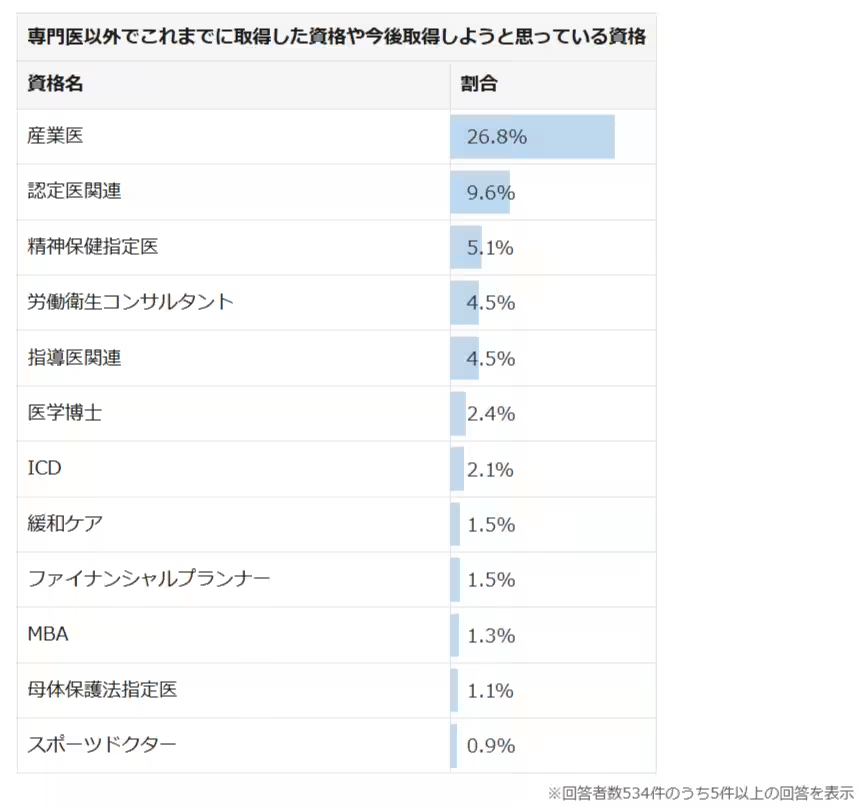
Aside from specialty certifications, a growing number of doctors are showing interest in alternative qualifications such as occupational medicine, indicating a diversification in career pathways among physicians. Many responses emphasized that for specialized fields, having a certification is considered essential, while in others, it may not hold as much weight.
Conclusion: A System in Need of Revision?
The feedback from this survey highlights a growing disconnect between the benefits offered by medical speciality certifications and the effort required to achieve them. As the healthcare landscape evolves, it is clear that a reevaluation of how these certifications are structured and perceived is essential to better serve medical professionals.
For further insights and detailed findings, please refer to the complete survey results on Mediwel's website.
References
- - Speciality Certification Benefits vs. Costs
- - Doctors’ Reasons for Not Pursuing Speciality Certifications
- - Challenges Faced by Doctors Seeking Speciality Certifications
- - Variation in the Value of Speciality Certifications





Topics Health)
【About Using Articles】
You can freely use the title and article content by linking to the page where the article is posted.
※ Images cannot be used.
【About Links】
Links are free to use.