



Understanding the Impact of Chronic Back Pain on Depression: Insights from ILC Clinic
Exploring the Link Between Chronic Back Pain and Depression
An Overview of the Recent Findings
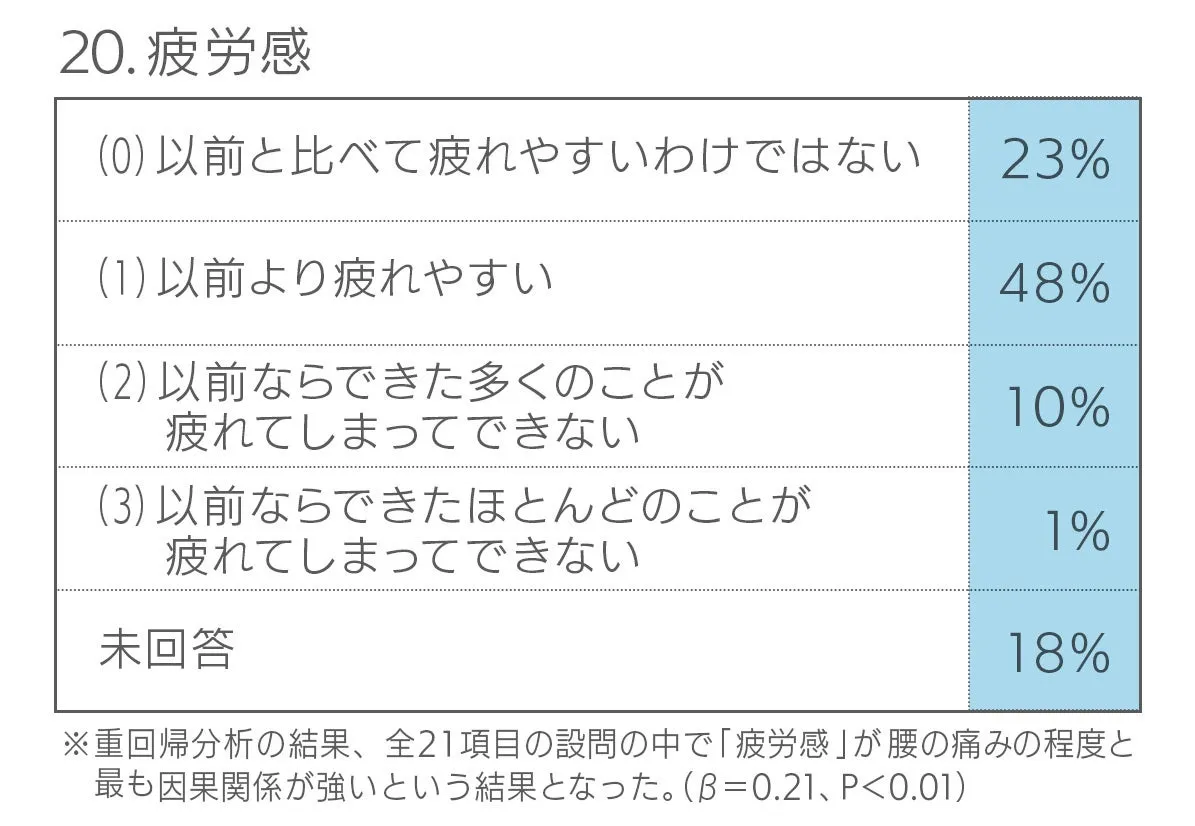
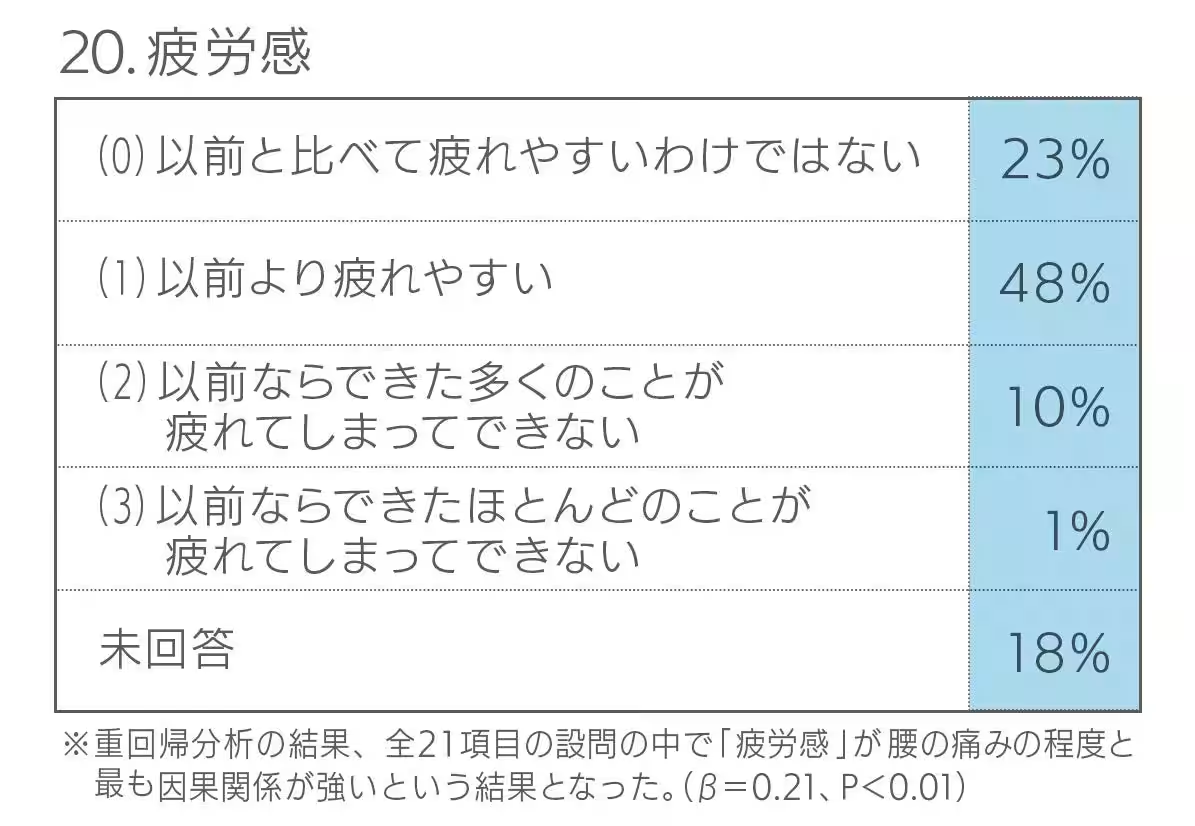
Recent research conducted by the ILC International Back Pain Clinic, which aims for 100% effectiveness in treating back pain, sheds light on the connection between chronic conditions like spinal stenosis and herniated discs and mental health issues such as depression. The study was conducted using the Beck Depression Inventory (BDI), revealing significant correlations in four key areas: fatigue, suicidal thoughts, changes in appetite, and loss of interest. This suggests that chronic back pain may not only stem from physical ailments but also significantly impact emotional well-being.
Study Details
The study targeted patients visiting the ILC Clinics in Tokyo and Osaka from March 2024 to April 2025. A total of 448 individuals, with a gender ratio of 56:44, voluntarily filled out questionnaires regarding their symptoms and mental state during their consultations. The outcome of this exhaustive research reinforces the need for a holistic approach when dealing with back pain, as it highlights the interplay between psychological and physiological factors.
The Pain-Fear Avoidance Model
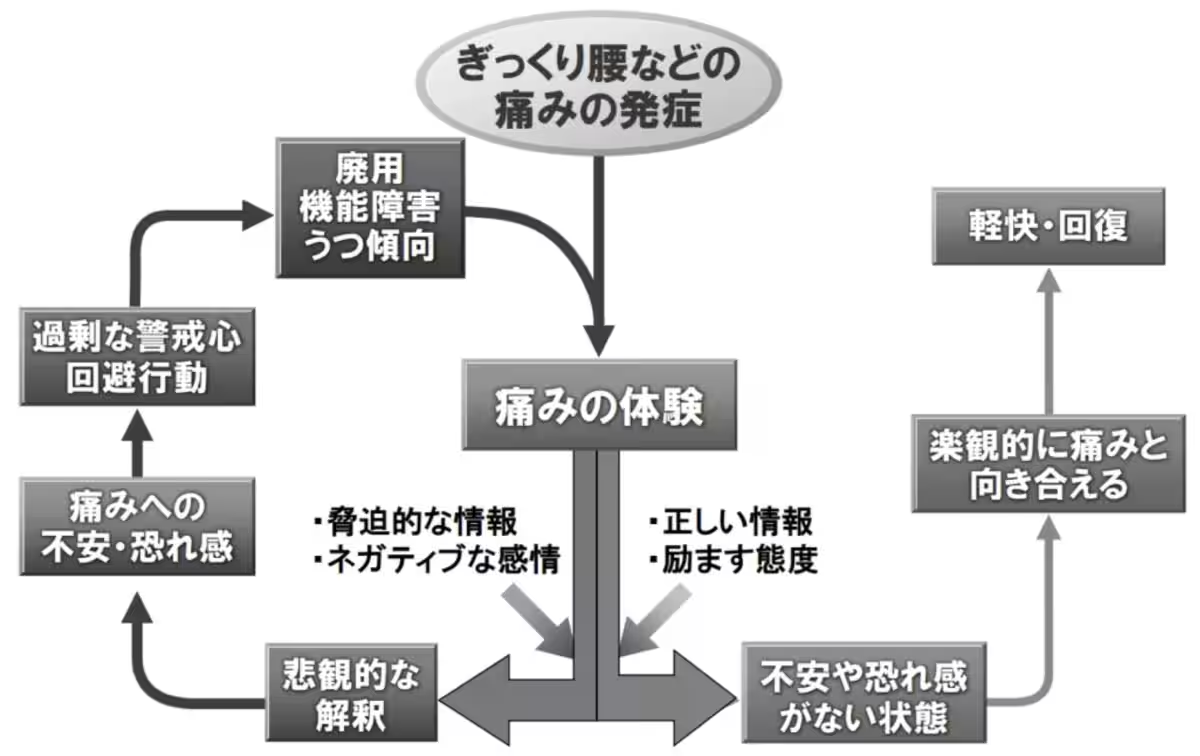
The findings remind us of the 'pain-fear avoidance model' which stipulates that the fear of pain can lead individuals to avoid physical activity. This avoidance can result in a multitude of issues, such as muscle weakness and mood disorders, creating a vicious cycle where pain perception is amplified.
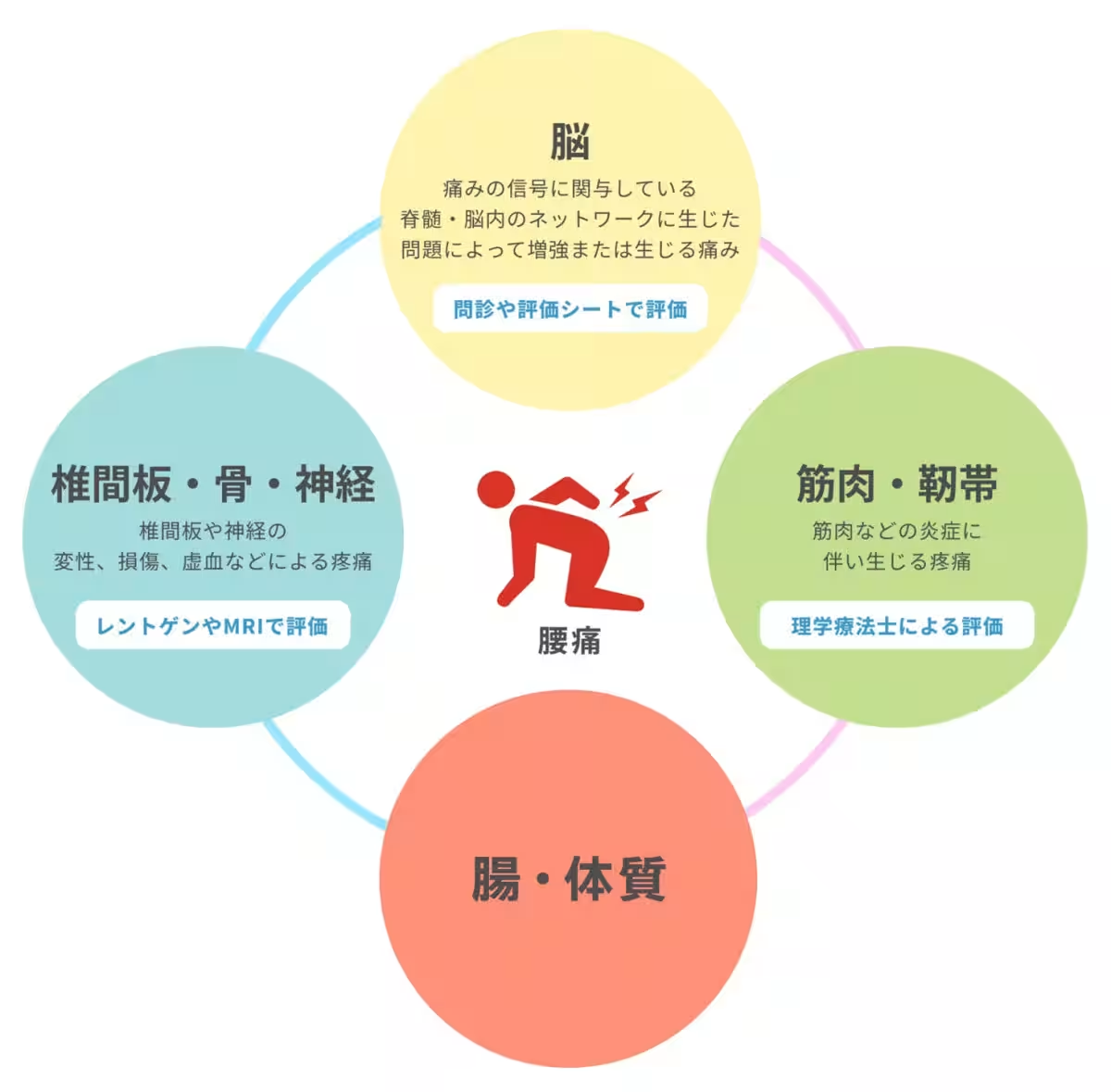
The necessity to address both physical and psychological aspects of chronic back pain becomes clear. Psychological factors, particularly anxiety and depression, are crucial considerations in developing effective treatment therapies.
The Findings and Their Implications
Fatigue and Back Pain
Chronic fatigue experienced by patients may be intensified by oxidative stress damaging the intervertebral discs and nerves. This can worsen the perception of pain. Active stress or strenuous activity may lead to increased oxidative species, causing cellular damage and triggering pain signals that are hard for the brain to ignore.
Suicidal Thoughts and Pain Perception
When patients are in a depressed state, neurotransmitters like serotonin and norepinephrine do not function properly, impacting the body's pain suppression systems. Disturbances in these neurotransmitters may allow pain signals to reach the brain too easily, leading to a higher likelihood of chronic pain.
Changes in Appetite
Alterations in eating habits often present in these patients may arise from decreased activity levels, which can lead to nutritional deficiencies that inhibit recovery. Additionally, a heightened sensitivity to environmental stimuli due to depression can unbalance the autonomic nervous system and exacerbate digestion issues, further contributing to this downward cycle of health.
Loss of Interest and Physical Decline
Lastly, the phenomenon of losing interest or motivation has a notable connection to increased severity of back pain. When patients withdraw socially, they may lower their activity levels, reducing muscle strength and contributing to worsening posture, which places stress on the spine. Additionally, the feelings of lethargy associated with losing social roles can disincentivize rehabilitation efforts.
Clinical Significance
The study's results strongly suggest that practitioners need to integrate mental and physical healthcare approaches for patients with chronic back pain. This includes fatigue management, psychological support, and nutritional guidance to improve overall patient outcomes. Various methods, including cognitive behavioral therapy and mindfulness-based interventions, are encouraged to bolster resilience towards pain and enhance quality of life.
ILC International Back Pain Clinic
The ILC International Back Pain Clinic is unique in Japan for its application of advanced treatments like the Sergel Method, aimed specifically at repairing spinal discs. With a commitment to spending at least 30 minutes with each patient, the clinic values thorough consultations to responsibly address pain and treatment options. This innovative approach has successfully treated over 45,000 cases worldwide.
For more information, visit ILC Clinic.
Conclusion
In conclusion, chronic back pain significantly interlinks with emotional health. The findings from the ILC study highlight an urgent need for multidimensional treatment frameworks that simultaneously address the psychological and physical aspects of back pain, ultimately improving patient care and outcomes in the process.



Topics Health)
【About Using Articles】
You can freely use the title and article content by linking to the page where the article is posted.
※ Images cannot be used.
【About Links】
Links are free to use.