




The Impact of Genetic Testing on Decreasing PRA Risks in Miniature Dachshunds
Introduction
Progressive Retinal Atrophy (PRA) is a hereditary eye disease in dogs that gradually deteriorates vision, ultimately leading to blindness. This condition has been linked to various genetic mutations across different dog breeds. In particular, the RPGRIP1 gene insertion variant is known to exacerbate the issues in homozygous dogs—those possessing two copies of the risk allele. In Japan, PRA has been identified as a significant health concern, especially among popular breeds like the Miniature Dachshund.
The Role of Genetic Testing
In recent years, initiatives have been established to promote direct-to-consumer (DTC) genetic testing through breeders and pet shops, specifically targeting the RPGRIP1 gene mutation. The widespread adoption of these genetic tests enables breeders to identify at-risk dogs and avoid breeding them, thereby reducing the prevalence of PRA in the population. However, the concern persists that while reducing genetic risk, the approach may shift the genetic diversity within the breed, leading to inbreeding.
Collaborative Research Findings
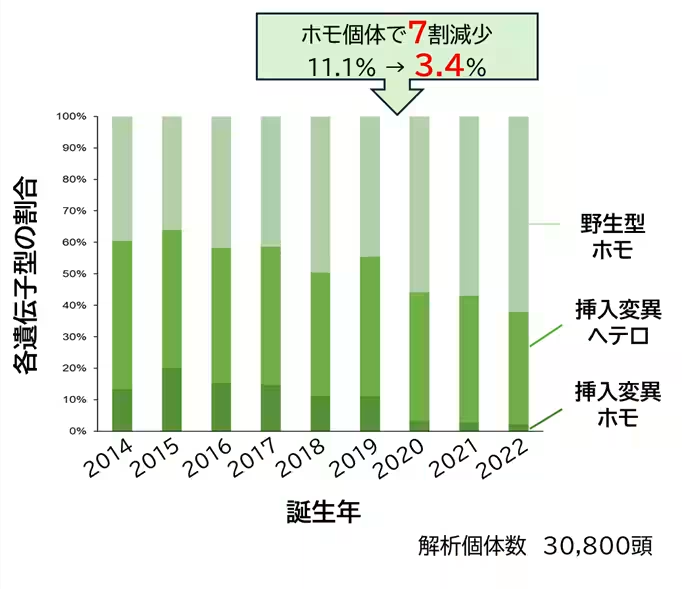
The research conducted by Anicom Pafe Co., Ltd., Anicom Advanced Medical Research Institute Co., Ltd., and Azabu University focused on the effects of widespread genetic testing on the Miniature Dachshund population in Japan. Between 2014 and 2022, genetic data from 30,800 Miniature Dachshunds were analyzed to assess changes in allele frequency and genetic diversity following the introduction of genetic testing.
1. Dramatic Decrease in Risk Allele Frequency
From 2019 to 2020, an approximate 70% reduction in the proportion of homozygous individuals carrying the risk allele was observed. The percentage dropped from 11.1% to just 3.4%. This demonstrates that responsible breeding practices based on genetic testing results are making a significant impact in the short term.
2. Maintaining Genetic Diversity
To evaluate whether the reduction in the risk allele frequency led to an increase in inbreeding, the researchers employed SNP array technology to analyze overall genome diversity. Remarkably, between 2019 and 2020, no substantial changes in the inbreeding coefficient or genome structure were noted, indicating that despite a drop in risk alleles, breeding was carried out responsibly without compromising genetic diversity.
3. Correlation Between Insurance Data and PRA Occurrence
The study also involved correlating genetic data from 378 Miniature Dachshunds with long-term insurance claims to assess PRA incidences. The findings revealed that 57.1% of the dogs diagnosed with PRA were homozygous for the risk variant, confirming a significant correlation between the RPGRIP1 risk allele and PRA inception within a nationwide canine population for the first time. Furthermore, the age at which initial claims were made peaked around 11 years, revealing a concerning link between age and PRA progression.
Future Outlook
The results indicate that the implementation of genetic testing along with selective breeding has effectively lowered the prevalence of the PRA risk allele. Since the initial stages of PRA manifest predominantly in older dogs, it is anticipated that the decline in risk alleles within the breeding population will contribute to a significant decrease in PRA occurrences from the late 2020s to 2030. This could ultimately lead to an enhancement in the quality of life (QOL) and healthspan for Miniature Dachshunds, benefitting both pet owners and the dogs themselves.
Conclusion
While the findings are promising, it is essential to remain vigilant against the persistence of the homozygous risk alleles within the breed, indicating the need for a continuous commitment to responsible breeding practices. Additionally, ongoing research into other potential genetic contributors, such as the MAP9 gene, is warranted to further address PRA in afflicted dogs.
As a part of its ongoing mission to advance veterinary medicine and animal welfare, Anicom Group will persist in various research endeavors aimed at fighting and mitigating genetic diseases among pets.
References
- - Journal: Veterinary and Animal Science
- - Publication Link: Link to study
- - DOI: 10.1016/j.vas.2025.100555
- - Authors: Hisashi Ukawa, Ryo Horie, Kai Ataka, Yuki Matsumoto

Topics Health)

【About Using Articles】
You can freely use the title and article content by linking to the page where the article is posted.
※ Images cannot be used.
【About Links】
Links are free to use.