



Understanding the Impact of Health Check-Ups on Drinking Habits and Liver Health
Exploring Drinking Habits and Liver Health Awareness
A recent survey by Sizenshokken Co., Ltd., conducted among adults aged 20 to 60 who regularly consume alcohol, sheds light on drinking habits related to health consciousness before medical check-ups. The survey, which also included physicians, highlights how many people truly reflect on their health during the check-up period and whether these reflections have lasting effects.
Pre-Check-Up Health Awareness
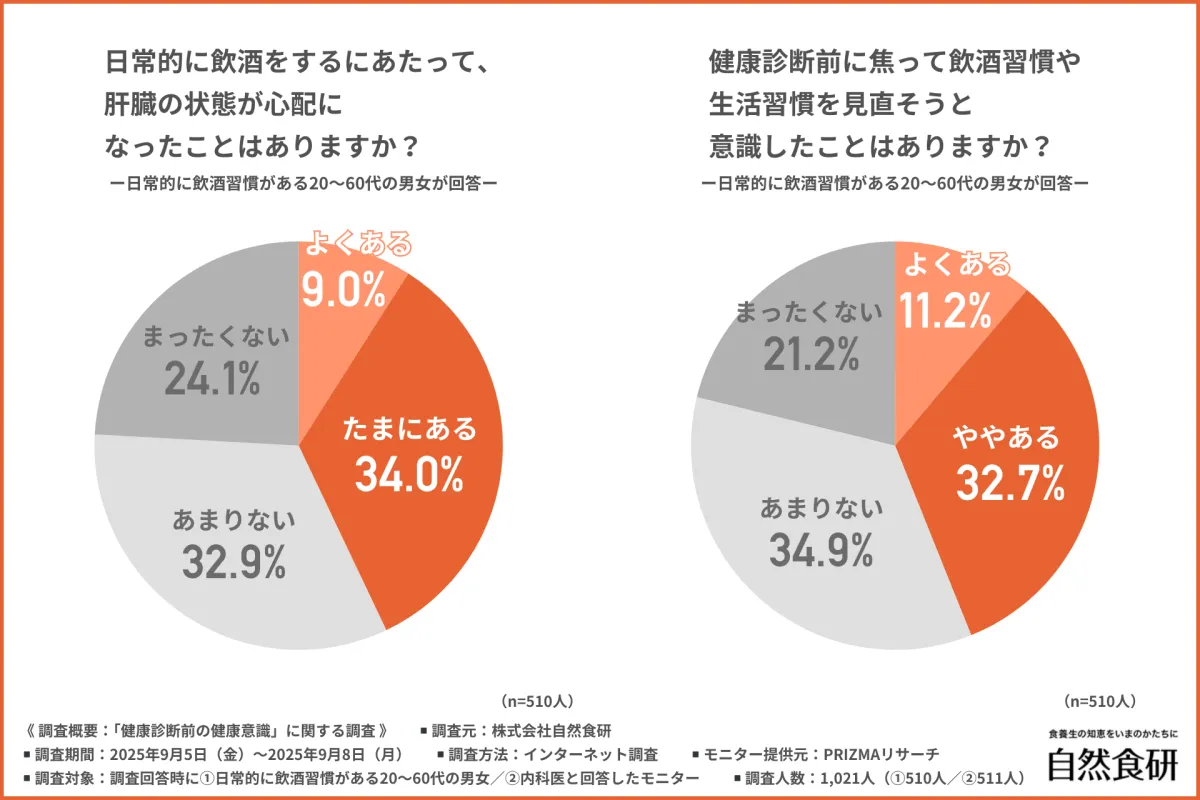
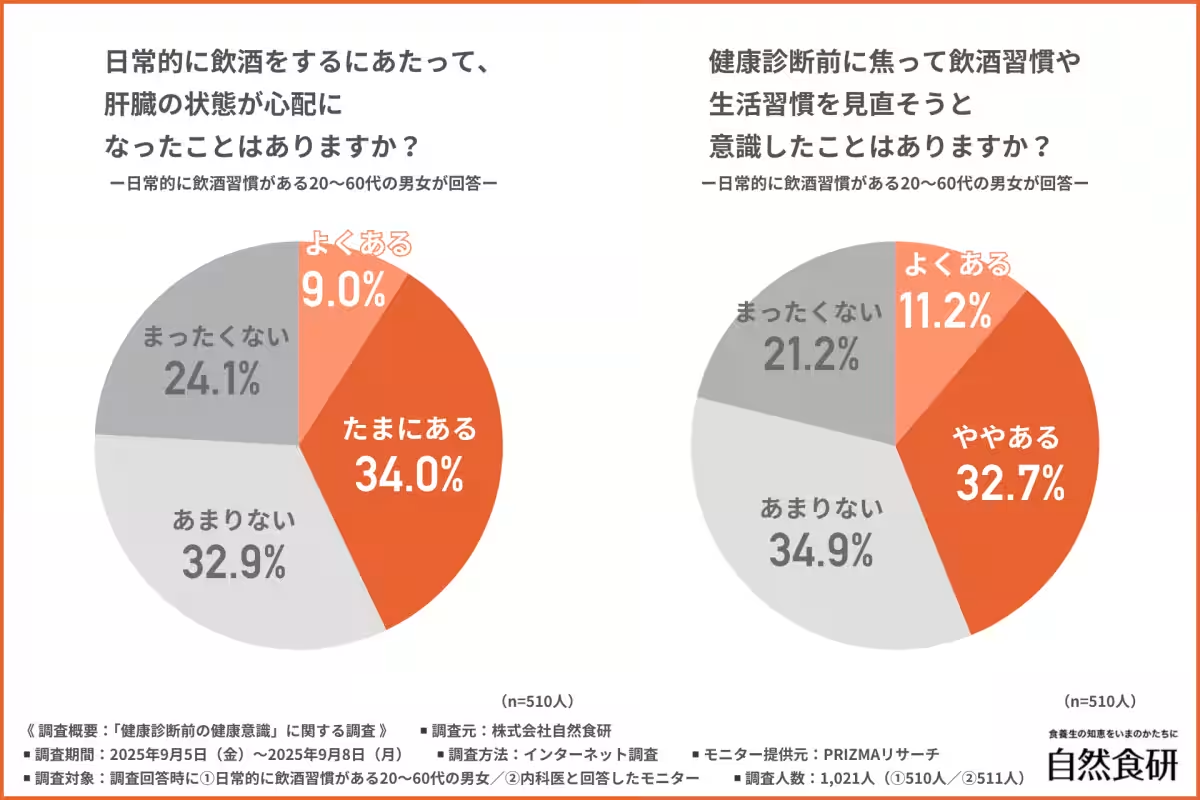
As we approach our scheduled health check-ups, many individuals feel a heightened awareness of their health, leading them to adjust their drinking and eating habits. However, this survey reveals that only about 40% of respondents actively seek to change their habits before the check-ups. Among those concerned about their liver health, approximately 40% reported that they have frequently or occasionally felt anxious about their liver's condition due to their drinking habits.
Interestingly, the survey indicated that nearly 60% of participants do not share similar concerns, which may signal a general neglect of liver health awareness. When prompted about their desire to adjust their drinking and lifestyle habits before the health check-up, about 40% acknowledged that they sometimes or often found themselves making these adjustments. However, the motivation usually lacks sufficient strength to result in significant behavioral changes.
Common Adjustments Made
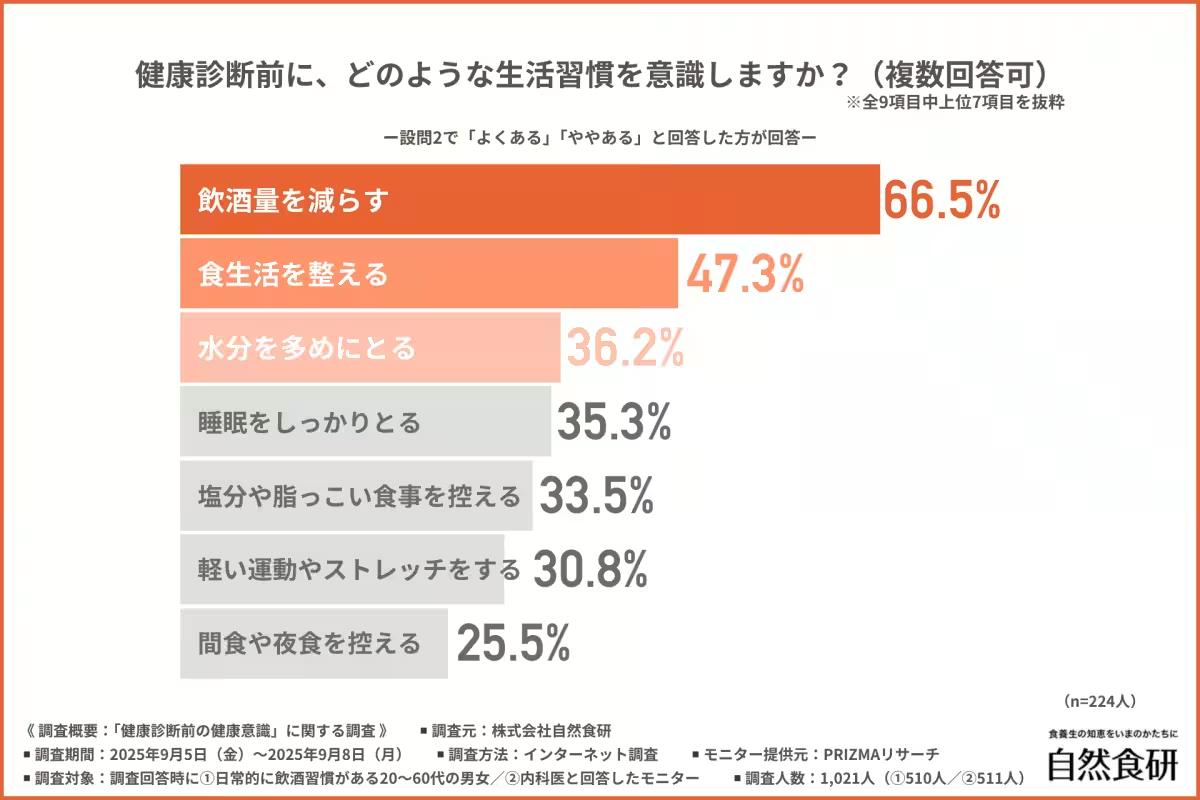
Among those who did express a commitment to change, the most common adjustments included reducing alcohol intake (66.5%), improving their diet (47.3%), and increasing fluid intake (36.2%). These responses reflect an awareness of the potential impacts of drinking on liver function and a willingness to prepare adequately for health assessments.
The Aftermath of a Health Check-Up
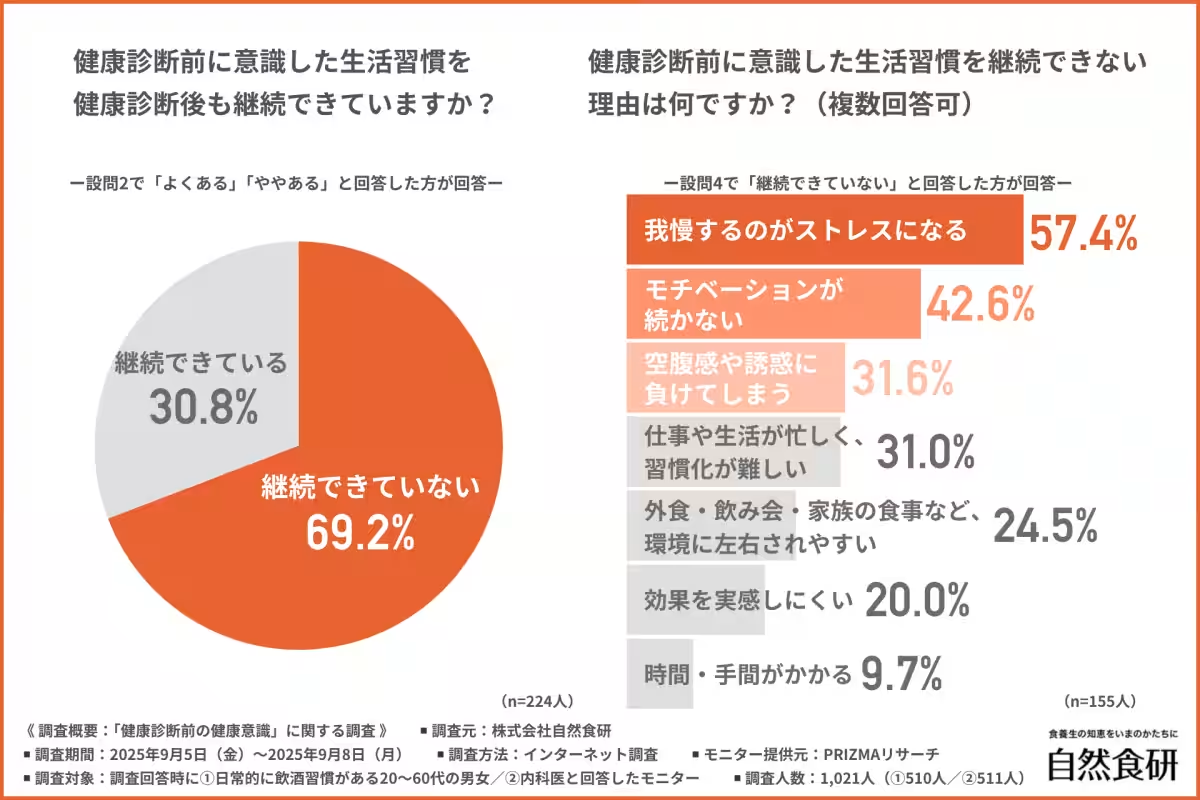
Despite these pre-check-up efforts, the persistence of healthier habits post-assessment is concerning. Roughly 70% of individuals who attempted to modify their drinking behaviors acknowledged difficulty in maintaining these practices after receiving their health check results. This suggests that for many, the motivation experienced before the check-up dissipates quickly.
Survey respondents listed several reasons for this lapse in healthy behaviors. The foremost factor cited was stress due to self-control (57.4%), followed by a decline in motivation (42.6%) and succumbing to hunger or other temptations (31.6%). Such insights suggest that overly restrictive measures can lead to psychological strain, causing individuals to revert to their previous habits.
Insights from Medical Professionals
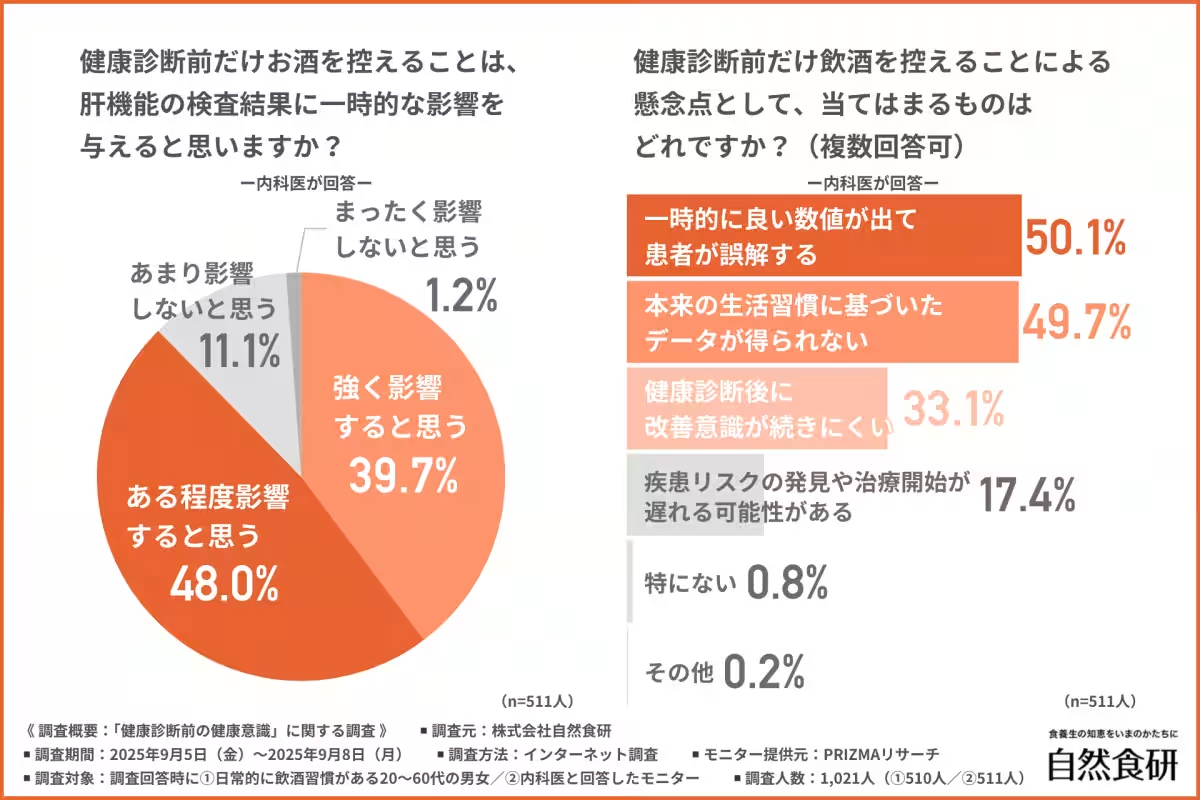
The survey also sought opinions from physicians about the implications of short-term alcohol abstinence prior to health checks. Notably, around 90% of physicians believed that temporary abstinence could significantly affect liver function test results. However, they warned against the dangers of such temporary adjustments. Physicians emphasized that this could mislead patients, creating an illusion of good health that does not reflect their true lifestyle behaviors.
When asked about the potential risks of only moderating drinking behavior before check-ups, the most common concerns included the potential misinterpretation of improved test results (50.1%) and questions about the accuracy of health data being based on irregular behaviors (49.7%). This suggests a critical need for patients to maintain their regular lifestyles to ensure health assessments provide an accurate picture of their true health.
Best Practices for Sustaining Healthy Habits
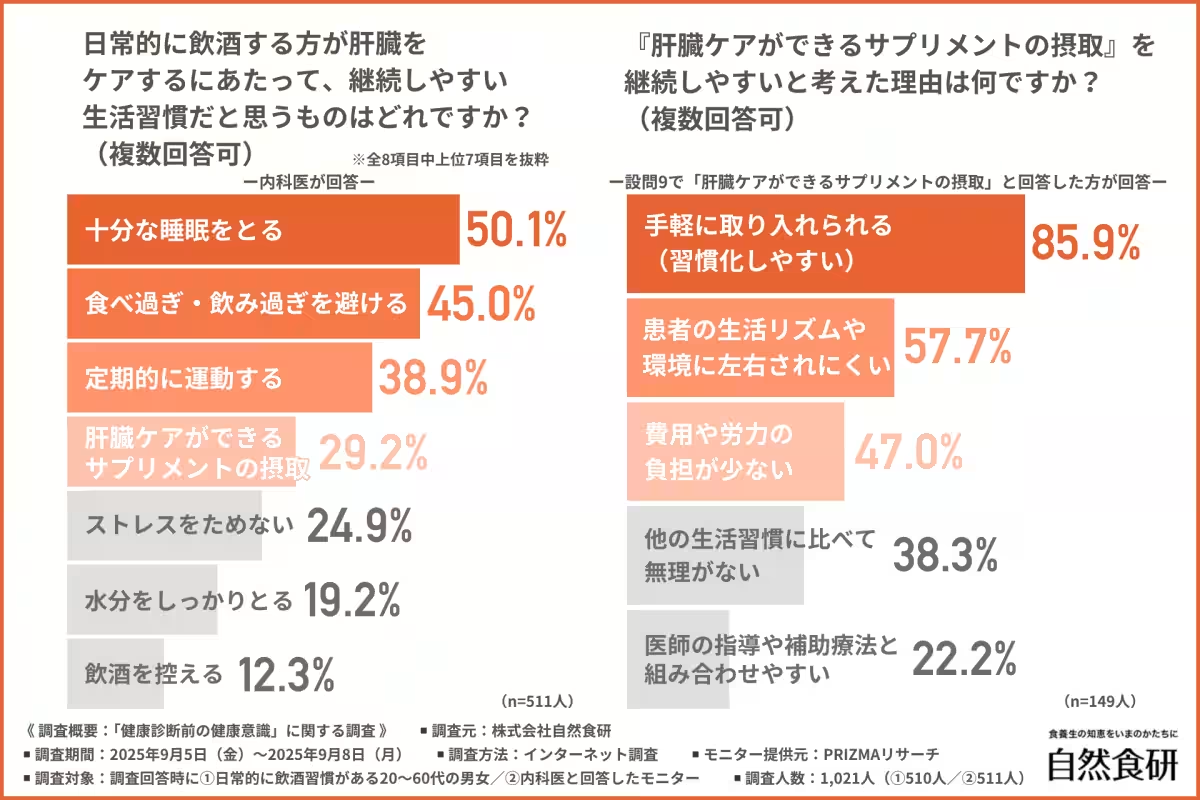
Given the importance of maintaining health post-check-up, physicians have reiterated the significance of adopting consistent healthy behaviors in daily life. Practices that are easily integrated into daily routines seem to be favored. For instance, sleep (50.1%) emerged as the most advocated habit for liver health, alongside avoiding overeating (45.0%) and engaging in regular physical activity (38.9%). As such, these alternatives showcase that long-term liver care doesn’t solely revolve around reducing alcohol intake but includes overall lifestyle adaptability.
Moreover, supplements developed for liver care, such as Sizenshokken's Shijimi Habit, have gained attention. Respondents appreciated these supplements for their convenience and adaptability to busy lifestyles while maximizing liver health benefits without significant lifestyle alterations. This indicates a strong preference for manageable, integrated approaches to wellness.
Conclusion: A Call for Sustainable Lifestyle Reforms
In conclusion, the survey conducted by Sizenshokken highlights critical patterns in drinking habits, particularly concerning health check-up awareness among regular drinkers. While there is an initial spike in health-conscious behaviors around check-up periods, maintaining these practices proves challenging for many individuals. Addressing the psychological and environmental hurdles tied to these behavioral changes is pivotal for long-term health improvements, especially concerning liver health. The formation of achievable goals and continuous healthy lifestyle adaptations, supported by appropriate supplements, will likely promote better health outcomes. As the saying goes, health check-ups should not merely be a routine but rather a pivotal point for genuine lifestyle reform.

Topics Health)
【About Using Articles】
You can freely use the title and article content by linking to the page where the article is posted.
※ Images cannot be used.
【About Links】
Links are free to use.