



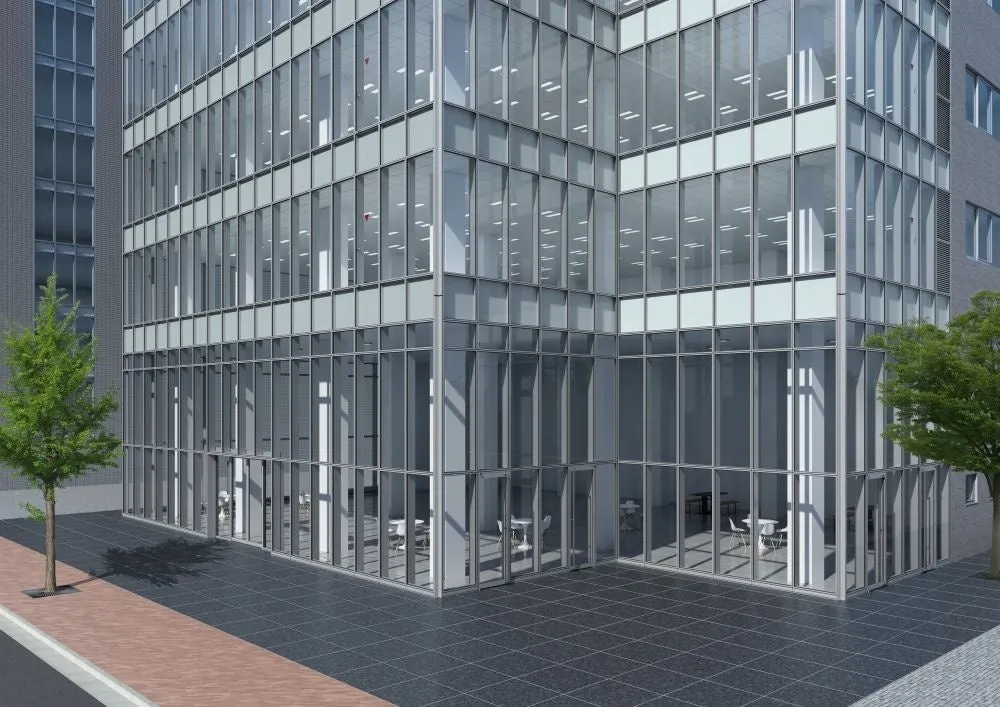
YKK AP Publishes Its Comprehensive Environmental Report for 2026
YKK AP's Environmental Report 2026: A Commitment to Sustainability
YKK AP Corporation, headquartered in Chiyoda, Tokyo, has released its "Environmental Report 2026", detailing its environmental initiatives for the fiscal year 2025. The report aligns with the company’s vision for 2030, titled "Evolution2030", which emphasizes the importance of contributing to global environmental sustainability.
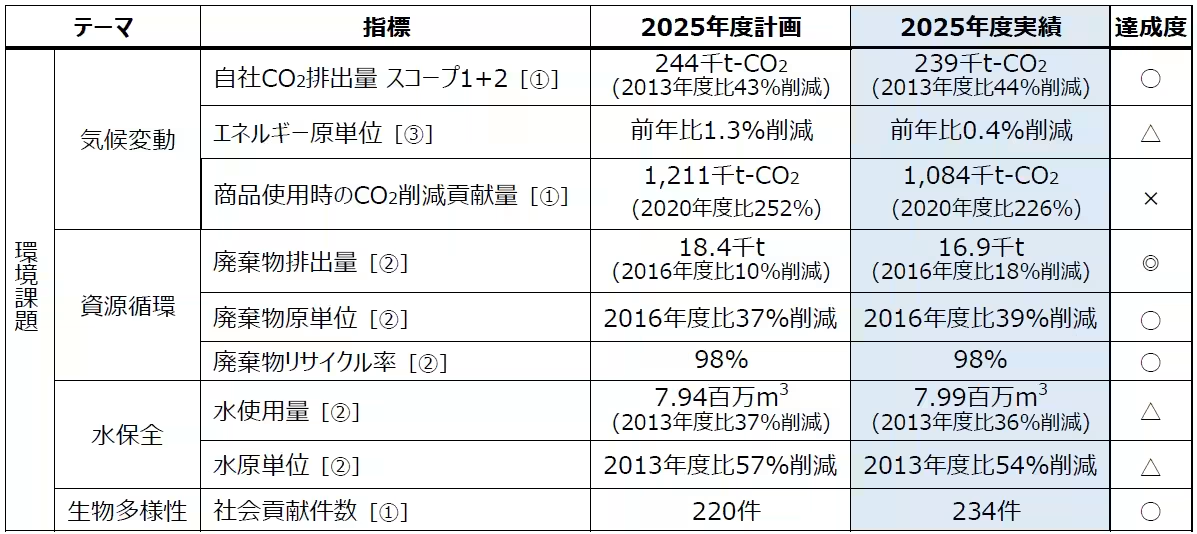
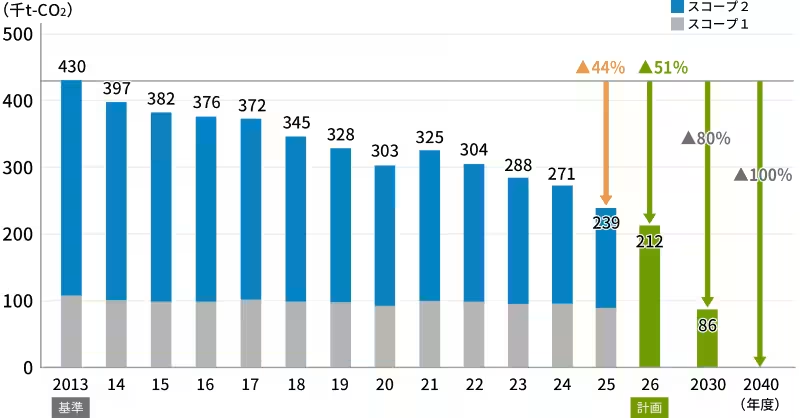
The year 2025 marks the first year of the Seventh Medium-Term Environmental Business Plan (2025-2028), focusing on four core environmental challenges: climate change, resource circulation, water conservation, and biodiversity. Reflecting their commitment, the company has made significant strides in reducing carbon emissions, achieving a 44% reduction in its direct CO2 emissions (Scope 1 and 2) and a 30% reduction in emissions throughout its supply chain (Scope 3) from the fiscal year 2013 levels. YKK AP has also earned an "A" rating in the Supplier Engagement Evaluation by CDP, a prestigious international nonprofit organization dedicated to environmental sustainability.
Highlights of YKK AP's Environmental Efforts in FY 2025
1. Climate Change (Carbon Neutral)
- Achieved a 44% reduction in company-wide CO2 emissions (Scope 1 + 2) compared to fiscal year 2013.
- Reduced supply chain CO2 emissions (Scope 3) by 30% relative to 2013 levels.
2. Resource Circulation (Circular Economy)
- Decreased waste emissions by 18% compared to FY 2016, achieving a waste reduction ratio of 39%.
3. Water Conservation
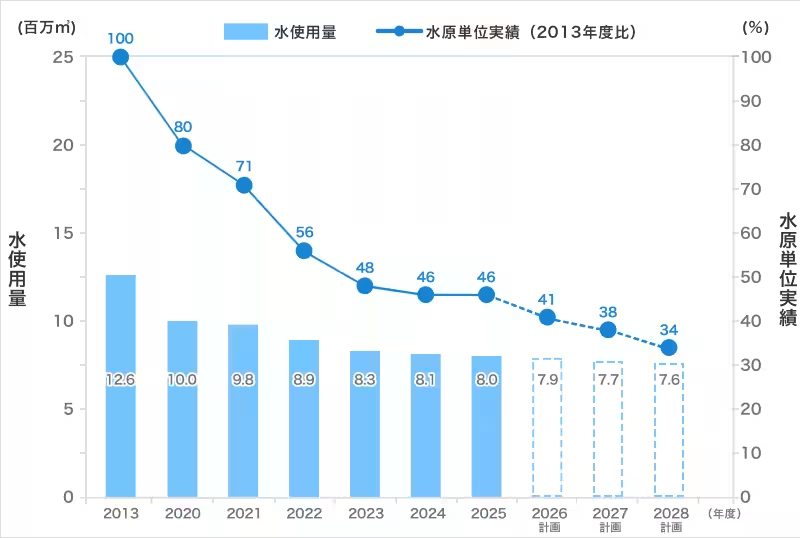
- Cut water usage by 36% compared to FY 2013.
4. Biodiversity Initiatives
- Implemented 234 community contributions focusing on environmental conservation and biodiversity education.
Key Achievements and Future Goals
1. Climate Change Initiatives
YKK AP has introduced renewable energy solutions across its facilities, installing approximately 17,800 kW of solar power — a 1.1-fold increase from the previous year. These initiatives have led to an annual CO2 reduction of 11,000 tons, and innovations such as the "Re·AL" aluminum building materials made from 100% recycled aluminum and verified by third-party assessments have helped further these efforts.
2. Circular Economy Strategy
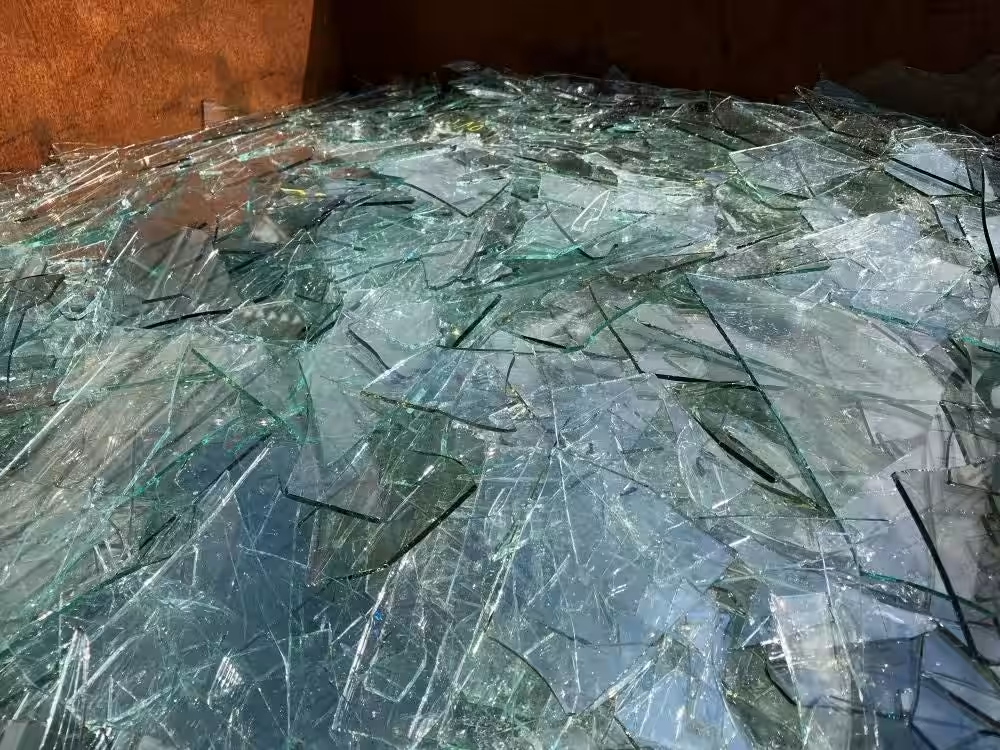
The company has successfully reached a 100% recycling rate for internal aluminum and has increased the use of recycled materials. Efforts to process glass waste on-site have begun, enabling YKK AP to recycle previously discarded glass into valuable materials.
3. Sustaining Water Resources
To enhance operational continuity in the face of droughts and water risks, YKK AP has implemented water reduction measures in its production processes, achieving a remarkable 36% decrease in water usage from 2013 levels.
4. Biodiversity and Community Engagement
YKK AP has engaged in various community initiatives, such as tree planting and environmental education programs, tailored to enhance biodiversity and local ecological contributions.
Looking Ahead
For FY 2026, the company plans to establish a new sustainability department that will drive collaboration across product development, manufacturing, and digital initiatives. The focus will remain on the significant goals set for climate change and resource circulation, targeting reductions of 51% and 31% in CO2 emissions for Scope 1+2 and Scope 3 respectively, based on 2013 benchmarks. With ongoing projects, YKK AP aims to further its innovative approach to sustainable building materials and practices.
In conclusion, YKK AP's relentless pursuit of sustainability through comprehensive environmental strategies demonstrates its commitment to a greener future, contributing positively to both local and global communities. More detailed information about the sustainability data can be accessed through their official website: YKK AP Environmental Report 2026.
Stay tuned for more updates from YKK AP as they continue their dedicated work towards becoming a leader in environmental stewardship.

Topics Environment)
【About Using Articles】
You can freely use the title and article content by linking to the page where the article is posted.
※ Images cannot be used.
【About Links】
Links are free to use.