



Recent Analysis on COVID-19 Infection and Healthcare System in Okayama Prefecture
Recent Analysis on COVID-19 Infection in Okayama
As of July 28, 2025, Okayama University has published an analysis regarding the COVID-19 infection status and the healthcare provision system in Okayama Prefecture. The data used for this analysis is derived from reports and statistics available on the Okayama Prefecture's official website, along with expert comments from local professionals. The information is regularly updated weekly to provide the most current insights into the situation.
The ongoing pandemic necessitated a clear understanding of the local infection trends and healthcare responses. With the WHO declaring an end to the pandemic phase, Japanese society is slowly returning to normal routines. However, it remains critical for residents to remain vigilant regarding COVID-19 and related health concerns, particularly when considering the recent uptick in cases based on the recent data.
Infection Status
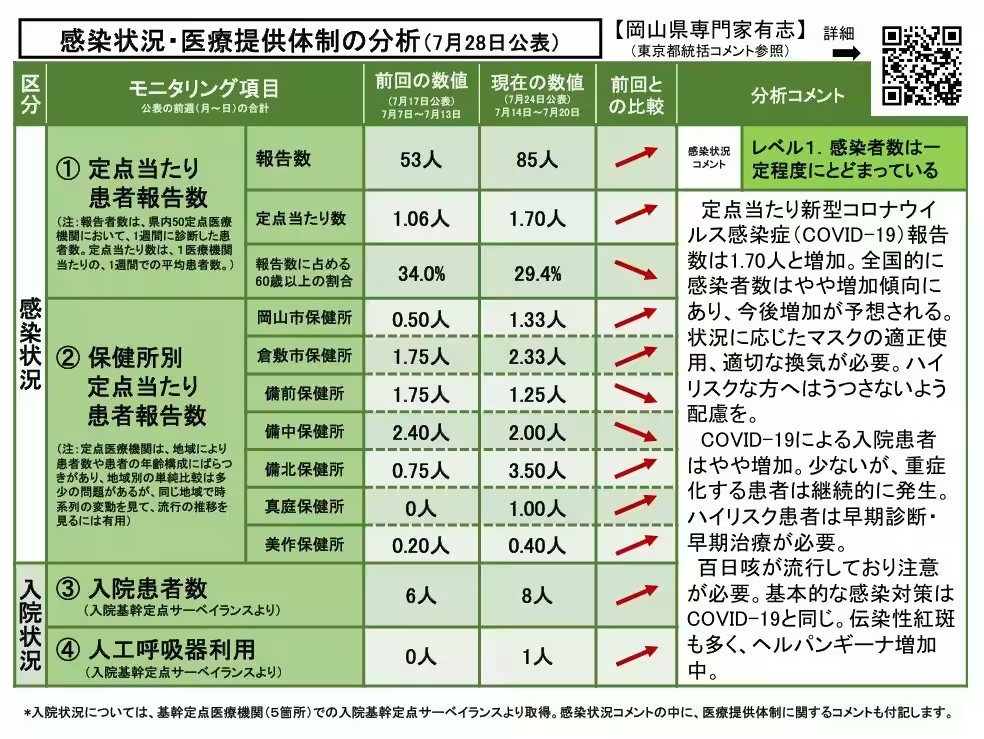
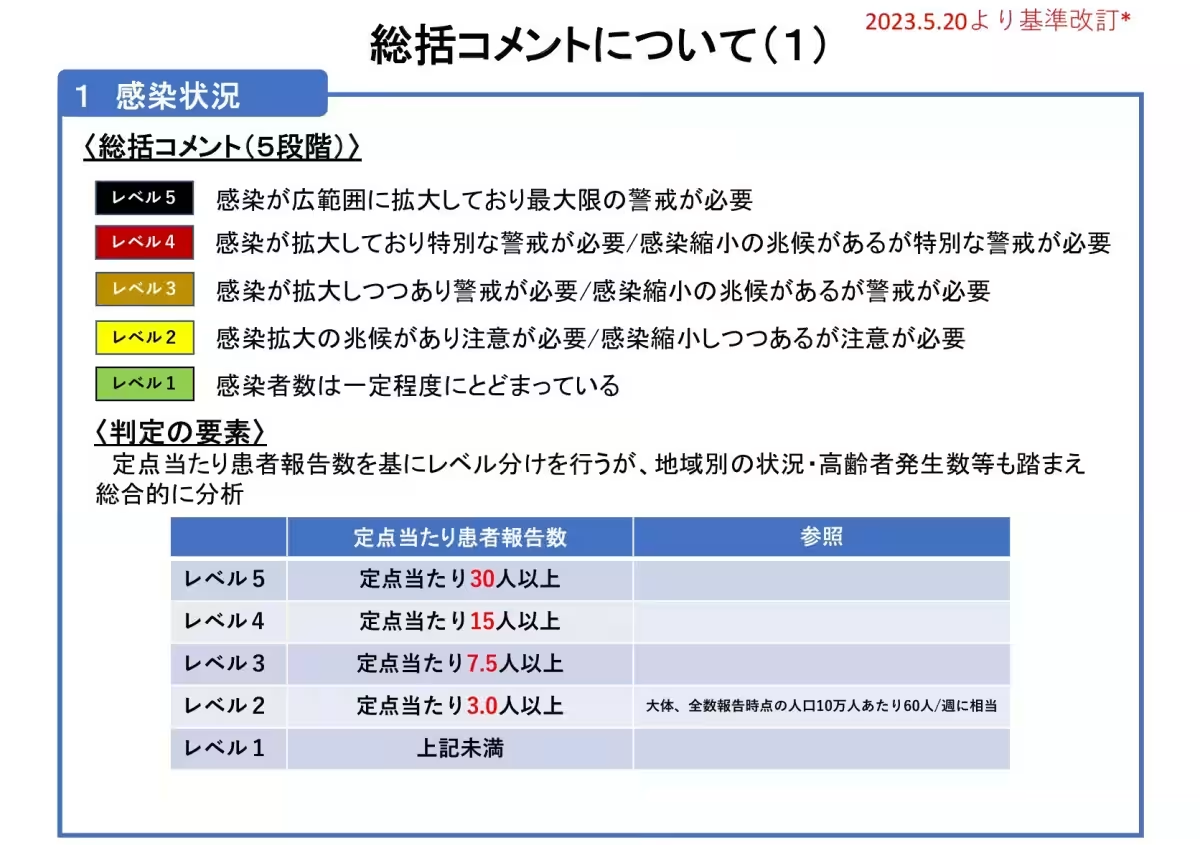
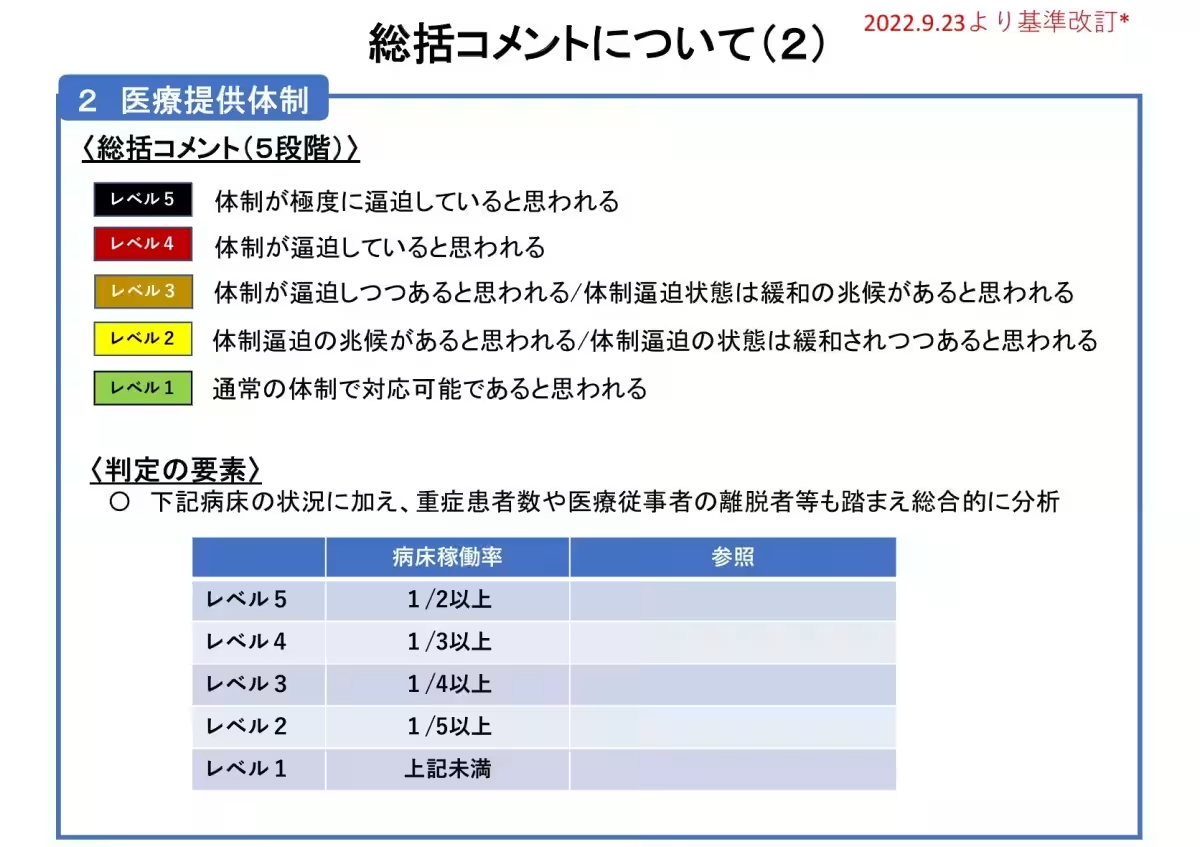
Currently, the infection level is rated at Level 1, indicating that the number of reported COVID-19 cases is stable at approximately 1.70 per reporting unit, signaling a slight increase. Nationally, the trend shows some escalation in cases, leading to expectations of further rises. This prompts a universal reminder of following necessary health precautions, such as proper mask usage and ensuring ventilation in both public and private spaces. Extra caution is paramount for high-risk individuals to prevent potential transmissions.
COVID-19-related hospitalizations have also seen a slight increase. Though the total numbers remain low, instances of severe cases of the virus continue to occur. Early diagnosis and treatment are essential for individuals classified as high-risk to mitigate potential health complications. The report also highlights that pertussis (whooping cough) is currently spreading, requiring attention akin to that of COVID-19, alongside increases in cases of infectious erythema and herpangina.
Healthcare Response
The collaborative efforts from experts in Okayama University include specialists from the fields of epidemiology and internal medicine. Key contributors include Takashi Yorifuji from the Graduate School of Medicine, Dentistry, and Pharmaceutical Sciences, Eitoku Hagiya from Okayama University Hospital, Koji Fujita from Tsuyama Central Hospital, and Yoshinori Ichimura from the National Center for Global Health and Medicine. Their collective input is crucial in recommending ongoing strategies to guard public health effectively.
In essence, the data analysis aims to support residents in understanding the evolving context of infection rates and healthcare responses regarding COVID-19 while encouraging continued adherence to prevention measures in daily life.
Furthermore, interested individuals can access detailed reports and statistics on Okayama University's official website and other recommended sources provided. This continuous information flow helps keep the community informed and prepared as circumstances evolve in relation to COVID-19.
For more information and updates, residents can refer to Okayama University's COVID-19 information page.
In conclusion, as Okayama navigates through these challenging times, the importance of shared information and a cooperative approach to public health cannot be overstated. The combined efforts of healthcare professionals and researchers promise to support the community's safety and well-being during this pandemic and beyond.


Topics Health)
【About Using Articles】
You can freely use the title and article content by linking to the page where the article is posted.
※ Images cannot be used.
【About Links】
Links are free to use.