



Growing Concerns Over Medical Costs Impacting Health Choices in Japan 2026
Insights from the 2026 Nationwide Survey on Medical Costs and Health
In the latest survey conducted by MetLife Life Insurance, the focus on healthcare and associated expenses has arisen as a significant concern among different age groups in Japan. The survey, which reached out to a diverse demographic of 20-79-year-olds across all 47 prefectures, highlighted alarming trends regarding the increasing burden of medical expenses and the public's willingness to invest in health maintenance and prevention.
Key Findings of the Survey
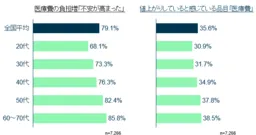
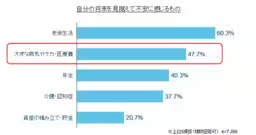
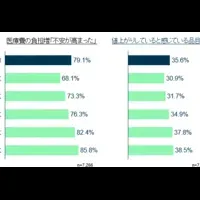
A staggering 79.1% of participants expressed increased anxiety over the rising costs associated with healthcare. Notably, this apprehension heightened with age: 68.1% of individuals in their 20s reported worries, escalating to 85.8% among those in their 60s and 70s. This clear age-related pattern signifies a growing concern as individuals age, reflecting broader societal issues regarding healthcare affordability.
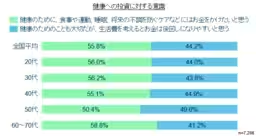
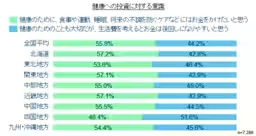
In parallel, 55.8% of respondents indicated a desire to spend more on health, covering areas like nutrition, exercise, sleep, and preventive care. Interestingly, this figure draws a contrast with those in their 50s, where nearly half—49.6%—noted that while health is important, household expenses often take precedence, highlighting a balancing act of priorities.
Concerns Surrounding Illness and Employment
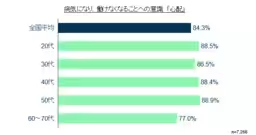
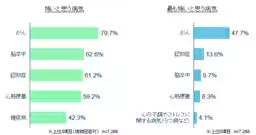
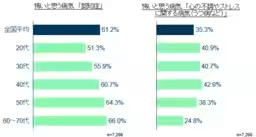
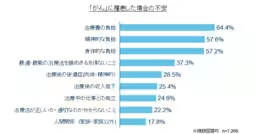
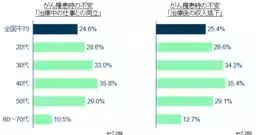
An alarming 84.3% of the survey respondents articulated concerns regarding the potential inability to work due to illness. This fear resonates strongly, especially in the 30 to 40 age group, where worries about the impact of diseases like cancer on their work and earnings are particularly prevalent. Moreover, 79.7% of respondents identified cancer as the most feared illness, with 64.4% concerned about the financial burden that such a diagnosis would entail.
The implications are multifaceted, pointing to a dual anxiety: the immediate health risks and the longer-term financial ramifications. For many, particularly in their 30s and 40s, the concern isn't just about the disease itself but how it would affect their careers and financial security.
Age-Related Health Anxiety
The findings also expose profound anxiety related to specific illnesses as respondents disclosed their fears regarding cancer, strokes, and dementia. While 79.7% pointed to cancer as their foremost concern, additional worries surfaced around mental health issues such as depression, particularly significant among young adults in their 20s and 30s.
Moving Forward: A Commitment to Support
In response to these findings, MetLife has pledged to enhance its support mechanisms, adapting their services to meet the diverse health-related needs of customers. Amid rising anxiety about medical costs and illness, the insurance company seeks to provide clear information and consultation opportunities, ensuring customers can make informed decisions during times of uncertainty.
As financial pressures mount amidst the rising costs of healthcare, it is evident that while many are keen to invest in their health, broader socio-economic factors significantly influence their capacity to do so. The findings reveal critical areas for intervention, emphasizing the importance of health education and accessible resources to help individuals prioritize their wellbeing without compromising their fiscal responsibilities.
For further analysis and specifics, here is the comprehensive report from MetLife detailing all findings related to this critical survey. This collaboration between healthcare awareness and fiscal responsibility is paramount as society navigates an increasingly uncertain landscape of medical costs in Japan.
Conclusion
The results of the Nationwide Survey shed light on the essential interplay between financial health and personal well-being, posing crucial questions for policy makers, health professionals, and insurance providers alike. In these challenging times, continuous dialogue around medical costs and innovative solutions tailored to individual needs is not just necessary; it’s imperative. With a focus on forward-thinking strategies, we can hope for a future where health is prioritized, and financial burdens are alleviated for all individuals across age spectrums.
Topics Health)
【About Using Articles】
You can freely use the title and article content by linking to the page where the article is posted.
※ Images cannot be used.
【About Links】
Links are free to use.