


Revealing How Human Neural Stem Cells Connect Metabolism and Fate
Understanding the Role of LSD1 in Neural Stem Cells' Fate
Recent research led by a group of scientists from AIST and Kumamoto University has illuminated the underpinnings of how metabolic processes influence the fate of human neural stem cells (hNSCs). This breakthrough investigates the role of the enzyme LSD1, a key epigenetic regulator, in linking energy metabolism with the differentiation of hNSCs into neurons and astrocytes.
Key Findings
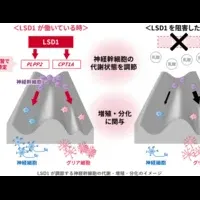
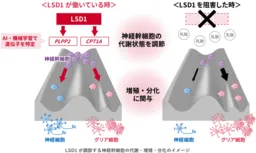
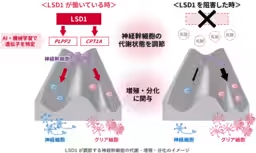
The team focused on the methylation process, a form of epigenetic modification, revealing that LSD1 plays a vital role in regulating metabolic genes, thereby influencing both the metabolic state and differentiation of these stem cells. By applying a novel approach that combined laboratory cell experiments with advanced machine learning techniques, the researchers successfully identified metabolic genes that LSD1 impacts.
The identification of PLPP2 and CPT1A as crucial players illustrated how LSD1 governs gene expression, contributing to the maintenance of stem cell properties while also directing differentiation pathways. This research not only elucidates the delicate balance between proliferation and differentiation in hNSCs, but it also lays foundational knowledge for future studies in regenerative medicine.
Methodology
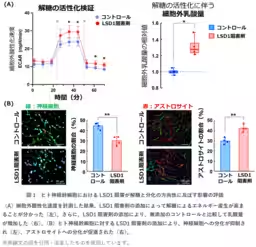
The researchers utilized a series of experiments where they inhibited LSD1's activity in cultured human neural stem cells. This inhibition resulted in an uptick in glycolytic activity—the process through which glucose is converted into energy—and a noted increase in lactate production. Interestingly, while the overall proliferation of the cells was decreased, their differentiation towards astrocytes was stimulated, contrasting with inhibited neuronal differentiation.
In order to pinpoint which genes were responsible for these metabolic changes, the researchers employed an Elastic Net machine learning technique to sift through comprehensive gene expression data. This innovative analysis allowed them to establish connections between LSD1 activity and significant metabolic alterations, resulting in effective identification of two candidate genes—PLPP2 and CPT1A—that presented strong correlations with the observed changes.
Implications for Future Research
The implications of this research are profound, suggesting that by manipulating LSD1, researchers could steer the differentiation process of neural stem cells more effectively. If reproducibility and applicability can be confirmed in various hNSCs derived from different sources or culture conditions, this work could pave the way for establishing benchmarks in quality assessment for neural cells used in regenerative therapies.
Additionally, understanding the role of LSD1 in this context could open new avenues for exploring the pathogenetic mechanisms involved in neurodevelopmental disorders.
This rigorous analysis of the connection between metabolism and the stemness of neural cells adds a compelling dimension to our understanding of neurodevelopment and cellular fate determination, ultimately contributing to advancements in regenerative medicine.
Publication Details
This landmark research was published online on October 8, 2026, in "Stem Cell Reports" and is indexed under the DOI: 10.1016/j.stemcr.2026.103115. The authors include Kazutoshi Murotomi, Kazumi Hirano, Kazutaka Araki, Hiroko Ishitsuka, Daisuke Miura, Shinjiro Hino, and Masakazu Namihira.
For further details, please visit the official press release.

Topics Health)


【About Using Articles】
You can freely use the title and article content by linking to the page where the article is posted.
※ Images cannot be used.
【About Links】
Links are free to use.