


Comprehensive Guide to Winter Infection Prevention and Health Management
Winter Infection Prevention and Health Management
As winter approaches, the concerns over infectious diseases like influenza grow. Amidst the cold and busy schedules, many individuals might face sleep deprivation or unbalanced diets. It is crucial during winter to reduce exposure to viruses while ensuring adequate rest and a balanced diet. Relying solely on foods perceived to boost immunity is not sufficient; one must also take a comprehensive look at daily habits.
Understanding Public Concerns
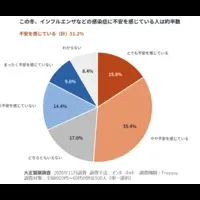
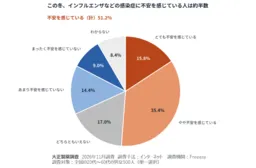
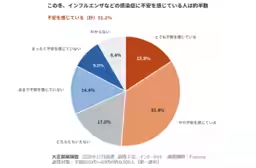
A recent survey conducted by Taisho Pharmaceutical on 500 men and women aged 20 to 60 revealed that a significant portion (51.2%) expressed varying degrees of anxiety regarding diseases like influenza this winter. Interestingly, over half (51.2%) indicated they have no plans to receive this season's flu vaccine, while only 12.6% reported having completed their necessary vaccinations.
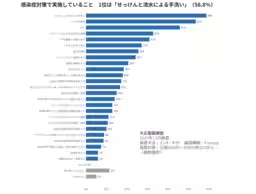
When it comes to preventive measures, traditional practices remain dominant. The most common strategies include washing hands with soap and water (294 respondents), wearing masks (268 respondents), gargling (229 respondents), and ensuring adequate sleep (155 respondents). However, responses concerning dietary habits were less frequent, with only 121 participants focusing on maintaining a balanced diet.
Dietary Choices for Immunity
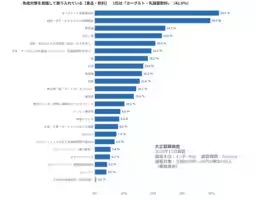
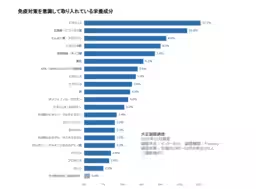
In terms of foods chosen to potentially enhance immunity, yogurt and probiotic drinks topped the list (42.6%), followed closely by fermented foods like natto and kimchi (39.6%). Vegetables (24.2%) and mushrooms (23%) also featured prominently. When it comes to nutritional components, respondents highlighted Vitamin C (12.2%), probiotics (10.8%), and protein (8.6%) as essential nutrients. However, this reflects selective responses rather than empirical evidence comparing the preventive effects of these foods.
It’s important to focus not only on individual food items but also adopt a holistic approach to health by maintaining a balanced diet, proper sleep patterns, and physical activity.
Insights from Experts
Dr. Eiji Kusumi, an expert in infectious diseases, emphasized the early onset of influenza this year. Reports indicate a rise in infection rates, with data from the Ministry of Health suggesting a higher number of patients per reporting facility as of late October. The predominant strain this winter is expected to be A(H1N1)pdm09, presenting symptoms similar to previous years. Furthermore, patients have experienced significant fever and severe symptoms that cannot be overlooked.
In addition to the current dominant strain, people should stay vigilant against potential outbreaks of A(H3N2) and B-type influenza. Even as cases fluctuate, ongoing preventative measures are essential throughout the winter.
The Importance of Lifestyle Choices
A collaborative study involving Hirosaki University, Kyoto University, and Taisho Pharmaceutical identified five common behavioral traits among individuals susceptible to influenza: elevated blood sugar, history of pneumonia, busy lifestyles, nutritional deficiencies, and allergies.
Recognizing these patterns underscores the importance of not just adhering to basic preventive methods like washing hands and vaccinations, but also reviewing personal health habits. It prompts one to consider whether they’re compromising sleep or nutrition amid a hectic schedule.
Basic Preventive Measures
Effective winter health strategies hinge on good hygiene and lifestyle choices. Regular hand washing after being out, well-ventilated areas, and appropriate mask usage are foundational practices. Those contemplating vaccination should consult healthcare professionals based on personal health conditions and local prevalence rates.
Nutritional Guidance for Winter
A particularly beneficial winter dish is the hotpot, which can include seafood, tofu, vegetables, and mushrooms. Seafood like oysters and shrimp are rich in taurine, which has been studied for its potential role in immune function. A study indicated that taurine may help mitigate excessive inflammation by regulating immune cell activity.
In addition to taurine, foods found in hotpots provide various other immune-supporting nutrients. For example, vitamin D from fish and mushrooms can help regulate immune functions, while zinc from oysters is vital for healthy immune cell activity.
Incorporating a variety of ingredients not only ensures a nutritious meal but also offers additional benefits like improved gut health, essential for maintaining overall immunity.
Maintain a Healthy Routine
The winter holiday season often leads to irregular sleep patterns and increased stress. Prioritizing 7-8 hours of sleep, balanced meals, and hydration is critical. It's essential to establish a sleep routine, limit distractions before bed, and stay hydrated to combat the dry winter air. Moderate exercise, tailored to personal capability, is also beneficial for overall health.
Consult Promptly When Necessary
If symptoms like fever or fatigue arise, prioritize rest and seek medical advice. High-risk individuals, including the elderly and those with preexisting conditions, should be especially diligent. Should severe symptoms manifest, immediate medical attention is warranted.
In conclusion, effectively managing health against winter infections requires an integrated approach. Consistent efforts in hygiene, vaccine awareness, regular sleep, and nutrition will contribute to a healthier season. Keep monitoring your health and stay proactive for a safe winter.


Topics Health)

【About Using Articles】
You can freely use the title and article content by linking to the page where the article is posted.
※ Images cannot be used.
【About Links】
Links are free to use.