



High-Income Engineers Recommend Learning Linux/OS Foundations to Young Talents
Engineers Highlight the Importance of Linux Learning for Career Advancement
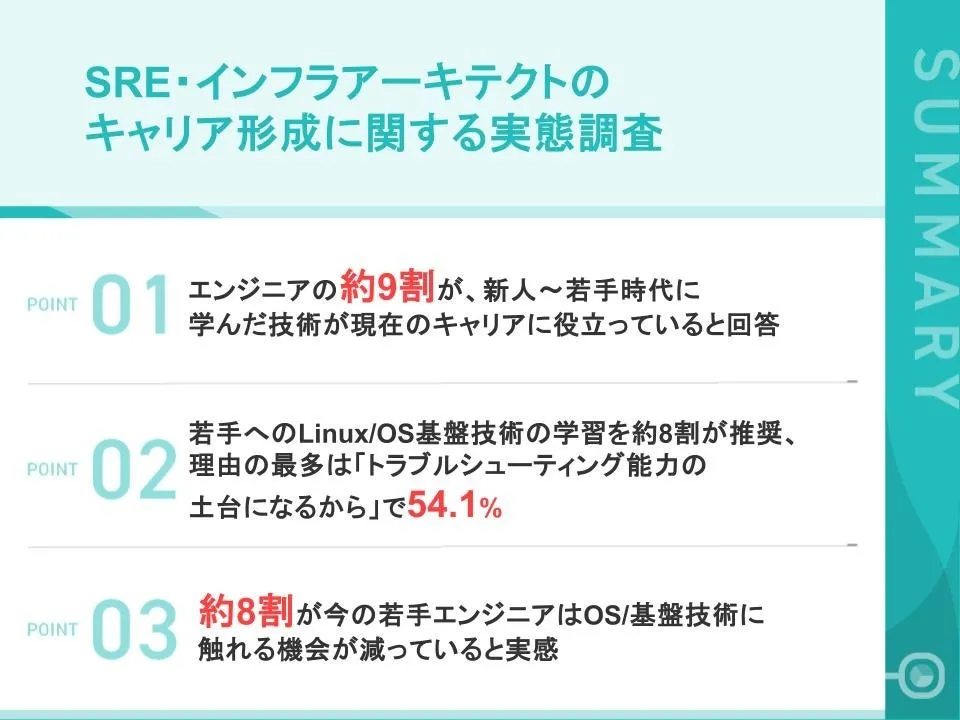
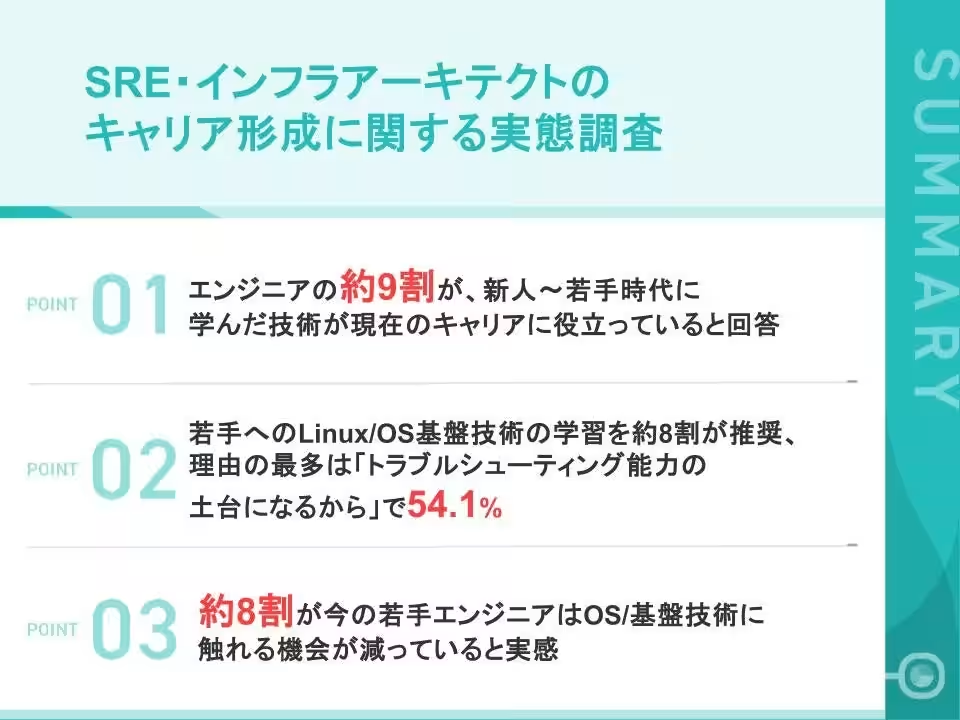
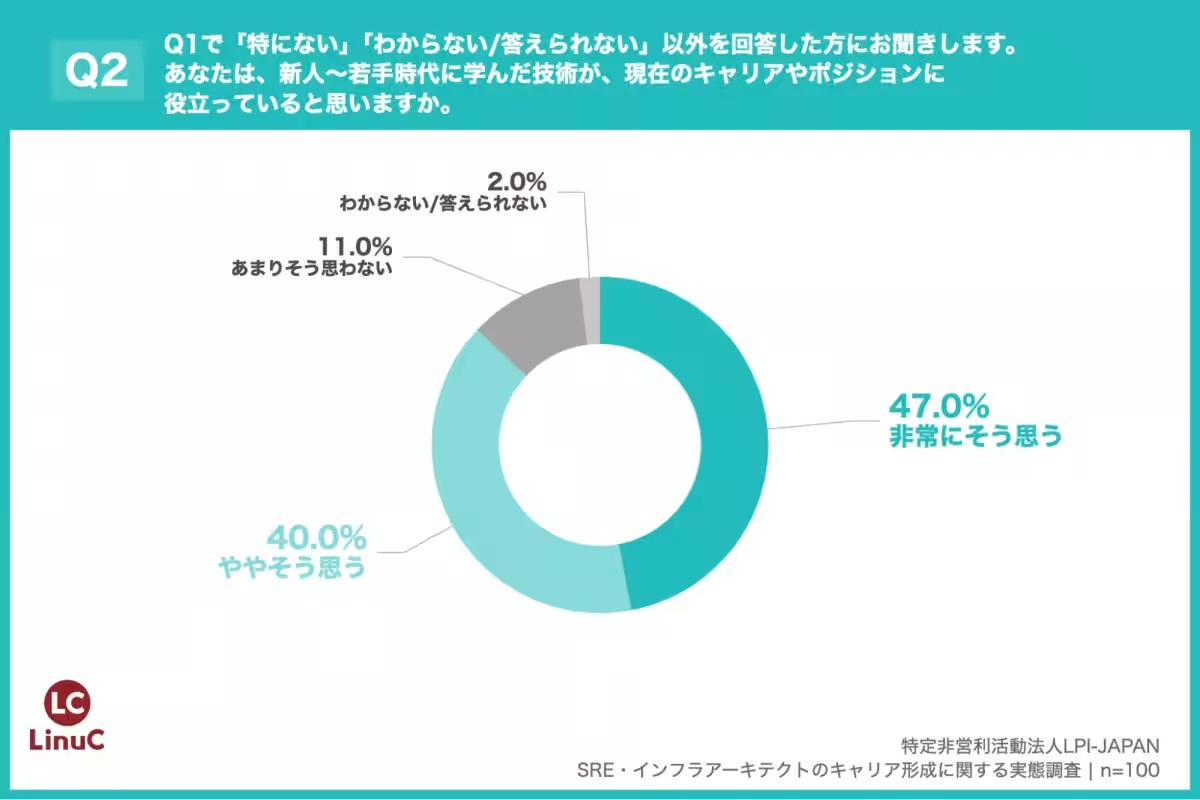
The necessity of foundational knowledge in Linux and OS has emerged as a hot topic among senior engineers, as a recent survey reveals that 87% believe that the skills acquired during their early careers significantly influenced their current professional standing. Conducted by LPI-Japan, the survey gathered insights from 110 engineers in high-income positions (earning over 7 million yen annually), including Site Reliability Engineers (SREs) and infrastructure architects.
Key Findings from the Survey
1. Skills Acquired Early in Career are Vital
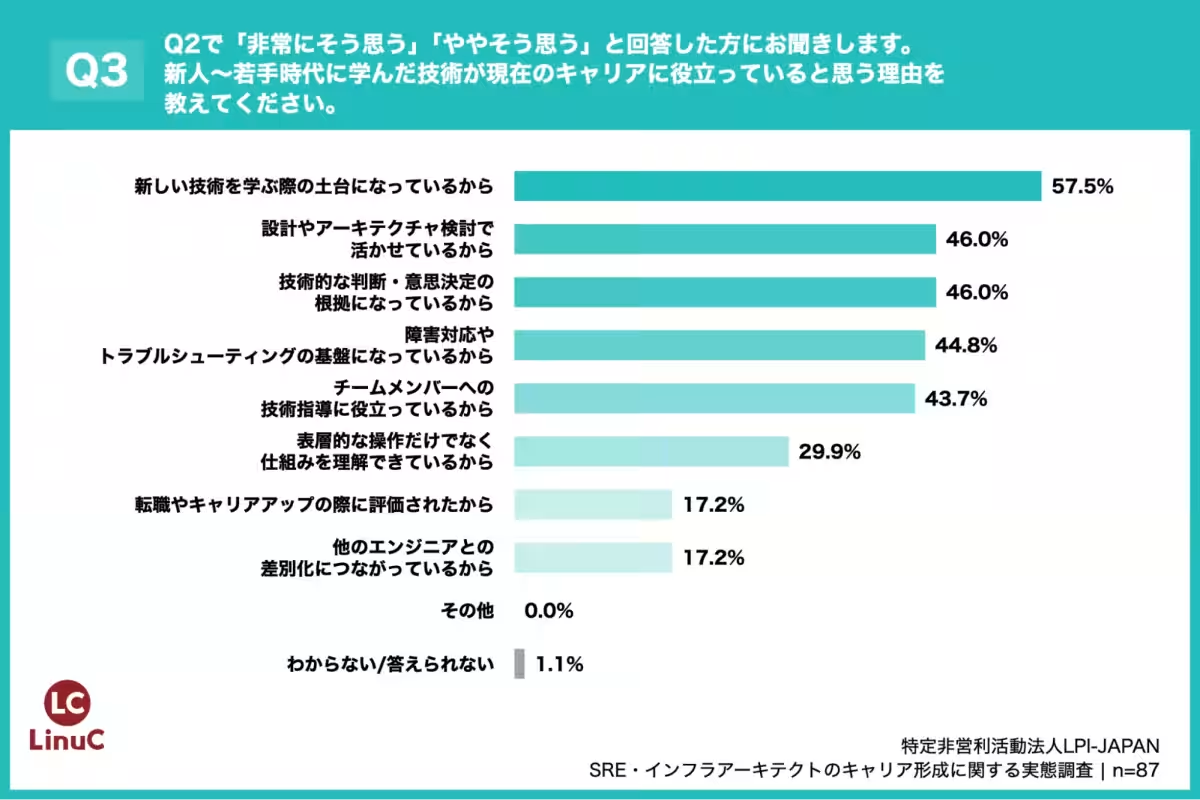
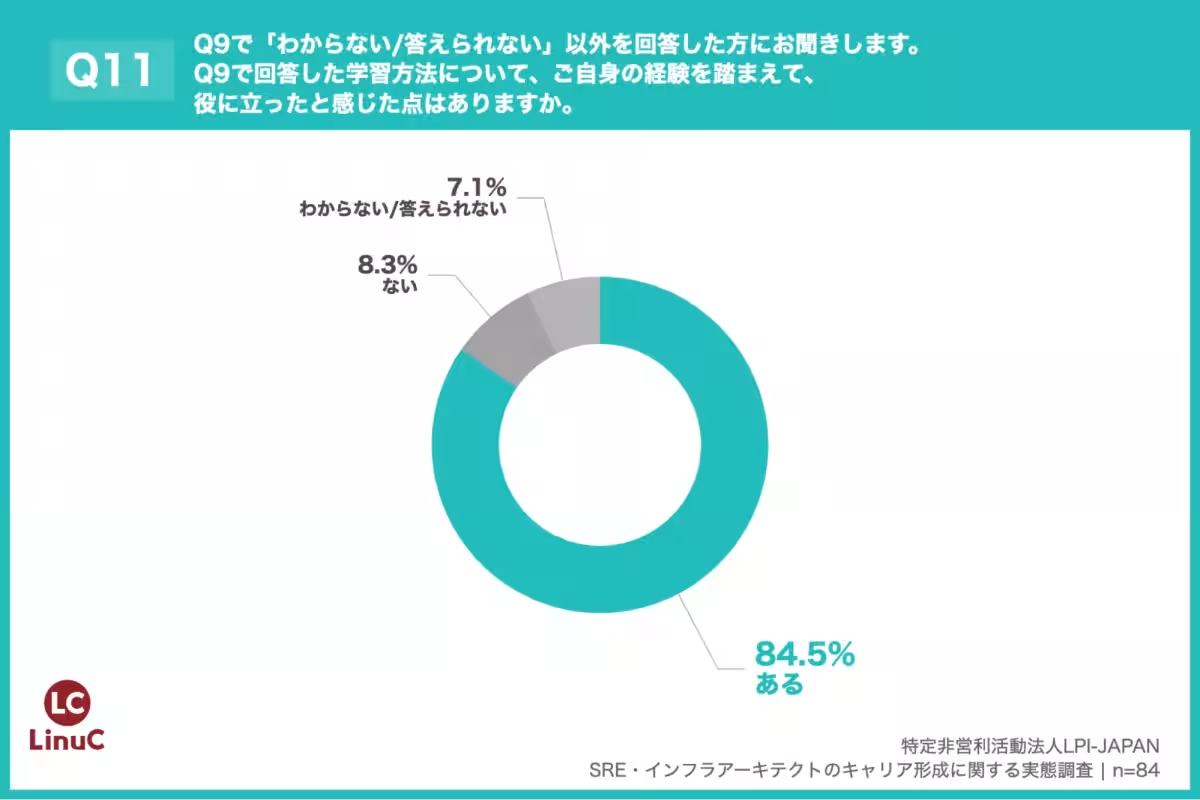
Nearly 90% of the respondents indicated that the technologies they learned in their formative years (within the first five years of their careers) have proven beneficial in their current roles. This highlights a consensus on the impact of foundational skills in technology on long-term career success.
2. Recommendation for Young Engineers
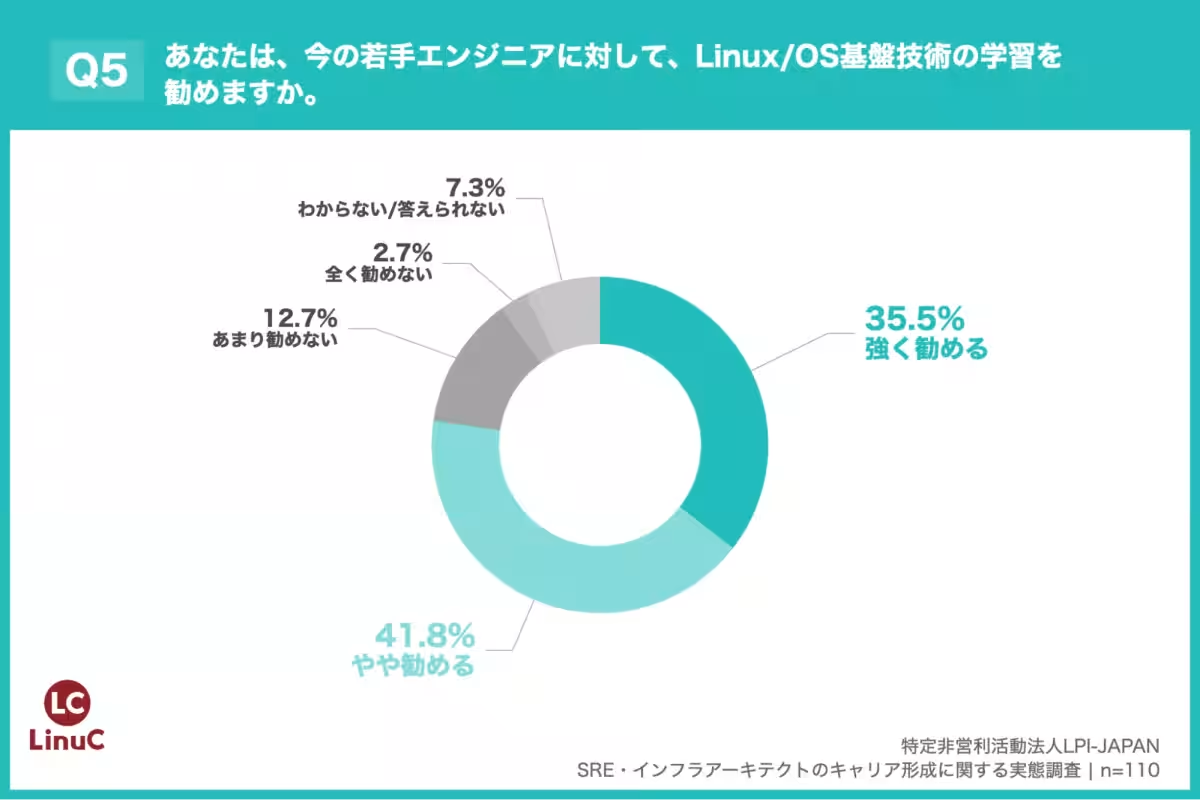
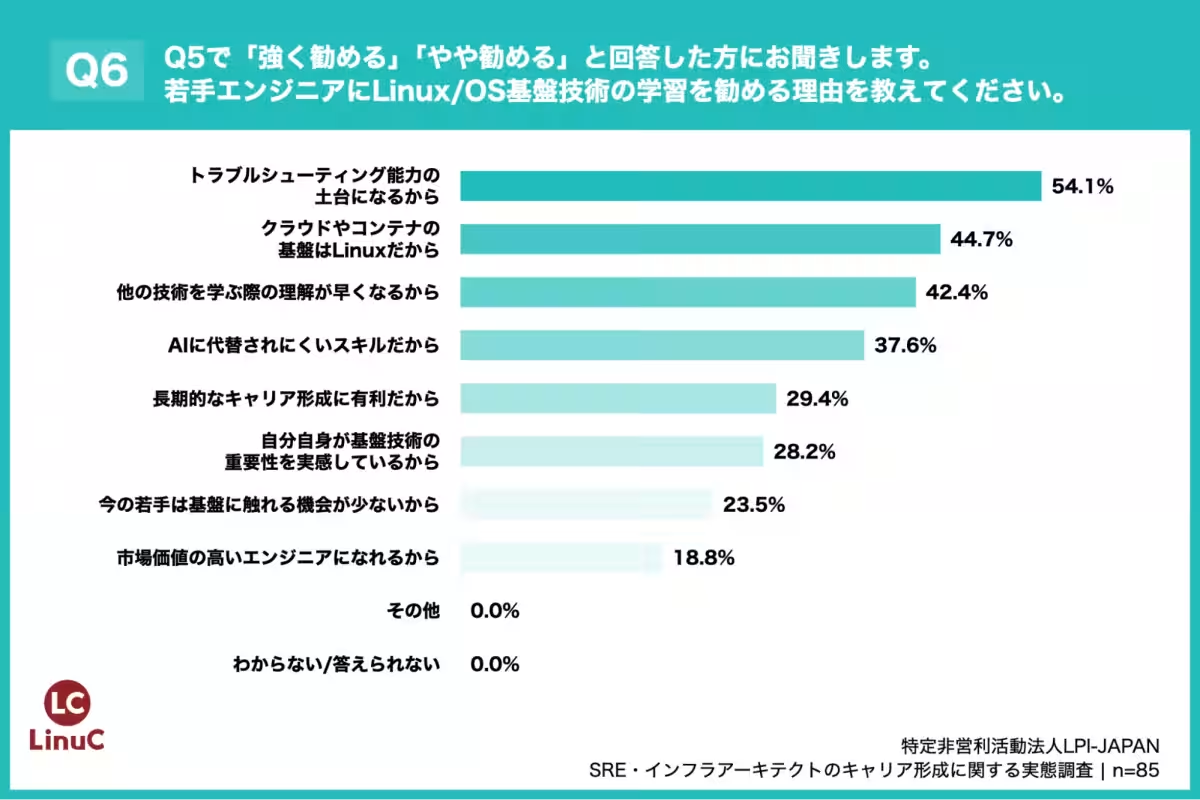
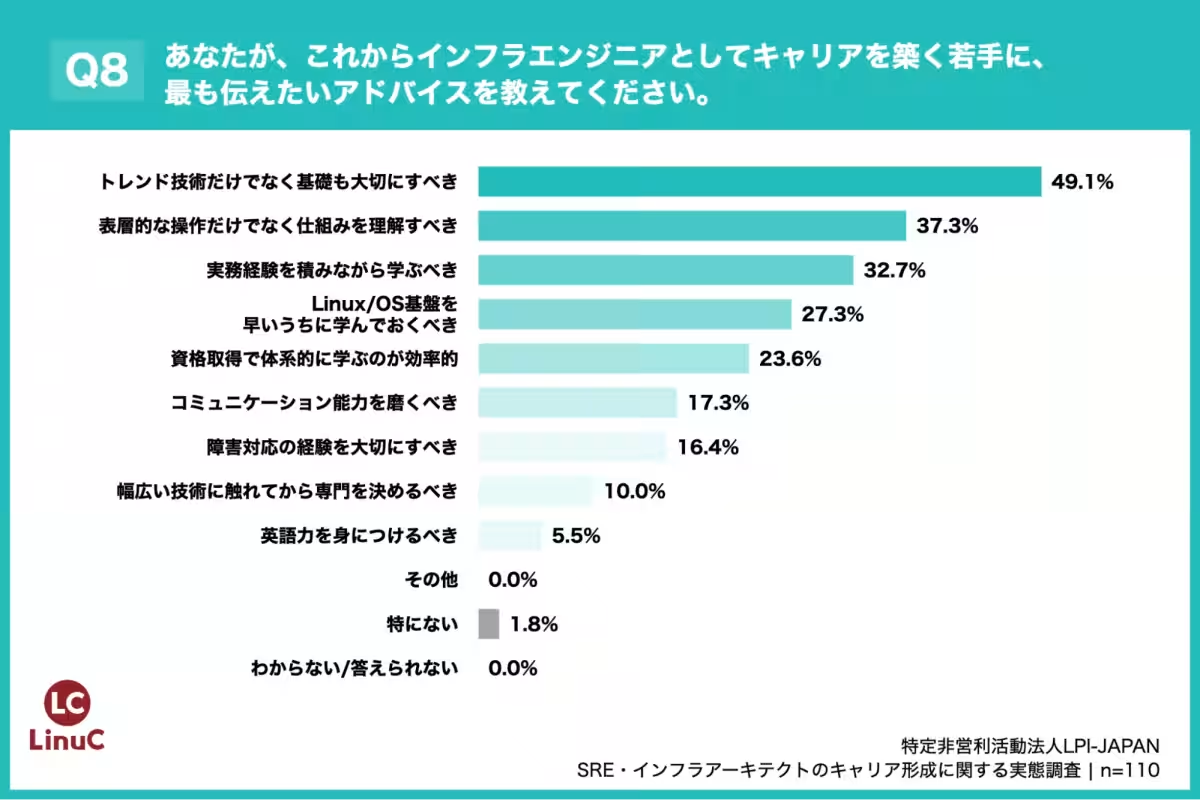
About 80% of the surveyed engineers recommend that young engineers focus on learning Linux and OS foundational technologies. The predominant reason cited (54.1%) was that these skills serve as the bedrock for enhanced troubleshooting abilities, essential for navigating complex tech environments.
3. Decreasing Exposure to Core Technologies
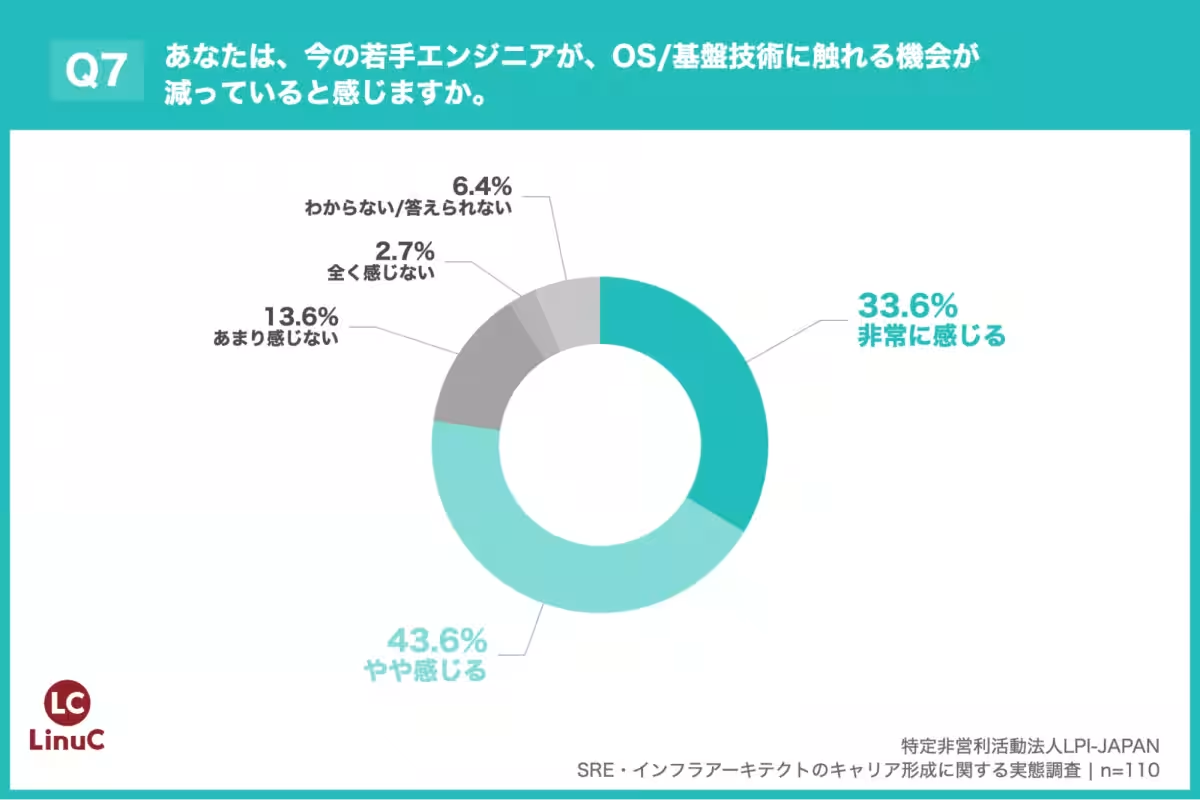
Interestingly, 78% of respondents feel that today’s young engineers have fewer opportunities to interact with OS and foundational technologies compared to their own early experiences. This sentiment may be attributed to the rise of cloud-based solutions, which often obscure the underlying operating systems from day-to-day tasks.
Insights into Educational Approaches
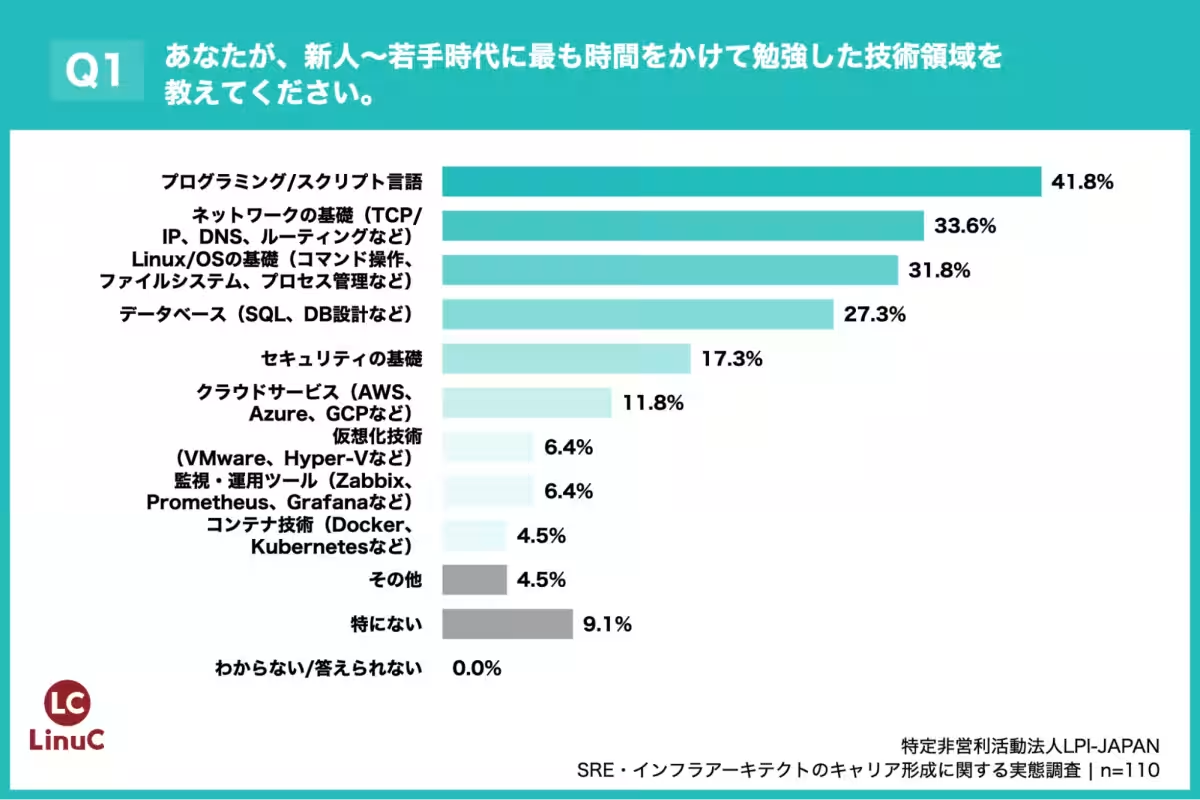
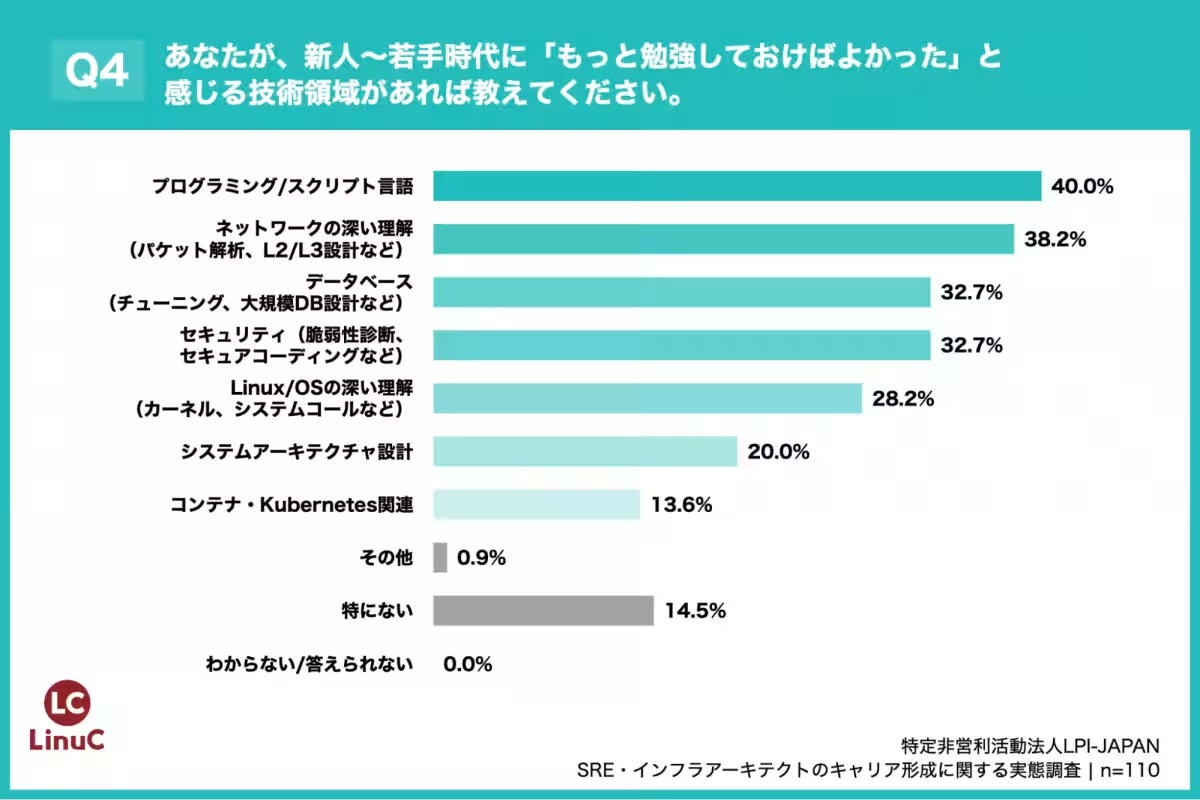
A deep dive into the educational practices reveals that learning programming and scripting languages occupied the highest proportion of training time for engineers in their early careers. Other pivotal areas included foundational networking skills and Linux fundamentals—elements that make up roughly 30% of their technical education.
Valuable Learning Methods
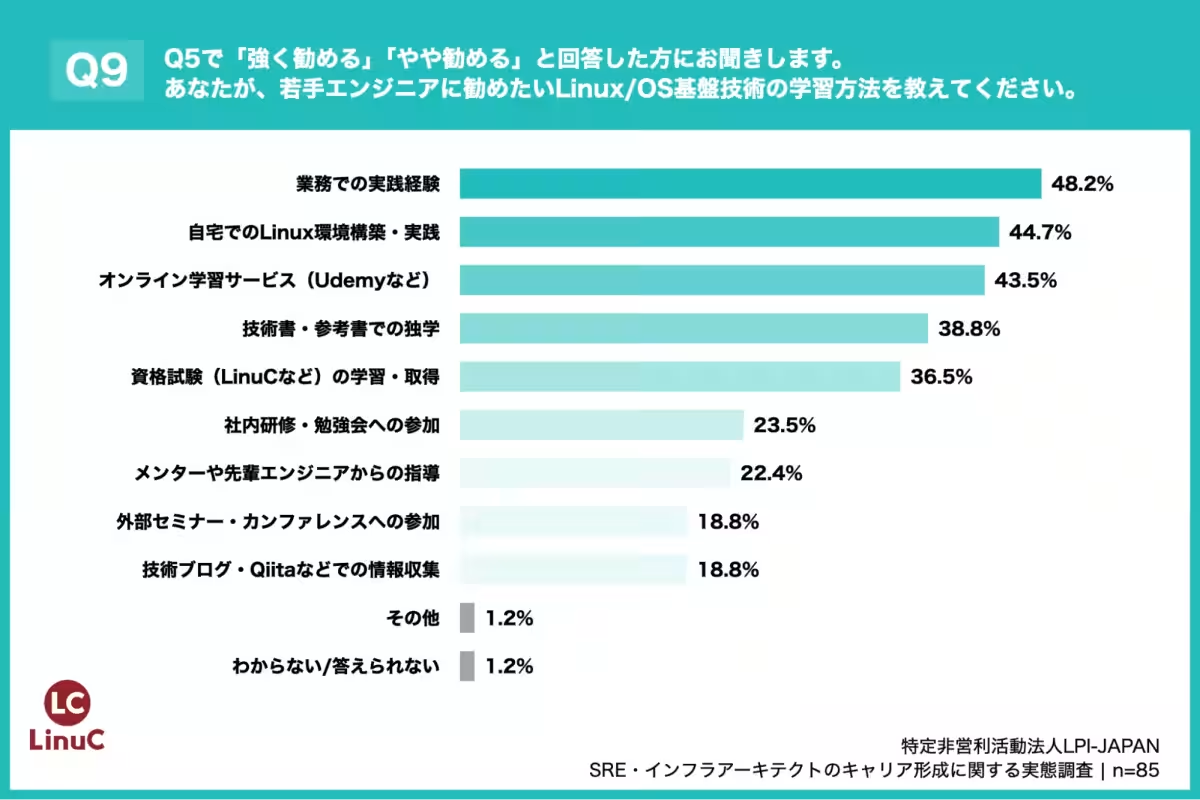
The survey also illuminated preferred learning approaches for young engineers, with "real-world practical experience" noted by 48.2% of respondents as the most effective method for learning Linux and OS. Other suggested methods included constructing a home Linux environment (44.7%) and utilizing online learning platforms like Udemy (43.5%).
Bridging the Gap
The data highlights a significant gap between the value experienced engineers place on their foundational learning and the decreased opportunities for current young engineers to receive similar training. 87% of seasoned professionals affirm the importance of the foundational skills they learned, showcasing a keen insight into the implications these skills had on their career trajectories.
In essence, the results stress the vital need for contemporary engineers to not only keep pace with emerging technologies but also to genuinely commit to mastering the fundamentals that will aid them in their careers. This ensures that the engineering community continues to foster skilled professionals who can adapt to ever-evolving technical landscapes.
As the industry progresses, the encouragement for young engineers to embrace Linux and foundational OS technologies becomes increasingly imperative for long-term success. Companies are thus urged to establish environments that promote the learning of these essential skills, ensuring that new talents are well-equipped to tackle the challenges of modern technology.
For further insights and details regarding the survey, please refer to the official report on LPI-Japan’s website.
Topics People & Culture)








【About Using Articles】
You can freely use the title and article content by linking to the page where the article is posted.
※ Images cannot be used.
【About Links】
Links are free to use.