



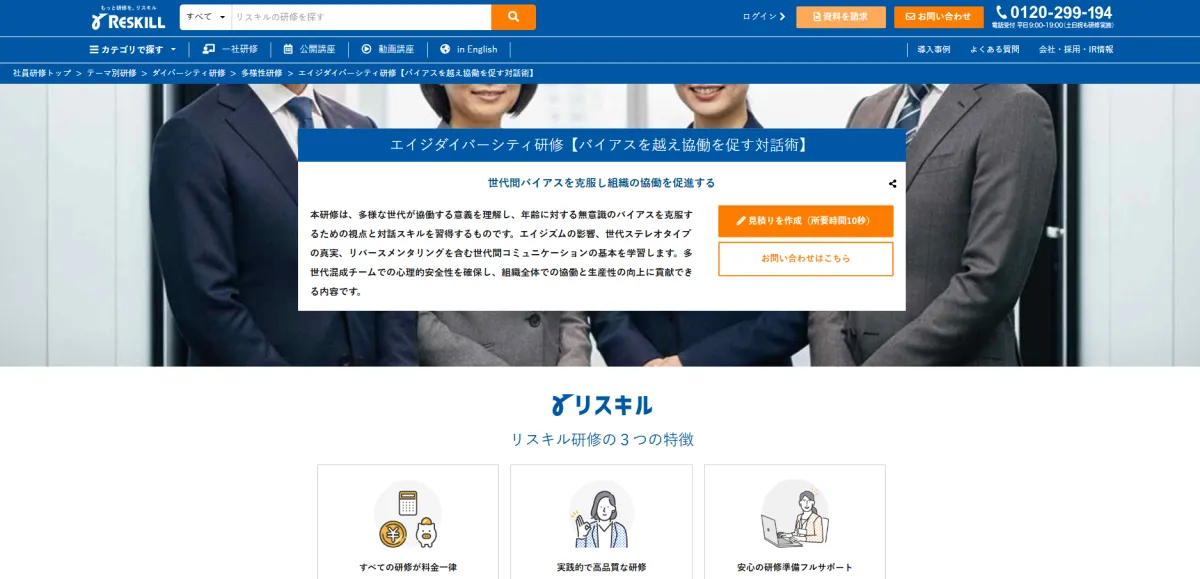
Resolving Age-Related Organizational Friction with Effective Training Techniques
Resolving Age-Related Organizational Friction with Effective Training Techniques
In a modern workplace where individuals from various generations—from their 20s to their 70s—work together, ReSkill Inc. has introduced an innovative program called 'Age Diversity Training'. The primary objective of this training is to address the challenges posed by intergenerational differences, which can lead to organizational friction and inefficiency.
Goals of Age Diversity Training
The training focuses on dismantling age-based biases and stereotypes, fostering trust and cooperation among employees of different ages, and creating an inclusive work environment. By promoting intergenerational collaboration, organizations can harness the diverse talents available across generations, thus driving innovation and enhancing overall organizational performance.
The Social Context: The Necessity of Multigenerational Collaboration
Today’s workforce is evolving due to various factors, including aging populations and changing work styles. In many countries, the proportion of the elderly (aged 65 and above) constitutes nearly 30% of the total population. The need for collaboration across generations has become more crucial than ever. With trends like extended retirement ages and the rise of the elderly workforce, organizations must adapt to embrace diversity in age and experience.
Advantages of Multigenerational Collaboration
Successfully integrating members from different generations offers immense benefits to organizations:
- - Innovation: Combining the wisdom and experience of older generations with the fresh perspectives of younger employees creates an environment ripe for innovation.
- - Customer Insight: Diverse age groups better understand varied consumer needs, enabling organizations to cater services to a wider audience.
- - Skill Transfer: Knowledge and skill transfer between generations can help elevate the overall capabilities of the organization.
- - Adaptability: Exposure to diverse viewpoints fuels flexible thinking, enhancing the workforce’s ability to adapt to changing circumstances—ultimately improving competitive advantage.
The Hidden Challenges of Ageism
Despite the advantages, the specter of ageism (discrimination based on age) looms over many organizations. Common stereotypes, like the belief that younger employees lack experience or older workers cannot learn new skills, can significantly hinder productivity. Both employees and management may hold unconscious biases, preventing effective teamwork and innovation.
Negative Impact of Ageism on Organizations
The presence of ageism can manifest in various detrimental ways:
- - Decreased Morale: Younger individuals may feel undervalued if their ideas are dismissed due to assumptions about their experience.
- - Communication Barriers: Misconceptions about age-related capabilities can obstruct intergenerational dialogue, further isolating teams and stifling creativity.
- - Attrition: High-performing individuals may leave organizations that do not acknowledge their contributions, which can lead to increased turnover rates.
Introduction to the 'Age Diversity Training'
The 'Age Diversity Training' program aims to equip all employees, regardless of age or position, with skills to foster constructive collaboration across generations. The training emphasizes practical, actionable knowledge that can be put to immediate use:
- - Eliminating Prejudices: The program helps participants recognize and dismantle biases driven by age.
- - Building Trust: Participants engage in exercises designed to foster relationships based on mutual respect.
- - Understanding Ageism: Participants learn how to identify ageism and understand its impacts.
- - Effective Communication: Training includes techniques for communicating effectively across age barriers.
Structure of the Training Program
The course divides into three modules:
1. Understanding Age Diversity: Participants engage in discussions about generational communication and learn the importance of leveraging diverse strengths.
2. Recognizing Age Biases: This segment addresses various biases, including stereotypes and their implications in the workplace.
3. Collaborating Across Generations: The final part emphasizes methods to engage in effective dialogue, appreciate other perspectives, and develop actionable plans for tackling workplace challenges.
Key Features of the Training
- - Practical Applications: The focus is on real-world applicability, steering clear of complex theories in favor of straightforward, implementable strategies.
- - Structural Understanding of Ageism: By framing age-based biases as a form of unconscious bias, candidates can approach their biases without personal guilt, leading to healthier mindsets.
- - Reverse Mentoring: The program encourages younger employees to mentor seniors, promoting a culture of ongoing learning and collaboration.
Future Outlook
ReSkill Inc. remains committed to continuously developing relevant training programs that address the increasing need for diversity and inclusion in the workplace. By providing tailored support, the aim is to empower organizations in enhancing their competitive edge through innovative training solutions that leverage the strengths of all employees, regardless of their age.
Conclusion
Through initiatives like the Age Diversity Training, ReSkill Inc. is contributing to creating workplaces where every employee's potential can thrive. By fostering an environment of psychological safety and mutual respect, organizations can promote inclusive practices that enable everyone to succeed, irrespective of their age backgrounds.
Topics People & Culture)

【About Using Articles】
You can freely use the title and article content by linking to the page where the article is posted.
※ Images cannot be used.
【About Links】
Links are free to use.