



The Impact of Comedy on Subtle Smile Recognition and Mood Enhancement
The Influence of Comedy on Facial Expression Recognition
Recent research has illuminated the connection between our mood and our ability to recognize subtle facial expressions, particularly smiles. Conducted by a joint research team from Tokyo University of Science and the University of Exeter, the study demonstrates that viewing a short comedy video elevates positive feelings, subsequently enhancing the recognition of subtle smiles in unmasked faces.
Key Findings: Comedy, Mood, and Expression Recognition
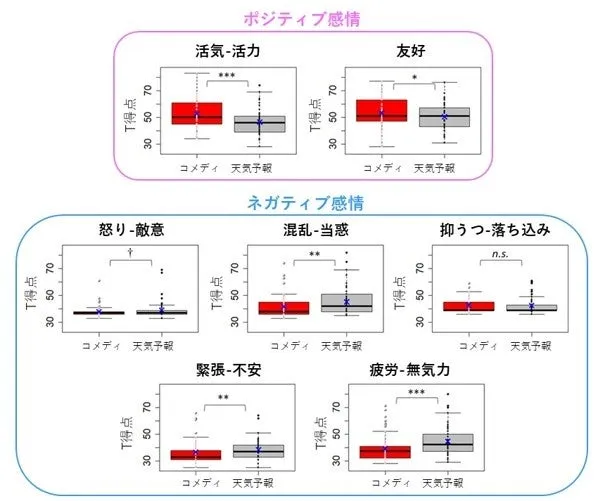
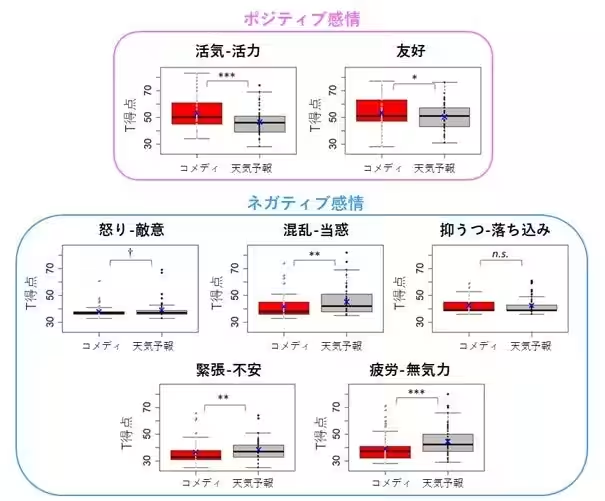
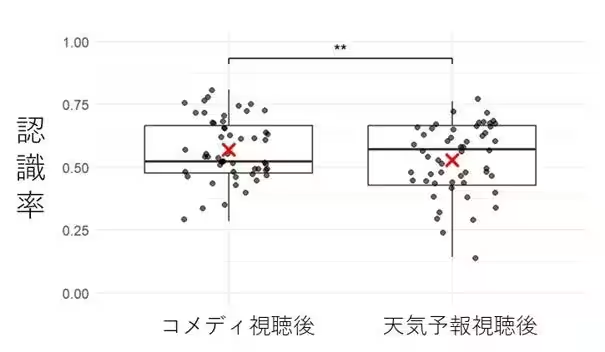
The research involved participants watching either a comedy video or a weather report. The results showed that those who enjoyed the comedy experienced a significant reduction in negative feelings and an increase in positive feelings. More importantly, after watching the comedy, they demonstrated a higher ability to identify faint smiles compared to those who watched the neutral weather report. This finding suggests a phenomenon known as the "mood congruence effect"—when individuals feel good, they are more likely to perceive others' positive emotions accurately.
Interestingly, the study found that this effect diminished when participants viewed faces wearing masks. This observation implies that recognizing subtle expressions requires visibility of the mouth and other facial clues. The influence of a cheerful mood on recognizing positive emotions reinforces the importance of facial visibility, especially in social communication.
The Role of Individual Differences
The research team also considered personal characteristics that could affect emotional recognition. They discovered that individuals with higher empathy levels—the ability to put themselves in another's shoes—were more adept at recognizing faint smiles after watching the comedy. Moreover, those whose depressive tendencies were alleviated post-comedy demonstrated a stronger sensitivity to these subtle expressions.
As emphasized by leading researchers Professor Hiroko Ichikawa and Lecturer Asami Oguro-Ando, this study not only sheds light on how our emotional states influence our perception of others but also connects it to vital aspects of social interactions and communication. The implications extend to fields such as education, healthcare, and workplace dynamics, where understanding emotions is crucial to fostering effective communication.
Study Background: Mood Congruence Effect
The mood congruence effect, where individuals in positive moods perceive information congruent with their feelings more readily, has been acknowledged in psychological research. It indicates that our emotional state significantly influences how we interpret social cues and expressions around us. When it comes to recognizing joy expressed through smiles, this effect holds particular importance, especially for individuals prone to depression, who often struggle with recognizing such positive cues in others.
In this context, the research team's unique approach involved assessing recognition skills with less intense facial expressions to circumvent potential ceiling effects, ensuring a more accurate measurement of participants' abilities to identify subtle smiles.
Implications and Future Research
The findings from this study, published in the journal Scientific Reports, suggest that simple activities like watching comedy can be valuable tools for enhancing interpersonal communication by improving our sensitivity to positive emotions in others. Moving forward, the team aims to explore these dynamics further in more natural social settings, which could lead to the development of new methods to aid emotional understanding in various contexts.
In conclusion, engaging with comedy not only helps elevate our spirits but may also serve as a catalyst in our interactions with others, making it a practical approach to fostering understanding and empathy in our daily lives.
- ---
Topics People & Culture)
【About Using Articles】
You can freely use the title and article content by linking to the page where the article is posted.
※ Images cannot be used.
【About Links】
Links are free to use.