



Transgender Woman's Song Selected for National Junior High School Music Textbooks
Transforming Classrooms: The Impact of a Transgender Artist's Work
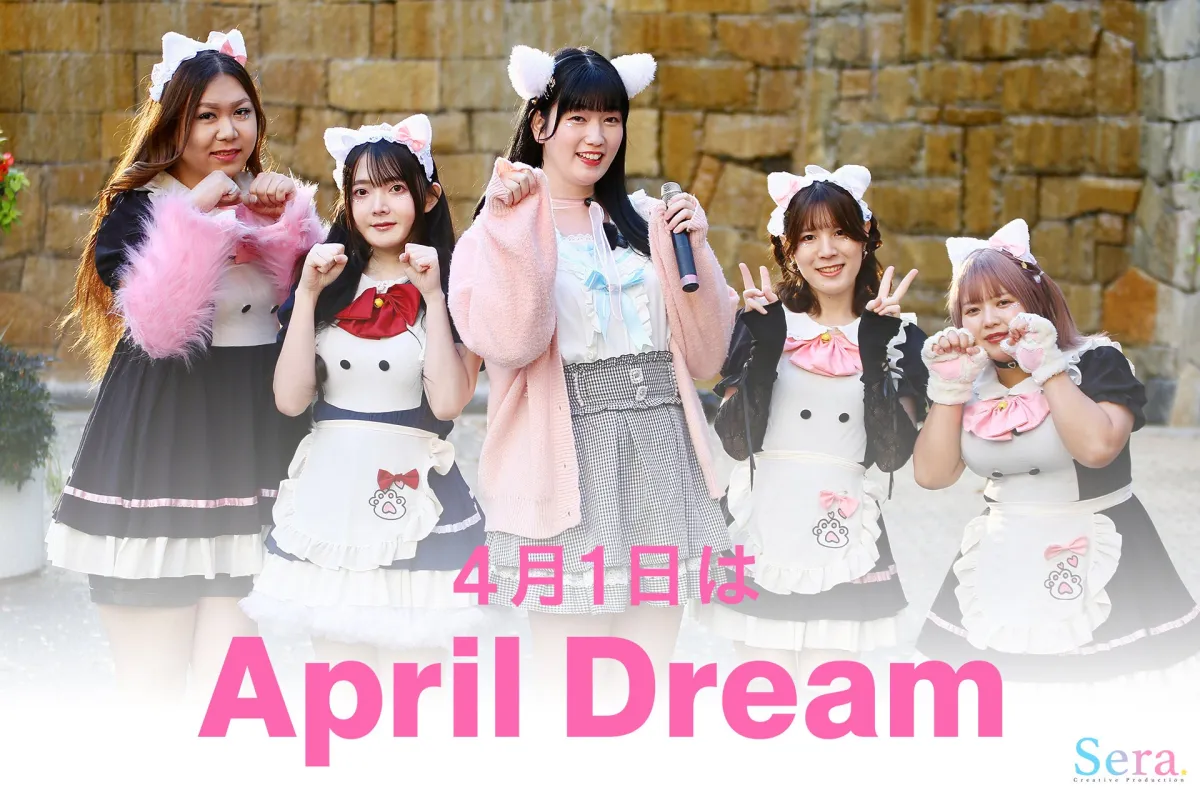
In a historic move for the education system, a song written by a transgender woman has been selected to feature in national junior high school music textbooks. This significant development aims to create classrooms where every student can express their true selves and feel acknowledged. The initiative is backed by the April Dream project, a campaign advocating for sharing dreams and creativity.
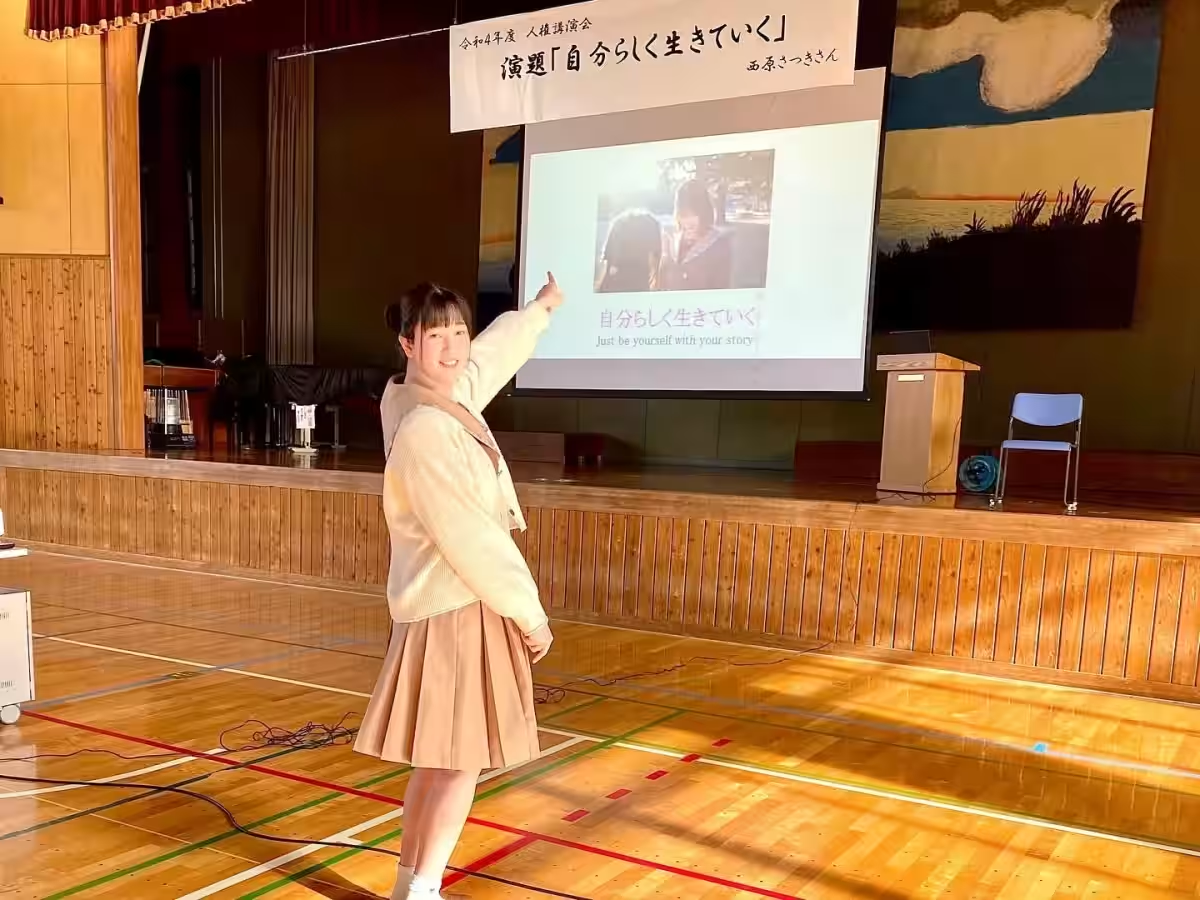
Satsuki Nishihara, the founder of Otome Juku, a school that helps support transgender women in makeup and voice training, has spent years traveling to middle schools across the country, sharing her experiences. During her lectures, she recognized the struggles of many students who felt their unique identities were stifled by societal norms. She emphasizes the importance of music as a medium to convey messages that resonate on a personal and emotional level. ‘In the past, I felt like I had no place to go. But by believing in myself and daring to take that first step, I found my path. I want to deliver this experience not just with words, but through music that touches hearts directly,’ she said.
The Power of Music in Education
The song included in the textbooks serves as more than just a tool for promoting diversity; it embodies a powerful message that helps break down barriers and nurtures resilience among students. One key theme the song conveys is that no matter how strong the winds of adversity blow, trusting in one's own voice can open doors to hope and possibilities.
‘Differences are colors,’ Nishihara states, stressing that every student has a unique voice and perspective to share, which is best experienced through choir performances. This creates an environment where students learn that while they may differ in many ways, they can come together beautifully as a collective.
Moreover, by openly reflecting on her transgender identity through her music, Nishihara aims to prove that regardless of one’s background, each person is entitled to an equal space and recognition in society. It’s a step towards normalizing the presence of diverse role models in the arts, where a song created by a transgender artist finds its rightful place alongside J-Pop and classical masterpieces in school curriculums.
Future Aspirations and Continuing Actions
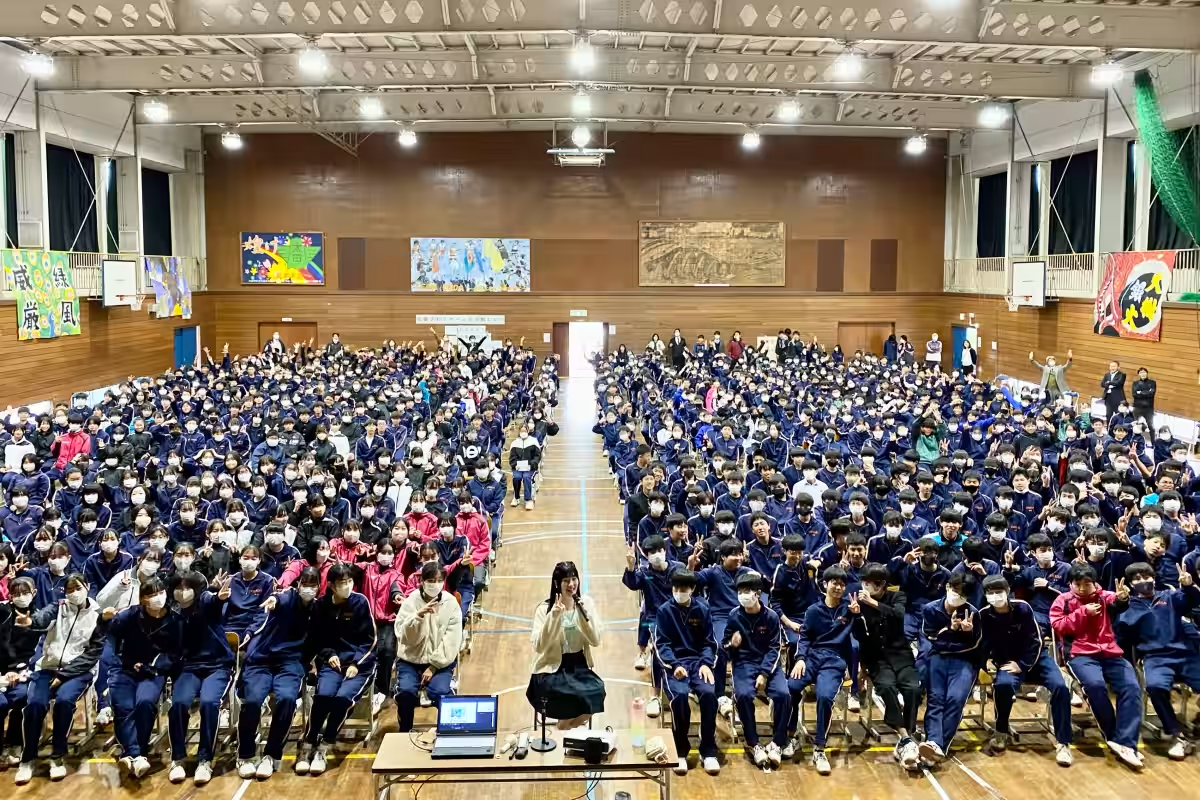
The journey towards achieving this dream started several years ago and has now reached a pivotal point. The ongoing speaker series that has run for seven years has reached over 90,000 students, helping them see the significance of acceptance and diversity in their own lives.
Looking forward, Nishihara expresses her commitment to ensure that April Dream does not remain just a fantasy. Alongside music production, efforts will focus on deeper dialogues with schools to introduce the song into choral competitions, culture festivals, and digital platforms through social media.
This initiative represents more than just a song; it symbolizes hope and a light for children who may feel lost or unsupported. Nishihara dreams of a day when her song echoes down school hallways, becoming a source of encouragement and a reminder that students are wonderful just as they are. ‘I aim to create music that, when sung, energizes people, regardless of its origin. I envision a future where the beauty of our differences harmonizes within every classroom across Japan,’ she concludes.
Conclusion: A Call to Action
The inclusion of Nishihara's song in music textbooks signals a broader acceptance and representation of diverse identities within educational frameworks. It holds the potential to foster environments that encourage students to embrace their individuality, learn from each other, and cultivate a sense of belonging. As this vision continues to unfold, the hope is that every child who opens a textbook and sees this song will feel empowered, knowing there are voices that recognize and celebrate their existence.
Let this historic inclusion mark the beginning of a new chapter in Japan’s educational landscape, where every note sung echoes the rich tapestry of our society’s diversity.


Topics People & Culture)


【About Using Articles】
You can freely use the title and article content by linking to the page where the article is posted.
※ Images cannot be used.
【About Links】
Links are free to use.