




Veterinarians' Job Market Insights: Trends and Career Aspirations by 2025
Insights into the 2025 Job Market for Veterinarians
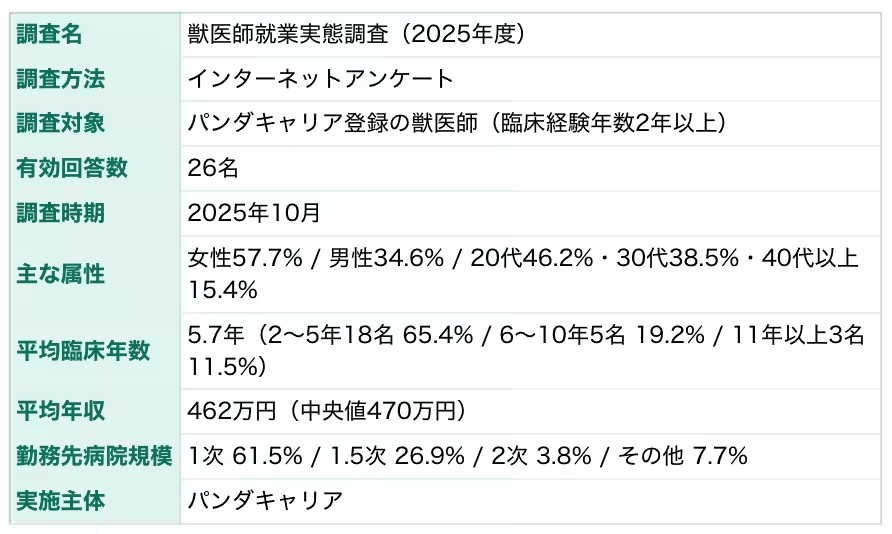
In a comprehensive survey conducted by A’alda Y Co., Ltd., a subsidiary of A’alda Japan Co., focused on the employment conditions and career aspirations of veterinarians, important trends have emerged regarding their job satisfaction and turnover intentions. The study included 26 veterinarians who graduated and have settled into their roles but have yet to take on a full-time graduate position. The findings point to evolving dynamics within the veterinary field.
Survey Highlights
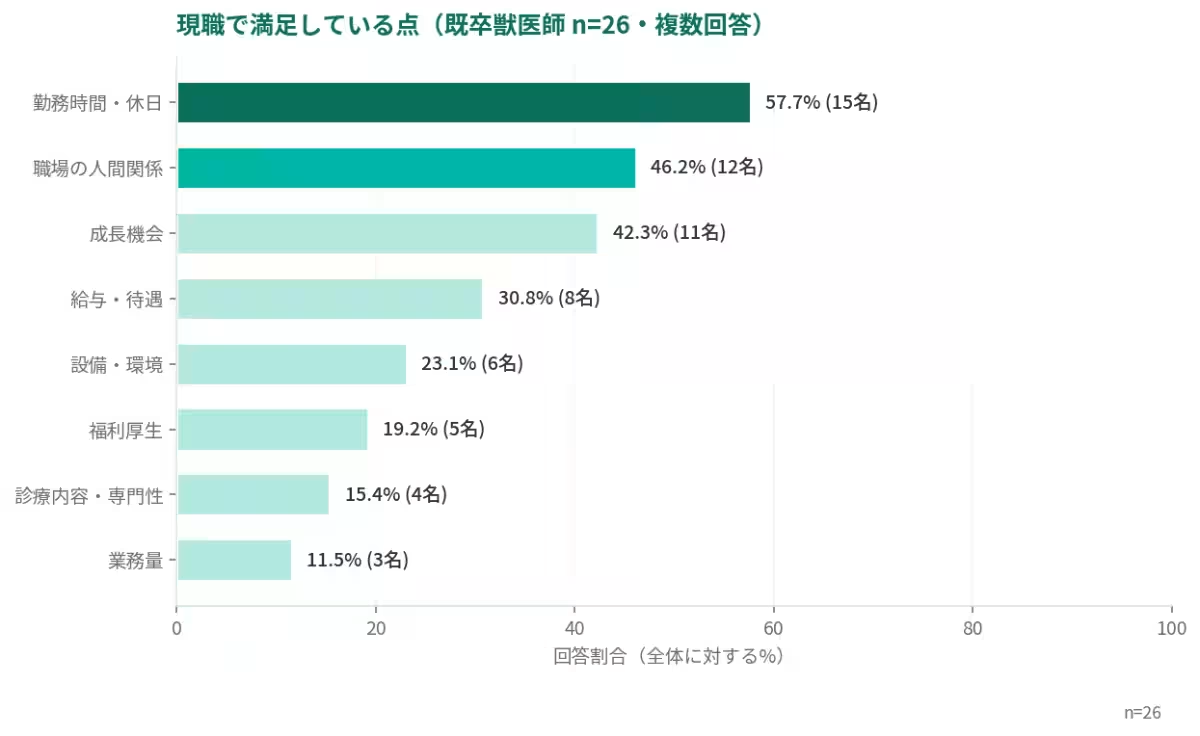
Approximately 27% of respondents indicated a desire to switch jobs within a year, suggesting a lively mid-career job market. Those considering a move often cite personal relationships in the workplace as a key decision factor, far ahead of salary and benefits, which only accounted for about 19% of responses. This tells us that workplace relationships and the potential for personal growth are paramount in this profession.
Turnover Readiness
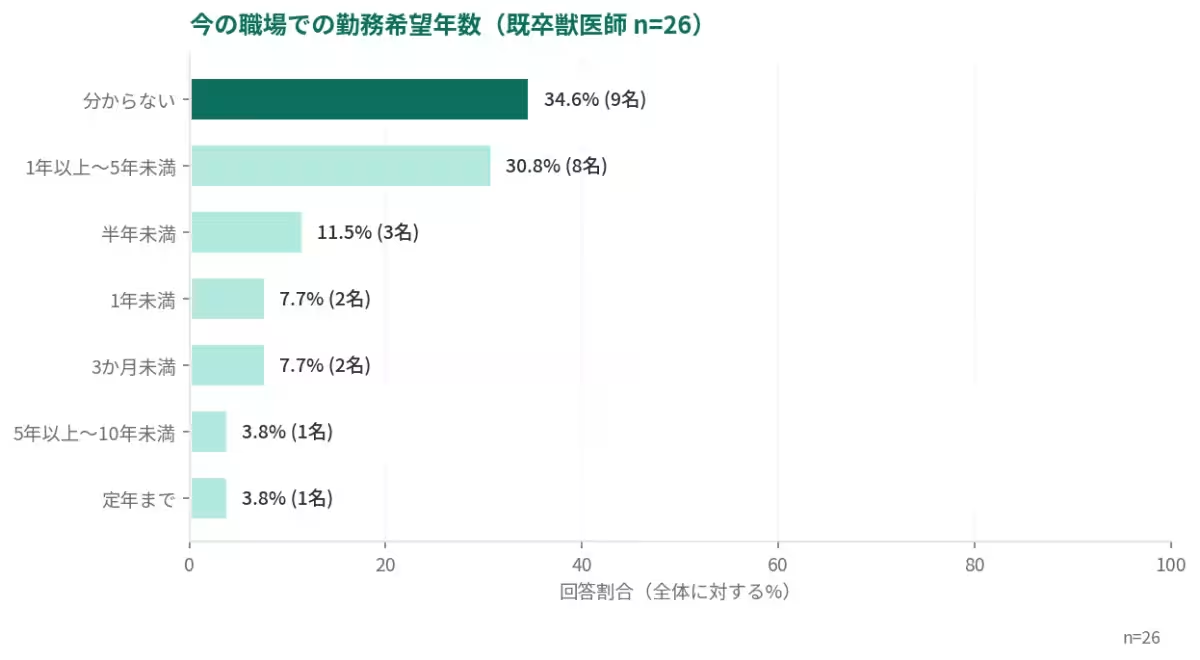
The survey discovered that almost 57.7% of veterinarians are contemplating career changes within five years, showing a significant opportunity for recruitment in the veterinary field. Of those considering a move within a year, 7.7% pointed to a change after less than three months, while 11.5% after less than six months. These numbers illustrate an ongoing concern for clinics needing to address why so many veterinarians find themselves seeking new jobs.
Decision Factors
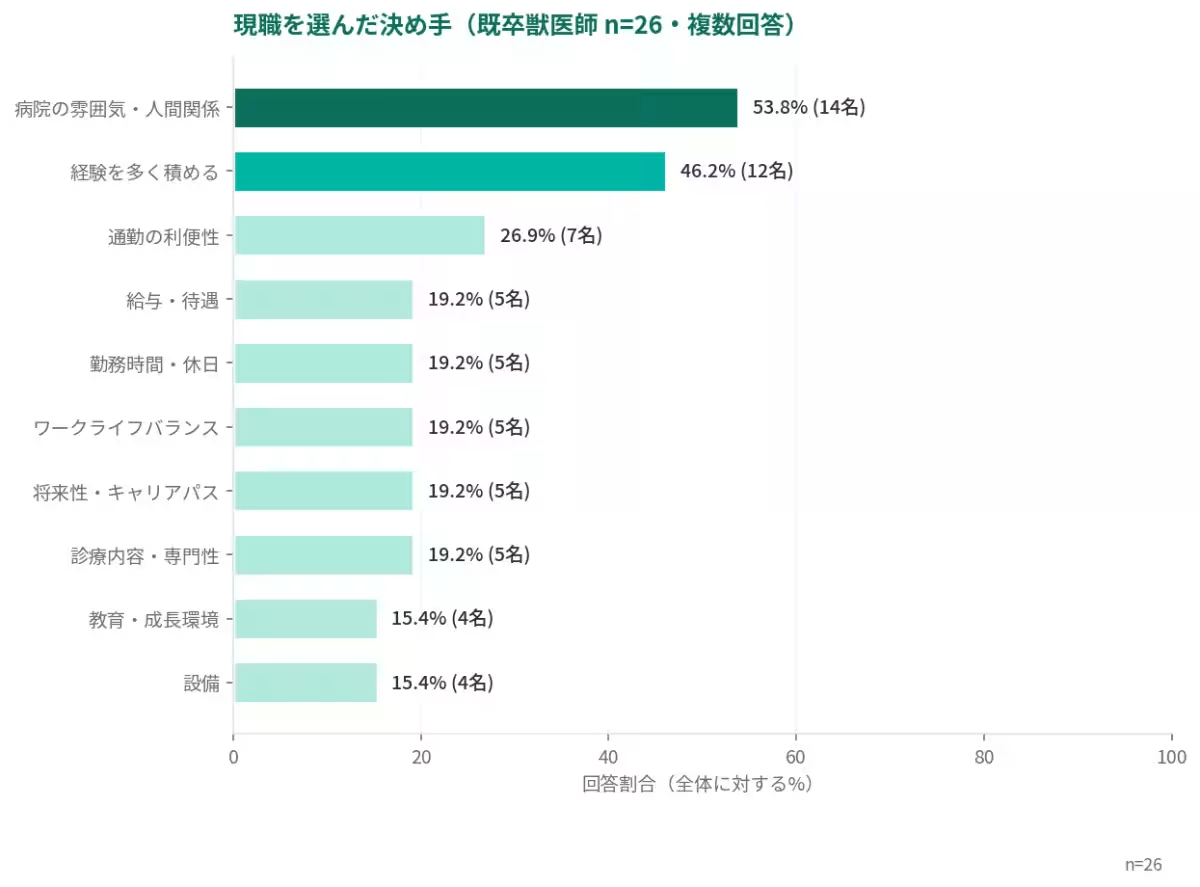
The primary factor influencing job selection was revealed to be interpersonal relationships, preferred by 53.8% of the respondents. Secondly, the opportunity to gain diverse experiences was a deciding element for 46.2%. In contrast, dissatisfaction with salary and compensation was the leading grievance at 53.8%, followed closely by workload concerns at 42.3%. This underscores a clear need for veterinary practices to reassess their compensation schemes to retain talent.
Job Satisfaction Levels
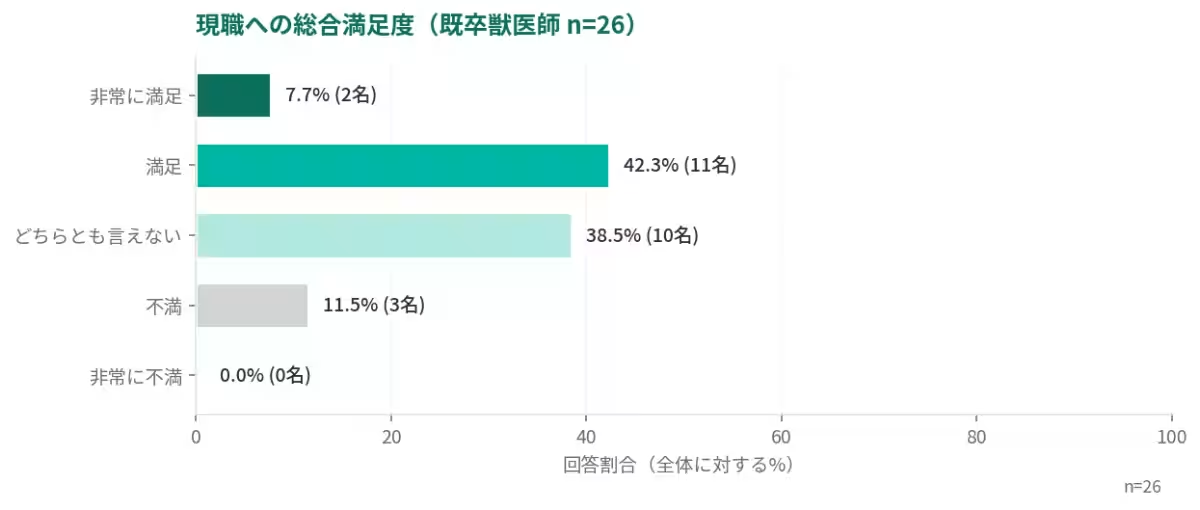
The overall job satisfaction among veterinarians was noted at 50%, which is markedly lower than the satisfaction levels reported by new graduates (76.7%). An interesting segment comprised 38.5% of respondents, who felt neutral in their job satisfaction, categorized as 'undecided.' This group is critical for practices aiming to enhance employee retention strategies through targeted interventions that improve work conditions and growth opportunities.
Income Insights
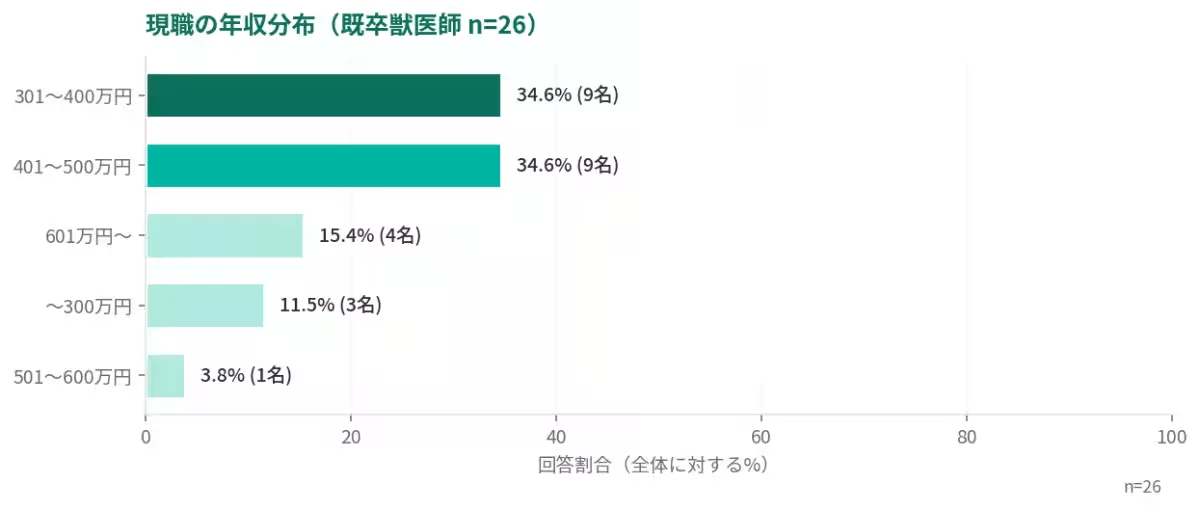
The average income for practicing veterinarians was reported at ¥4.62 million, with a median figure of ¥4.7 million. This statistic indicates a gradual progression from the initial salaries for new graduates, which typically start at around ¥3.12 million. Most of the surveyed veterinarians fall within the ¥3-5 million income bracket, with roughly 69% earning between ¥3.01 - 5 million annually.
Career Aspirations
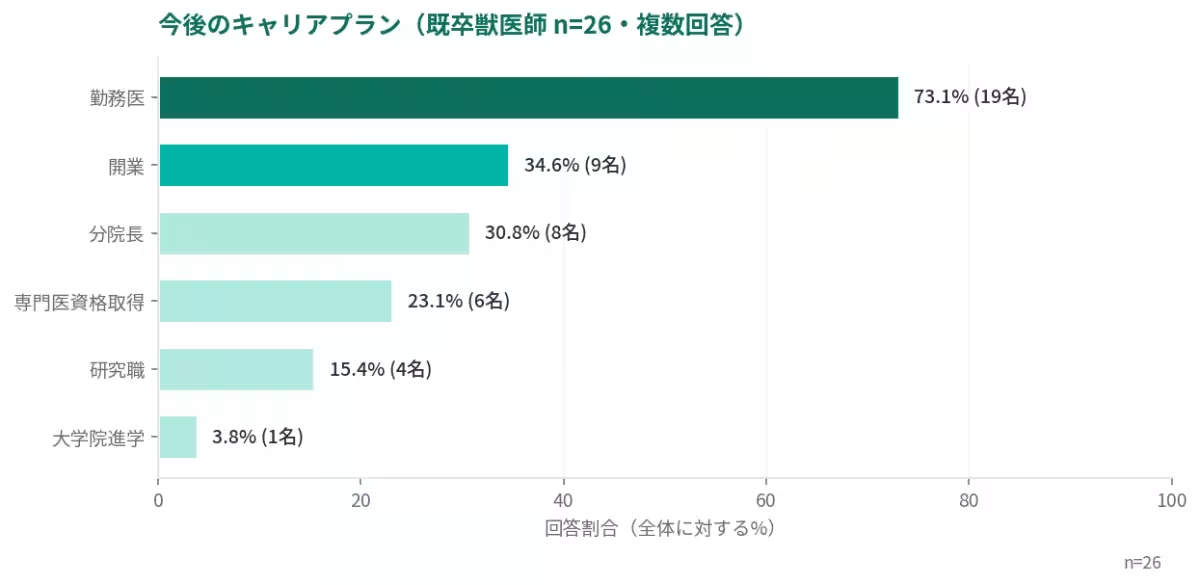
From a career perspective, 73.1% aim to remain in clinical practice, with aspirations to transition toward opening their own practice or becoming clinic directors noted by 34.6% and 30.8%, respectively. The findings suggest that veterinarians in the survey predominantly seek stability in their careers, with many expressing interests in developing their management skills or obtaining specialized certifications.
Surgical Skills
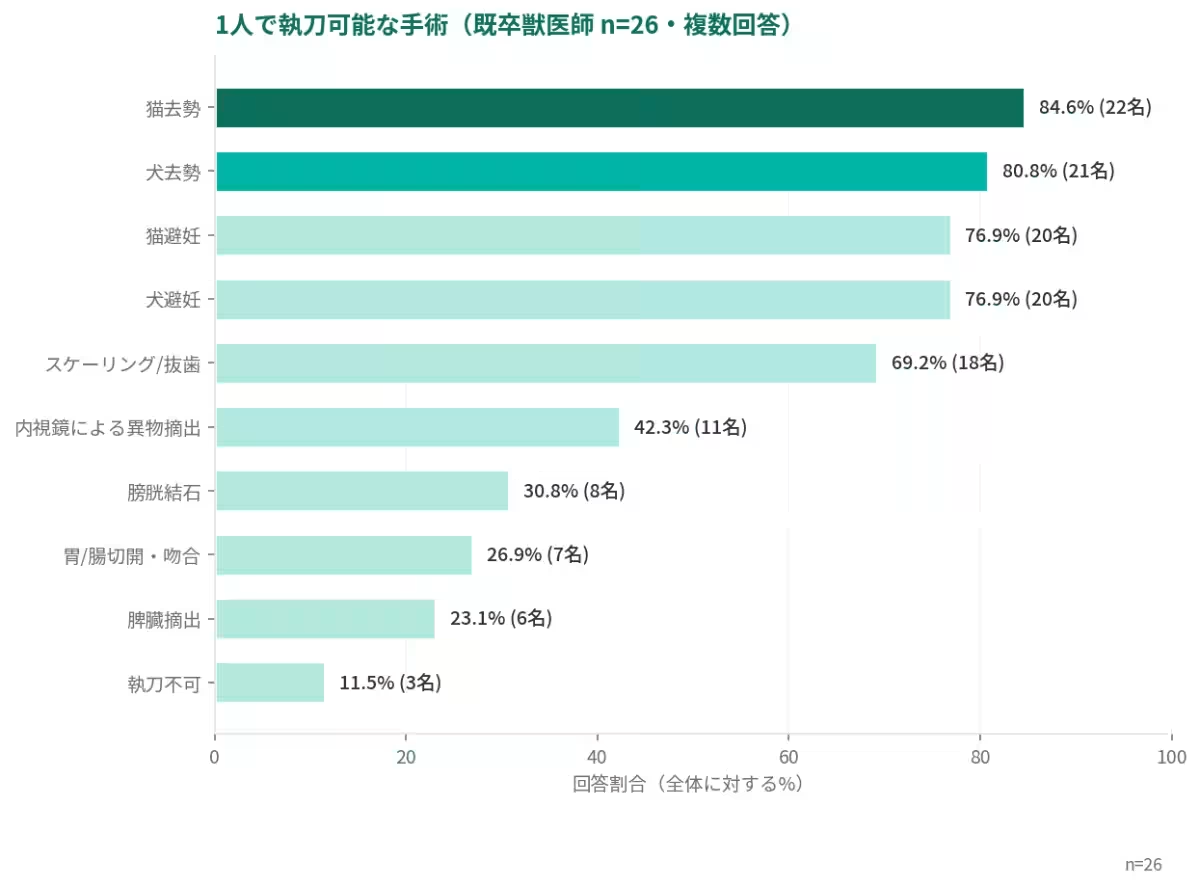
When asked about their surgical capabilities, the results showed that the majority could perform basic procedures such as neutering and spaying. About 84.6% of respondents could undertake cat neutering procedures, while the capability extends to more complex procedures for about 42.3%. This illustrates that a significant number of veterinarians possess a reliable skill set, making them valuable assets to any clinic.
Insights for Employers
The high turnover potential and the overall dissatisfaction with salary and workload highlight critical areas for veterinary clinics to address. Employers should focus recruitment strategies on emphasizing workplace relationships, professional growth opportunities, and clearly communicating career pathways to engage and retain talent effectively. Furthermore, offering support for roles such as clinic directors or professional certifications could cater to the aspirations of many veterinarians.
Conclusion
The dynamics of the veterinary job market are in flux, with upward trends in turnover intentions and career aspirations. To capture and retain talent, clinics must adapt by improving their work environments and revisiting compensation structures while fostering career development. Addressing these aspects could provide essential insights for a thriving practice in the upcoming years.

Topics People & Culture)









【About Using Articles】
You can freely use the title and article content by linking to the page where the article is posted.
※ Images cannot be used.
【About Links】
Links are free to use.