



New Dataset Reveals Cancer Stage Patient Numbers and Recurrence Rates Across Japan
New Dataset on Major Cancers in Japan
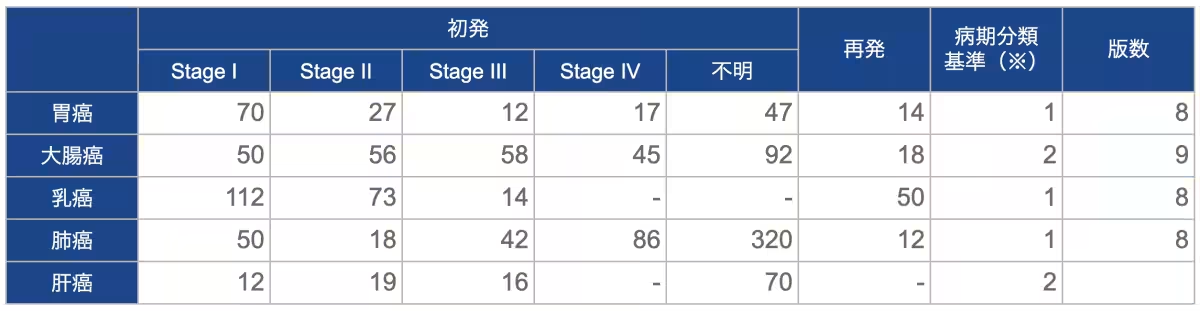
Mii Company, headquartered in Minato, Tokyo, recently announced the release of a comprehensive dataset that provides analysis of the five major cancers: stomach, lung, breast, colorectal, and liver. This dataset, titled "5 Major Cancers - Stage Classification Patient Numbers Dataset," captures the stage-specific patient counts across various hospitals and regions, offering valuable insights into the current cancer landscape in Japan.
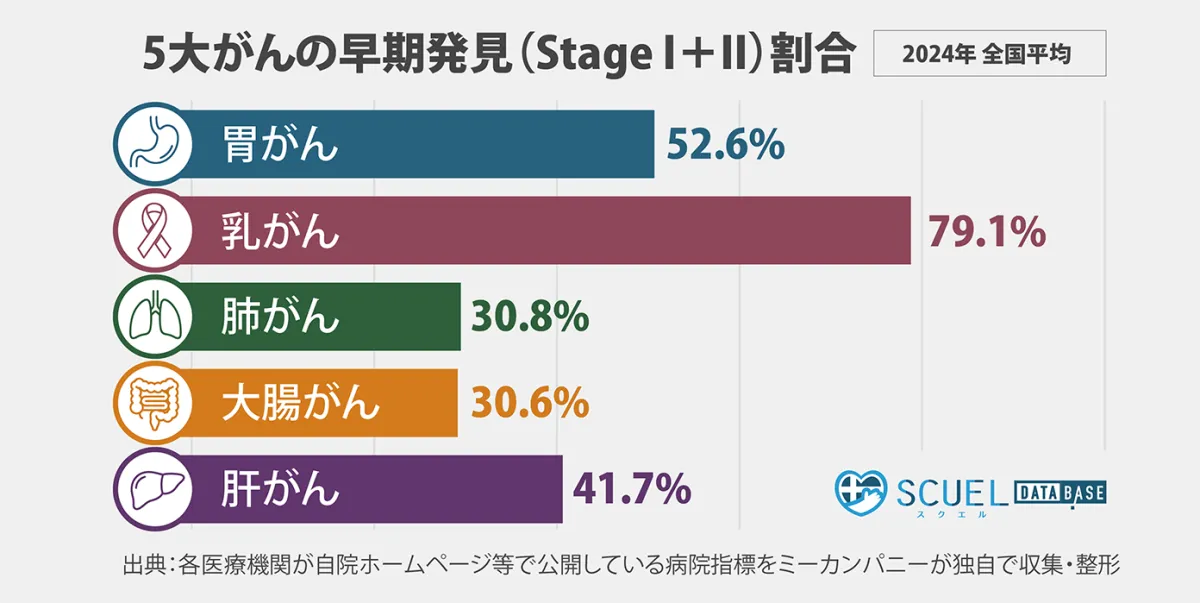
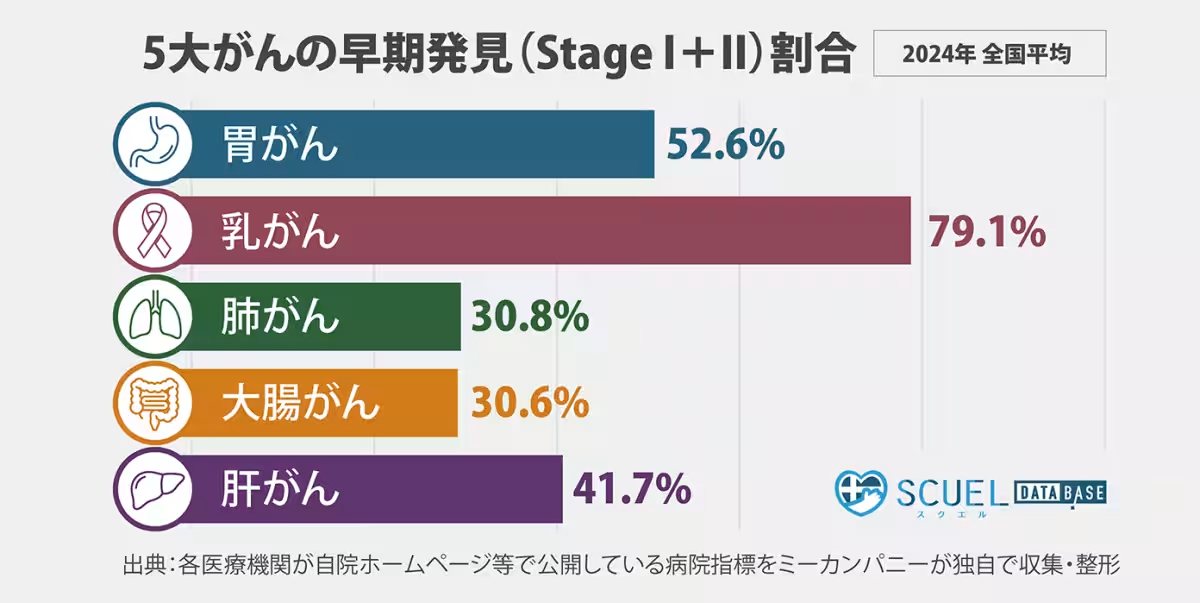
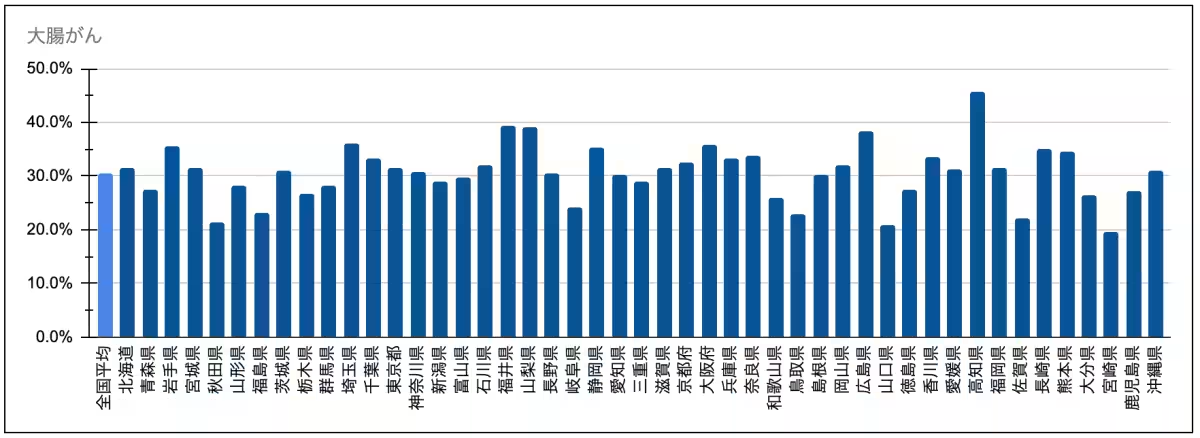
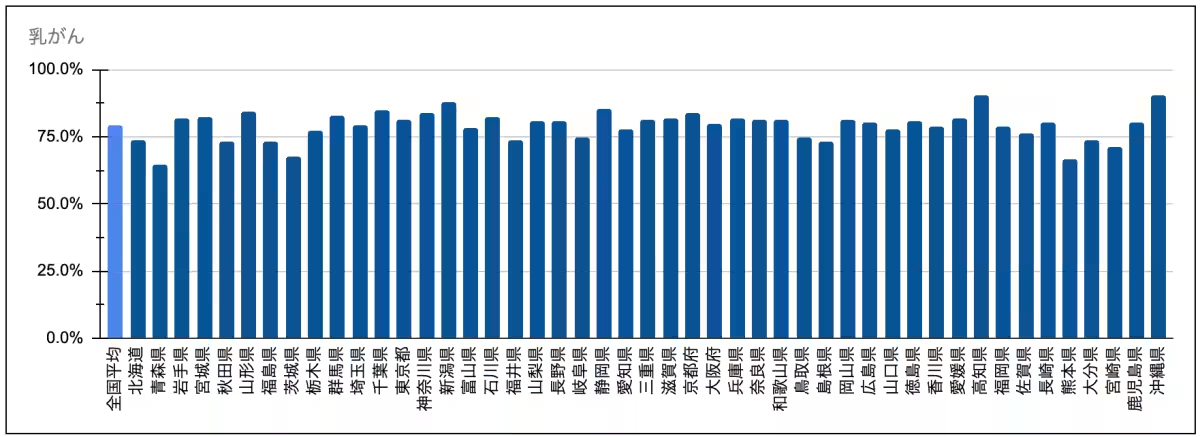
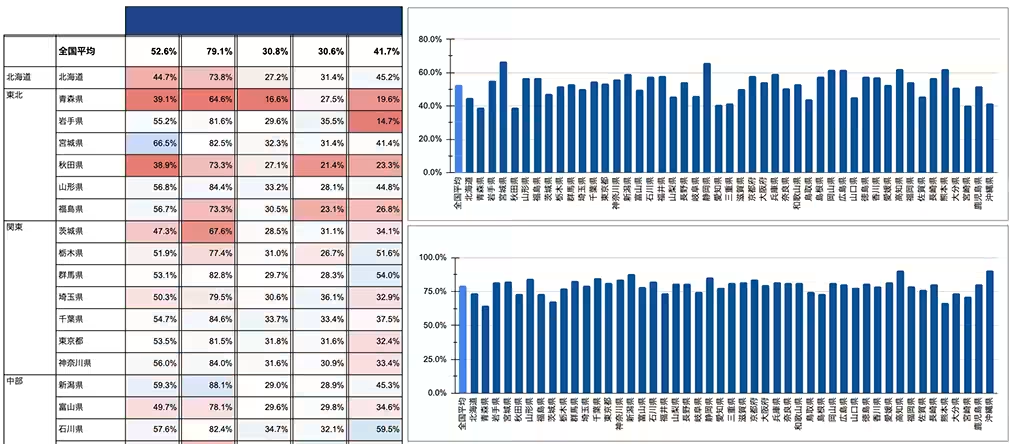
The dataset enables healthcare providers to evaluate the incidence of early detection (Stages I and II) for these cancers. According to aggregated data for the year 2024, breast cancer exhibits the highest early detection rate at a remarkable 79.1%. This is followed by stomach cancer at 52.6% and liver cancer at 41.7%. In contrast, the early detection rates for lung and colorectal cancers remain notably lower, at 30.8% and 30.6%, respectively. This disparity underscores the varying levels of early detection across different cancer types.
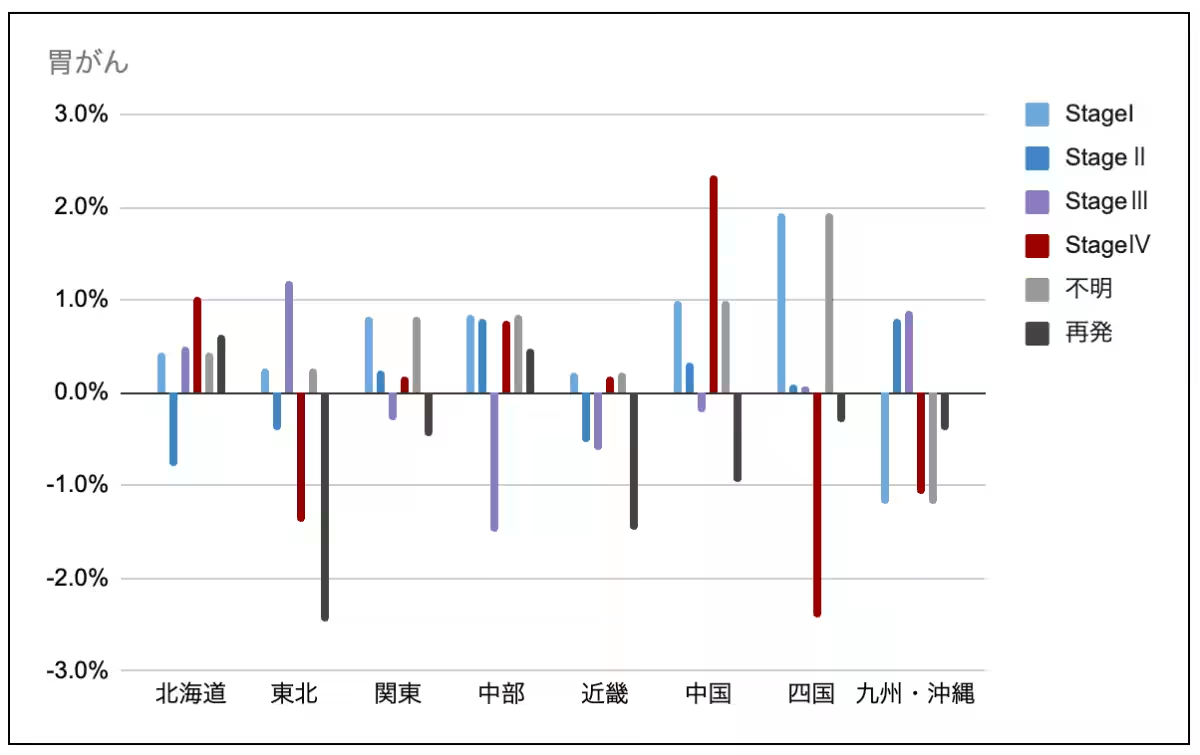
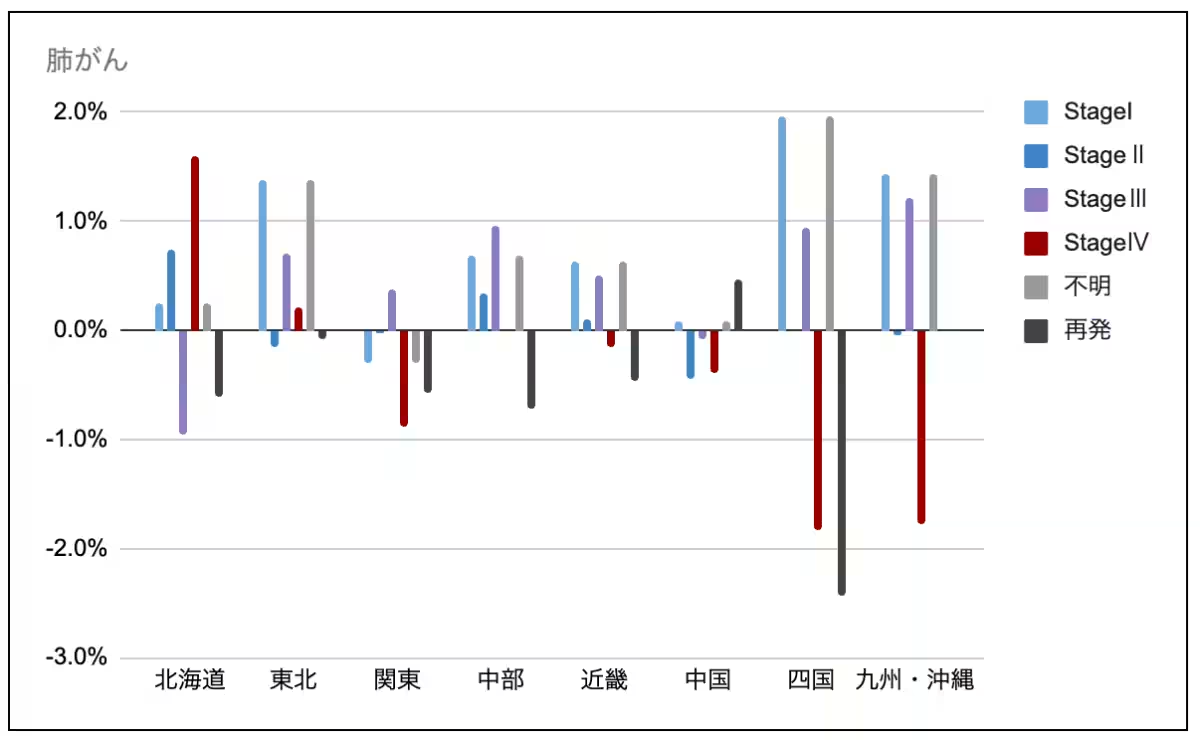
Mii Company has gathered this information from hospital-indicated statistics published on their websites, ensuring that the data is both accurate and reliable. For a deeper understanding of the statistics, two free white papers titled "Early Detection Rates by Prefecture (2024)" and "Changes in Stage Composition by Region (2023 → 2024)" are available for download, elaborating on these findings and trends.
Importance of Early Detection
Early detection plays a critical role in improving treatment outcomes for cancer patients. The dataset highlights the importance of understanding the distribution of cancer stages not only at initial diagnosis but also concerning recurring patients. Knowledge of recurrence patterns is vital for evaluating treatment continuity and healthcare delivery systems. Mii Company's approach leverages publicly disclosed information from medical institutions, systematically organizing data related to initial diagnosis and recurrences to facilitate evidence-based decision-making.
Analysis of Hospital Types
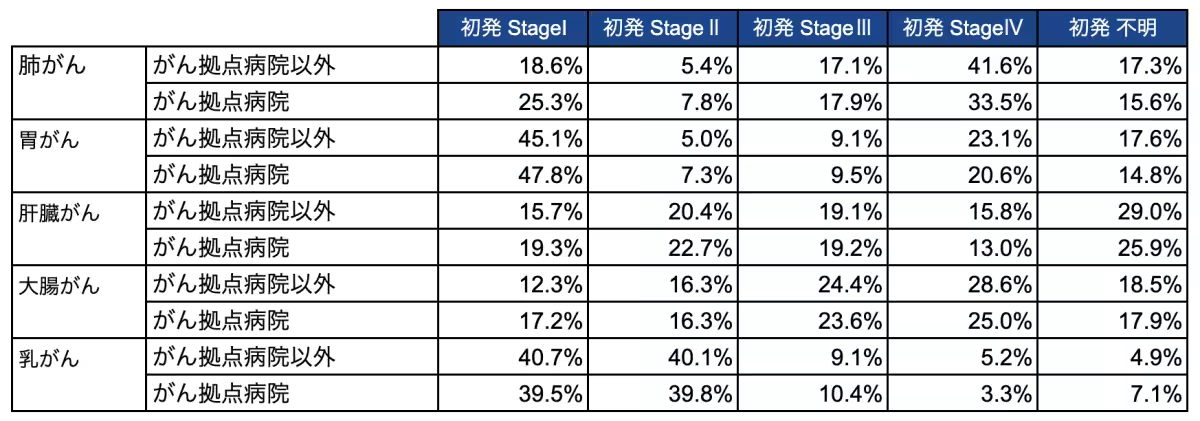
The dataset also compares cancer stage distribution between cancer centers and non-cancer designated hospitals. It reveals that cancer centers tend to have a higher proportion of Stage I cases while exhibiting lower rates of Stage IV and indeterminate stages across major cancers such as lung, stomach, liver, and colorectal cancers. Interestingly, for breast cancer, the early stage rates are similar across both types of hospitals, though cancer centers report a higher proportion of indeterminate cases.
Regional Analysis of Stage Changes
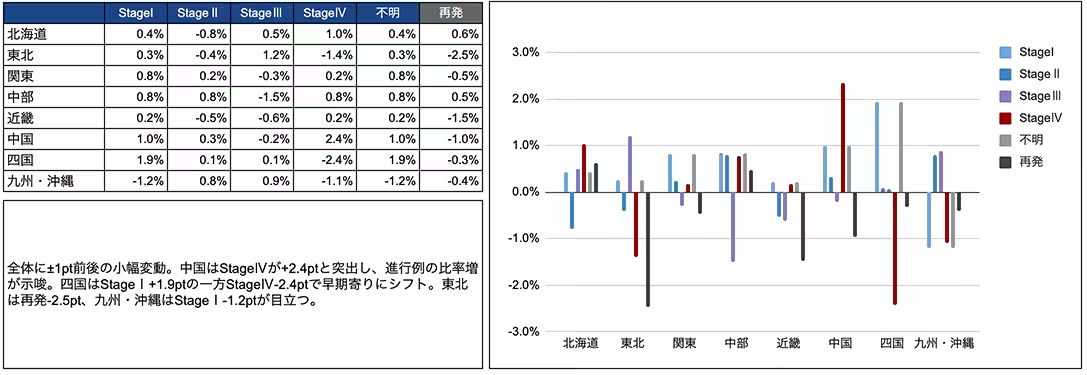
A deeper dive into the dataset shows variations in stage distribution by region. For stomach cancer, the Shikoku region has seen an increase in early-stage detection, while the Chugoku region has shown a rise in advanced cases. In contrast, lung cancer has shown significant increases in early-stage diagnoses across regions, highlighting the necessity of continual monitoring and improvement in screening practices.
Conclusion
Mii Company's new dataset providing insights into patient counts based on cancer stages is an invaluable tool for stakeholders in the healthcare sector, including hospitals, pharmaceutical companies, and researchers. The information it contains allows for better comparative analysis at both hospital and regional levels, ultimately contributing to enhanced cancer care strategies in Japan.
To further allow for a comprehensive understanding, Mii Company invites healthcare professionals and interested parties to download the available white papers and utilize the dataset in their research and clinical practices.
Topics Health)
【About Using Articles】
You can freely use the title and article content by linking to the page where the article is posted.
※ Images cannot be used.
【About Links】
Links are free to use.