



Understanding the Differences Among Green, Black, and Oolong Tea: Survey Insights
Introduction
A recent survey conducted by Sakuras Inc. has shed light on the general public's knowledge about tea varieties, revealing some intriguing insights. Known for its deep-rooted traditions in Japanese culture, tea is not just a drink but a lifestyle. In this survey targeting adults aged 20 to 60 who regularly consume tea, the differences between green tea, black tea, and oolong tea emerged as the focal point of discussion.
Tea Popularity
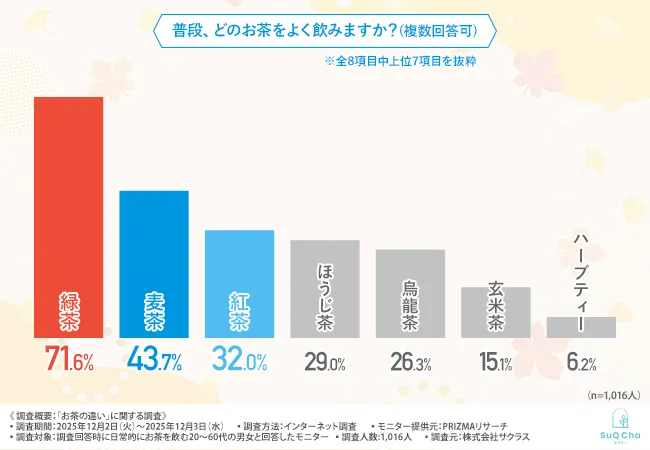
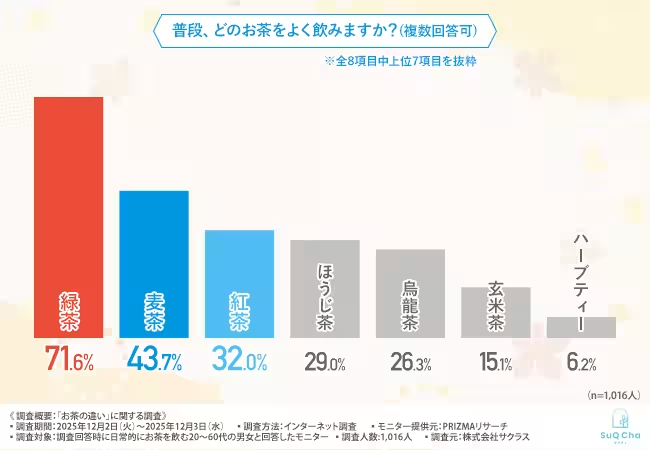
According to the survey results, a staggering 71.6% of participants indicated that they often drink green tea, making it the most favored choice among Japanese tea drinkers. Barley tea followed with 43.7%, and black tea was chosen by 32.0% of respondents. This suggests that green tea has established itself as a staple in Japanese households, reflecting its rich cultural significance.
Knowledge of Tea Types
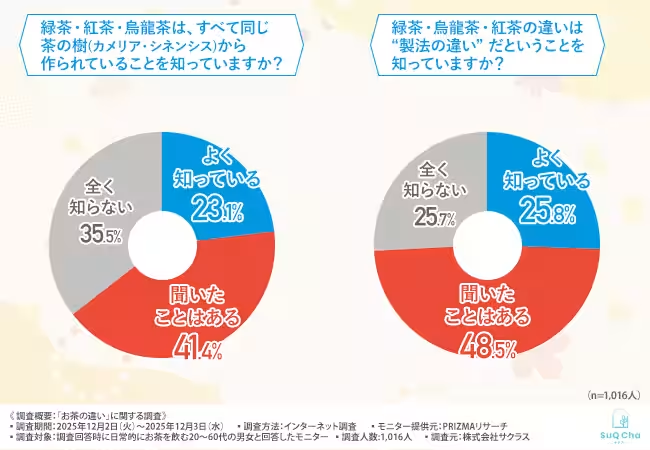
Despite the popularity of green tea, the survey revealed that approximately 30% of respondents were unaware that green tea, oolong tea, and black tea all originate from the same tea tree, Camellia sinensis. More specifically:
- - 23.1% claimed they were well aware of the fact.
- - 41.4% had heard about it.
- - 35.5% admitted they had no knowledge at all.
Difference in Tea Types: Manufacturing Processes
When it comes to recognizing the differences in tea types arising from different manufacturing processes, 25.8% of participants responded that they were well-informed, while 48.5% stated they had heard of it before. However, 25.7% still had no idea about the processes involved. This finding highlights that even everyday items like tea can harbor complexities that many are not yet equipped to understand.
Lack of Awareness about Tea Varieties
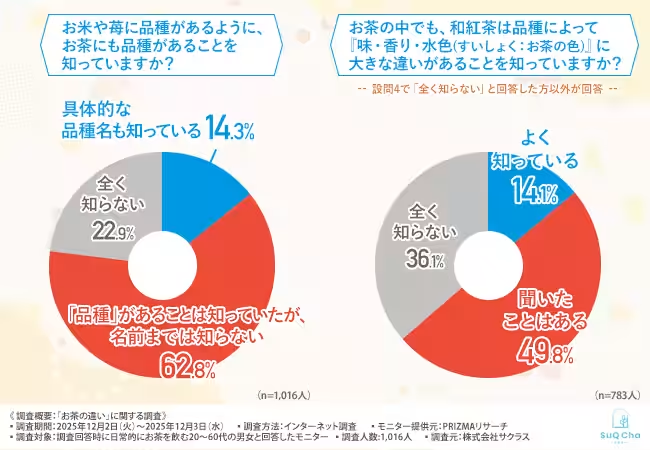
To understand how well-informed individuals are about tea varieties, we curated a question regarding the awareness of different tea types. A mere 14.3% confirmed that they knew specific tea variety names, while 62.8% knew that varieties existed but couldn’t name any. This shows that while there is some awareness of tea types, identifying specific varieties is far less common. Factors such as blending practices and branding based on tea-producing regions, rather than specific varieties, might explain this knowledge gap.
Understanding Japanese Black Tea: Wakocha
Continuing the conversation, the survey sought to understand the recognition of Wakocha, a variation of Japanese black tea that reflects local flavors and styles. Participants were asked if they were aware that Wakocha's characteristics, including taste, aroma, and color, significantly differ based on variety. Here, 14.1% reported they had a deep understanding while 49.8% acknowledged they had heard of it, leaving 36.1% completely unaware.
Wakocha’s dynamic nature is showcased through attributes such as:
- - Flavor diversity influenced by harvest seasons.
- - Color variations that can be distinct even among the same type of tea.
For example:
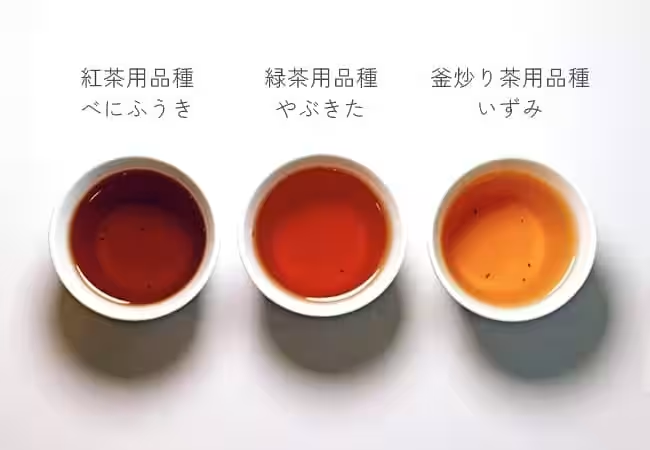
- - Benifuki, a black tea variety, presents a gorgeous reddish-orange hue along with robust aromas and flavors.
- - Yabukita, primarily used for green tea, has a crimson color characterized by mild sweetness and pleasant umami.
- - Izumi, a pan-fried tea variant, offers a vibrant golden-yellow shade with a refreshing aftertaste.
The variation underscores the need for consumers to expand their knowledge and appreciation of the tea they consume.
Consumer Interest in Exploring Wakocha
After discussing variety, the survey assessed consumer intent regarding tastings. Approximately 70% of participants indicated they were keen to explore the diverse flavors and aromas offered by different Wakocha varieties. The palate for rich tasting experiences is evident, with many expressing excitement at the opportunity to experiment and discover their personal preferences.
Conclusion: Enriching the Tea Experience
This survey highlights that even regular tea drinkers lack significant depth of knowledge about the materials and processes behind their favorite brews. While many may drink tea casually, understanding its complexity — particularly in the context of Wakocha — can transform an everyday experience into something much more enriching. Recognizing that the differences in taste stem from various factors such as production methods, types, and origins can enhance one’s appreciation of tea culture.
As Sakuras Inc. continues to bridge the knowledge gap through platforms like SuQ Cha, it encourages tea drinkers to not just drink but truly engage with their tea, exploring the unique offerings of Japanese Wakocha and embracing the diversity it holds.

Topics Consumer Products & Retail)
【About Using Articles】
You can freely use the title and article content by linking to the page where the article is posted.
※ Images cannot be used.
【About Links】
Links are free to use.