



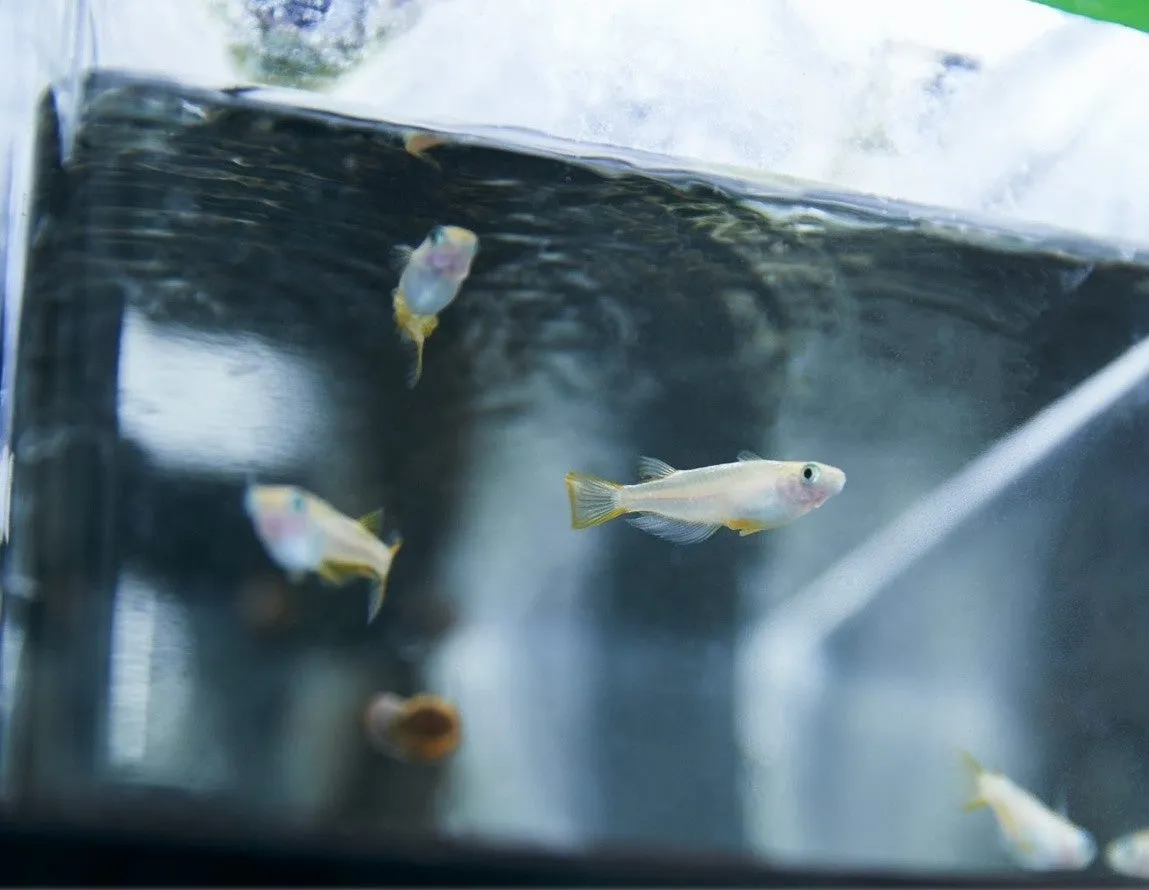
New Research Unveils Antidepressant Sensitivity Differences Between Humans and Fish Species
New Insights into Antidepressant Effects on Aquatic Life
In a recent collaborative study led by Professor Shinichi Miyagawa from Tokyo University of Science and Professor Masaru Ihara from Kochi University, researchers delved into the molecular characteristics of monoamine transporters (MAT) in fish species, particularly Medaka (Oryzias latipes) and Ayu (Plecoglossus altivelis). The findings, published on August 24, 2026, in the journal Environmental Science and Technology, reveal significant disparities in the sensitivity of these aquatic species to antidepressants when compared to humans.
Understanding the Research
The primary focus of the study was the isolation and analysis of genes related to monoamine transporters from the two fish species mentioned above. The amino acid sequences of the serotonergic transporter subtype SERTa in fish were found to be notably more sensitive to antidepressants than the equivalent transporter in humans. Remarkably, even drugs that do not target MAT in humans exhibited inhibitory effects on the MAT in fish. This aspect underscores a pressing issue - medications intended for human use may inadvertently affect aquatic ecosystems due to their persistent nature in the environment.
Environmental Concerns
A prevalent concern is that antidepressant medications frequently escape complete removal during wastewater treatment processes. As a result, residual substances can end up in rivers and other water bodies, thereby posing a threat to aquatic life. The implications of these findings are critical, as they suggest that species-specific data regarding drug sensitivity must be included in environmental risk assessments to prevent potential ecological harm.
Methodology and Findings
To evaluate the pharmacological characteristics of the MAT in fish, the research team conducted comprehensive molecular assessments involving both Medaka and Ayu. The results revealed:
1. Identification of SERT Subtypes: The research confirmed the existence of two types of serotonergic transporters (SERTa and SERTb) in fish, contrasting with the single subtype present in humans. Through gene sequencing, it was determined that SERTa closely resembles the human SERT and is primarily expressed in the brain.
2. Higher Sensitivity in Fish: Notably, the SERTa in both Medaka and Ayu showed a consistently higher sensitivity to various antidepressants compared to human SERT. For certain medications, the concentration required to inhibit fish SERTa's function was less than one-tenth of that needed for human SERT.
3. Unexpected Effects of Non-MAT-targeting Drugs: Some drugs, such as Mirtazapine and Quetiapine, which are not designed to target MAT in humans, still exhibited inhibitory effects on fish MAT, indicating that these medications could cause unanticipated ecological impacts.
Implications for Future Research
The research underlines the necessity for a shift in how environmental risk assessments are conducted. Current practices heavily rely on mammalian data, which could underestimate the potential ecological risks posed to aquatic ecosystems by pharmaceuticals. The identification of unique sensitivity profiles in fish offers a scientific foundation for prioritizing specific pharmaceuticals in environmental monitoring programs.
Conclusion
As pollution continues to threaten aquatic environments, understanding the effects of pharmaceuticals on marine life becomes increasingly crucial. This research provides a significant step toward developing more protective water quality guidelines and a better understanding of the ecological implications of human pharmaceuticals in aquatic ecosystems. The findings highlight the essential need for regulatory frameworks that incorporate species-specific data to ensure the sustainability of our aquatic ecosystems.
The study is supported by Japan's Ministry of the Environment and the Japan Society for the Promotion of Science, signaling an increasing recognition of the intersection between human health and environmental sustainability.
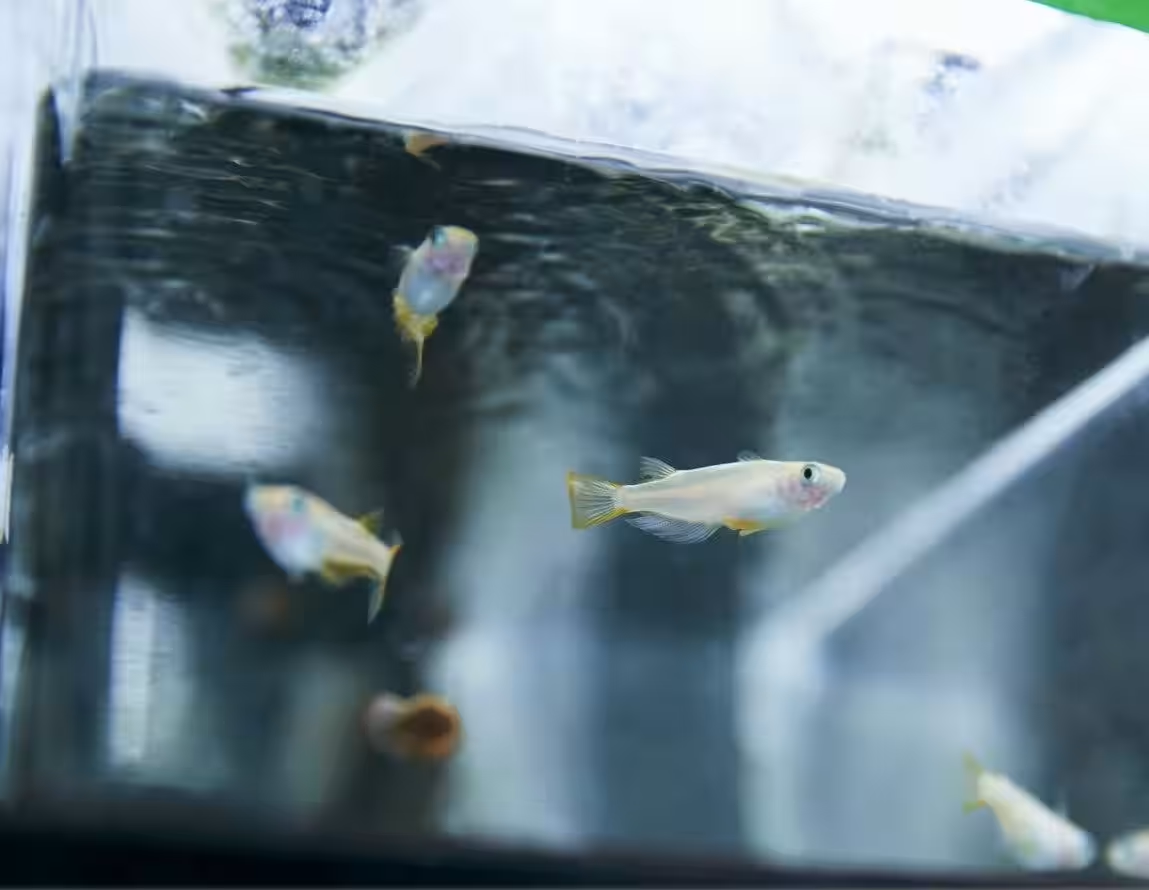
Topics Environment)



【About Using Articles】
You can freely use the title and article content by linking to the page where the article is posted.
※ Images cannot be used.
【About Links】
Links are free to use.