



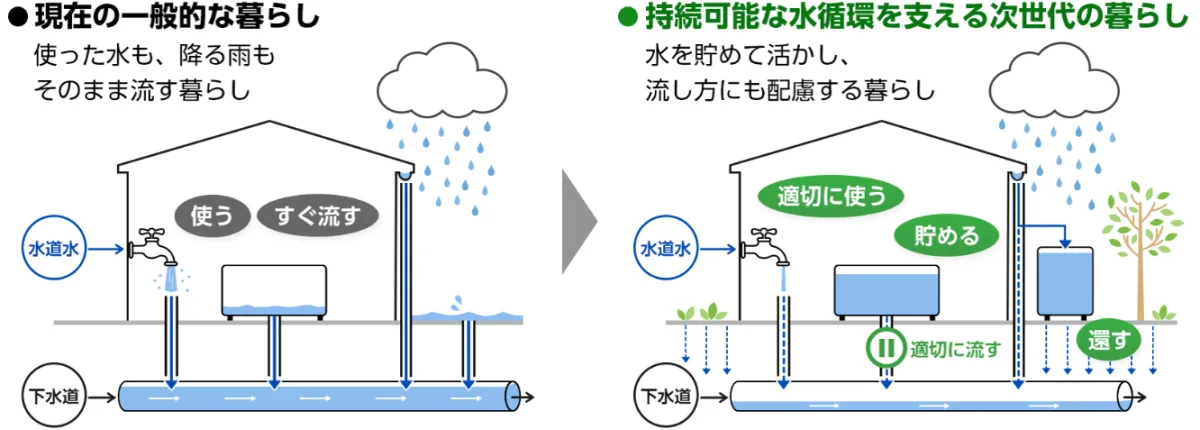
Exploring Sustainable Water Management in Housing Amidst Increasing Rainfall Challenges
Introduction
Heavy rainfall events have become more common and severe, largely due to climate change and urbanization issues, leading to various water-related challenges. In pursuit of a safer and more sustainable way of living, there is a growing emphasis on integrating sustainable water management practices within residential environments. Sekisui Chemical Co., Ltd., through its research institute, Juken Kankyo Kenkyusho, engaged with Professor Hiroyasu Sato from the University of Tokyo to conduct a survey addressing awareness and practices surrounding drainage and rainwater utilization in housing from May to June 2026.
Survey Background
The recent surge of climate-induced heavy rains has raised concerns about drainage systems and water management capabilities. With aging water supply and sewage infrastructure, it has become imperative for us to develop multiple strategies to ensure a reliable water supply and address drainage in times of heavy rainfall or disasters. Juken Kankyo Kenkyusho has embarked on these essential studies and conducted an earlier survey in 2024 focused on preparedness against water outages. The latest survey aimed to better understand public attitudes and behaviors regarding drainage practices, emphasizing the need for conscientious management of water exiting residences.
Key Findings
1. Water Use Anxiety vs. Drainage Awareness
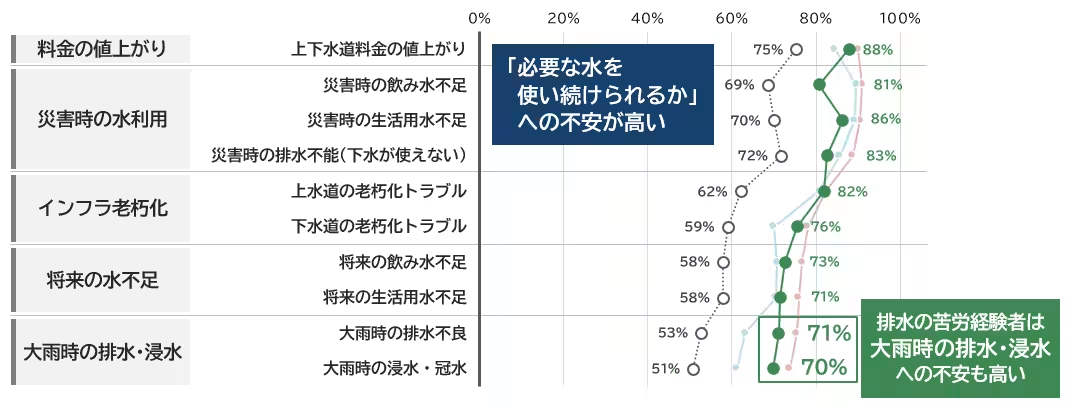
- The study revealed a significant anxiety surrounding the availability and use of water, particularly regarding rising water bills and access to water during emergencies. Surprisingly, concerns about drainage during heavy rains were less pronounced. Participants who had previously faced drainage issues showed heightened awareness and anxiety, underscoring the need to direct attention to drainage problems in our homes.
2. Establishment of Drainage Etiquette
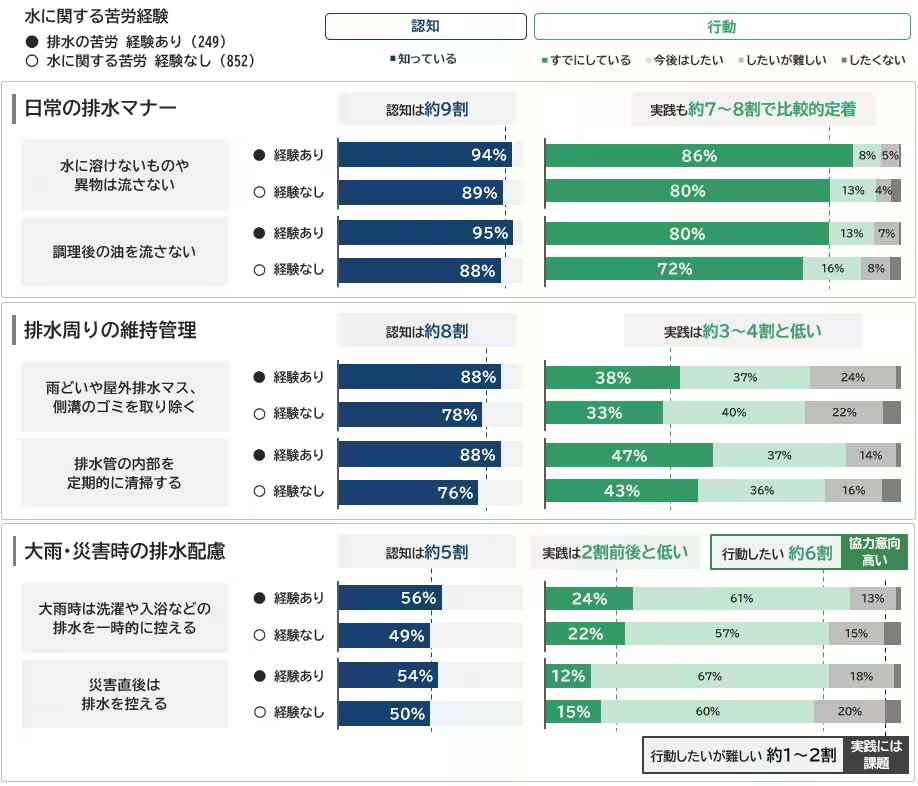
- The research found that while daily drainage manners, such as avoiding the disposal of non-degradable materials, have been well-recognized and implemented, practices during heavy rainfall or disaster scenarios remain insufficiently addressed. About 60% expressed intentions to engage in drainage precautions during such events, yet many acknowledged the challenges involved. This gap highlights that while the necessity for better drainage awareness is recognized, translating that into actual behavior continues to be challenging.
3. Interest in Rainwater Utilization
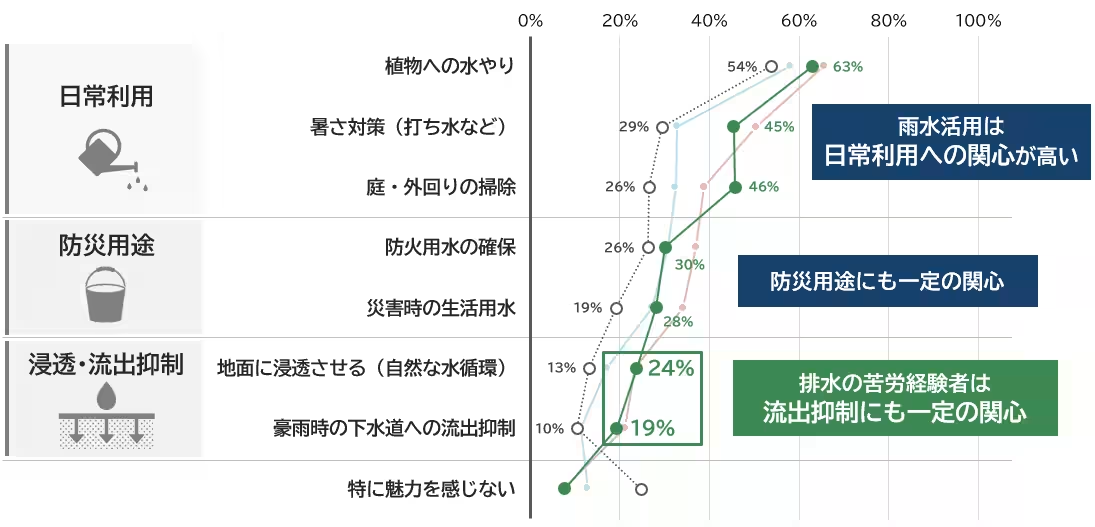
- The survey also assessed interest in rainwater collection and utilization. Respondents showed higher motivation towards practical uses, such as watering plants or cleaning outdoor areas, compared to disaster preparedness purposes. However, interest in methods that mitigate runoff, particularly during heavy rains, was comparatively lower. Notably, those with previous drainage struggles exhibited some interest, indicating that experiencing firsthand issues may motivate action.
Conclusion
It is becoming increasingly clear that modern residences must adopt a multifaceted approach to water management—not just consumption but also storage and careful drainage practices. There are distinct benefits to integrating rainwater utilization into our homes, encompassing both practical uses and the environmental benefits of reducing runoff. This approach not only alleviates stress on wastewater facilities but also enhances community resilience against flooding. We must encourage effective practices that individuals can seamlessly incorporate into their daily lives, thereby enhancing overall public participation in sustainable water management initiatives. The path forward entails building systems that support these practices and inform communities of the comprehensive benefits of responsible water management.
Recommendations for Future Practices
To effectively engage the community in sustainable practices:
- - Establish infrastructure that facilitates easy adoption of rainwater utilization and drainage management.
- - Provide educational resources that highlight practical benefits while addressing common concerns that deter engagement.
- - Foster partnerships with local organizations to promote community-driven initiatives focusing on sustainable water management.
This study is a critical step towards understanding how we can all contribute to sustainable water cycles within our homes and communities, especially as we face the harsh realities of climate change.
Research Methodology
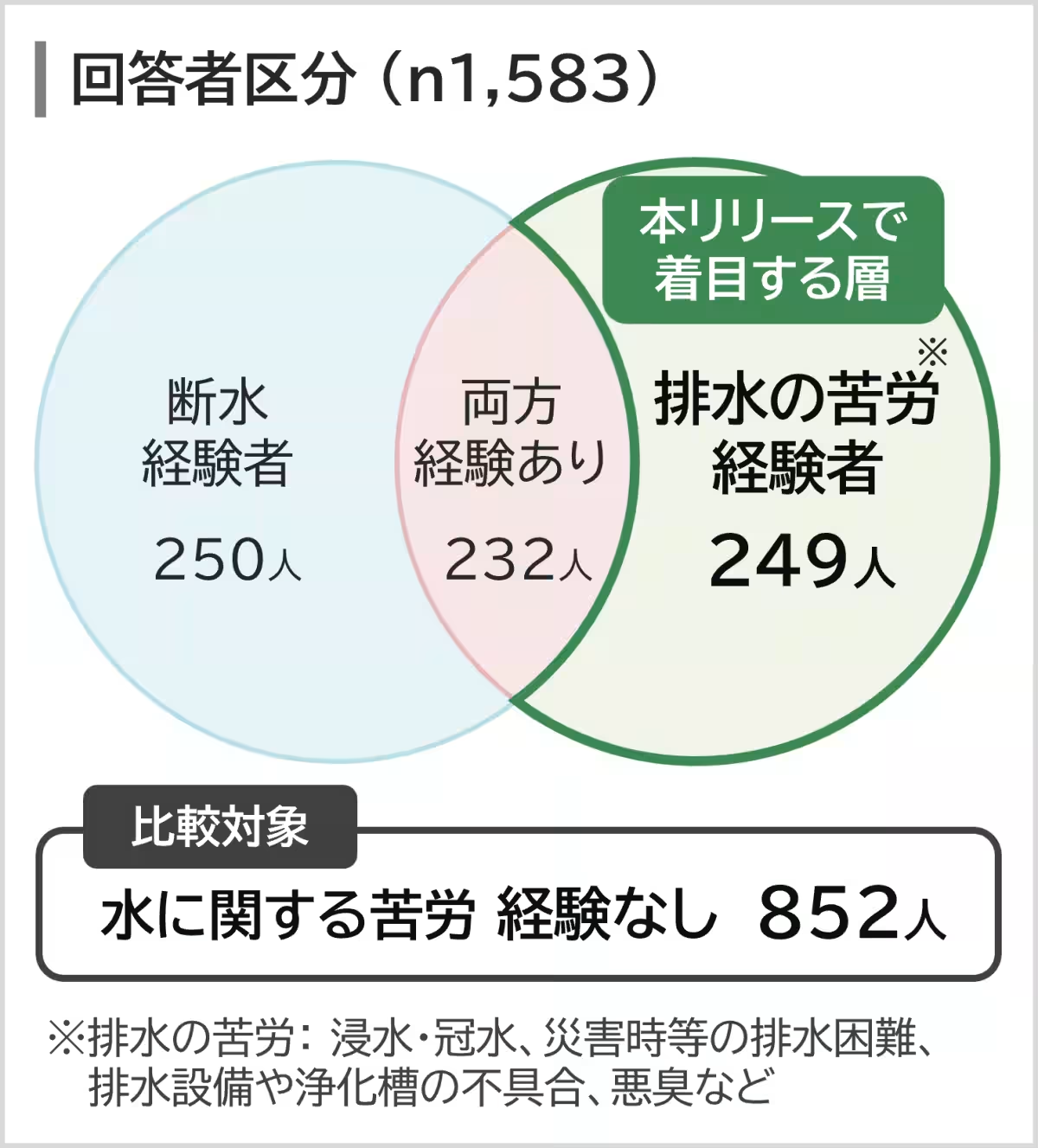
The survey, conducted online from May 29 to June 2, 2026, targeted homeowners aged 20 to 69 across various demographics. A total of 1,583 respondents participated, providing valuable insights into their experiences and expectations regarding water use and drainage in residential settings.



Topics Environment)


【About Using Articles】
You can freely use the title and article content by linking to the page where the article is posted.
※ Images cannot be used.
【About Links】
Links are free to use.