



The Gap Between Ideal and Reality in Elderly Care: Insights from a Recent Survey
Understanding the Gap in Elderly Care Preferences
A recent study conducted by the Harumeku Ikikata Jozu Research Institute shines a light on the perspectives of elderly care among individuals aged 50 to 87. The survey, encompassing 474 women, reveals surprising insights into how individuals wish to approach care as they age and how they perceive caregiving for their family members.
Key Findings
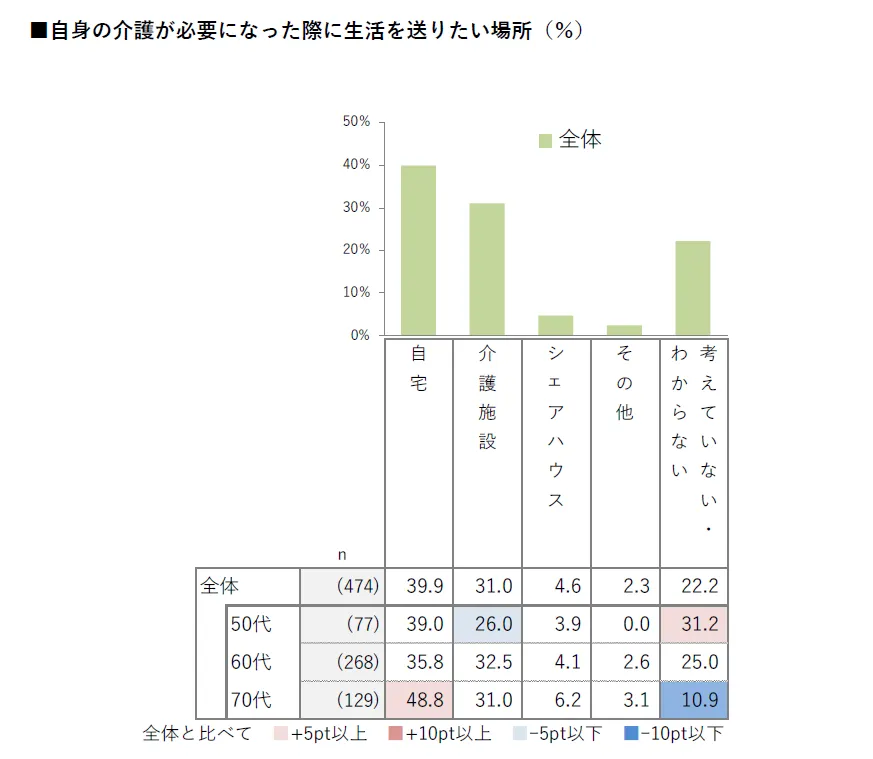
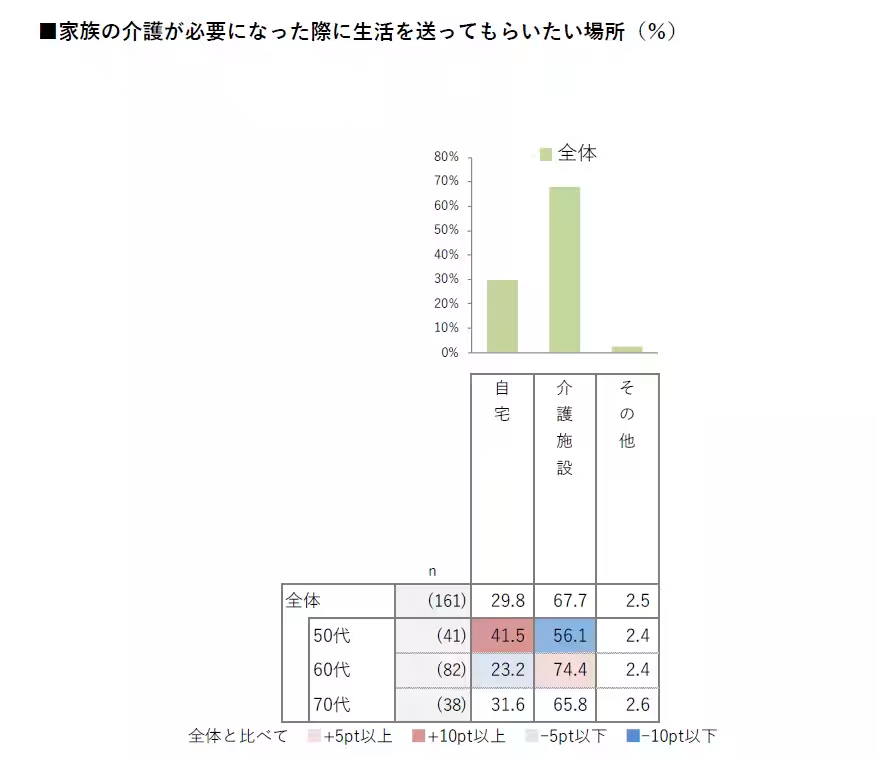
The most significant takeaway from the survey is the clear gap between what individuals want for themselves regarding care and what they prefer for family members. Approximately 40% of respondents indicated that they wish to be cared for in their own homes, prioritizing comfort in familiar surroundings. In stark contrast, when it comes to caring for family members, about 70% prefer to make use of professional care facilities. This discrepancy highlights a crucial psychological divide: the emotional desire for familiar surroundings conflicts with the pragmatic decisions made when offering care to others.
Care Preferences and Support
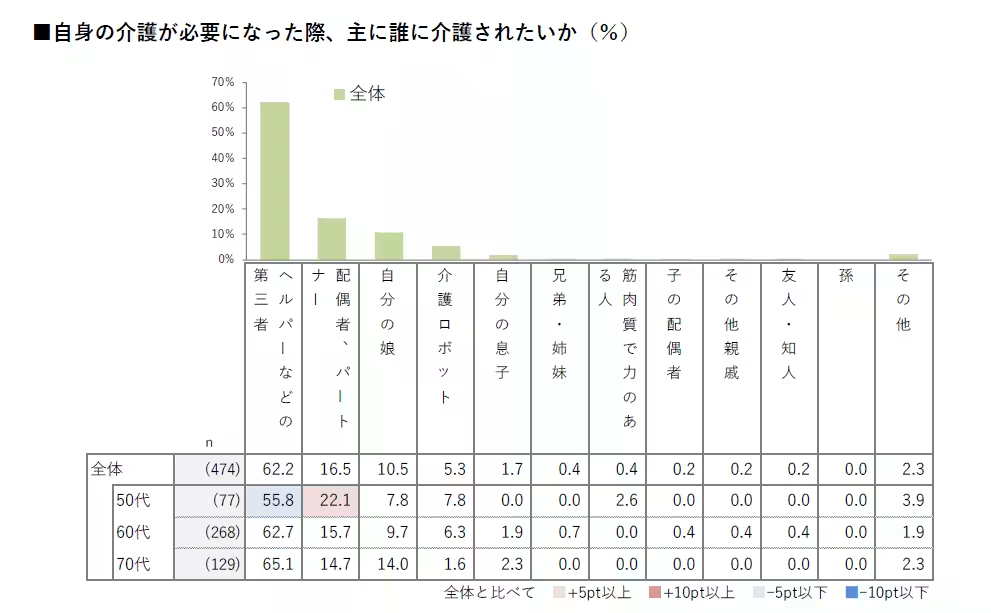
The survey further reveals the nuances regarding who individuals prefer to take care of them. The overwhelming response, at 62.2%, indicated a preference for third-party caregivers such as home helpers, while only 16.5% preferred their spouse or partner and 10.5% indicated a preference for their daughters. This indicates a growing trust in professional care over familial assistance, emphasizing the evolving dynamics of caregiving.
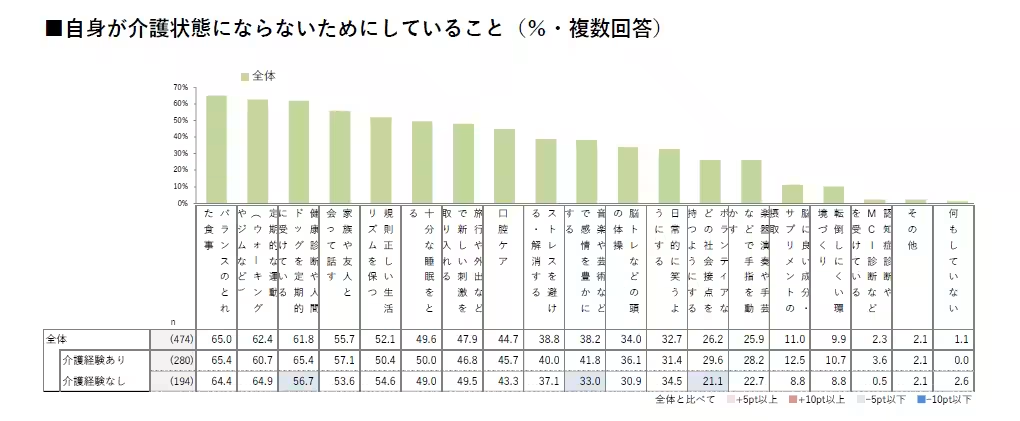
This shift in perspective can also be observed in the preparedness of individuals regarding their health and caregiving plans. Those who have previous caregiving experience exhibit a heightened awareness of the importance of proactive health measures. More than 60% of participants mentioned they engage in activities such as regular health check-ups, healthy eating, and exercise to prevent future care needs.
Insights on Elder Care Services
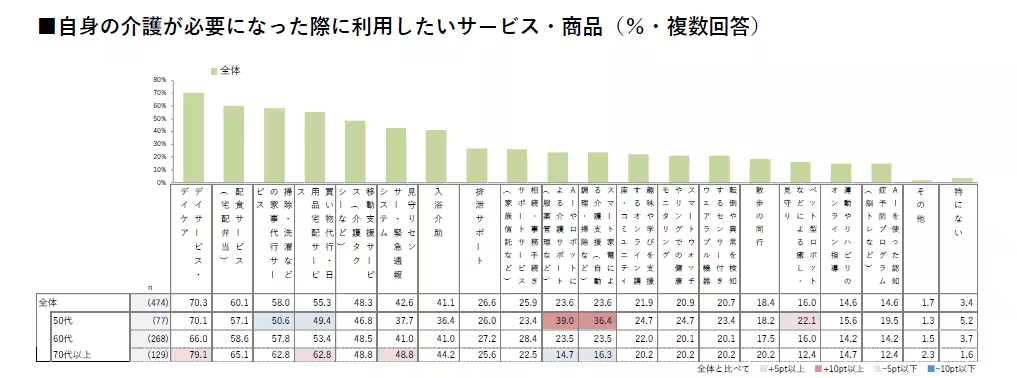
When it comes to preferred caregiving services, responses leaned significantly towards traditional support like adult day services, home delivery meals, and home nursing care. Notably, interest in innovative care technologies such as AI and smart home devices is particularly pronounced among those in their 50s.
Despite the growing interest in technological solutions for caregiving, current utilization remains modest. Only around 40% have expressed interest in monitoring sensors and emergency call services, while the numbers for AI robots and smart appliances hover in the lower 20% range. It appears that while there is curiosity about technological advancements, practical adoption is still in its infancy.
Expert Perspective
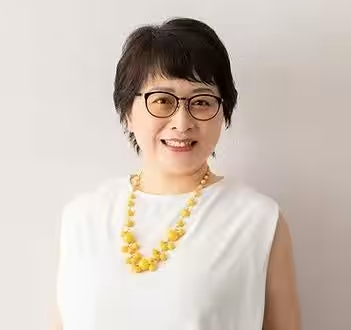
Yukie Umedzu, the head of the Harumeku Ikikata Jozu Research Institute, emphasizes that the traditional view of family caregiving is reaching a turning point. The necessity for professional care and technology in the caregiving landscape is becoming increasingly apparent. The findings suggest that a generational shift is underway, particularly among those in their 50s, who are poised to embrace technology as part of their caregiving solutions. This shift indicates that the care system must evolve to integrate both professional care services and technological tools to enhance the quality of life for seniors.
Conclusion
The gap between ideals and reality in caregiving is a reflection of an evolving society. As the senior population continues to grow, understanding these desires and preferences is critical for shaping a supportive care environment. The findings from the Harumeku Ikikata Jozu Research Institute challenge preconceived notions about family roles in caregiving and emphasize the potential role of technology in transforming elder care. As we move forward, it will be essential to find a balance between personal care preferences and the increasing reliance on professional services and innovations in elder care.
Topics Health)
【About Using Articles】
You can freely use the title and article content by linking to the page where the article is posted.
※ Images cannot be used.
【About Links】
Links are free to use.