



The Struggle of Young Professionals to Maintain Health and Exercise While Working
The Modern Dilemma: Balancing Work and Health
In a recent survey conducted by G-FIVE, a company based in Shizuoka, Japan, the stark gap between the health consciousness and physical activity of young professionals in their 20s and 30s has been highlighted. With the rise of 24-hour fitness gyms and online training services, it's never been easier to incorporate exercise into a busy lifestyle. Yet, only 30% of young professionals actually report effectively utilizing these gym services. This discrepancy raises significant questions about the feasibility of maintaining a healthy lifestyle while navigating the demands of modern work life.
Overview of the Study
The survey focused on the exercise habits and health maintenance of male employees in their 20s and 30s who are either considering or currently using gym facilities. The research took place on June 25, 2025, and included 1,000 participants, giving a representative insight into the younger male workforce's habits and mentalities regarding health and fitness.
Current vs. Ideal Exercise
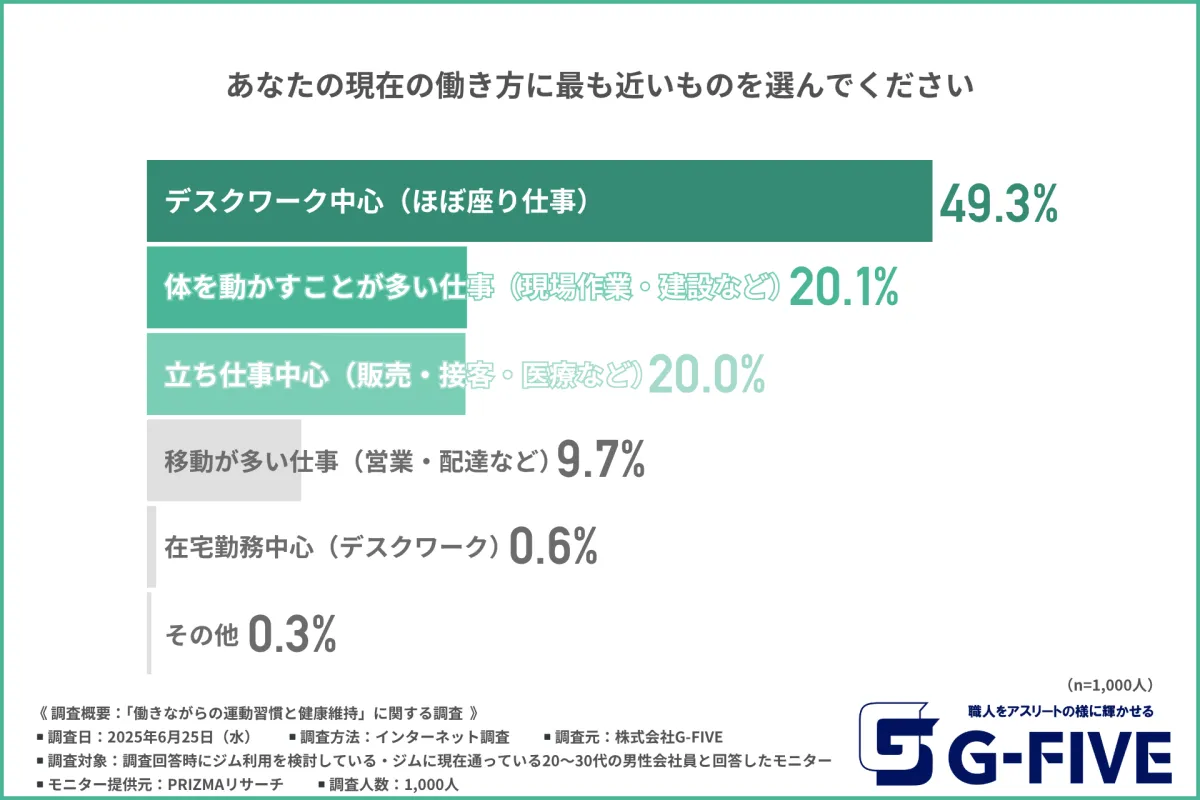
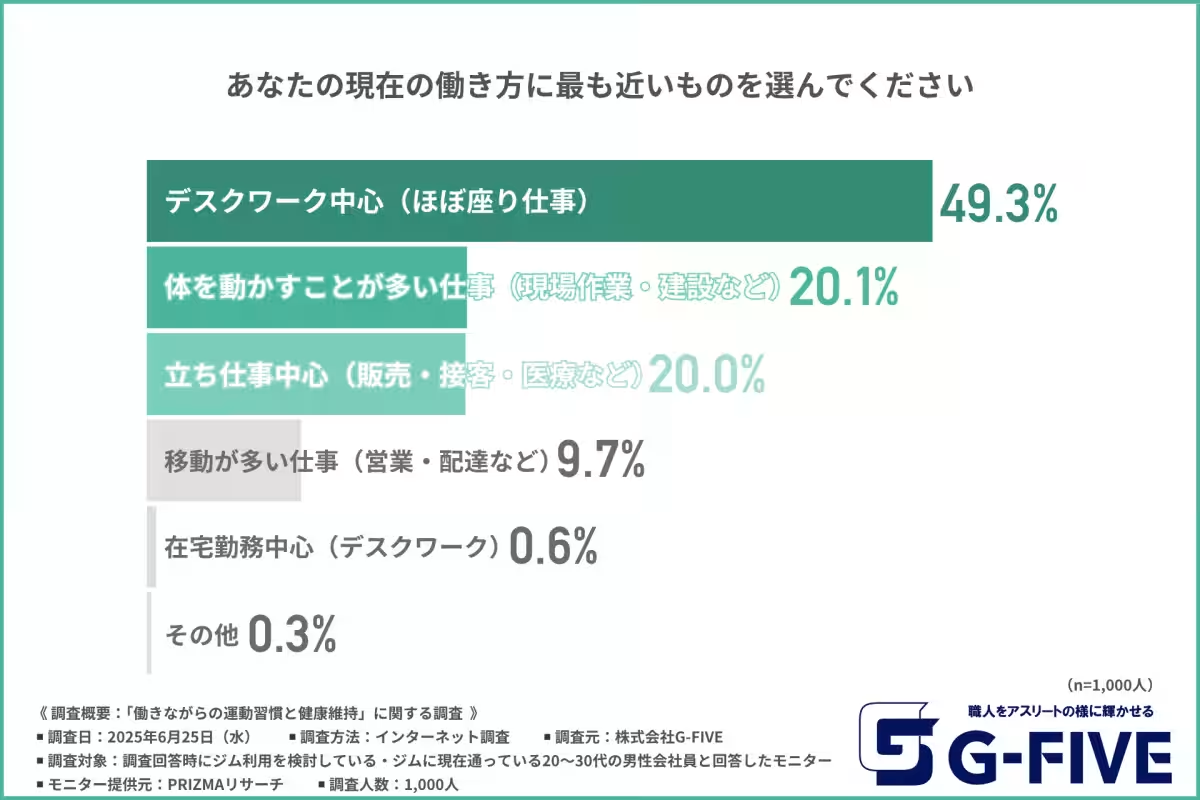
An initial inquiry into the current work styles of the participants revealed that nearly 49.3% are engaged primarily in desk work, followed by 20.1% in hands-on job environments such as construction, and about 20% in customer service roles. This prevalence of sedentary work is alarming; extensive sitting is a known health risk and is often linked to decreased physical fitness. Despite recognizing the need for movement, most of the respondents struggle to meet their ideal exercise goals. When asked about their current exercise duration versus their desired exercise duration, a compelling gap was uncovered.
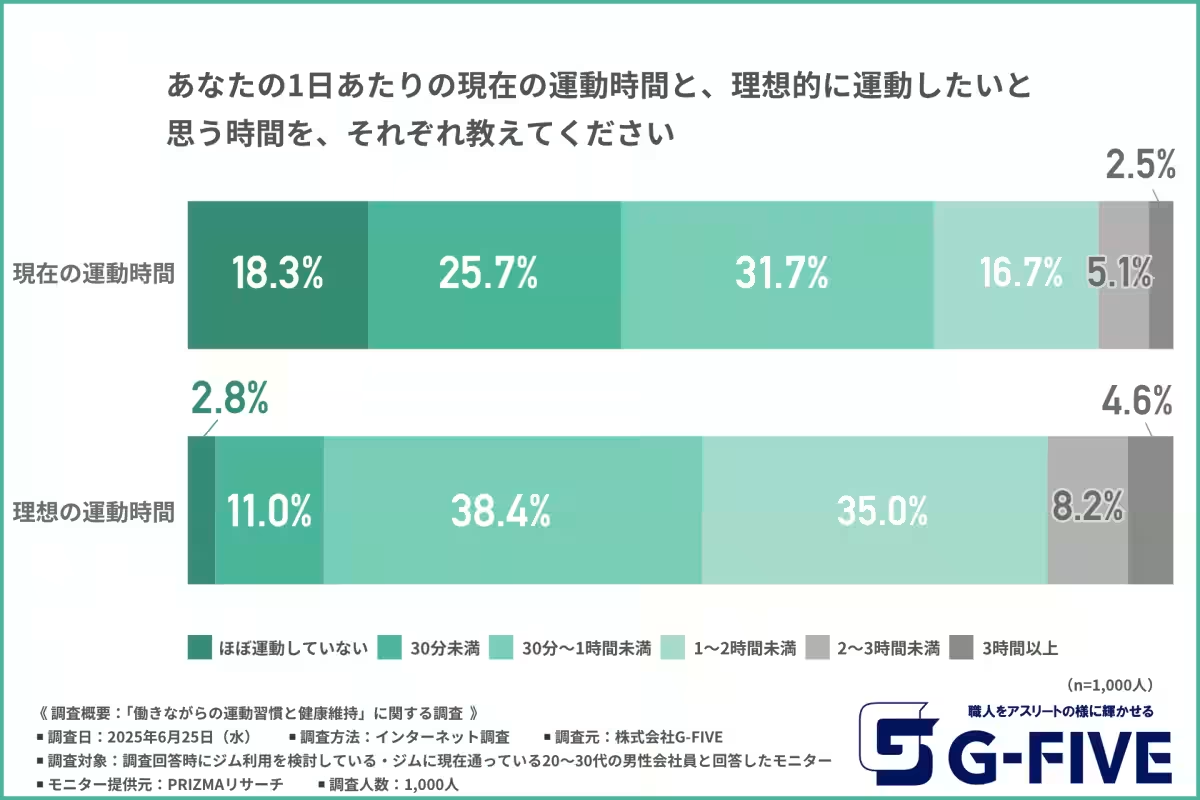
- - Current Exercise Duration:
- Less than 30 minutes: 25.7%
- Between 30 minutes to 1 hour: 31.7%
- Between 1 to 2 hours: 16.7%
- More than 2 hours: 7.6%
- - Ideal Exercise Duration:
- Less than 30 minutes: 11.0%
- Between 30 minutes to 1 hour: 38.4%
- Between 1 to 2 hours: 35.0%
- More than 2 hours: 4.6%
The stark contrast between current and ideal exercise durations emphasizes a universal urge among young professionals to increase their activity levels. Most expressed a keen desire to secure at least 30 minutes to 2 hours of exercise but face significant barriers to achieving these goals.
Motivations and Barriers to Gym Use
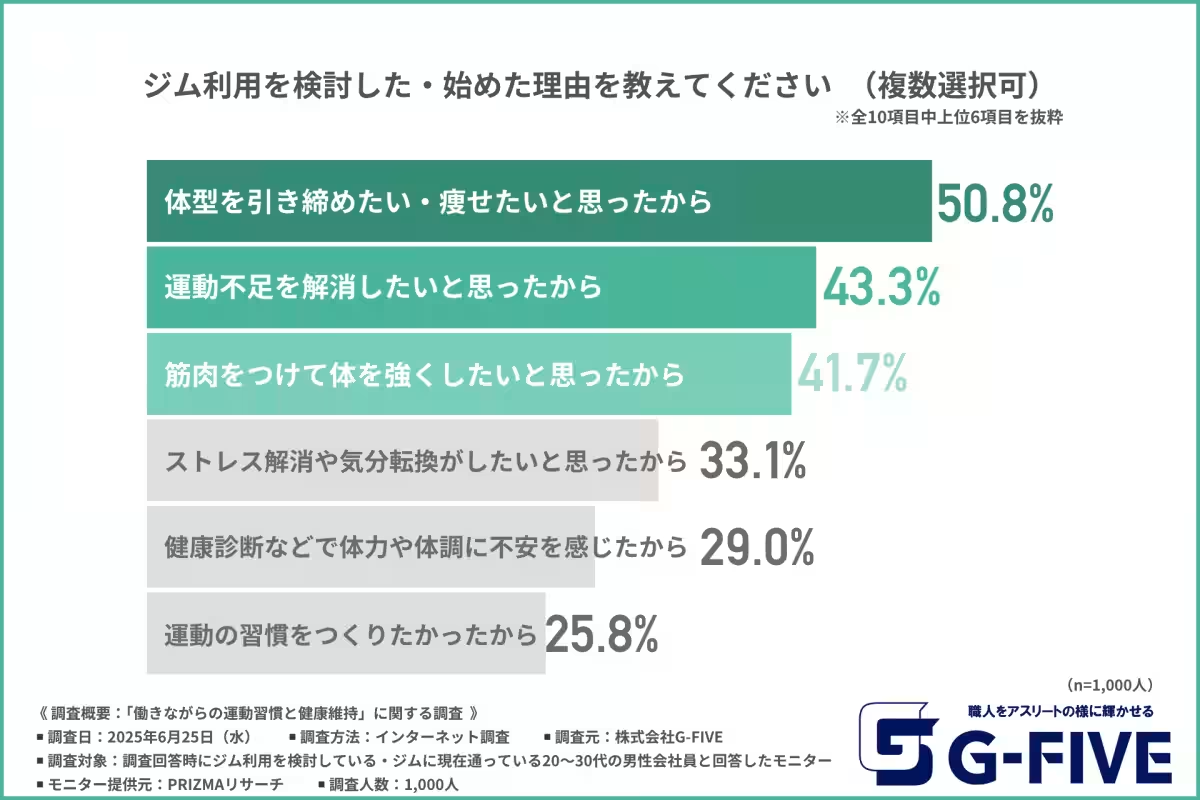
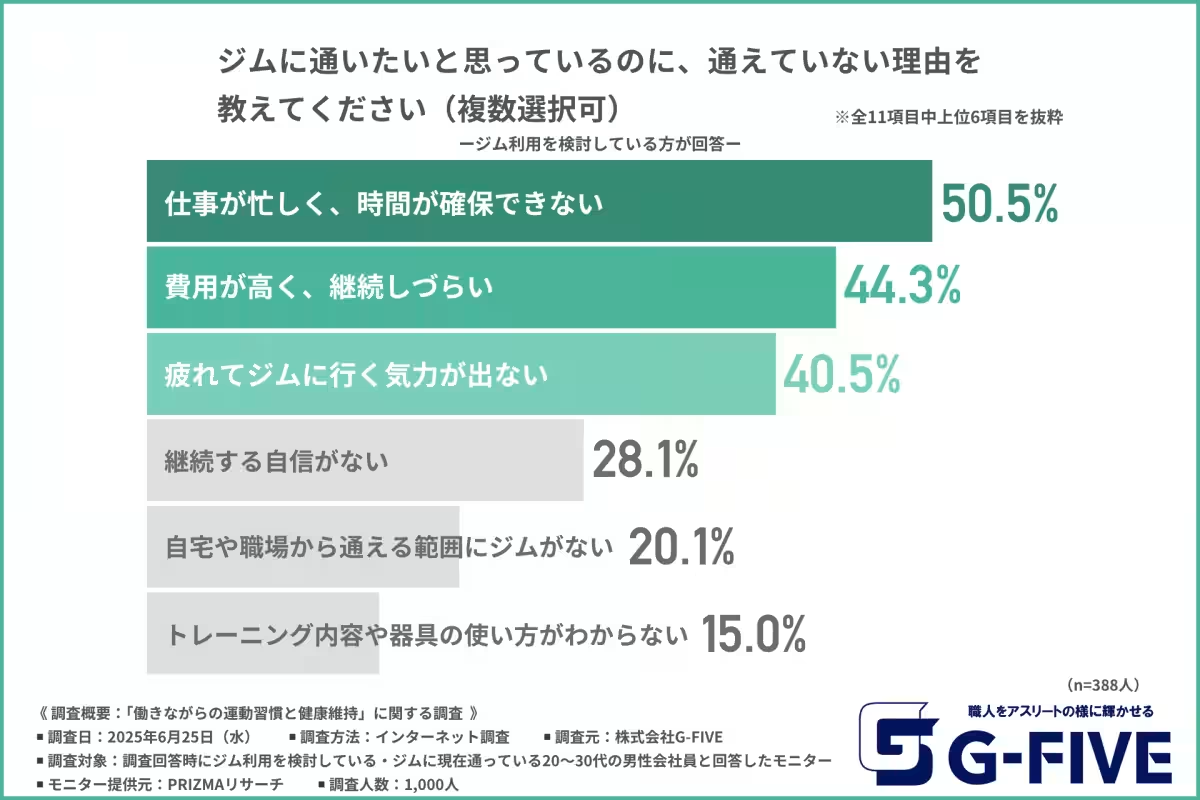
Among the reasons given for considering gym membership or attending, over 50% of respondents hoped to improve their physique, while others cited alleviating physical inactivity and enhancing muscle strength. This reflects a growing awareness of health and fitness in a demographic often consumed by their professional responsibilities. However, when exploring barriers to frequency of gym attendance, the primary responses were overwhelmingly focused on time and cost constraints—50.5% noted that busy work schedules hinder their gym time, and nearly 44.3% found the cost prohibitive.
Current Gym Utilization and Satisfaction
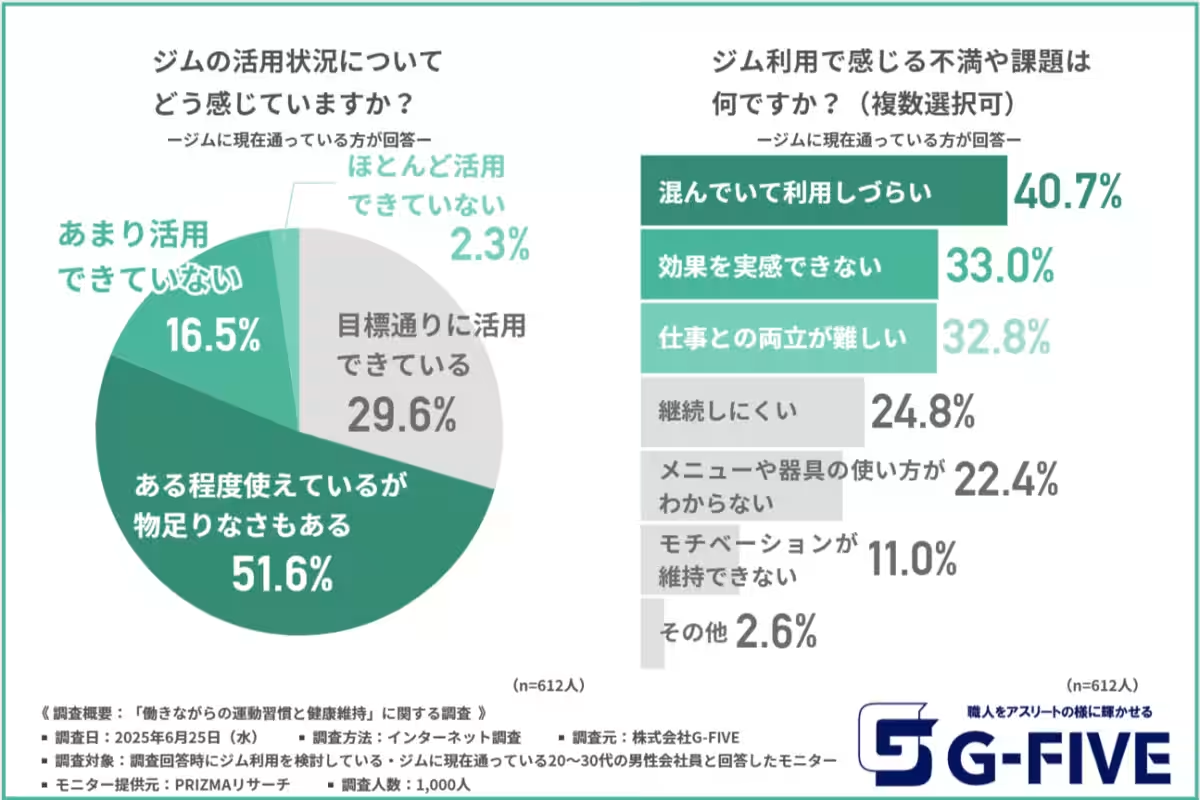
Despite the challenges, respondents who are currently using the gym reported mixed results. Only 29.6% felt they were utilizing the gym effectively based on their goals, while an alarming 2.3% indicated they were barely using the facilities. The majority (51.6%) acknowledged using the gym to a satisfactory extent but still desired more, indicating a widespread concern relating to both the effectiveness of routines and the capacity to juggle work commitments with fitness goals.
Health Concerns and Perceptions
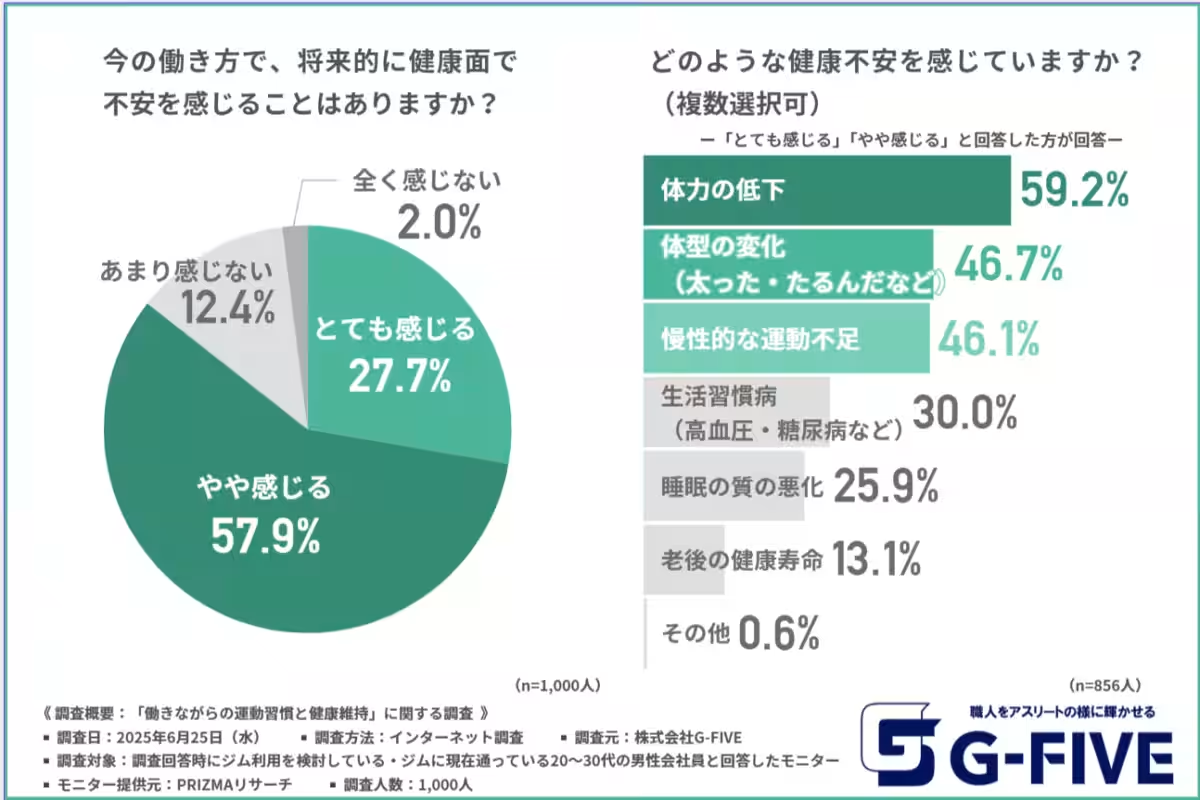
The disappointing state of current fitness habits is further compounded by prevalent health anxieties among professionals. When posed the question regarding future health concerns related to their current work life, nearly 9 out of 10 respondents expressed significant worry. The survey revealed that 59.2% are particularly concerned about a decline in physical fitness, while nearly as many fear changes to their body shape and chronic inactivity issues. Alarmingly, issues like hypertension and diabetes also emerged as worries, indicating a pressing need for a proactive health approach among this demographic.
Seeking Sustainable Solutions
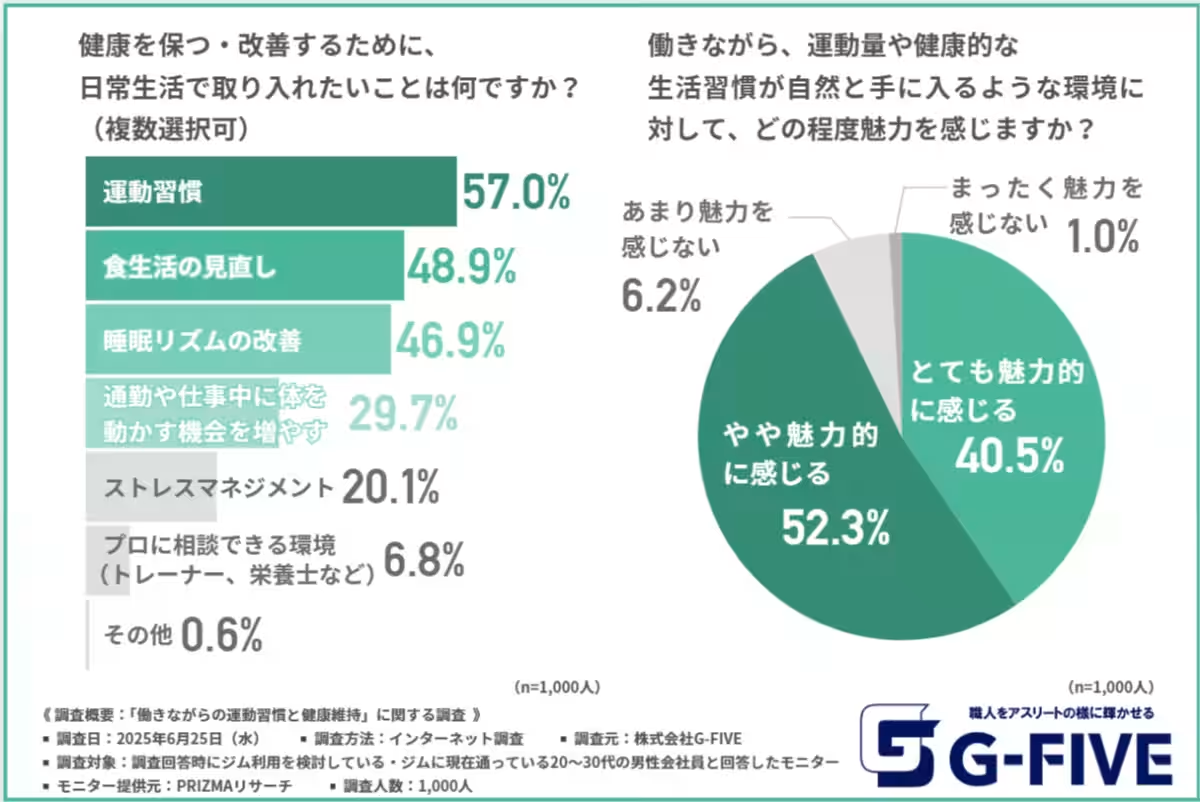
Participants expressed a desire for healthy lifestyle integration within their work settings. When asked what steps they want to take to ensure better health, preferences such as establishing a daily exercise habit, revisiting their dietary practices, improving sleep quality, and increasing physical activity during work hours ranked highest. This suggests a collective understanding that establishing a sustainable health-conscious environment is vital for long-term well-being.
Conclusion: Rethinking Work for Health
The survey by G-FIVE has made it abundantly clear that there exists a considerable discrepancy between the health intentions of young professionals and their actual exercise habits. With sedentary work dominating their daily lives, it's evident that more structural changes are required to support healthier lifestyles. As we move forward, it’s imperative that employers prioritize creating an environment that naturally facilitates health and fitness, addressing the barriers outlined in this study and fostering a culture where physical well-being is seamlessly integrated into the workday. The time for change is now, and it starts with a reevaluation of how we work.
About G-FIVE
G-FIVE, based in Shizuoka Prefecture, specializes in scaffold assembly and disassembly. As they strive to redefine expectations in the construction industry, their commitment to worker well-being and performance is evident through this insightful study.

Topics Health)

【About Using Articles】
You can freely use the title and article content by linking to the page where the article is posted.
※ Images cannot be used.
【About Links】
Links are free to use.