



Survey Reveals Half of Mental Health Departures Occurred After Six Months of Struggle
Mental Health Departures: A Growing Concern
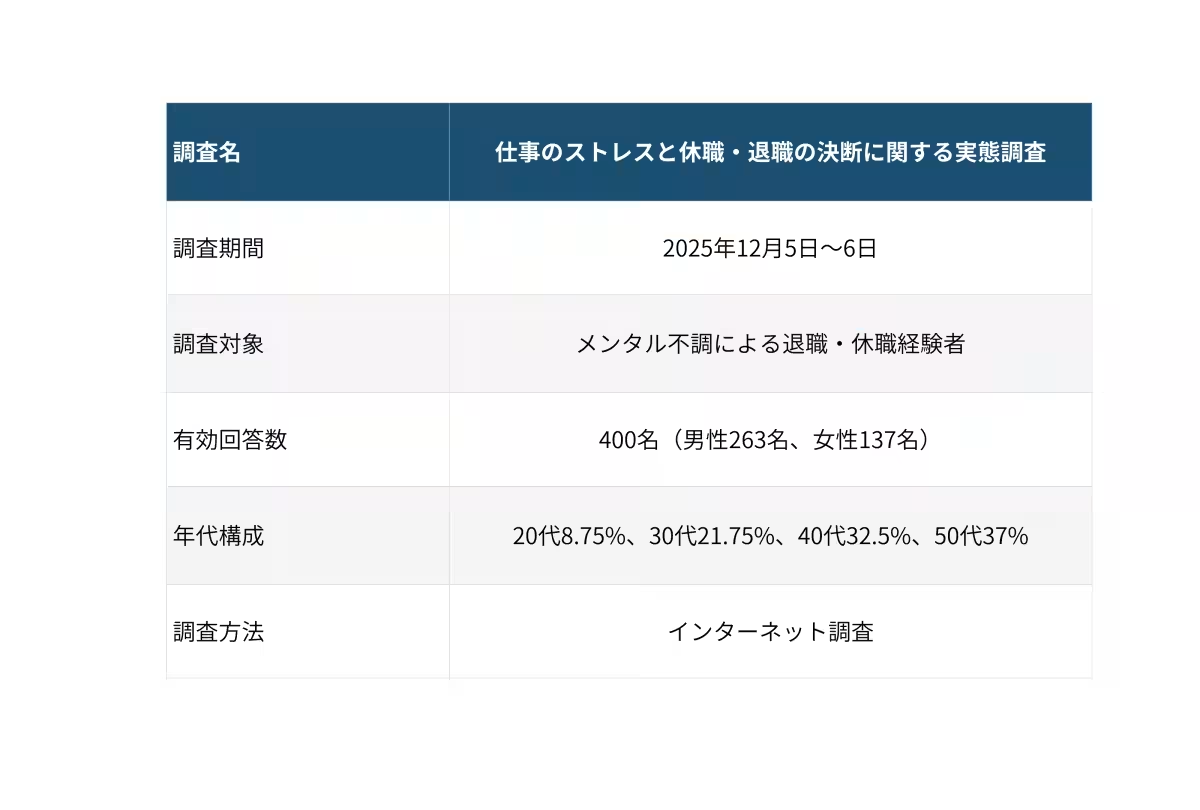
Recent findings from the stress and resignation study conducted by TEATE, a support service run by qualified doctors, shed light on troubling trends related to mental health in the workplace. Targeting individuals with experiences of work-related mental health issues, this survey reveals striking statistics that demand attention.
The Alarming Statistics
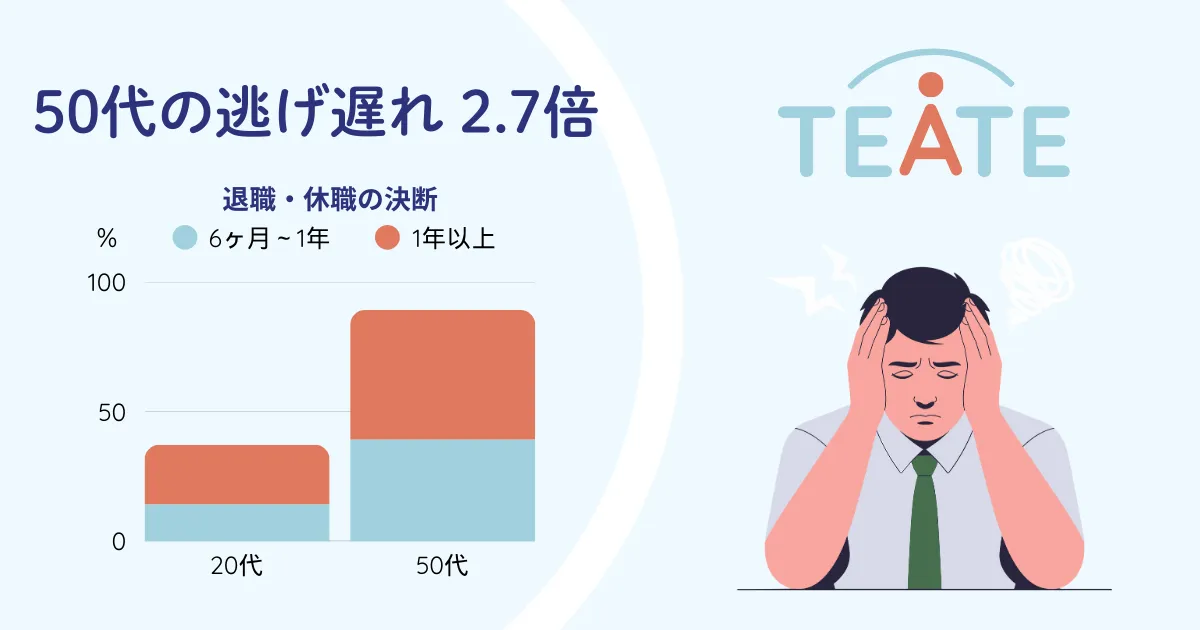
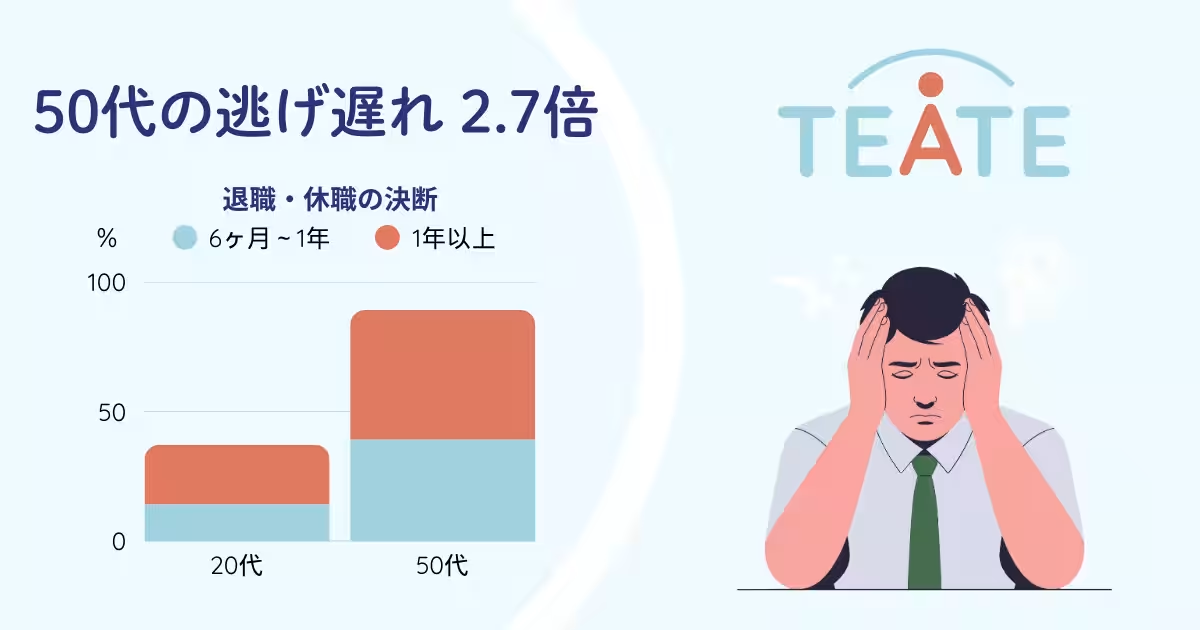
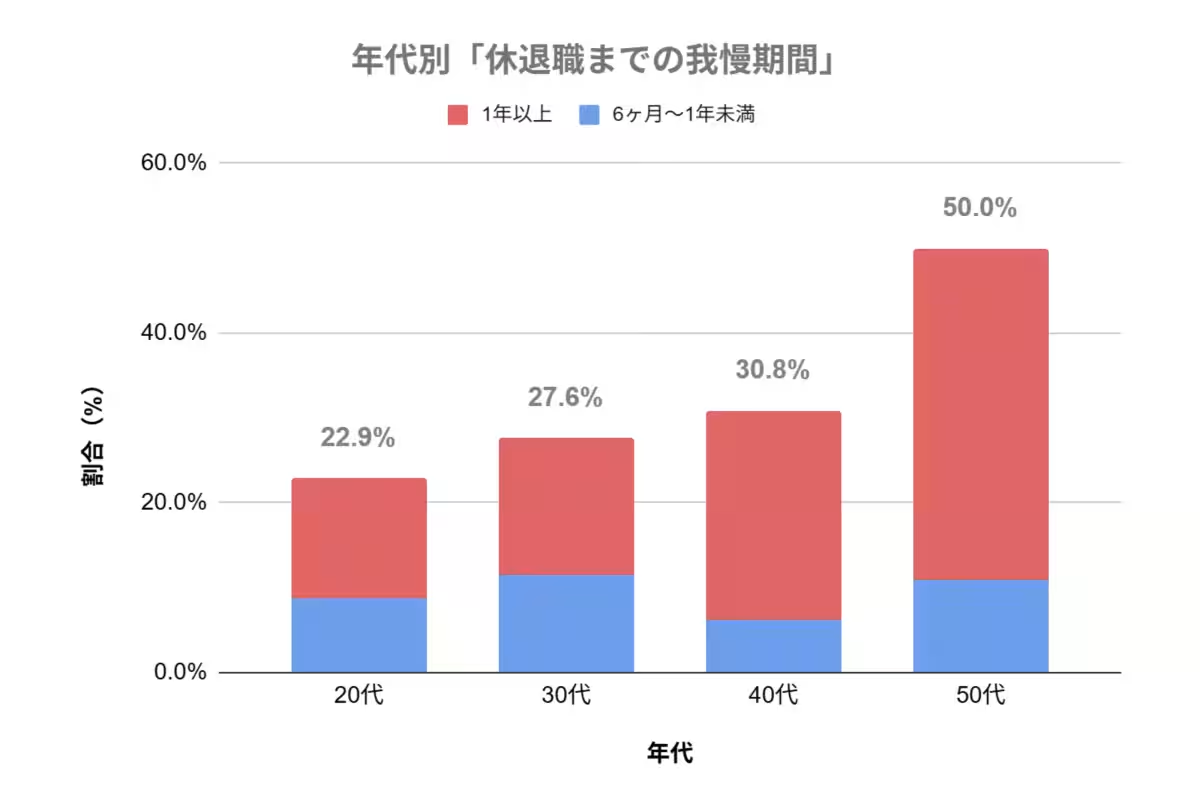
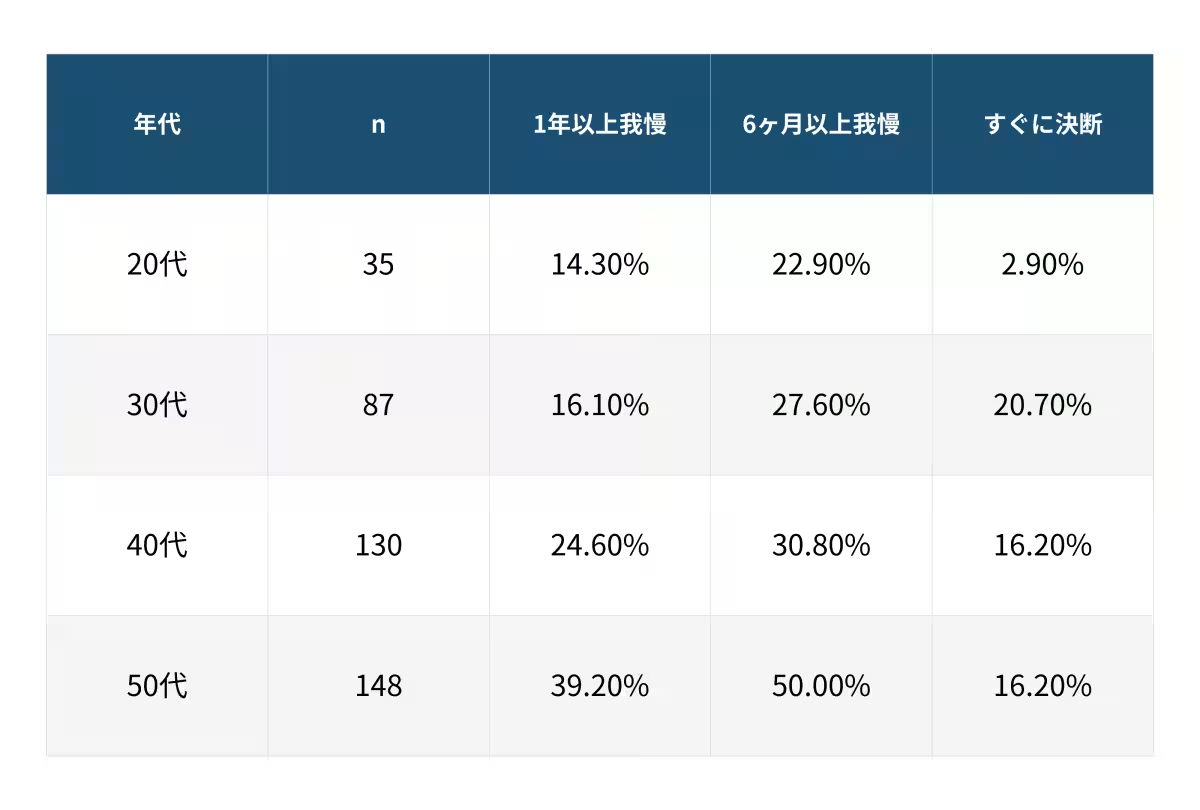
In addressing the prolonged struggles of older employees, the survey found that 39.2% of individuals in their 50s have endured over a year of stress before deciding to leave or take a break from work. This rate stands at approximately 2.7 times higher than that of their 20-something counterparts, only 14.3% of whom reported similar durations of suffering.
Furthermore, an astounding 50.0% of the older cohort indicated they endured at least six months of being overwhelmed before taking any action. This aspect demonstrates a worrying trend in the workforce, implying that older workers often feel trapped in their roles, showcasing a cultural belief that perseverance without seeking assistance is a virtue.
The Weight of Responsibility
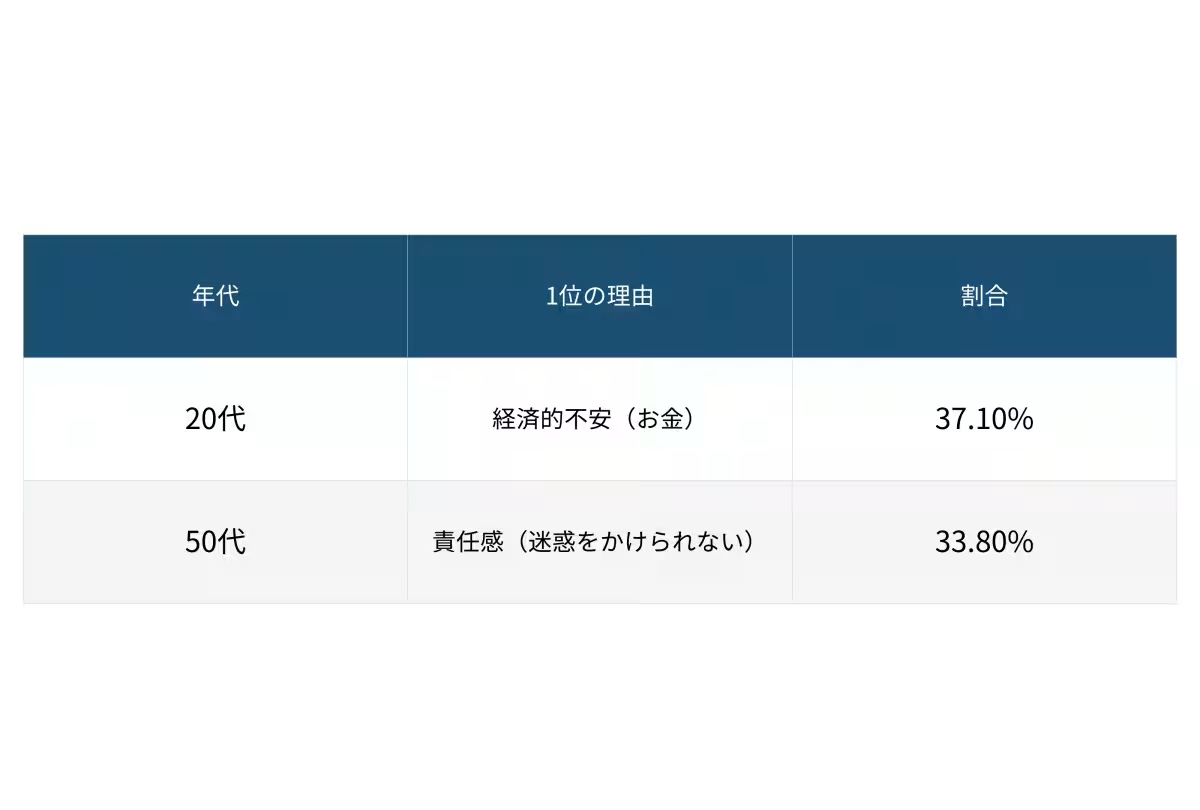
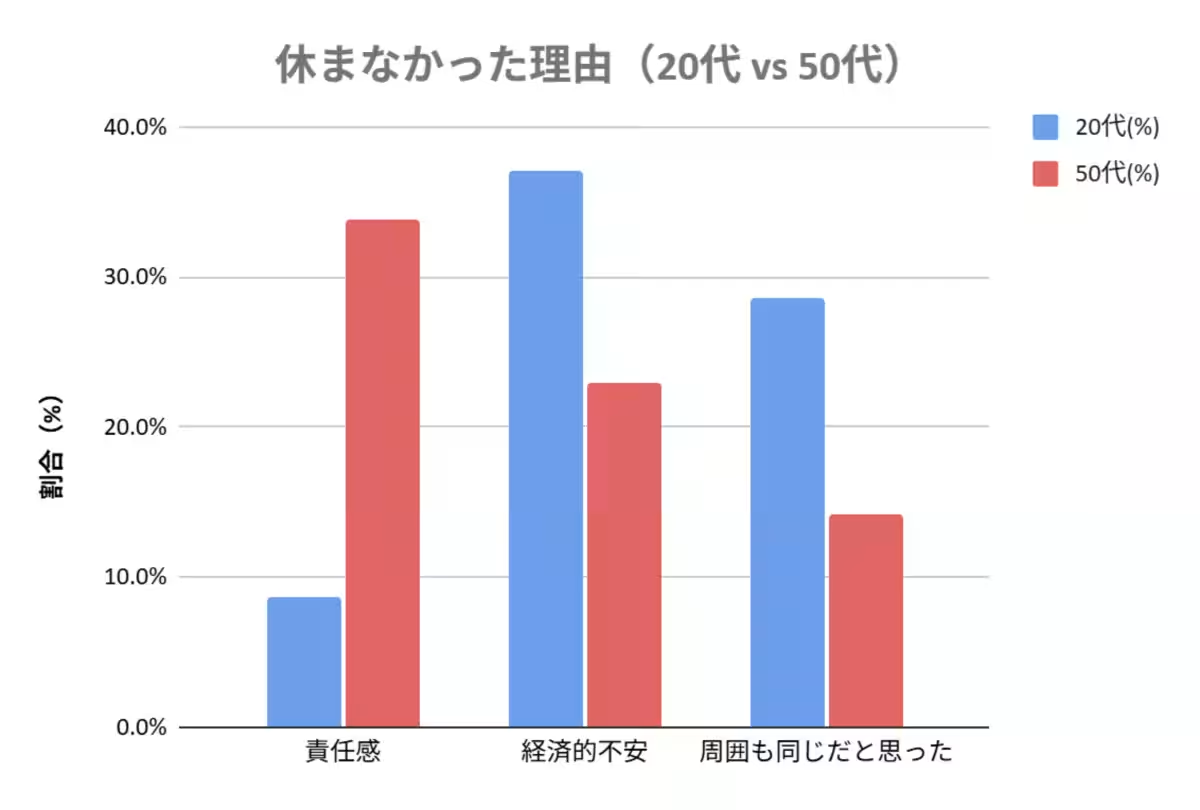
The survey conducted by TEATE also examined the reasons behind employees choosing not to take leave. Interestingly, while economic concerns topped the list for younger workers, the primary factor for older staff was a sense of responsibility toward their colleagues. About 33.8% of the 50s age group cited this as their main reason for not taking time off, compared to only 8.6% in the 20s demographic. This statistic reveals the intense pressure placed on seasoned professionals, who may fear becoming a burden to their teams and consequently bear their struggles in silence.
Identifying the Signs
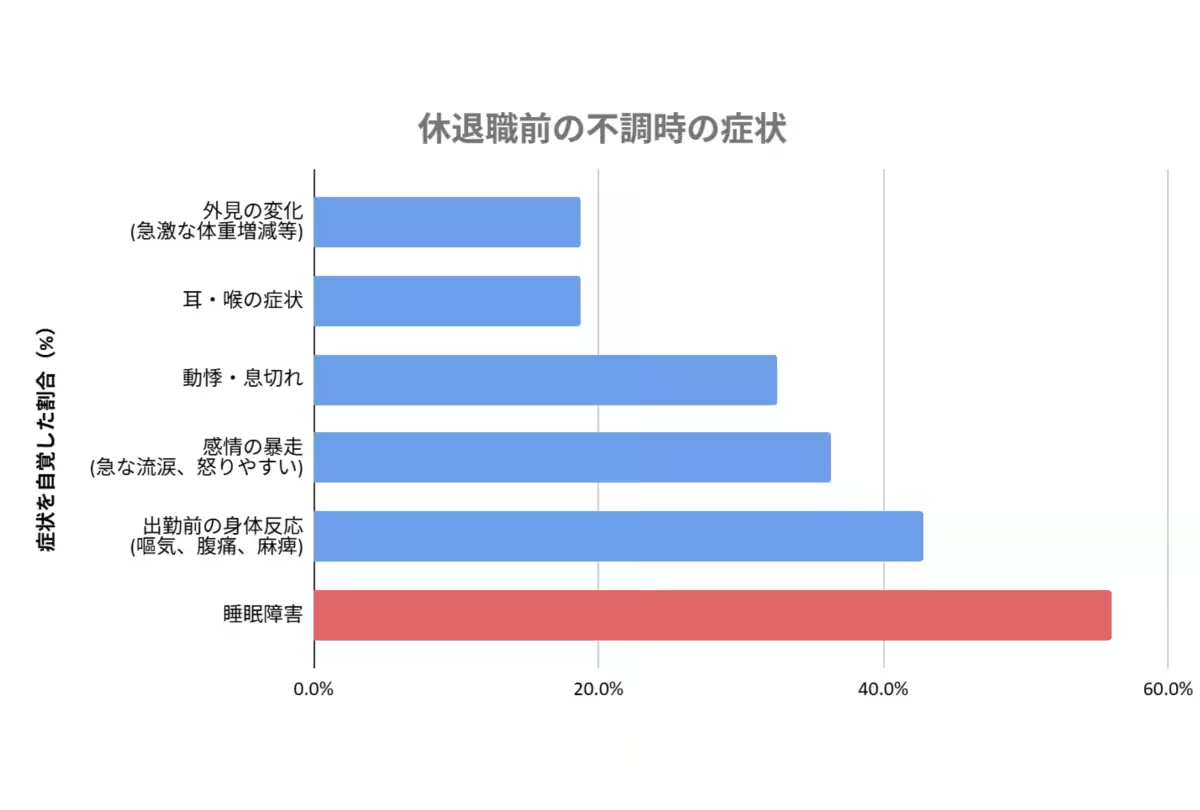
The survey also unveiled various physical and emotional warning signs that individuals experienced while grappling with stress. The top three symptoms included:
1. Sleep Disturbances: 56% of participants reported difficulties with sleep, ranging from insomnia to waking up frequently at night.
2. Physical Reactions Before Work: 42.8% faced nausea, abdominal pain, or lethargy before heading to work.
3. Emotional Outbursts: 36.3% experienced sudden tears or aggressive feelings without apparent reasons.
This data highlights that over half of the respondents recognized these distress signals yet often dismissed them as mere fatigue or anxiety without reaching out for help.
The High Cost of Endurance
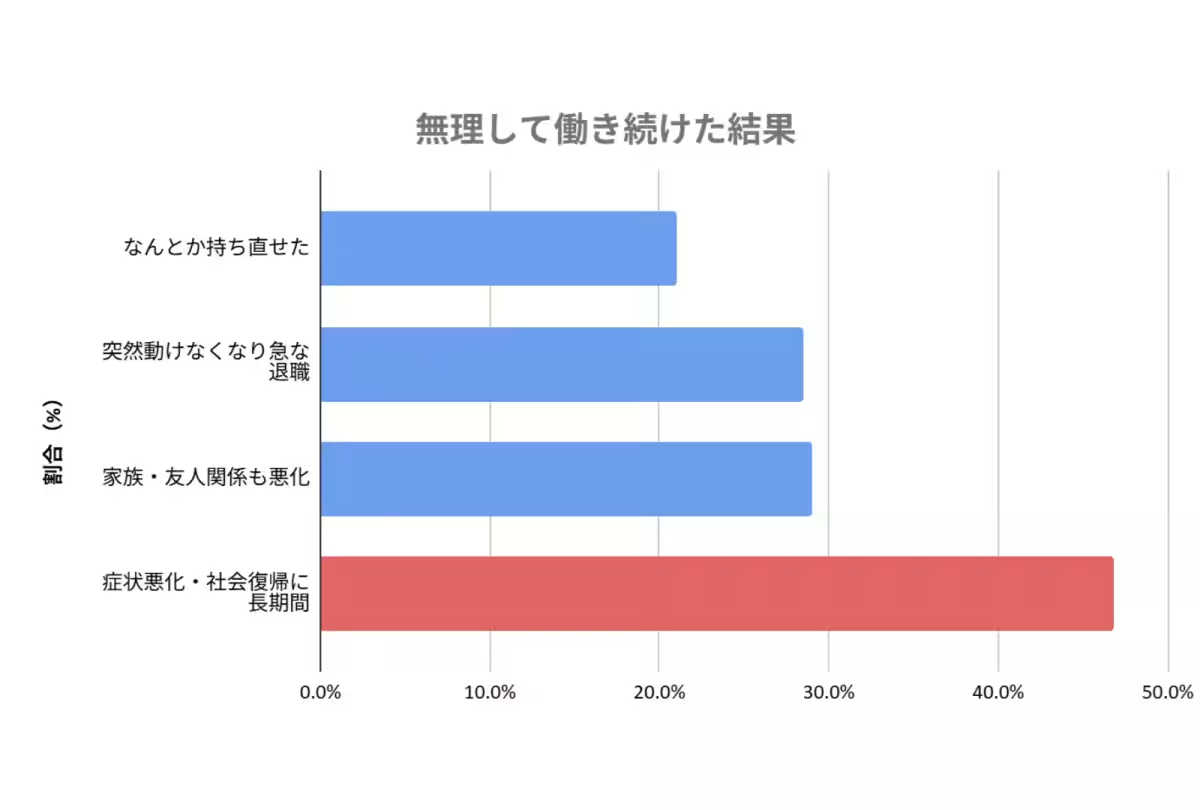
In assessing the consequences of enduring workplace stress without intervention, nearly 79% of survey respondents stated they faced serious repercussions, with only 21.0% managing to cope effectively and continue working. Many reported worsening symptoms that delayed their return to work, harming their social relationships, or taking unplanned leave, thus disrupting their workplace dynamics more than they thought.
Overcoming Barriers to Seeking Help
The survey also explored what keeps individuals from seeking professional help. Over 39% expressed anxiety about articulating their suffering to healthcare providers, 29.3% feared being labeled as weak, and 26.5% found it hard to secure initial appointments. This highlights significant psychological barriers that prevent many from accessing necessary support.
TEATE: A Unique Support Service
TEATE stands out as a uniquely supportive service that does not merely assist with resignation protocols but also emphasizes the importance of addressing mental health. The initiative is designed to prompt individuals to acknowledge when they need rest, empowering them to seek help without guilt. The service also provides extensive support for securing financial compensation during their time off, alleviating the economic apprehensions that usually prevent employees from taking necessary breaks.
Conclusion: A Call for Action
As we approach the new year, the results from the TEATE survey raise pressing concerns regarding workplace mental health and the imperative for timely interventions. Employees are urged to prioritize their well-being over misplaced obligations, and organizations must foster environments that encourage seeking help without stigma. TEATE remains committed to offering support, even throughout the holiday season, promoting healthier work-life balances for all individuals facing mental health challenges in their workplaces.
Topics Health)
【About Using Articles】
You can freely use the title and article content by linking to the page where the article is posted.
※ Images cannot be used.
【About Links】
Links are free to use.