



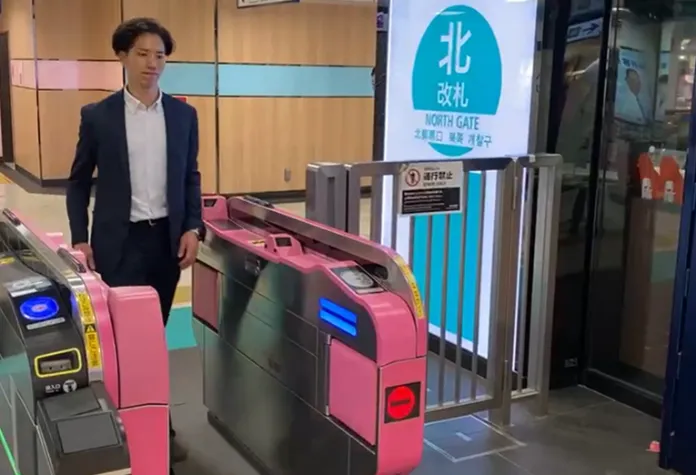
Transforming Japanese Rail Travel: The Innovative Face Recognition Fare Gate System
Introduction
In a groundbreaking advancement for Japanese railway systems, Hitachi Ltd. and Tobu Railway Co. have collaborated with several key players in the tech industry to develop a state-of-the-art face recognition fare gate system. This system leverages the biometric service 'SAKULaLa', allowing for an innovative and streamlined travel experience for commuters.
Collaborative Efforts
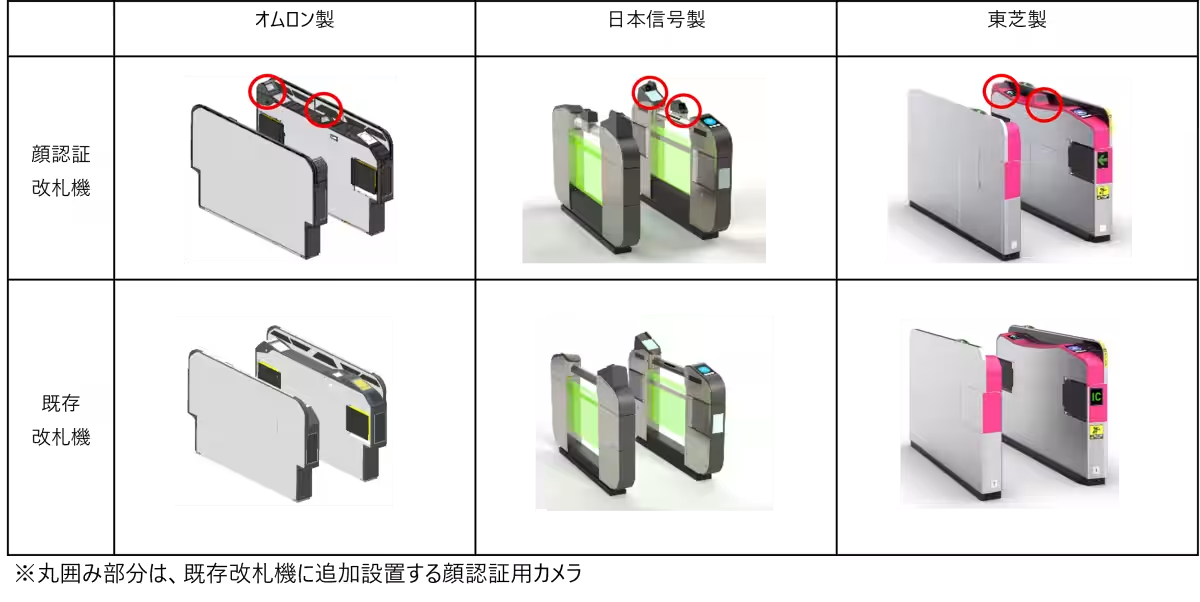
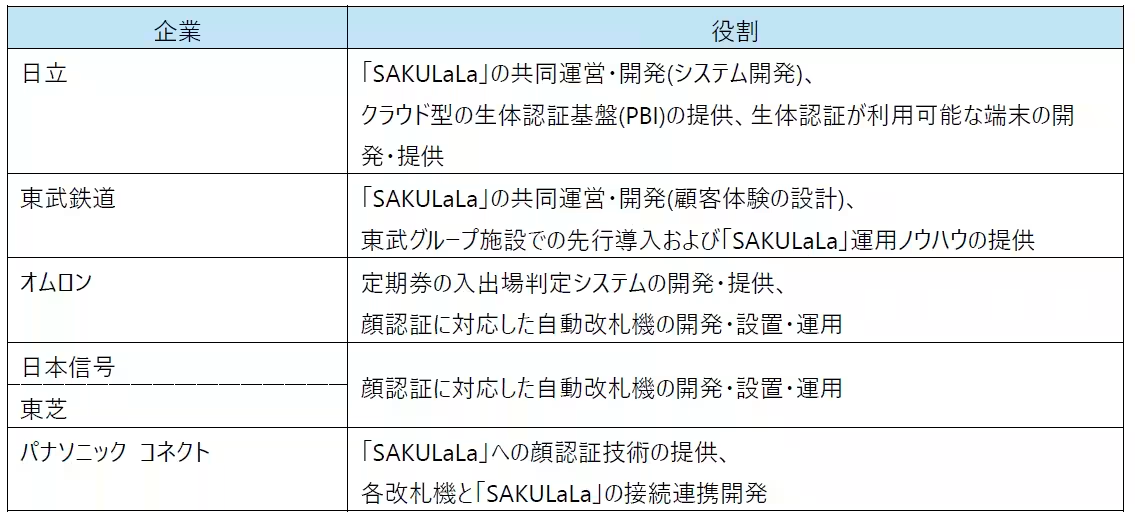
The collaboration includes the support of Omron Social Solutions, Japan Signal, Toshiba, and Panasonic Connect, demonstrating an alliance of expertise in both transportation and biometric technology. This partnership represents a significant move towards modernizing the fare collection process throughout Japan's extensive rail networks.
The Face Recognition Fare Gate System
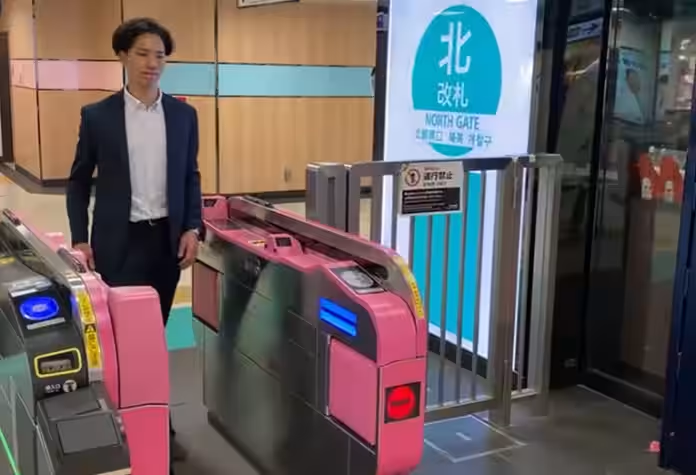
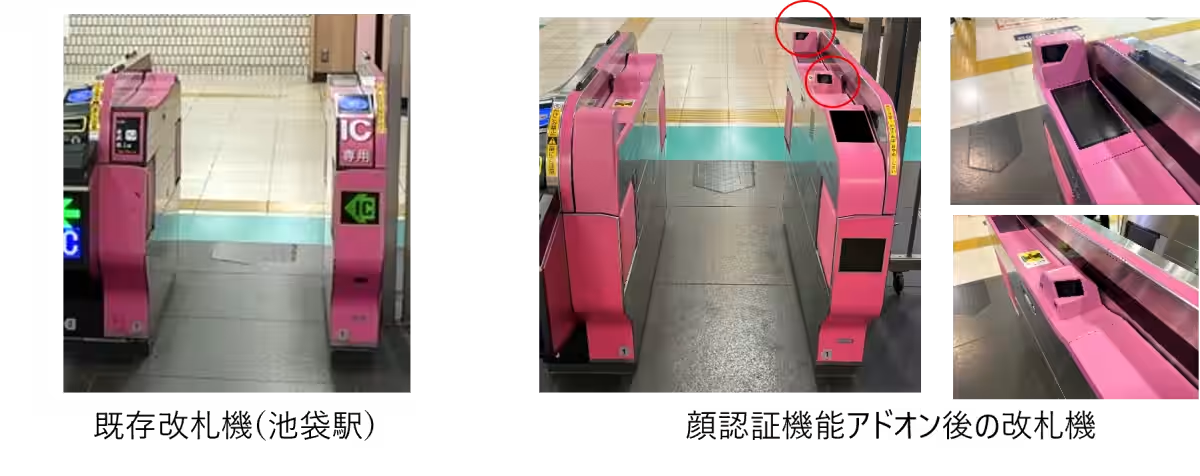
The new system allows railway operators to incorporate face recognition cameras into existing fare gates without needing to replace them completely. By simply linking these cameras to the existing gates and the SAKULaLa network, operators can upgrade their ticketing process affordably and quickly, without the typical downtime associated with such enhancements. With support from Japan's major fare gate manufacturers, the system is poised for widespread adoption across the nation.
Security and Performance
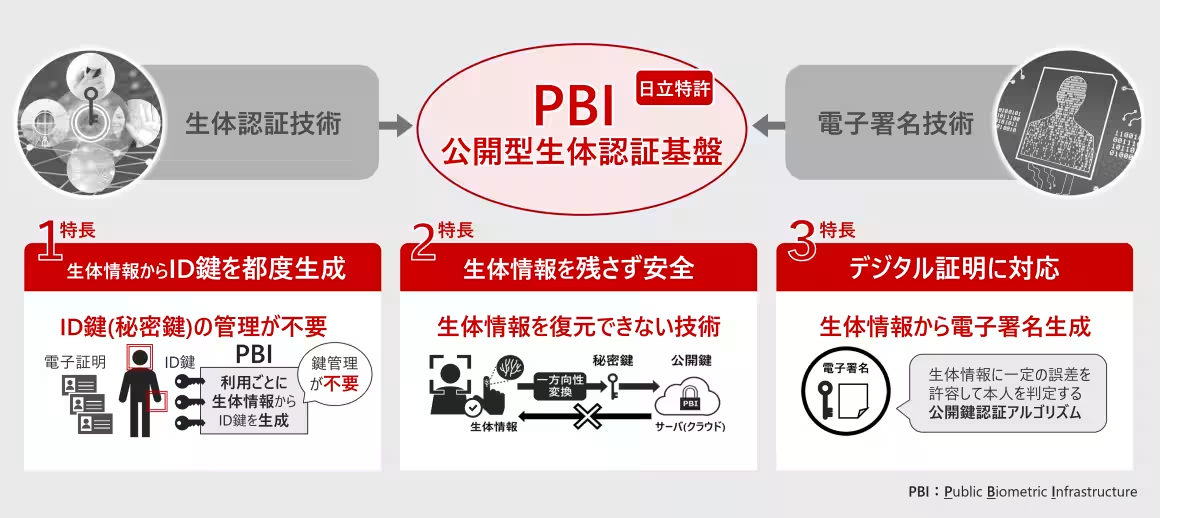
One of the significant advantages of this system is its security framework. Utilizing Hitachi’s Public Biometric Infrastructure (PBI), the biometric data of users is encrypted and rendered unrecoverable. This ensures that while the system can process passenger data swiftly, it also adheres to stringent privacy standards. The system is designed to handle over 420,000 users daily, providing quick and efficient passage while maintaining high security.
Initial Implementation
The first implementation of this system began on July 15, 2023, at Ikebukuro Station, a major transit hub for the Tobu Tojo Line, which serves approximately 420,000 passengers daily. This deployment serves as a pilot project, setting the stage for further implementations across additional stations and railway operators in Japan.
Future Goals
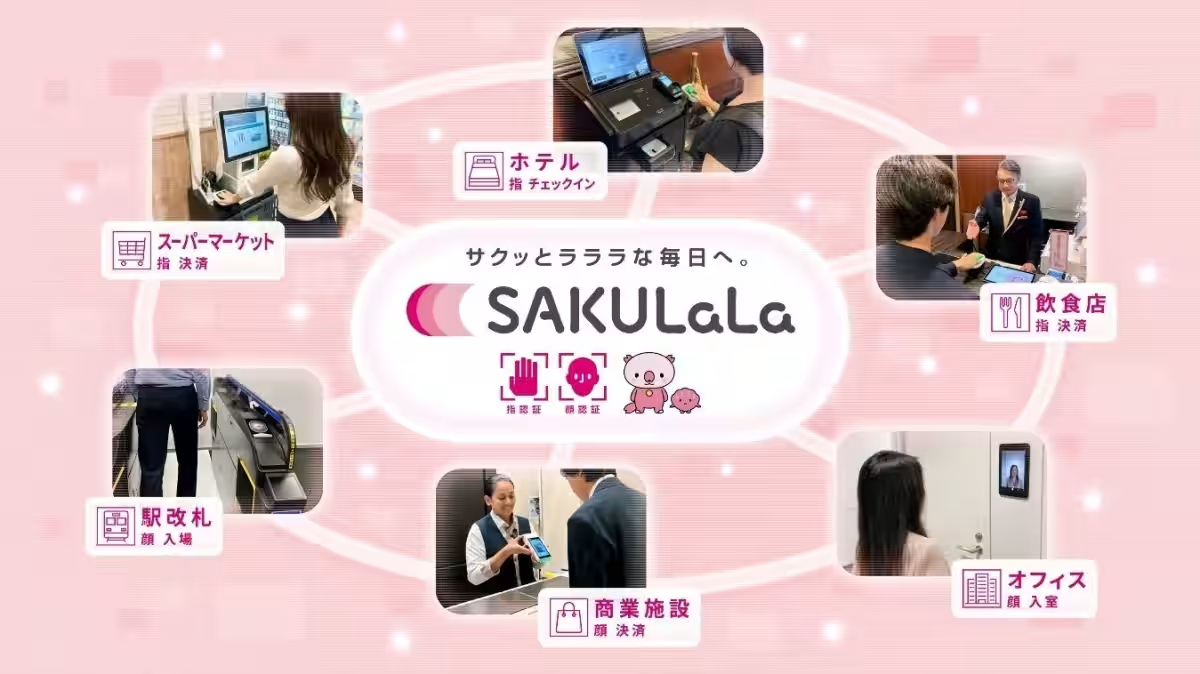
Looking ahead, Hitachi and Tobu Railway aim to expand this technology beyond the railway stations to include various commercial services, such as dining and retail facilities around the stations. By seamlessly integrating fare collection, payment processing, and identity verification under the SAKULaLa service, users will experience a 'hands-free' lifestyle, enhancing convenience in their daily routines.
Enhancing Daily Life
As lifestyle demands evolve, the concept of a train station is shifting from merely a transport point to a vibrant hub for shopping, dining, and other activities. Recognizing this trend, Hitachi and Tobu Railway are committed to using the SAKULaLa service to provide a rich, streamlined living experience for all commuters.
Background of the Initiative
The push for biometric fare systems stems from the growing need for efficient, user-friendly solutions that match modern lifestyles. As consumers increasingly prioritize speed and convenience, adopting technologies such as face recognition becomes essential for railways aiming to stay competitive.
Key Features of the SAKULaLa System
1. Open Ecosystem: The SAKULaLa system enables various railway operators across Japan to implement the face recognition fare system easily, creating an open ecosystem that fosters widespread use.
2. Easy Integration: The innovative design allows existing fare gates to be retrofitted with face recognition capabilities, significantly reducing implementation costs and time.
3. Privacy Protection: SAKULaLa ensures that no personal data or biometric information is collected directly by the railway operators, instead offering a secure platform for dealing with user data. Only registered users will interact with the system, ensuring a hassle-free experience.
4. Robust Security: The partnership between Hitachi and Panasonic Connect enables secure management of facial recognition data while ensuring swift processing times for users.
Notable Launch Dates
- - November 2025: Full implementation at all 12 stations between Tobu Utsunomiya and Tochigi.
- - May 2026: Launch of walk-through face recognition gates at Tobu Utsunomiya Station.
- - July 2026: Expansion to Ikebukuro and Kamitabashi Stations.
- - September 2026: Further implementation at Funabashi and Magomezawa stations.
The Vision for the Future
As technology continues to play a significant role in daily life, the enhancement of public transportation experiences is paramount. The success of the Ikebukuro implementation will serve as a model for future expansions, linking seamless travel with commercial opportunities in city environments. Collaborative efforts with service providers beyond the railway sector will be crucial to achieve the goal of an integrated, biometric-enabled urban experience. By harnessing partnerships and innovative technology, Hitachi and Tobu Railway aspire to reshape how people travel and interact with their surroundings.
This initiative represents not just an upgrade to an existing system, but a significant shift in how the intersection of technology and daily life can facilitate a more seamless, efficient, and enjoyable urban experience.







Topics Other)
【About Using Articles】
You can freely use the title and article content by linking to the page where the article is posted.
※ Images cannot be used.
【About Links】
Links are free to use.