



Collaborative Study Aimed at Realizing a Circular Economy for Plastics in Kyushu Region
In a significant step towards achieving a circular economy for plastics, Honda Trading Co., Ltd., led by President Tatsuya Natsume, has joined forces with several partners, including Mizuho Bank, Mizuho Research & Technologies, and the Ishizaka Group—a consortium focused on waste material recovery. The collaboration also includes key players like CFP Corporation, Taiyo Oil Co., Toyota Tsusho, and Nissan Trading Co., all partaking in a collective research initiative aimed at creating a feasible supply chain for plastic recycling in the Kyushu region. This effort is particularly noteworthy as it seeks to utilize chemical recycling methods, which can convert used plastics back into valuable raw materials for new product manufacturing.
In recent years, the urgency to address the escalating plastic waste crisis and the necessity for resource-circulating societies have intensified. This is particularly evident with regulatory shifts in the European Union, such as amendments to the End-of-Life Vehicles (ELV) directive, mandating a certain percentage of recycled plastic use in new car manufacturing. In response to these global trends, the automotive industry within Japan faces increasing pressure to expand the use of recycled materials and establish robust supply chains for stable sourcing.
Recognizing these challenges, the collaborative initiative harnesses the expertise of eight constituent companies to explore the potential for building a plastic recycling supply chain specifically for the automotive manufacturing needs in Kyushu. This region not only hosts a rich automotive industry presence but is also actively developing semiconductor-related industries.
The scope of the research encompasses several key aspects:
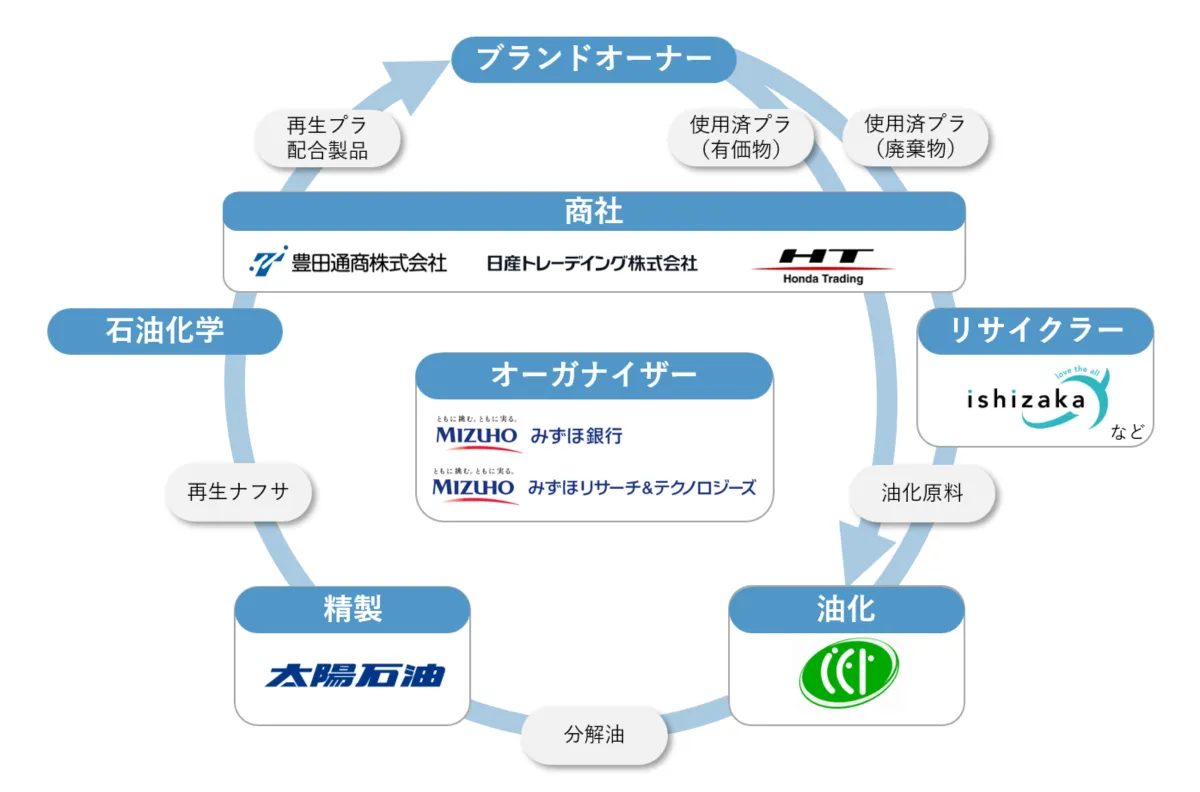
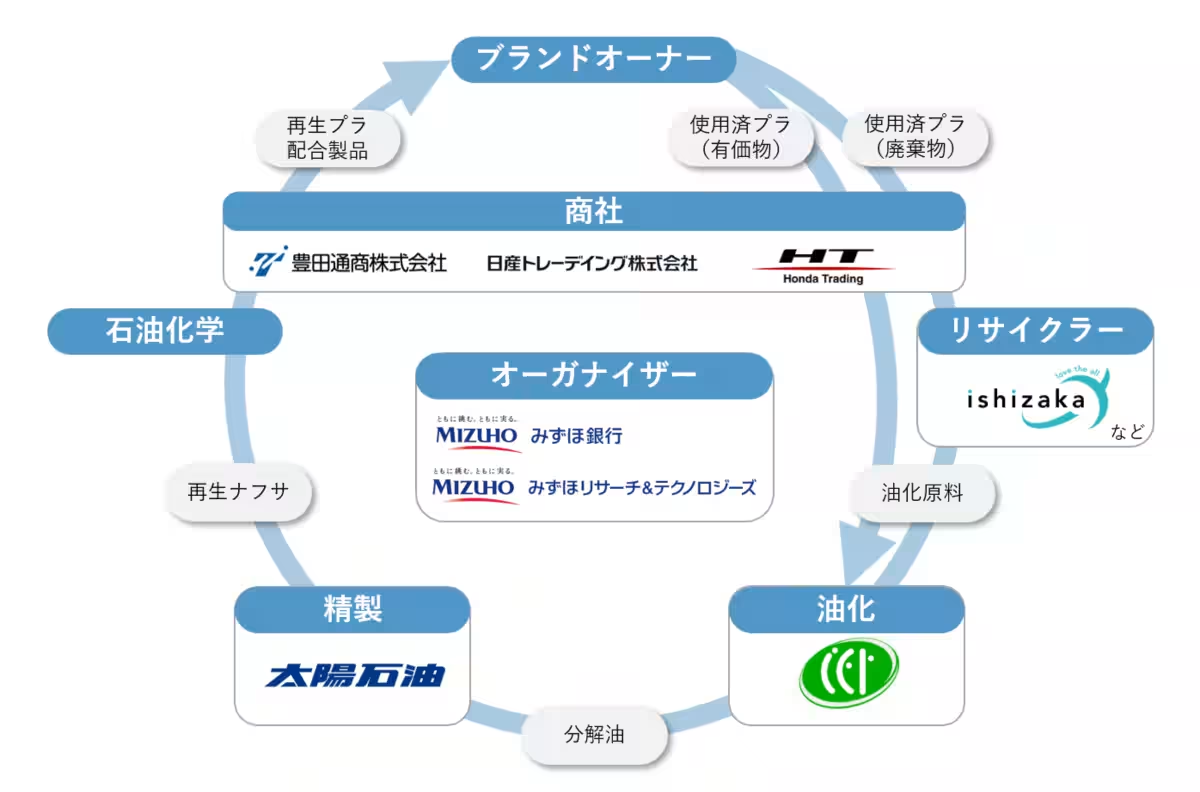
The research also includes conceptual mapping of a potential chemical recycling chain in Kyushu, highlighting the specific roles of each participating company.
Moving forward, several key points have emerged:
Looking ahead, it is vital to identify sectors that should prioritize the supply of recycled plastics and garner support to stimulate demand for domestically produced recycled materials.
As Honda Trading continues to collaborate on this innovative initiative, it remains dedicated to developing a robust supply chain for recycled plastic necessary for automotive manufacturing and beyond, leveraging the capabilities of chemical recycling within the Kyushu region.

Background of the Collaborative Research
In recent years, the urgency to address the escalating plastic waste crisis and the necessity for resource-circulating societies have intensified. This is particularly evident with regulatory shifts in the European Union, such as amendments to the End-of-Life Vehicles (ELV) directive, mandating a certain percentage of recycled plastic use in new car manufacturing. In response to these global trends, the automotive industry within Japan faces increasing pressure to expand the use of recycled materials and establish robust supply chains for stable sourcing.
Recognizing these challenges, the collaborative initiative harnesses the expertise of eight constituent companies to explore the potential for building a plastic recycling supply chain specifically for the automotive manufacturing needs in Kyushu. This region not only hosts a rich automotive industry presence but is also actively developing semiconductor-related industries.
Overview of the Collaborative Research Activities
The scope of the research encompasses several key aspects:
- - Investigation of Used Plastic Recovery Volumes: Assessing the available quantities of used plastic suitable for recycling.
- - Analysis of Recycling Technology: Evaluating the compatibility of various technologies, including those used in oil extraction plants and petroleum refining.
- - Logistics and Equipment Location Analysis: Understanding the geographical and mechanical needs for efficient recycling operations.
- - Cost Analysis of Recycled Materials: Determining the economic feasibility of using recycled plastics in manufacturing.
- - Consumer Acceptance Analysis: Gauging how end-users perceive and accept recycled materials.
- - Strategies to Bridge Price Gaps: Investigating methods to make recycled materials competitive with virgin plastics.
The research also includes conceptual mapping of a potential chemical recycling chain in Kyushu, highlighting the specific roles of each participating company.
Roles of Participating Companies
- - Ishizaka Group: Specializes in waste collection, sorting, and reprocessing, bringing extensive experience in connecting with oil recovery processes.
- - CFP Corporation: An expert in oil conversion technology, tests the process for recycling used plastics into usable products.
- - Taiyo Oil: Leverages its long-standing expertise in oil refining to process decomposed oil derived from used plastics into refined output.
- - Toyota Tsusho, Nissan Trading, and Honda Trading: Utilize their established relationships within the automotive sector to assess the recovery potentials of used plastics in the industry.
- - Mizuho Bank and Mizuho Research & Technologies: Provide strategic oversight and assessment to ensure the initiative aligns with sustainability goals.
Key Insights from Research Execution
Moving forward, several key points have emerged:
- - Ensuring Raw Material Supply: Determining the capacity for material recovery is critical for operational success.
- - Aligning Cost Acceptance: Clearly defining material applications will help in adjusting costs to meet consumer acceptance.
- - Establishing Clear Demand for Recycled Materials: A definitive demand for recycled products will support equipment investment decisions.
Expectations from Policy
Looking ahead, it is vital to identify sectors that should prioritize the supply of recycled plastics and garner support to stimulate demand for domestically produced recycled materials.
As Honda Trading continues to collaborate on this innovative initiative, it remains dedicated to developing a robust supply chain for recycled plastic necessary for automotive manufacturing and beyond, leveraging the capabilities of chemical recycling within the Kyushu region.
Topics Environment)



【About Using Articles】
You can freely use the title and article content by linking to the page where the article is posted.
※ Images cannot be used.
【About Links】
Links are free to use.