



The Evolving Relationship Between AI and Japanese Workers: A Focus on Future Perspectives
The Evolving Relationship Between AI and Japanese Workers
As technology continues to reshape our workplaces, understanding workers' perspectives on artificial intelligence (AI) becomes crucial. A recent survey by ManpowerGroup, conducted among 13,918 individuals across 19 countries—including 522 respondents from Japan—reveals key insights into the evolving relationship between Japanese workers and AI in the workplace. The survey, part of the Global Talent Barometer initiative, seeks to delve into what employees prioritize and what they believe will be essential in their future work environments.
Understanding the Global Talent Barometer
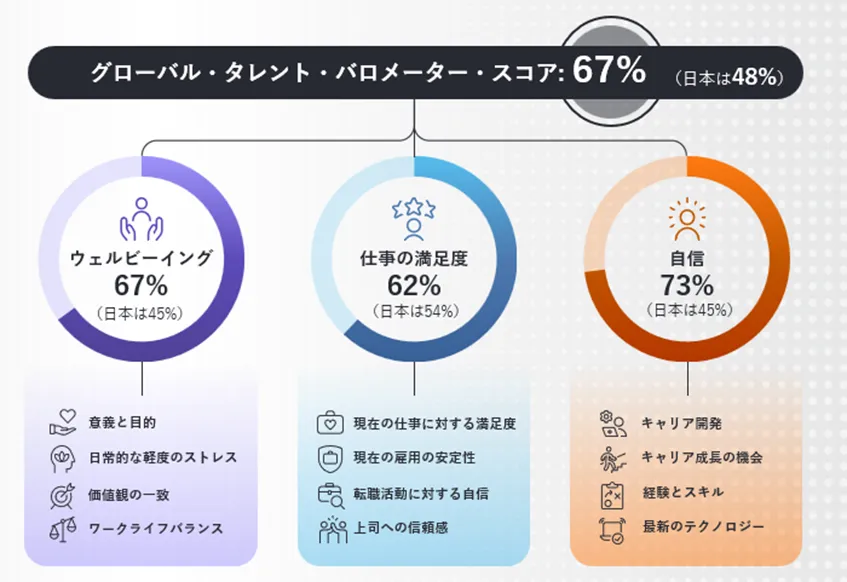
The Global Talent Barometer measures employee wellbeing, job satisfaction, and confidence related to their work environments through various indicators. The survey investigates three core themes:
Theme 1: Wellbeing
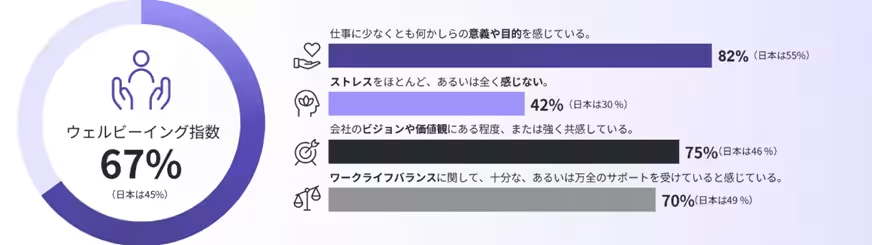
- - Measures include: Personal purpose, daily stress levels, alignment with company values, and work-life balance.
Theme 2: Job Satisfaction
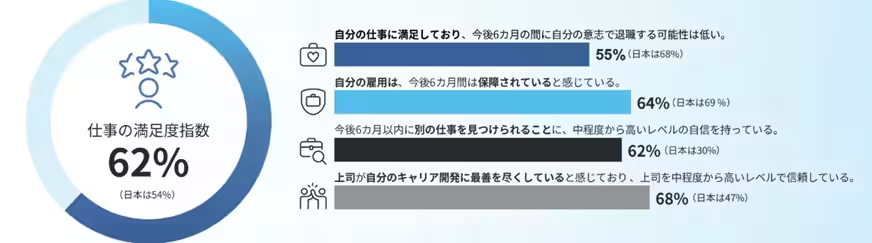
- - Measures include: Satisfaction with current roles, stability of employment, confidence in job searching, and trust in supervisors.
Theme 3: Confidence
- - Measures include: Opportunities for career development, growth potential, applicable skills, and familiarity with latest technologies.
From the findings, we see that the global average for the wellbeing index stands at 67%, while Japan lags at 45%. Interestingly, this figure has risen by 2% since the last survey, indicating a gradual improvement in workers feeling less stress, resonating with their company’s goals, and receiving adequate support for work-life balance.
Job Satisfaction Trends
The job satisfaction index for global workers is at 62%, while Japanese workers display a slightly lower score of 54%, reflecting an increase of 2%. Respondents indicated a decline in the likelihood of voluntary resignation in the next six months and expressed greater confidence in securing new employment opportunities. Furthermore, trust in supervisors regarding career development efforts has shown marginal improvement.
Confidence Levels
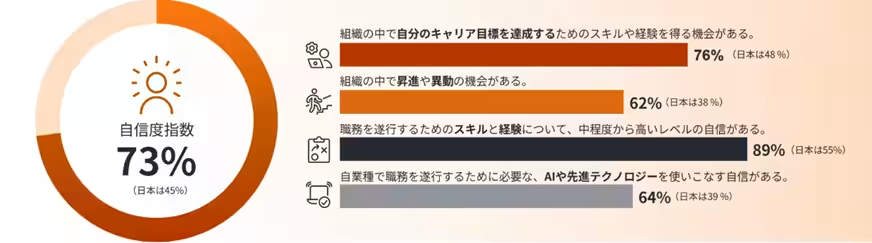
Confidence among global workers is reported at 73%, but Japanese participants recorded only 45%, a slight decline from previous rates. Positive responses showed increased opportunities for skill development and promotion; however, some workers expressed less confidence in their existing skills and ability to navigate advanced technologies like AI, with declines noted in self-assurance regarding both skill sets.
Insights from Leadership
Becky Frankiewicz, President and Chief Strategy Officer of ManpowerGroup, emphasizes that due to the rise of AI, leaders must simultaneously manage present business operations while preparing employees for a future fundamentally altered by technology. This dual-focus approach involves fostering both current performance and supporting skill development for the AI-centric future, indicating that effective leadership balances immediate business needs with long-term investment in employee growth.
As Frankiewicz states, "Leading effectively means recognizing the importance of creating an environment where everyone can innovate without compromising operational execution. Our commitment to investing in both people and technologies is crucial as we progress."
Conclusion: The Path Ahead for Japanese Workers
In summary, the ManpowerGroup's latest survey highlights important trends in the interaction between Japanese workers and AI in the workplace. Though there's a noticeable improvement in wellbeing and job satisfaction metrics, the declining confidence in utilizing cutting-edge technology presents an area of concern. It calls not only for organizational adjustments but also for broader discussions on how technology is integrated into work processes.
Organizations are encouraged to create educational opportunities and foster environments that allow workers to thrive alongside AI innovations, ensuring that the human element remains a cornerstone of future workplace strategies.
For more detailed information about the Global Talent Barometer, visit ManpowerGroup.
Survey Overview
- - Period: September 1 - October 1, 2025
- - Conducted by: In-house research
- - Participants: Workers across 19 countries
- - Responses: 13,918 individuals (522 from Japan)
- - Method: Online questionnaire
About ManpowerGroup: Established for 75 years, ManpowerGroup has supported organizations worldwide in pivoting through changes in the workforce landscape. Recognized for its commitment to diversity and inclusion, it has been celebrated multiple times as one of the most ethical companies in the world. Learn more at ManpowerGroup.
Topics Business Technology)
【About Using Articles】
You can freely use the title and article content by linking to the page where the article is posted.
※ Images cannot be used.
【About Links】
Links are free to use.