



Exploring the Adoption and Challenges of AI Inquiry Response Systems in Companies
Understanding the Trends in AI Inquiry Response Systems
In the ever-evolving world of customer support and digital transformation, AI inquiry response systems have become a cornerstone for many businesses. Foonz Corporation, based in Yokohama, Japan, conducted a survey among employees from companies with over 100 employees to explore the adoption rate and challenges of these AI systems in support roles. The findings shed light on both the achievements and obstacles that companies face post-implementation.
High Adoption Rates but Significant Challenges
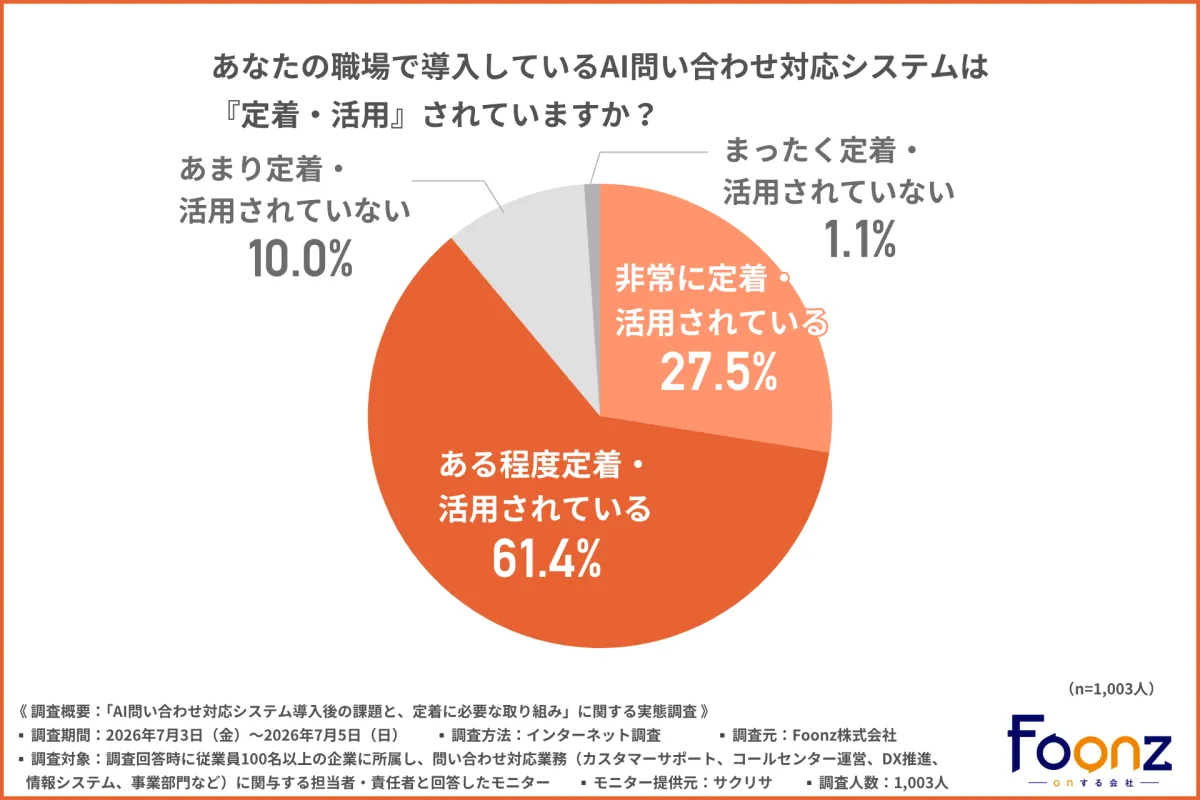
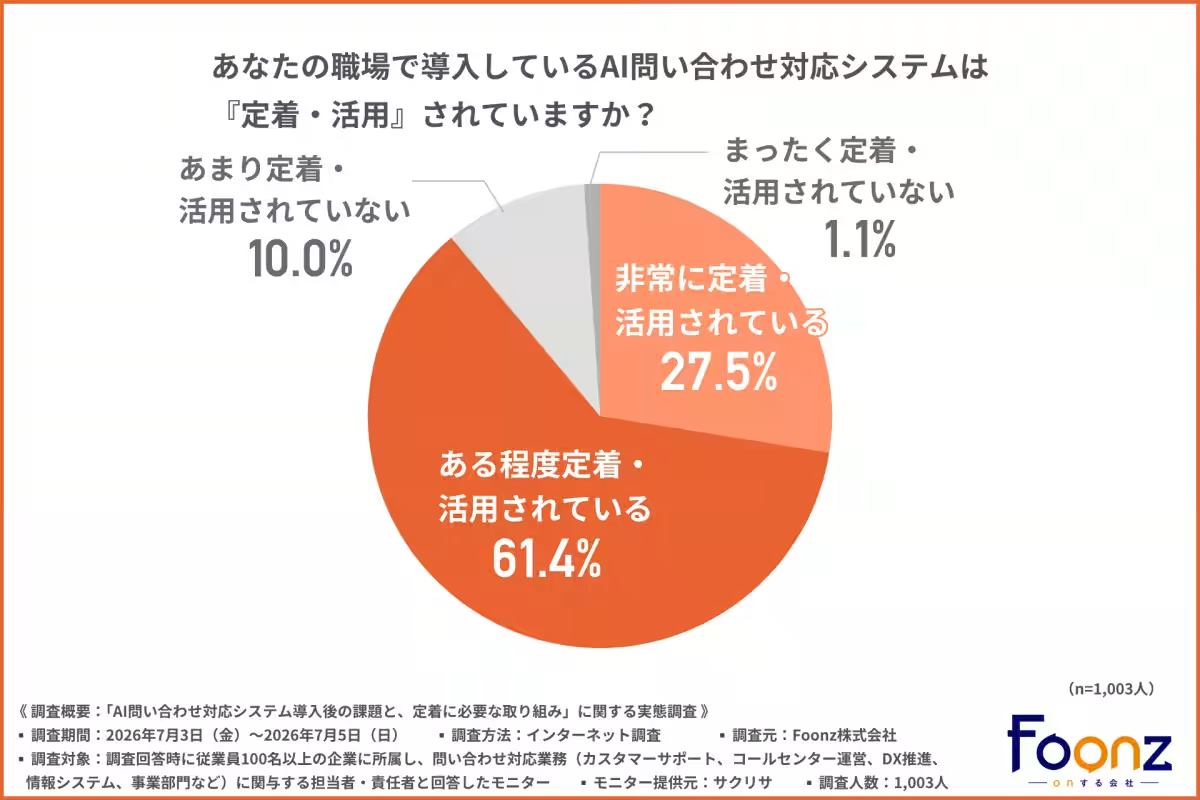
The survey's initial question asked participants if their workplace's AI inquiry response system has been successfully integrated into daily operations. Impressively, around 90% of respondents indicated that their systems were either "fully adopted and utilized" (27.5%) or "partially adopted" (61.4%). This data suggests a broad acceptance and integration of AI systems into workplace routines across various sectors.
Nonetheless, approximately 10% of respondents reported that their systems have not been fully integrated, highlighting that merely implementing an AI system does not guarantee effective use. The key to successful adoption lies not only in the technology itself but also in the underlying preparations and frameworks put in place before deployment.
Cost-Effectiveness and Operational Efficiency: Key Drivers for AI Implementation
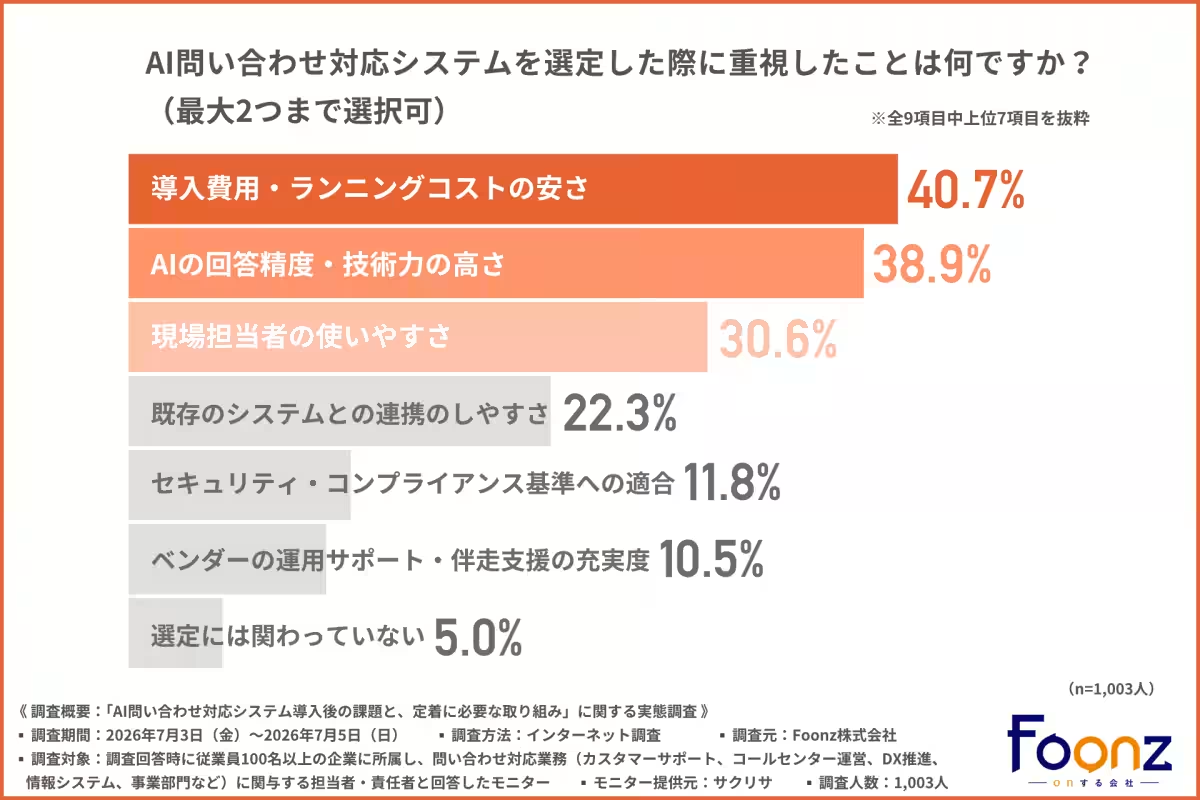
As we delve deeper into the motivations behind adopting AI inquiry response systems, the survey revealed that over 40% of respondents prioritized "low implementation and operational costs" when selecting their systems. This was closely followed by the importance of the system's "answer precision and technological capabilities" (38.9%) and the "usability for on-site staff" (30.6%).
The results emphasize that both cost performance and response accuracy are critical factors driving companies towards AI adoption. Furthermore, the usability of the system for operational staff plays a significant role in selection decisions. This approach ensures that businesses not only seek cutting-edge technology but also prioritize practical application on the ground.
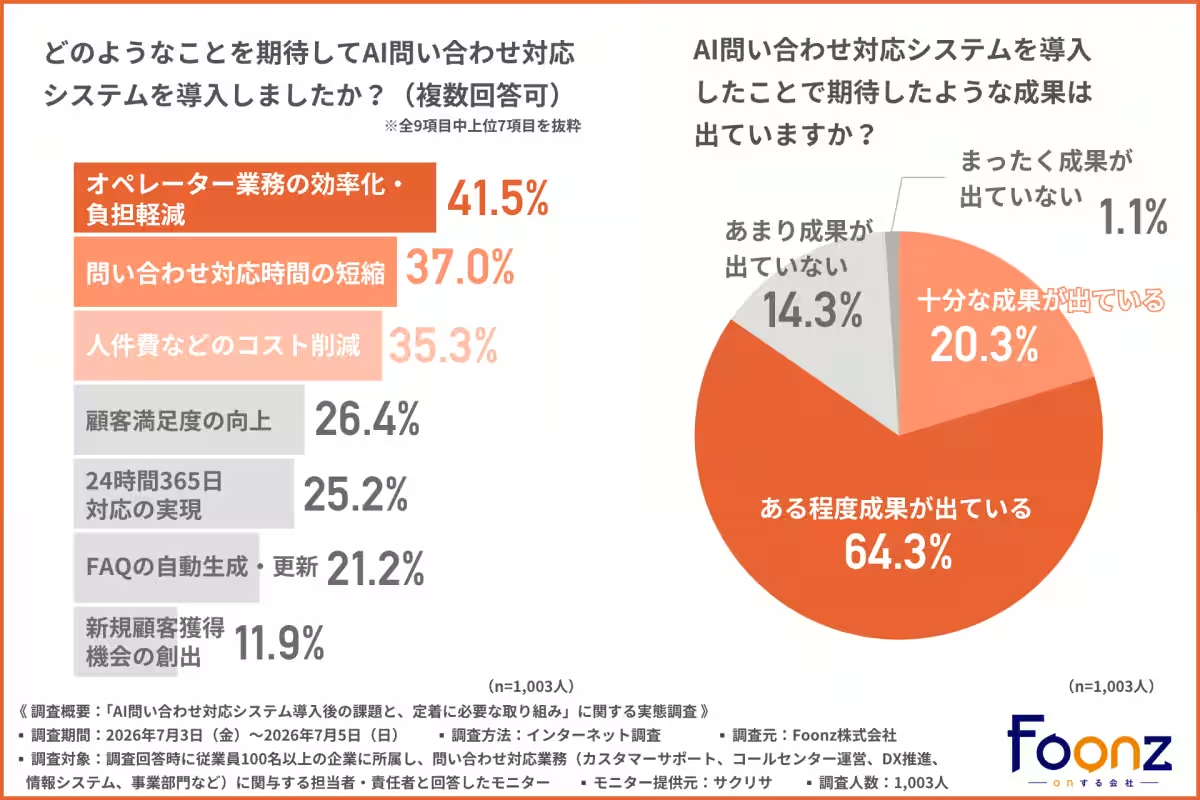
Respondents were further asked about their expectations from these systems prior to implementation. The most common responses focused on the efficiency of operator tasks and reducing employee burden (41.5%), quicker response times (37.0%), and overall cost reduction, particularly in labor (35.3%). The findings indicate that large sections of companies implement AI primarily to resolve internal challenges and boost operational efficiency.
Achievements Post-Implementation
When assessing the effectiveness of the adopted systems, the majority of respondents (over 80%) affirmed that they have seen satisfactory results from their AI inquiry response systems. Many noted substantial improvements in operational efficiency and reduced response times, validating the strategic rationale behind their initial investments.
Preparation is Key: The Importance of Establishing Rules and Training
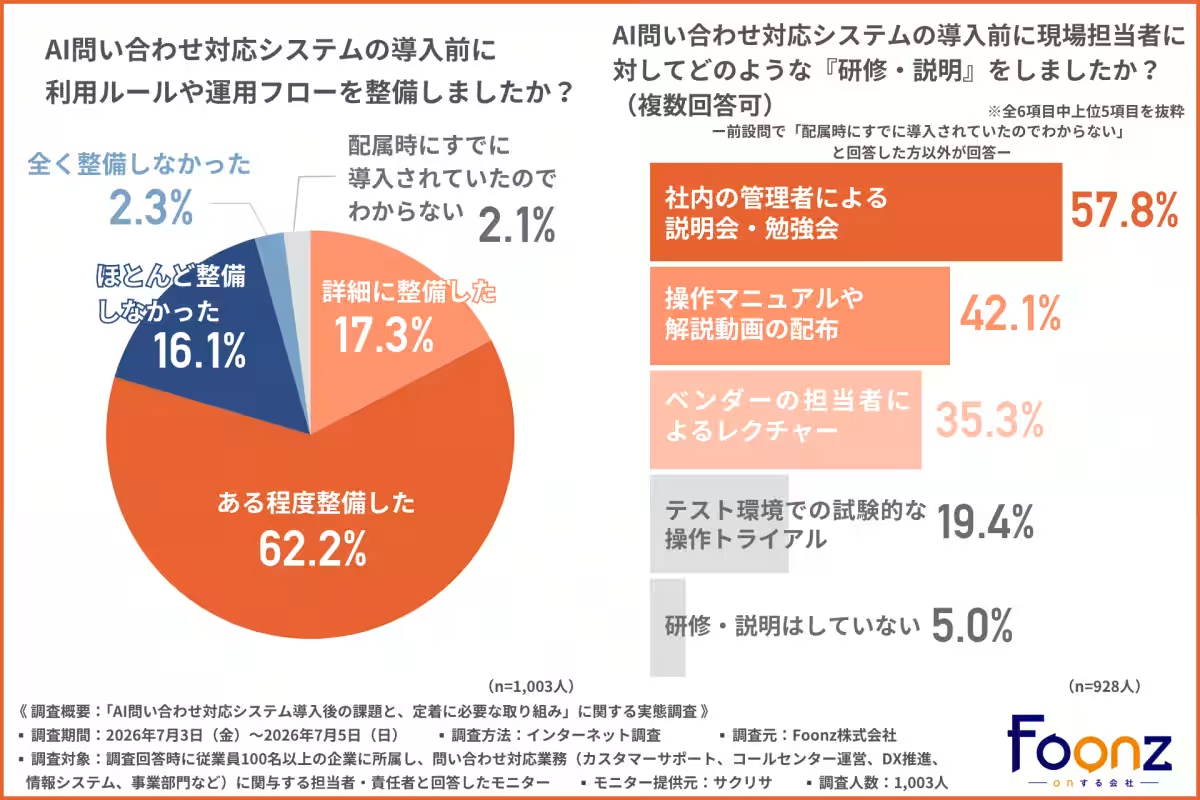
One of the pivotal moments in the implementation journey is the establishment of utilization rules and operational flows before introducing AI inquiry systems. According to the survey, while most companies did undertake some preparatory measures—with 17.3% establishing detailed guidelines and 62.2% implementing some level of structured policies—a notable number of respondents (approximately 18%) did not have adequate preparations in place.
In terms of training, nearly 58% of employees reported receiving explanations and training from internal management, while 42.1% were provided with manuals and instructional videos for self-study. This indicates a proactive approach in helping staff adapt to the new systems, making it plausible that the presence of training and support significantly enhances the integration of AI systems into everyday operations.
Post-Implementation Obstacles
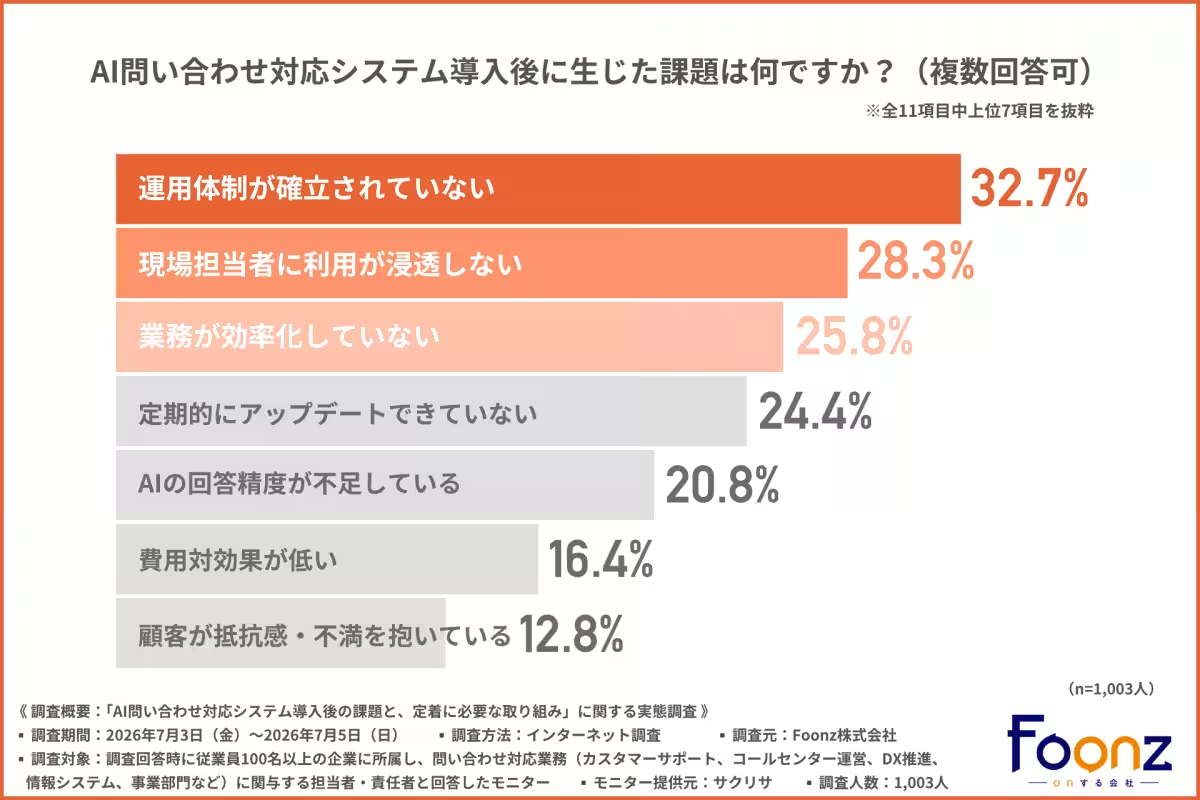
Despite the high integration rates and recognized benefits, companies are not without their challenges following AI implementation. The survey revealed that the primary issue reported (32.7%) was the lack of a clearly established operational framework. Other significant hurdles included the insufficient penetration of the system among front-line employees and the failure to achieve anticipated efficiency gains in workflows.
This highlights the crucial role that structured systems and well-defined processes play in ensuring that AI solutions genuinely ease the ongoing workload rather than merely serving as technical novelties. In tackling such challenges, Foonz aims to offer assistance not only through robust AI solutions but also by providing ongoing support and enhancement strategies that facilitate smooth operational integration.
Essential Factors for Success
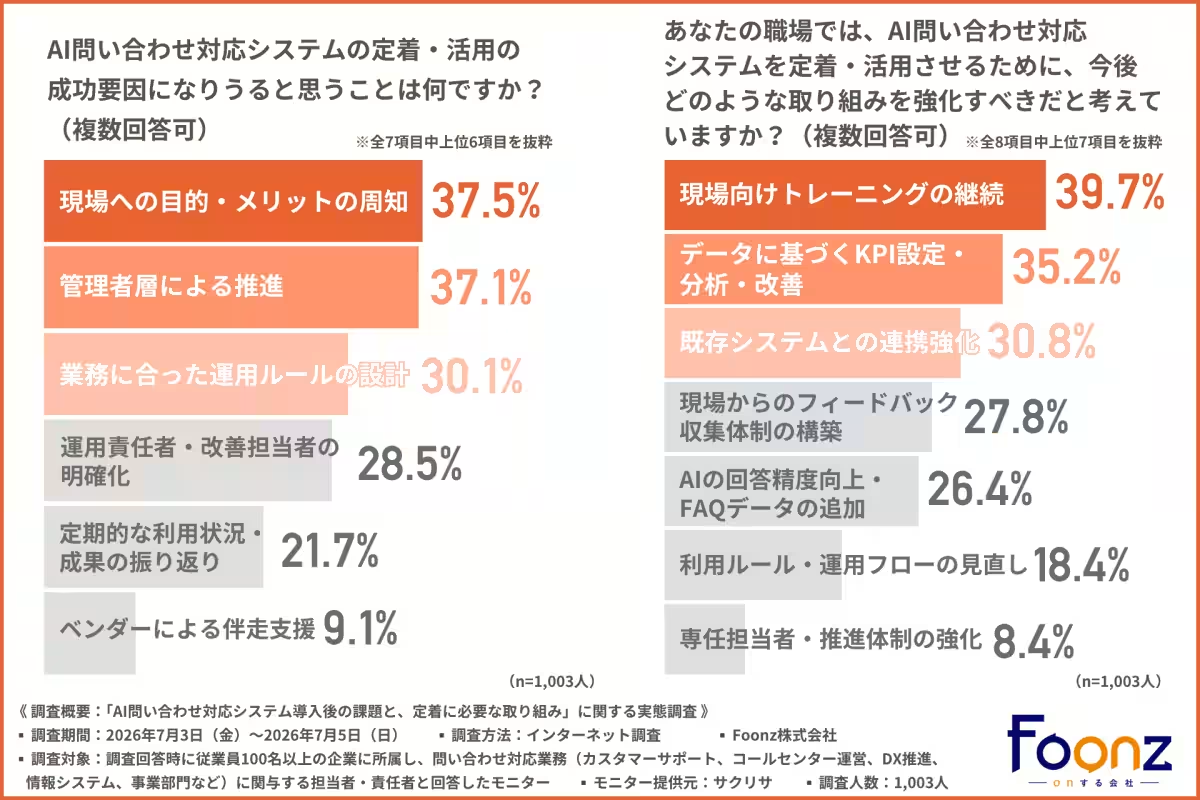
Respondents were also asked what they believe could serve as successful factors in solidifying the presence of AI inquiry response systems within their organizations. The leading answer was the dissemination of purpose and benefits to the staff (37.5%), followed closely by proactive involvement from management (37.1%) and the development of appropriate utilization guidelines (30.1%). These insights reveal that adoption success hinges significantly on robust communication and structured governance.
Moreover, respondents highlighted the need for continuous training as the most critical future initiative to enhance system usage. They also noted the importance of data-driven KPI settings and improvements to evaluate the effectiveness of the systems in practice, suggesting an ongoing commitment to refining operations in alignment with technology goals.
The Takeaway
The focus of this survey underscores that while AI inquiry response systems can dramatically enhance operational capabilities and efficiency, their success is not solely dependent on advanced technology. The groundwork laid before implementation—involving process standardization, data structuring, and clear operational roles—profoundly influences the effectiveness of AI adoption. As companies continue to integrate these systems, developing a comprehensive approach that supports both technological and human elements will be essential in achieving prolonged success.





Topics Consumer Products & Retail)



【About Using Articles】
You can freely use the title and article content by linking to the page where the article is posted.
※ Images cannot be used.
【About Links】
Links are free to use.