


tocotoco and KAERU Join Forces to Pioneer Cashless Management in Group Homes for Individuals with Disabilities
Partnership Overview
tocotoco, a prominent franchise specializing in group homes for individuals with disabilities, recently announced a partnership with KAERU, a company offering innovative cashless financial services tailored for the care sector. This collaboration aims to modernize the way monetary transactions are managed in group homes across Japan, promoting a more secure and efficient cashless system for both residents and caregivers.
Context and Rationale
In the daily operations within group homes, managing cash transactions for residents can be cumbersome and fraught with risks, including misplacement or mishandling of funds. Residents often need cash for essentials like daily necessities, outings, and medical expenses, making effective financial management a critical responsibility for caregivers. However, with the increasing trend towards cashless transactions in society, there is a pressing need to transition to safer and more contemporary financial management systems that align with this shift.
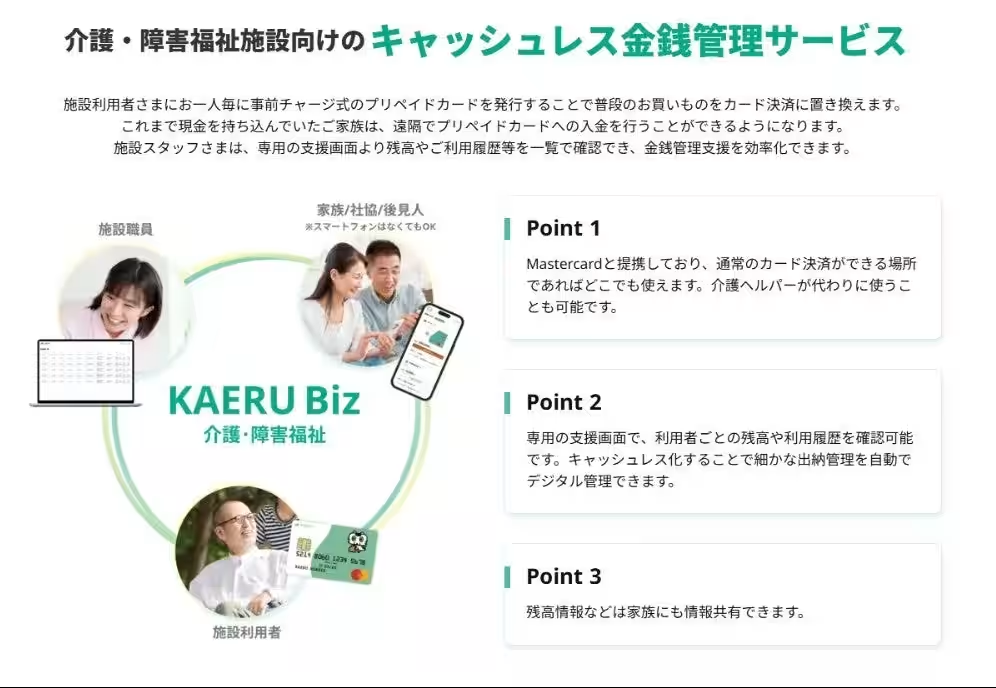
The moving away from cash-handling practices can not only create a safe environment for residents but also streamline operations for caregivers. By using KAERU's cashless payment solutions, the burden of managing cash—ranging from transaction recording to safe storage—can be significantly reduced. This fosters more time and resources for caregiving support, thus improving the overall quality of service.
Goals of the Collaboration
The primary objective of the partnership is to implement KAERU’s cashless financial management services throughout tocotoco's group homes. This includes:
- - Introducing cashless systems in newly established homes.
- - Facilitating the use of these solutions in existing facilities.
- - Reducing cash management duties for caregivers while enhancing transparency through detailed transaction histories.
- - Allowing families to monitor balances and transaction activities remotely.
Both companies are committed to developing a model where cashless management becomes standard practice across tocotoco’s network of homes.
Anticipated Outcomes
The deployment of cashless financial management services is expected to yield several benefits, including:
- - Increased autonomy for residents in managing their funds while ensuring they can make purchases freely and responsibly.
- - Transparency for both families and caregivers, fostering trust in the financial management process.
- - Reduction in administrative burdens associated with cash management, thereby allowing more time for personal care and support activities.
- - Decreased risks of loss and errors associated with cash-handling within facilities.
- - Overall enhancement in service quality as resources are redirected towards more impactful resident interactions.
According to tocotoco's CEO, Yuki Yamamoto, the goal is not merely about implementing cashless solutions; it’s about fostering independence amongst residents and alleviating the operational stress on caregivers, allowing them to focus on the core mission of providing support and care.
About tocotoco
Founded in 2016, tocotoco has been a leader in promoting welfare and healthcare services across Japan, developing a multifaceted welfare network under the brand tocotoco. Their vision, encapsulated in the motto “walking with you,” emphasizes their commitment to enhancing the lives of individuals with disabilities. In addition to group homes, tocotoco offers various services including mental health nursing and employment support, creating inclusive environments for all their residents.
About KAERU
Established in 2020, KAERU focuses on providing accessible financial services aimed at empowering individuals, including seniors and those with disabilities. With a strong belief in promoting financial independence, KAERU’s solutions are designed to eliminate common barriers faced by users in managing their funds effectively while enjoying the freedom to shop and engage in their communities.
As both companies embark on this progressive collaboration, they pave the way for a new standard in welfare services that prioritizes safety, transparency, and compassion in the management of funds for individuals with disabilities.
Topics Other)

【About Using Articles】
You can freely use the title and article content by linking to the page where the article is posted.
※ Images cannot be used.
【About Links】
Links are free to use.