




Manulife Life's Survey Reveals Japanese Attitudes Toward Longevity and Quality of Life
Introduction
Manulife Life Insurance, led by President and CEO Ryan Sherrard, recently conducted the "Asia Care Survey 2025," encompassing over 9,000 respondents across nine Asian countries and regions. This initiative aims to understand the realities of health, economics, and psychological aspects of individuals living in an era where longevity is becoming the norm. The findings specifically highlight the sentiments of Japanese respondents regarding aging, quality of life, and financial stability.
Key Insights from the Survey
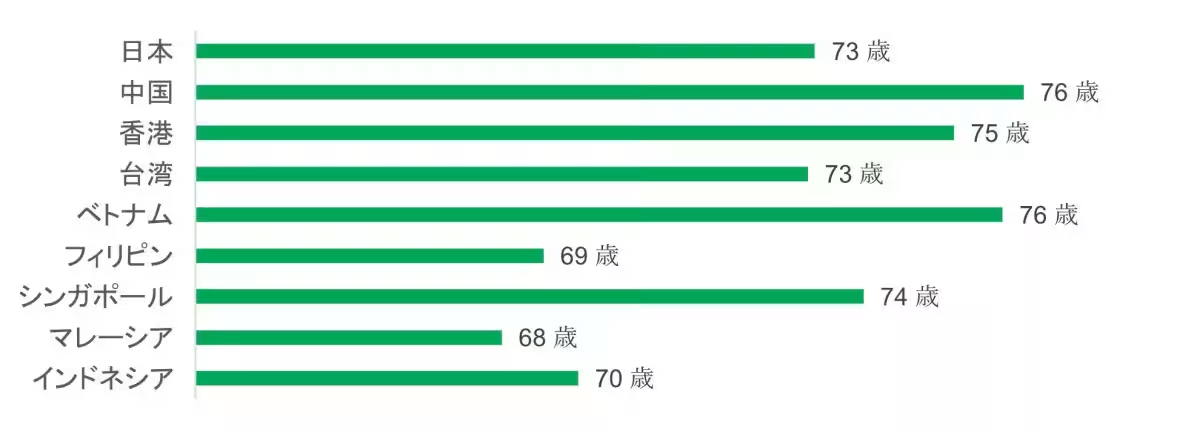
The survey sheds light on several important trends among Japanese individuals. Despite Japan boasting one of the highest average life expectancies globally, respondents indicated an average "desired lifespan" of 73 years, which is notably six years shorter than their expected lifespan of 79 years. This presents a striking contrast, reflecting a preference for quality over quantity in life.
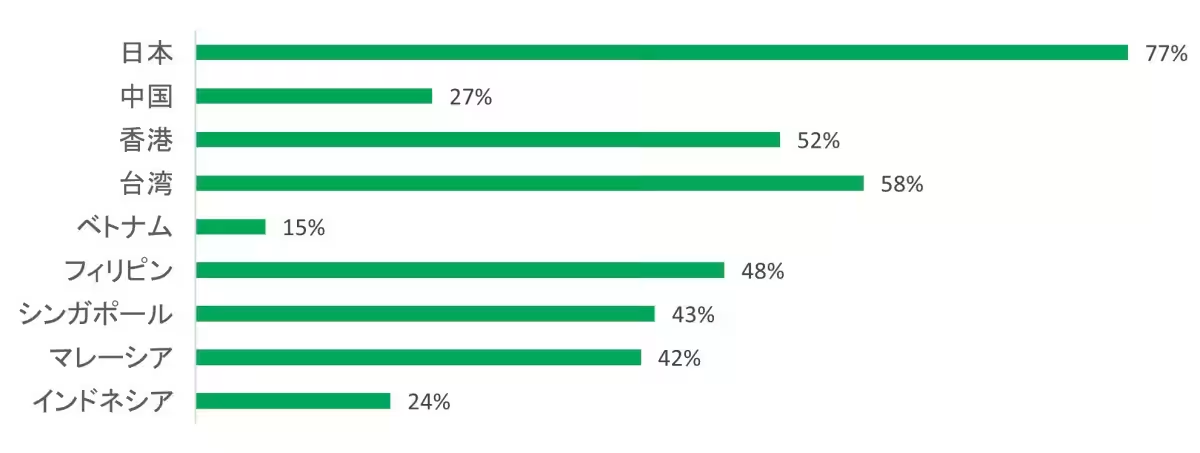
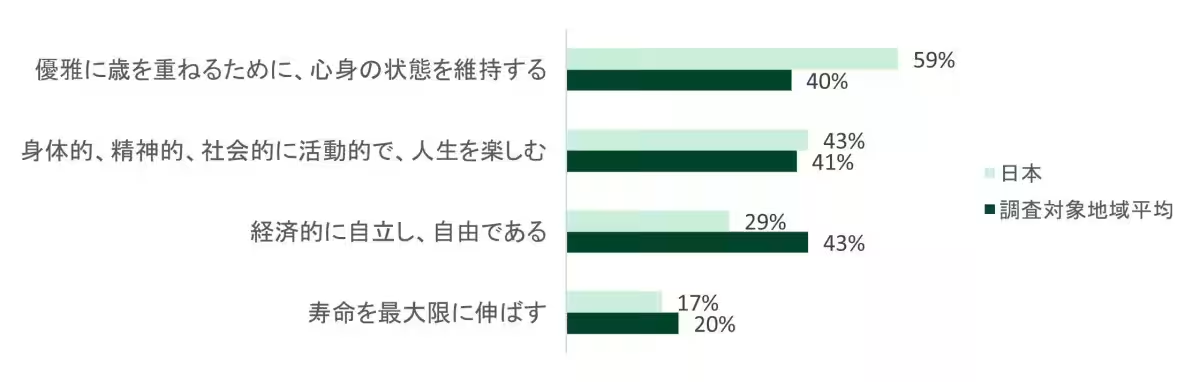
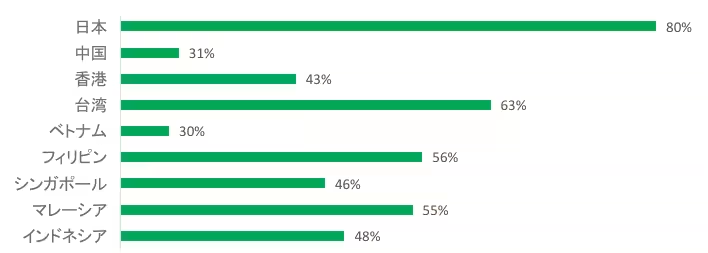
Furthermore, 53% of Japanese participants emphasized the importance of living life with dignity and authenticity as they age, rather than merely extending their lifespan. Interestingly, even as they strive for a more fulfilling life, a prevalent fear of financial insecurity looms, with 77% expressing anxiety about their retirement funds, the highest among all surveyed regions.
A Shift in Life Values
The overwhelming emphasis on quality of life over longevity is indicative of a significant shift in values within Japanese society. Many respondents preferred a life where they could maintain health and independence rather than achieving a long old age filled with health challenges. This insight is crucial, as it underlines a growing desire for a fulfilling existence, free from the constraints of merely prolonging life.
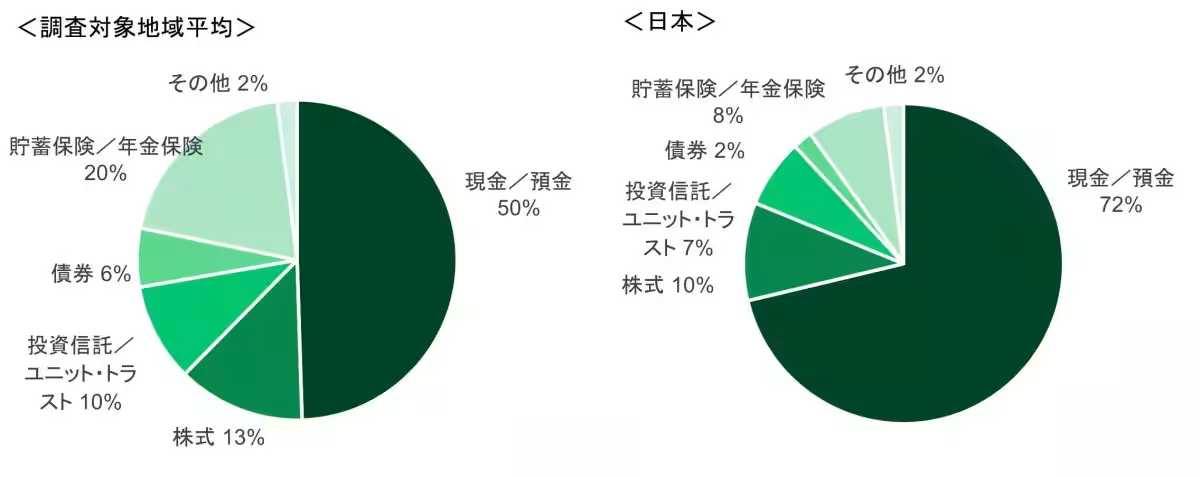
However, the findings also revealed a concerning trend: Japan's citizens displayed low confidence in their retirement savings and investment behaviors. The survey revealed that 72% of financial assets are held in cash or savings, showcasing a risk-averse tendency peculiar to Japan. Furthermore, only 20% of respondents are utilizing financial planners, which suggests that many are missing out on guidance that could alleviate their financial concerns.
Financial Literacy and Health Awareness
The survey shows that 29% of participants currently face economic challenges, with the majority admitting these issues began before reaching retirement age. Japan's longstanding cultural inclination towards saving in cash rather than investing in more dynamic financial products highlights the need for increased financial literacy and proactive retirement planning.
In addition, while Japanese respondents recognized that economic health impacts both their physical and mental well-being, a significant proportion (11%) admitted to not engaging in preventive health behaviors. This reflects a duality in approach—while acknowledging the importance of maintaining health, many still refrain from taking tangible steps towards improving their health outcomes, such as increased physical activity or structured disease prevention.
Importance of Professional Guidance
Ryan Sherrard's comments emphasized that the findings suggest a dramatic transformation in values. People desire not just to survive but to live meaningfully and with dignity. Nevertheless, the prominent fears surrounding financial stability indicate the need for more supportive environments where individuals can make informed decisions about their future.
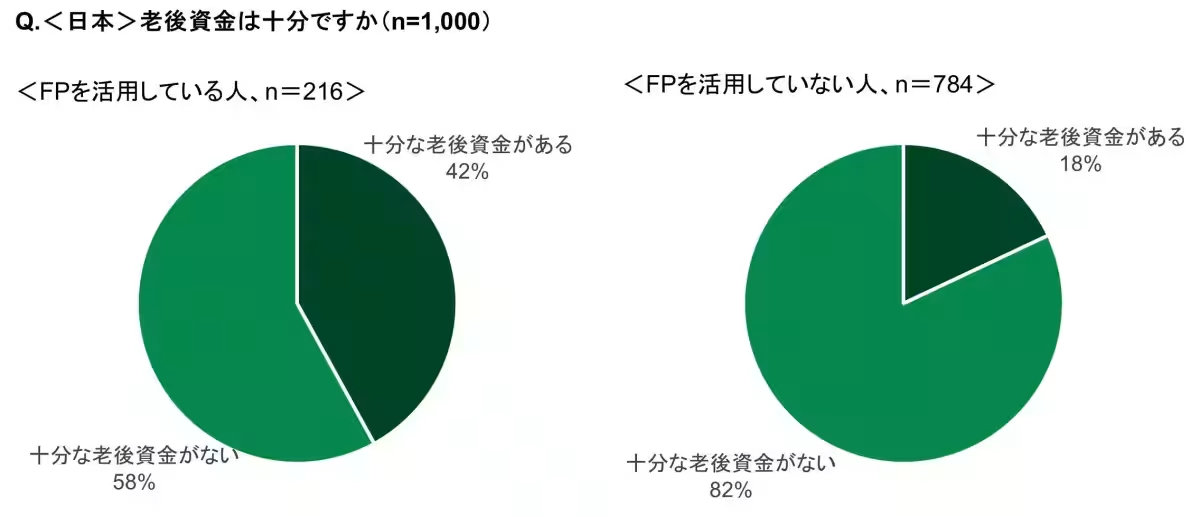
Nevertheless, individuals leveraging financial planners reported higher confidence levels concerning their retirement funds; 42% of these users felt adequately prepared for retirement, compared to just 18% among those who do not use planners. Therefore, accessing professional support could play a key role in alleviating concerns and improving financial preparedness.
Conclusion
In conclusion, the "Asia Care Survey 2025" presents pivotal insights into how Japanese society is redefining its values surrounding longevity, quality of life, and financial security. The growing emphasis on living independently and with dignity marks a significant cultural shift, even as financial anxieties continue to challenge citizens. Moving forward, it is crucial for both individuals and organizations like Manulife Life to engage with such findings, fostering an environment where health, economic independence, and lifestyle quality can thrive together in an aging society.
About Manulife Life
Manulife Life is part of the larger Manulife Financial Corporation headquartered in Canada. With a commitment to providing customers with trustworthy options for safeguarding their futures through insurance and investment, Manulife aims to support individuals in navigating these changes in society and enhance their overall quality of life. To learn more about Manulife Life and its services, visit the official website or their LinkedIn account.

Topics Health)

【About Using Articles】
You can freely use the title and article content by linking to the page where the article is posted.
※ Images cannot be used.
【About Links】
Links are free to use.