



Supporting Women's Health in the Workplace: A New Program for Menopausal Challenges
Addressing Women's Health Challenges in the Workplace
Fractal Workout Inc., based in Shibuya, Tokyo, has recently launched a unique initiative called the "Menopausal Distress Support Program" aimed at establishing a practical approach to support women experiencing health challenges related to menopause. This article outlines essential points for enhancing workplace communication and system design to address the issues that often surface in connection with menopausal distress.
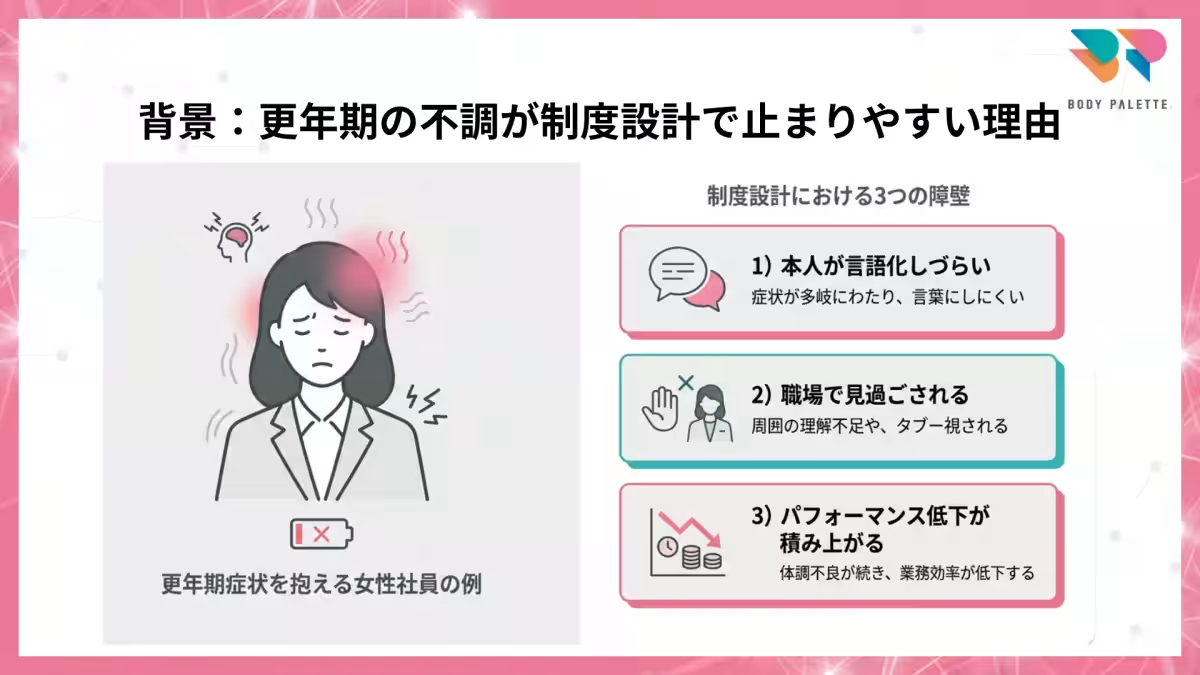
Why Menopausal Distress is Often Overlooked
Menopausal symptoms vary greatly among individuals and often manifest unpredictably. These issues are typically difficult to articulate, which can lead to them being dismissed as mere "health problems" within the workplace. Consequently, chronic problems such as decreased performance, absenteeism, and risk of turnover can accumulate. Companies face a complex web of challenges that include drawing boundaries for consideration and fairness, handling sensitive information, and managing varied responses from supervisors. This entanglement often results in the stagnation of system development and deliberation on the topic.
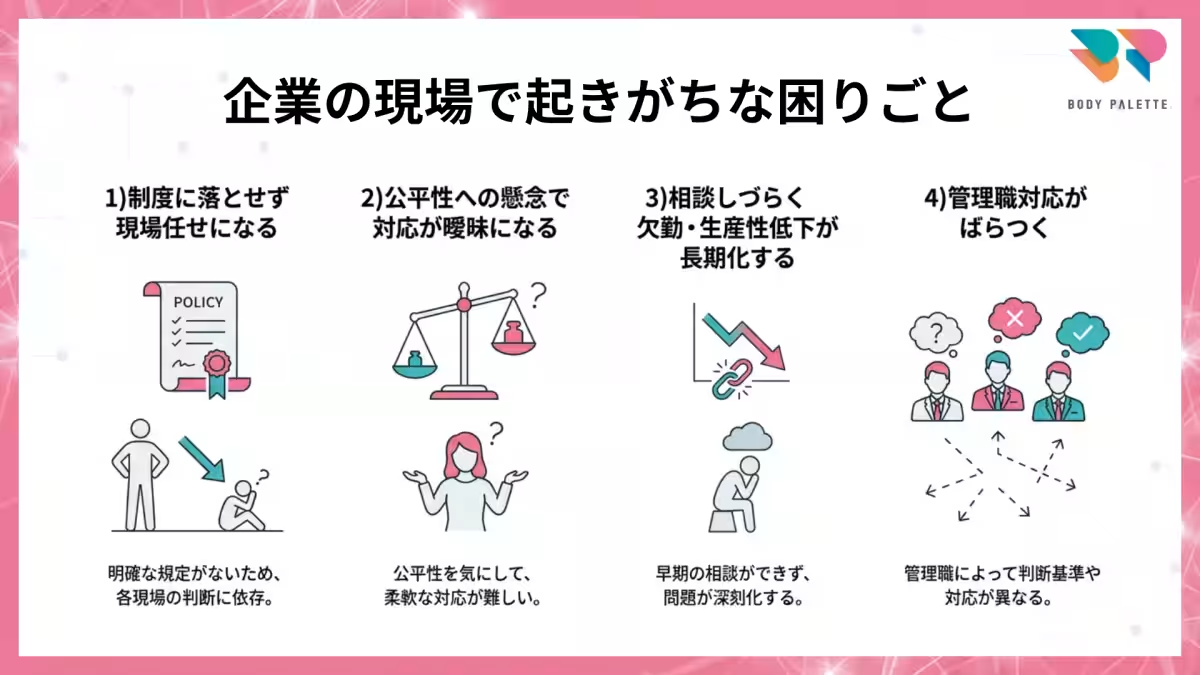
Common Challenges in the Workplace
When dealing with menopausal distress, common issues frequently arise in the workplace:
- - Although the need for consideration is acknowledged, systems or rules are not established, leaving implementation to individual discretion.
- - Concerns regarding fairness cause the direction of action to remain ambiguous and postponed.
- - Individuals are reluctant to voice concerns, leading to prolonged absenteeism, tardiness, and a decline in productivity.
- - Difficulty arises among management in addressing employees, resulting in inconsistent responses.
- - Human resources departments struggle to determine how to handle records and information sharing, leading to a halt in operations.
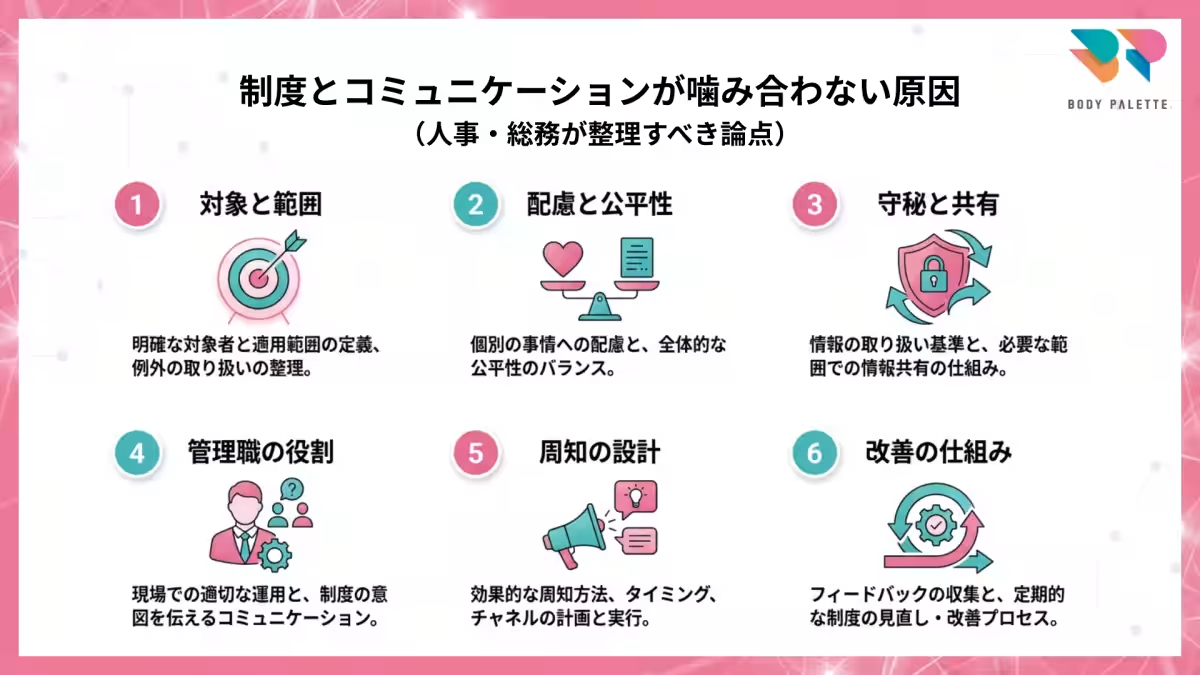
Why Systems and Communication Often Don't Align
Merely establishing systems without adequate communication does not yield progress, nor does relying on communication alone without defined structures. If these two elements are misaligned, confusion reigns within the workplace, and efforts may become hollow. Key issues that need resolution include:
- - Target and Scope: Defining who is covered and how far the workplace theme extends.
- - Consideration and Fairness: Balancing the handling of exceptional cases and the burdens placed on the workplace.
- - Confidentiality and Sharing: Determining what to document during consultations and how much to share with whom.
- - Management Role: Establishing a basic policy for management to provide support without overstepping.
- - Communication Design: Structuring communication to avoid misunderstandings or backlash.
- - Improvement Mechanisms: Identifying what to inspect and reassess after operations commence.
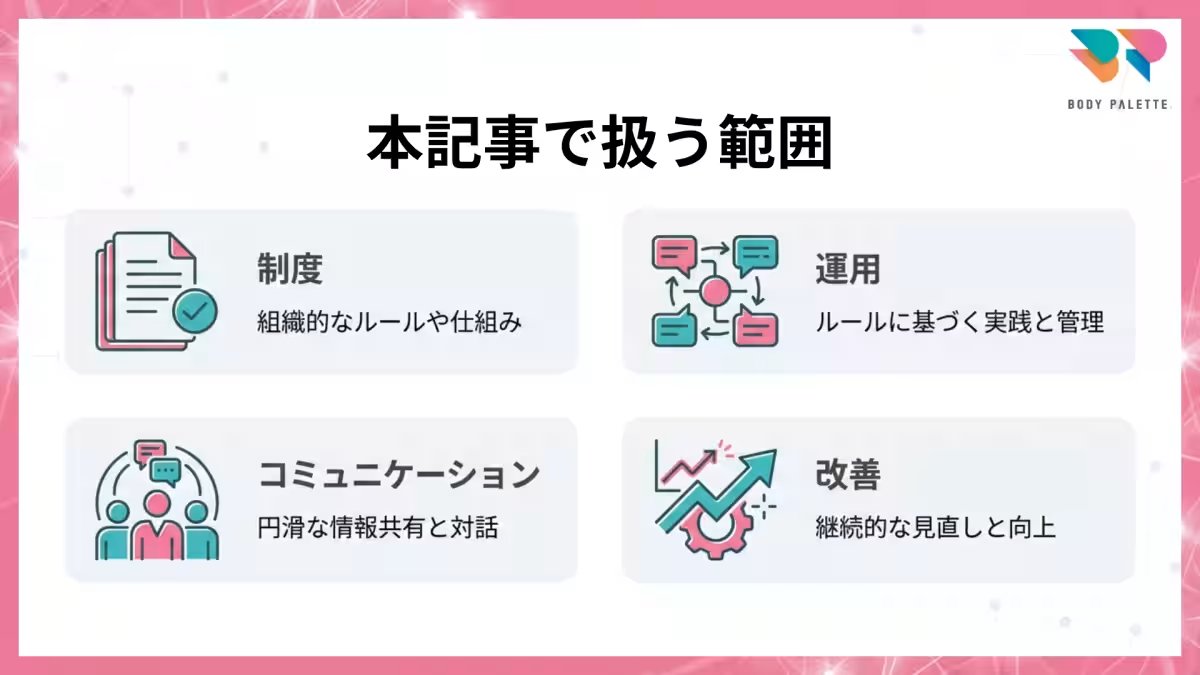
Scope of This Article
This article does not provide a concrete set of solutions or templates but rather presents a framework for companies dealing with menopausal distress. Key areas for design include:
- - Systems: Assessing aspects related to work hours, breaks, and environmental considerations.
- - Operations: Designing paths for consultation, confidentiality protocols, documentation, and the level of information shared.
- - Communication: Highlighting how management can engage and design effective messaging.
- - Improvement: Points to consider during the review post-implementation.
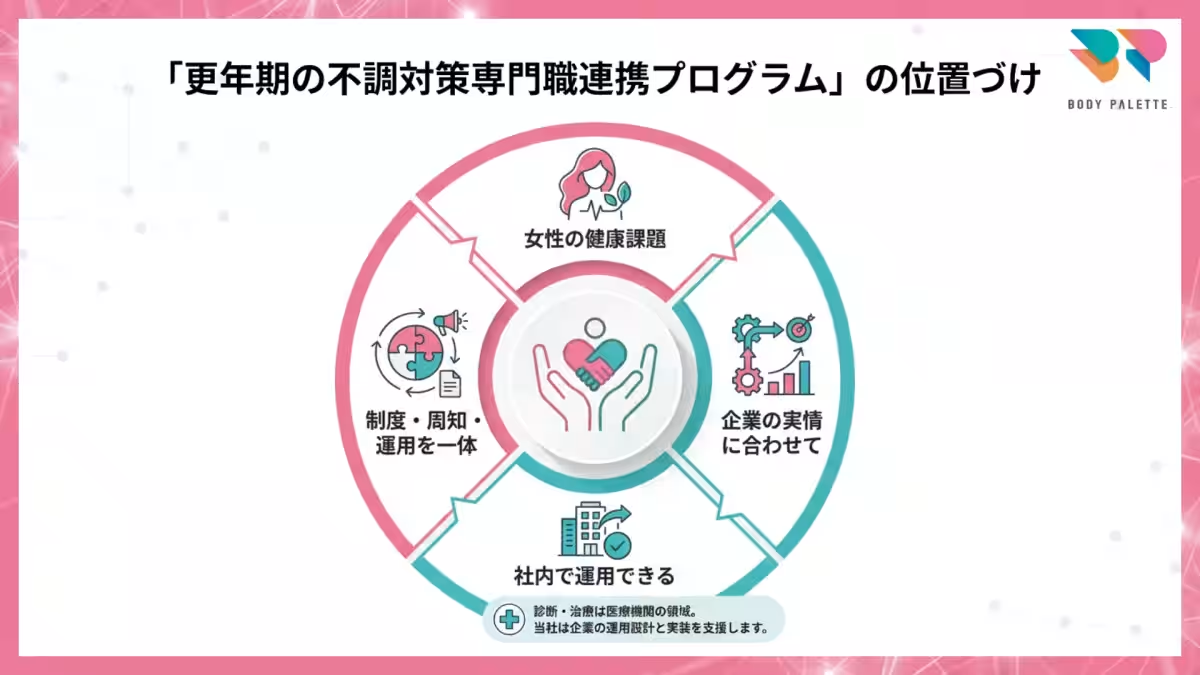
The Menopausal Distress Support Program's Role
This program serves as a means of helping companies establish procedures that are suited to their unique contexts while addressing women's health challenges. It recognizes that education alone is insufficient and emphasizes the need for a cohesive approach that integrates systems, awareness, and operations. Efficient implementation requires collaboration with human resources and operational staff to alleviate confusion and facilitate straightforward action.
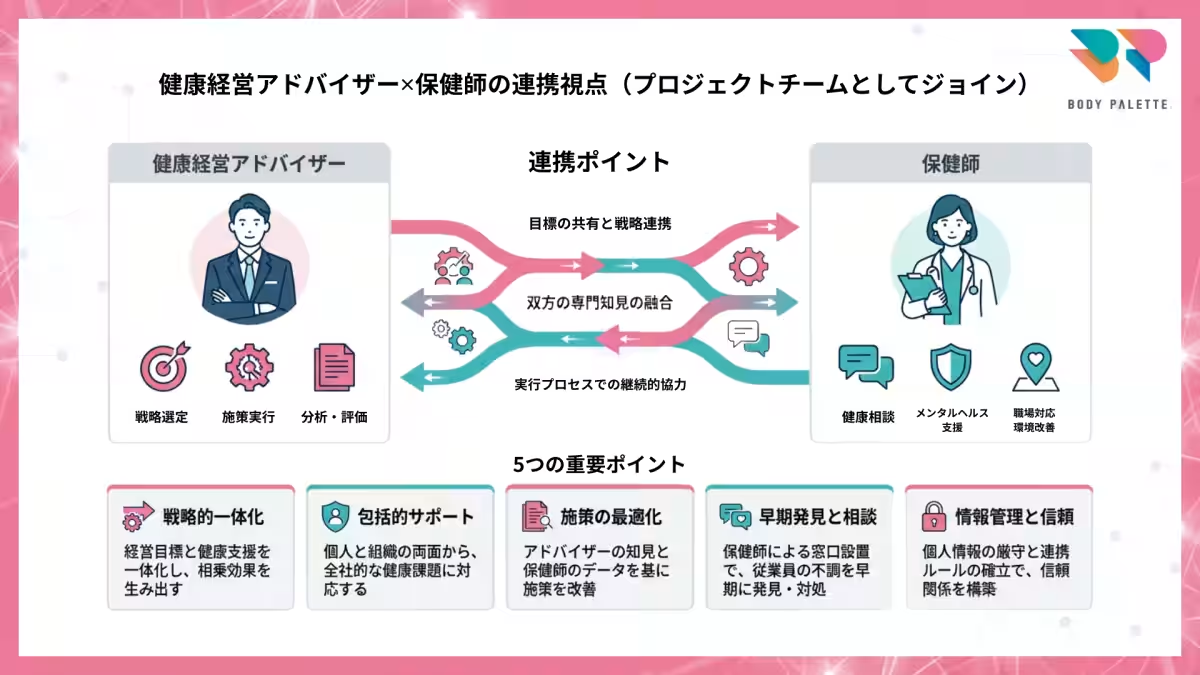
Collaborative Perspectives from Health Advisors and Nurses
To properly address menopausal distress, it’s crucial to shift from merely acknowledging the need for consideration to actionable planning in workplace operations. Integrating health management strategies with the realistic insights of health nurses allows for a tailored approach suitable for each company. Fractal Workout aims to provide support even for organizations lacking dedicated internal teams by establishing collaborative external project teams to facilitate progress.
Recommended for the Following Companies
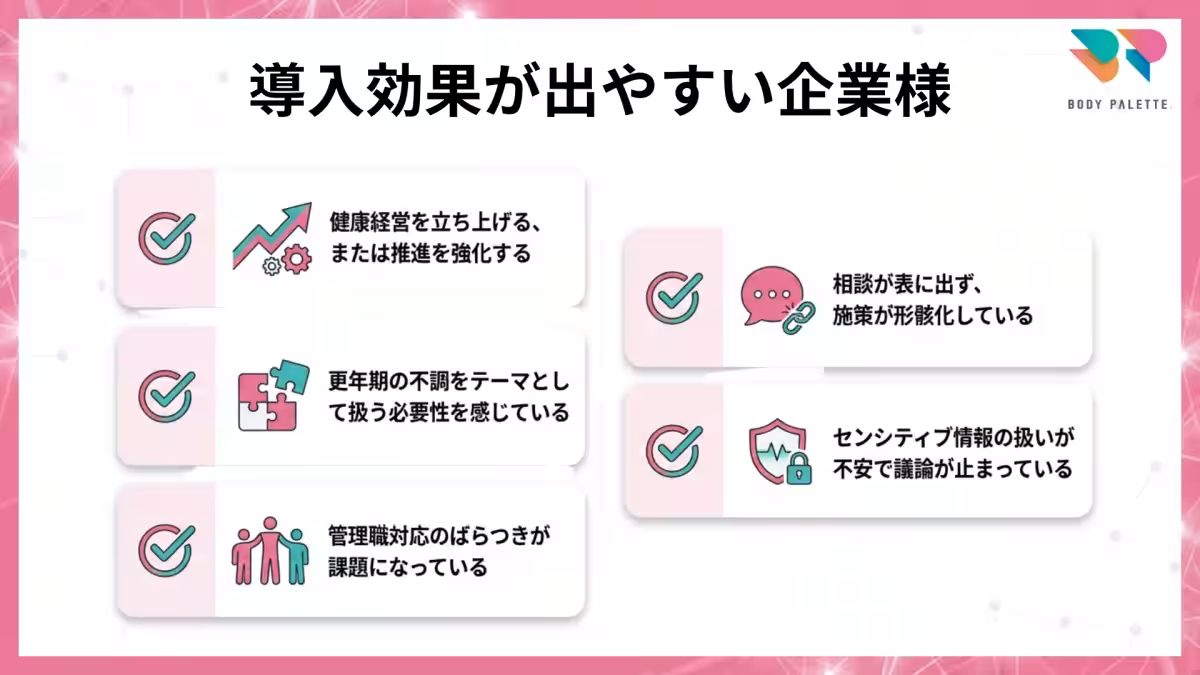
- - Businesses looking to kickstart or strengthen health management initiatives.
- - Organizations aware of the need to address menopausal distress but struggling to implement effective systems.
- - Companies facing disparities in management responses to employee concerns.
- - Workplaces where issues go unaddressed, leading to hollow or ineffective measures.
- - Organizations uncertain about managing sensitive information that stalls necessary discussions.
Contact Us
Fractal Workout offers to help companies assess their current policies and operations regarding menopausal distress. We help tailor your strategy to your specific needs, so please reach out to the contact information provided below.
Company Overview
- - Company Name: Fractal Workout Inc.
- - Location: 1-14-34 Harajuku Jingu no Mori, 4F, Shibuya, Tokyo
- - CEO: Masahiro Takase
- - Established: April 1, 2020
- - Capital: 5000 Ten Thousands Yen
- - Business: Fitness Services
- - URL: Fractal Workout
- - Affiliated Organizations: PHR Service Association, Health Management Alliance, Cancer Action Companies, Smart Life Project, Sport in Life
Inquiry Section
Phone: 0120-107-125
Email: [email protected]
Office Management: Yuka Mizushima
Partnership Opportunities
Fractal Workout is looking for business partners interested in collaborating in fitness services. We welcome inquiries from businesses with a vested interest in health management and human capital management.
- ---
Topics Health)
【About Using Articles】
You can freely use the title and article content by linking to the page where the article is posted.
※ Images cannot be used.
【About Links】
Links are free to use.