



Changing Trends in Job Hunting: The Re-evaluation of Career Choices by 2027 Graduates
Background of the Survey
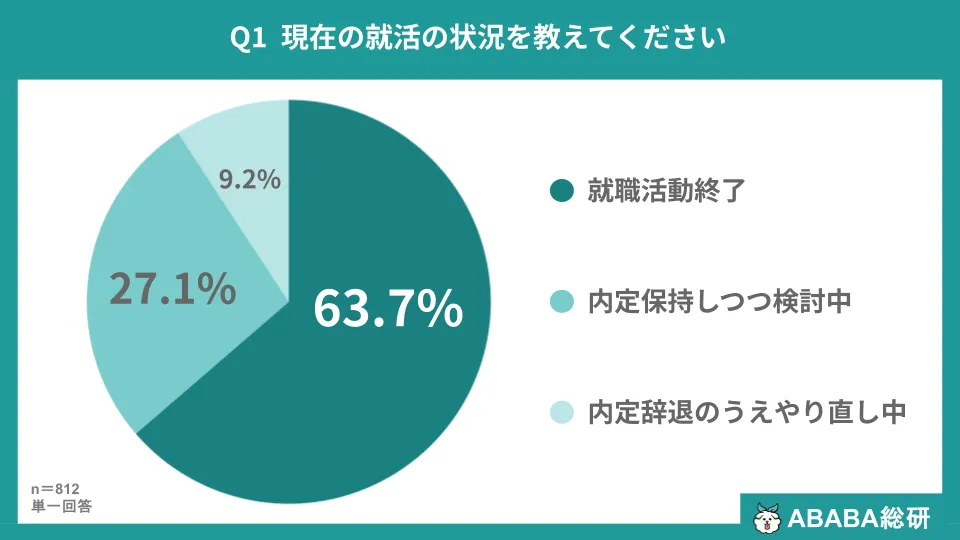
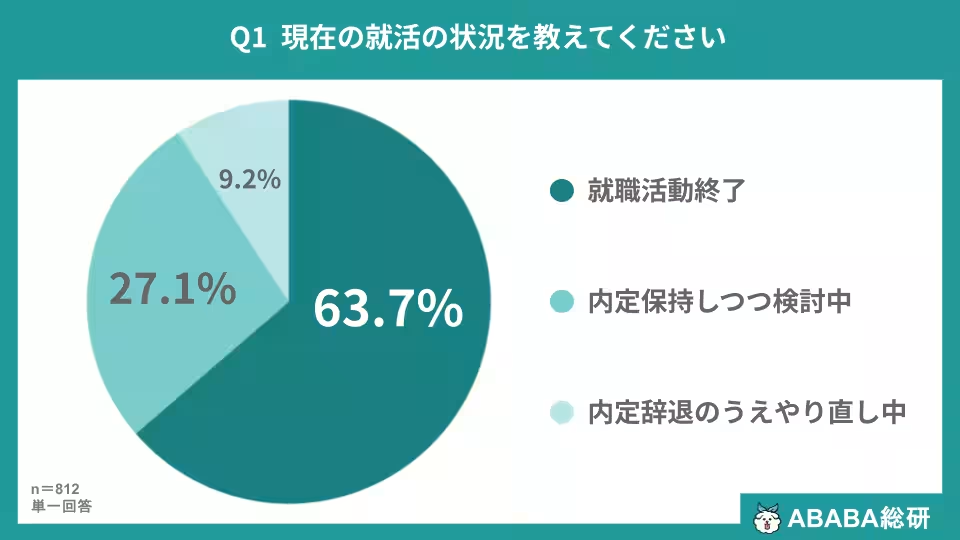
In a recent study conducted by ABABA, a Tokyo-based company, a compelling trend has emerged among students scheduled to graduate in March 2027. The survey, which included 812 university seniors and master's students who secured job offers, illuminated the mindset of those who find themselves questioning their post-graduation paths despite existing job offers. Among these respondents, 295 students—representing about 36.3%—belong to what ABABA refers to as the 'job-hunting retry layer.' This layer of students expresses a longing for a sense of fulfillment and compatibility in their job choices, leading them to pursue additional opportunities even after receiving offers.
Key Findings
1. Prevalence of Job-Hunting Retrying
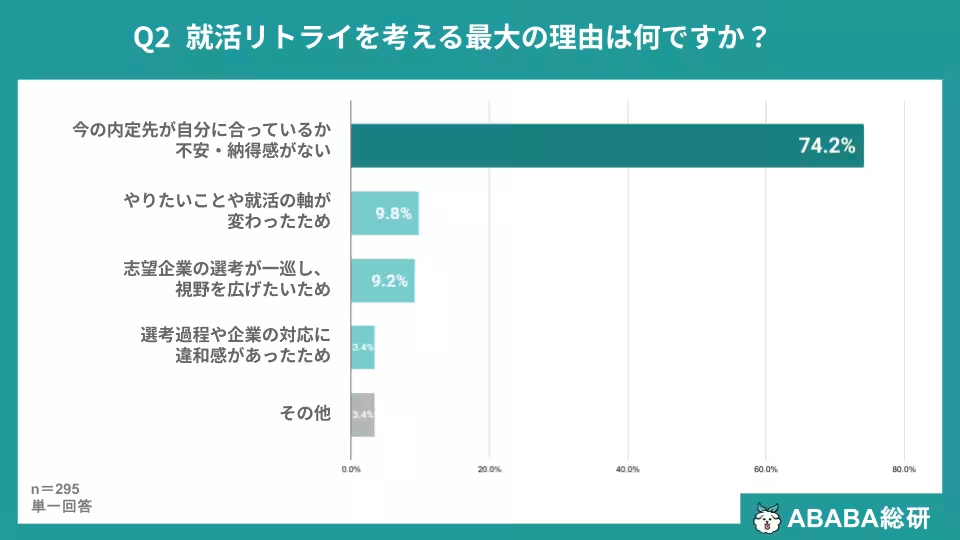
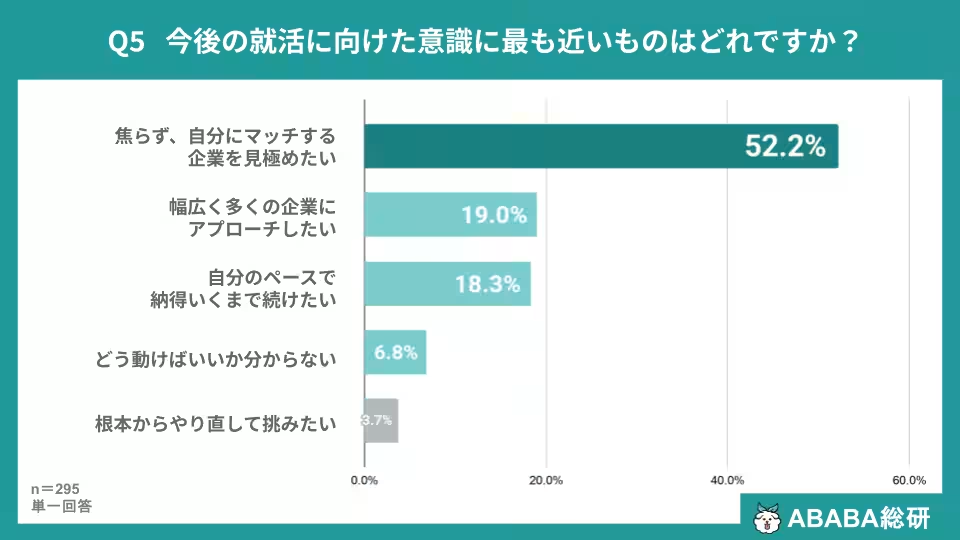
Approximately 36.3% of graduates within this cohort opted to continue their job search, primarily due to feelings of uncertainty regarding their current offers. Moreover, 74.2% cited a lack of confidence in the suitability of their choices as the fundamental reason for redefining their career search. A significant portion—52.2%—indicates a desire to find companies that align closely with their personal values and goals, confirming the ongoing deliberation surrounding their career decisions even after securing an offer.
2. Timeline for Closure
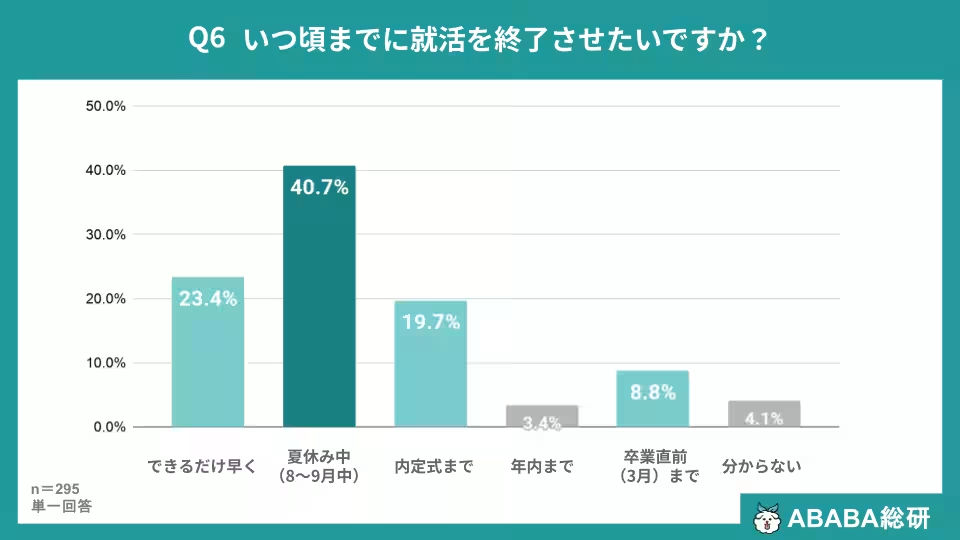
Notably, 83.7% of the retakers aim to conclude their job search before the traditional start of employment ceremonies. Many have set their sights on wrapping things up during the summer break, indicating a preference for timely decision-making even amid the ambition for satisfaction.
3. Impact of Surge in Pressure
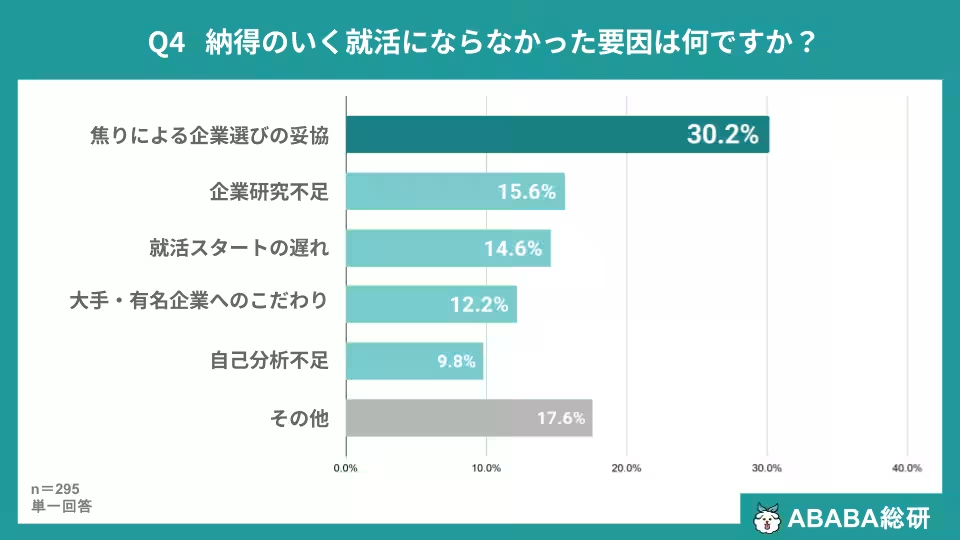
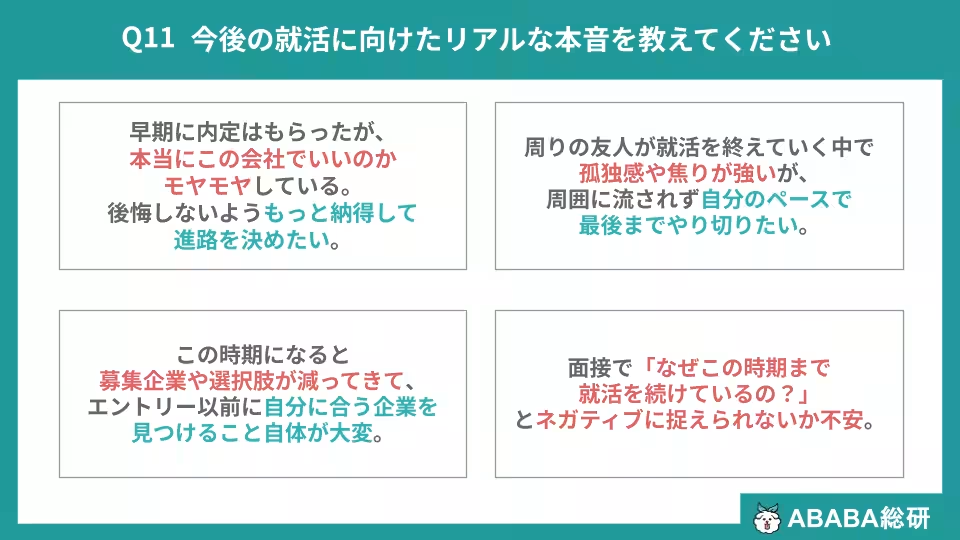
The respondents reflect on their past job hunting experiences, with around 30.2% admitting that their pressure to secure positions led them to compromise their choices. This pressure is compounded by the constant fear of falling behind peers and has created a competitive environment that often results in regrettable decisions due to insufficient research.
4. Dynamics of Job Preferences
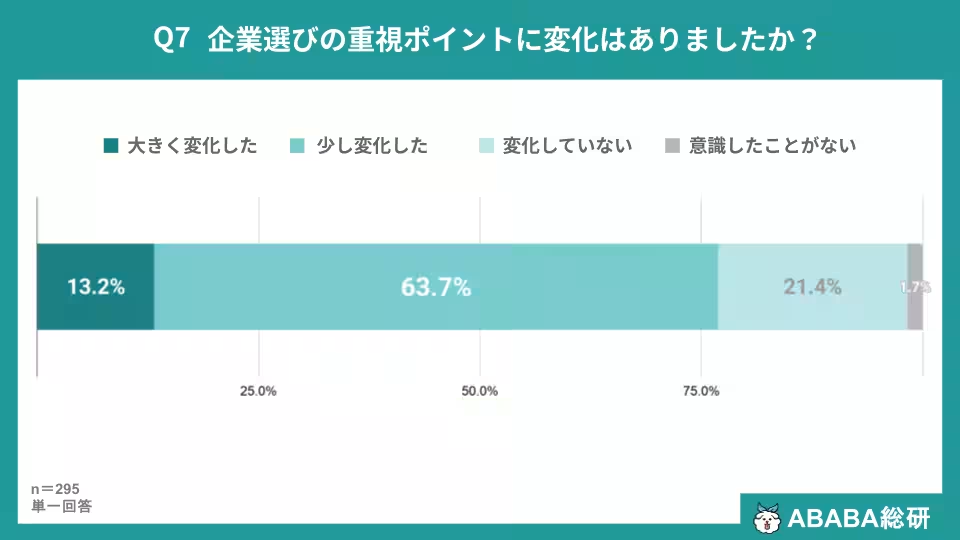
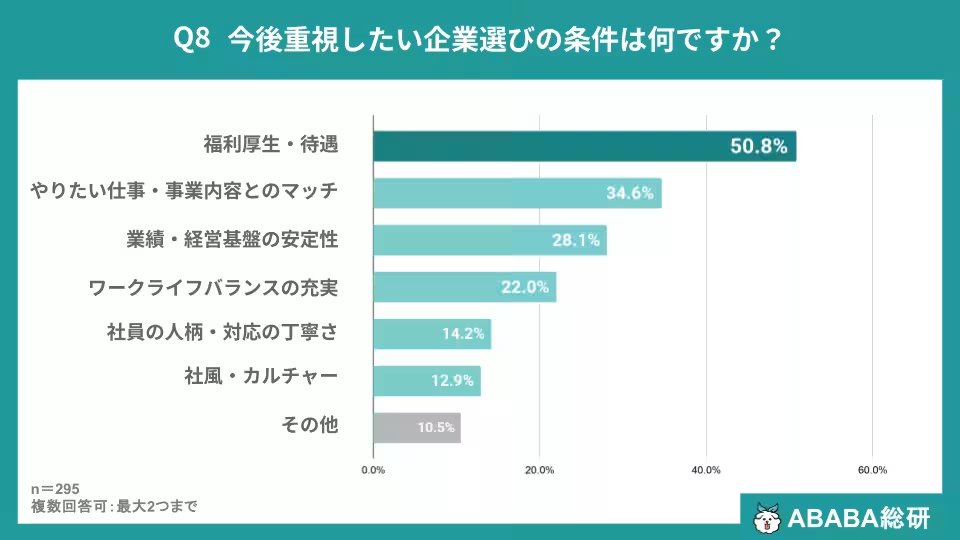
A notable change was observed in the selection criteria for potential employers. Over 50% of respondents are prioritizing employee benefits and compensation—50.8% voted for this factor as vital, followed by alignment with their desired job roles (34.6%) and the stability of the company's economic performance (28.1%). This shift suggests an increasing focus on both workplace satisfaction and overall job security in decision-making.
5. Tools and Resources Utilized
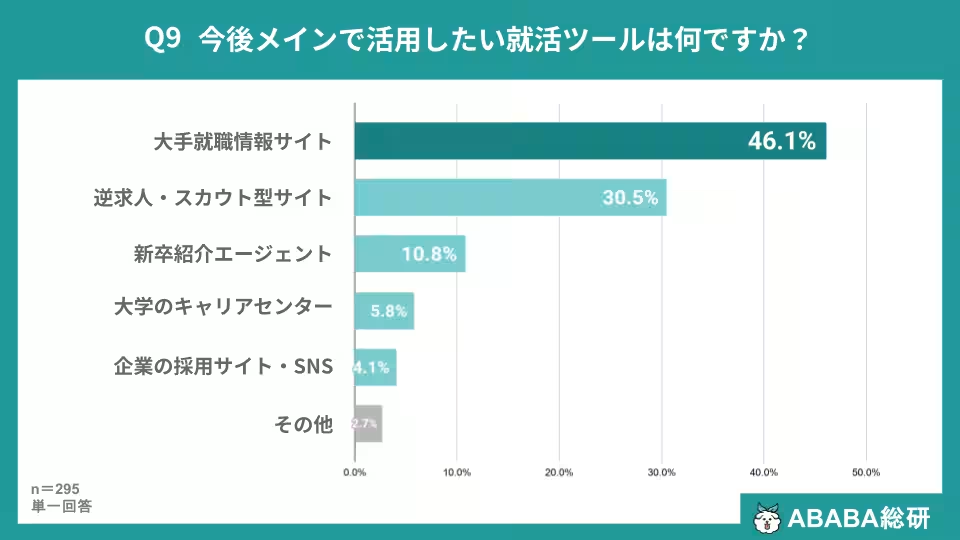
There is also a significant shift in the tools students prefer to use for their job searches. While traditional large employment information sites remain popular, a considerable 30.5% prefer reverse recruitment and scouting platforms. This shift indicates a more strategic approach to their job hunt, favoring engagement with companies that recognize their potential and variables beyond basic qualifications.
6. Expectations during the Selection Process
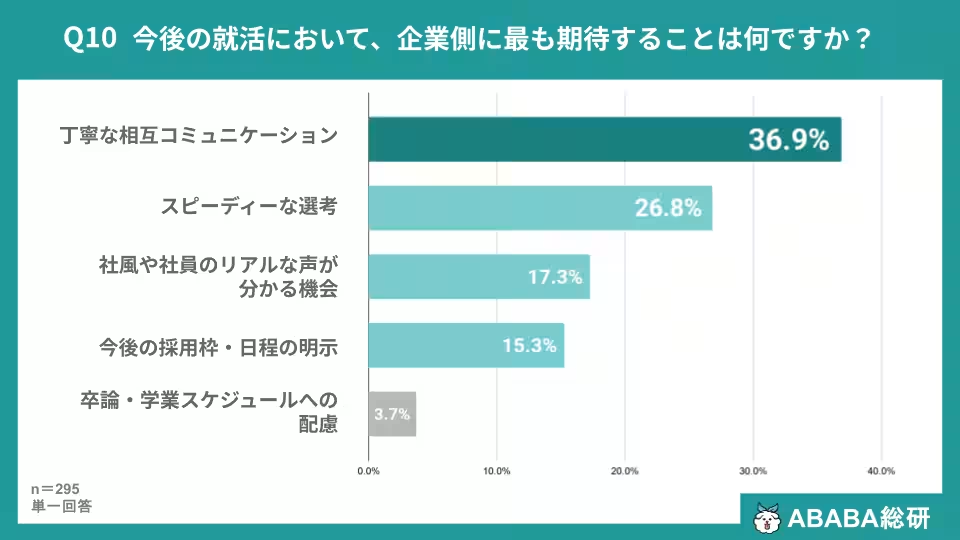
When asked about their expectations from employers, 36.9% of students emphasized the importance of respectful and thorough communication during interviews. Respondents desire a selection process that allows for mutual understanding rather than one-sided evaluations, highlighting a need for transparency and engagement in employer-employee relations.
Concluding Thoughts
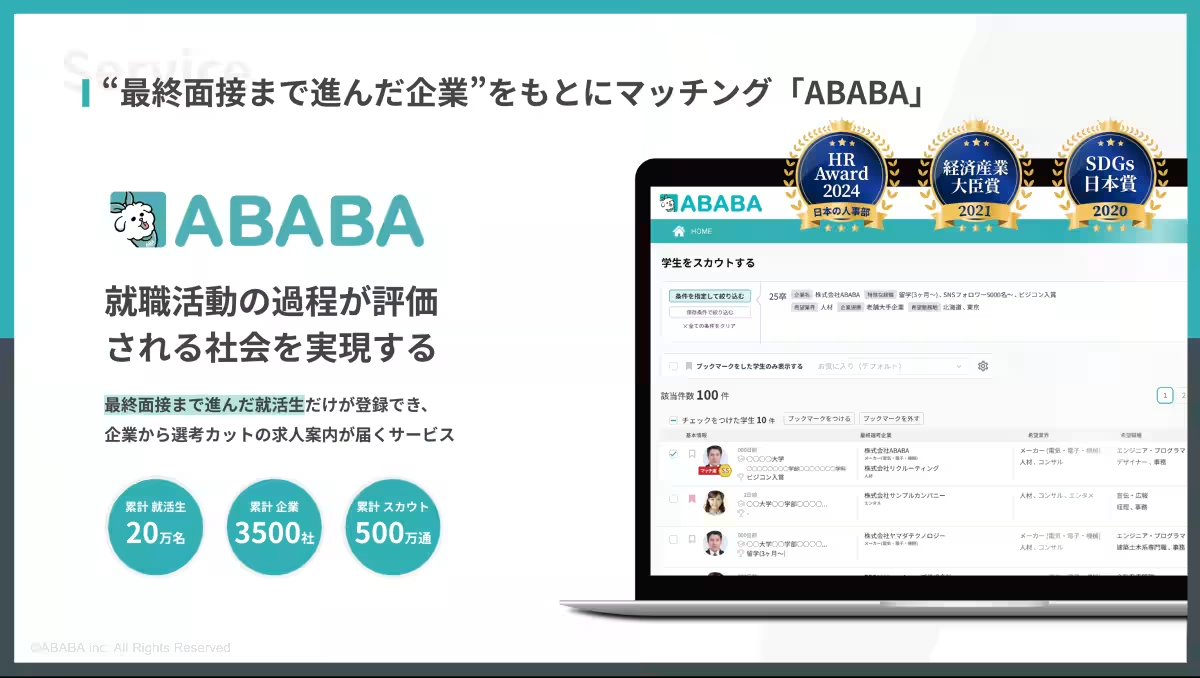
As graduation approaches, the job hunting landscape for 2027 graduates illustrates a blend of urgency and introspection. ABABA's CEO emphasized the importance for students to navigate this phase with consideration of their own aspirations rather than succumbing to external pressures. The insights from this study reveal that many graduates are seeking not just employment, but a satisfactory and meaningful career path that resonates with their values. The emphasis on direct dialogue with employers may herald a new era in recruitment, where both layers of communication and candidate experiences take precedence to meet the evolving expectations in job hunting. ABABA continues to play a vital role in reshaping this dialogue by offering an innovative platform designed to align job seekers' experiences with potential employers’ needs, creating a more effective and gratifying job market for new graduates.

Topics Consumer Products & Retail)
【About Using Articles】
You can freely use the title and article content by linking to the page where the article is posted.
※ Images cannot be used.
【About Links】
Links are free to use.