




Nutrition and Health Survey Among Active Seniors: Insights and Needs
Nutrition and Health Survey Among Active Seniors
In September 2025, the Active Senior Nutrition Research Group, led by Professor Shoji Shinkai from女子栄養大学, conducted a comprehensive survey aimed at understanding the nutritional needs and health maintenance activities of active seniors. This initiative was specifically designed for the pro-sumer members of the research group, which includes professionals like dietitians, nutritionists, and healthcare workers. The goal was to gather insights and opinions from those at the forefront of senior nutrition.
Key Findings
Nutritional Gaps
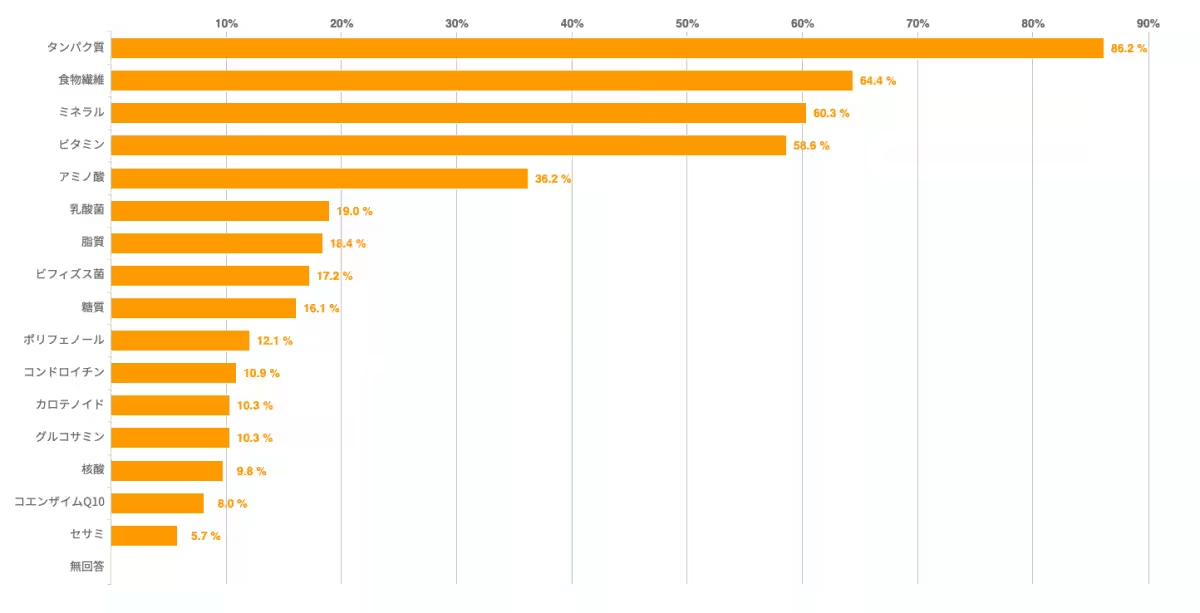
The survey revealed critical gaps in nutritional intake among seniors, highlighting the nutrients they feel are essential for maintaining their health:
1. Protein
2. Dietary Fiber
3. Minerals
These nutrients were perceived as lacking in the diets of many seniors, underscoring the importance of protein for muscle preservation, fiber for digestive health, and minerals for overall well-being.
Practical Strategies for Healthy Eating
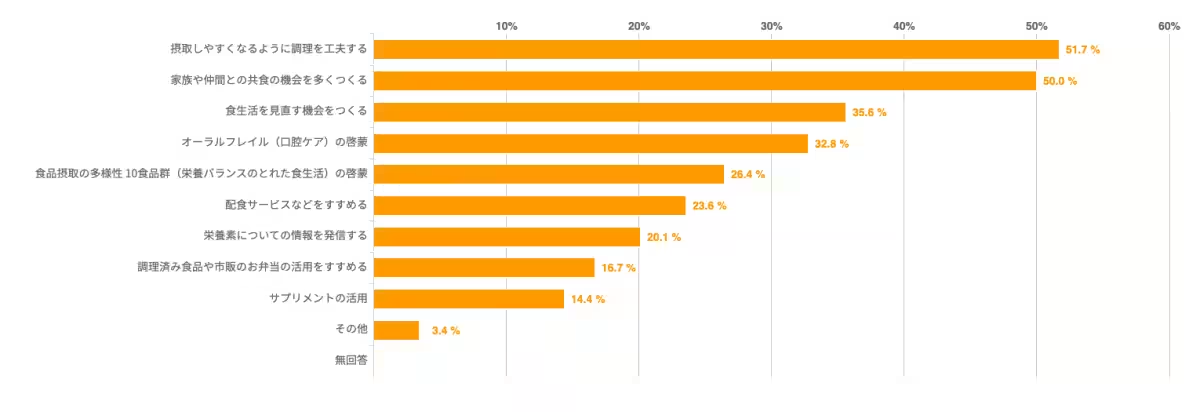
Respondents also shared strategies to enhance nutrient intake:
1. Creative Cooking: Preparing meals in a way that makes them more enjoyable and easier to consume.
2. Social Eating: Increasing opportunities to eat with family and friends, fostering a communal approach to nutrition.
3. Revisiting Eating Habits: Assessing and improving one’s diet to include essential nutrients.
These strategies reflect a proactive approach to diet, encouraging seniors to take an active role in their nutrition through engaging practices.
Information Needs for Skills Development
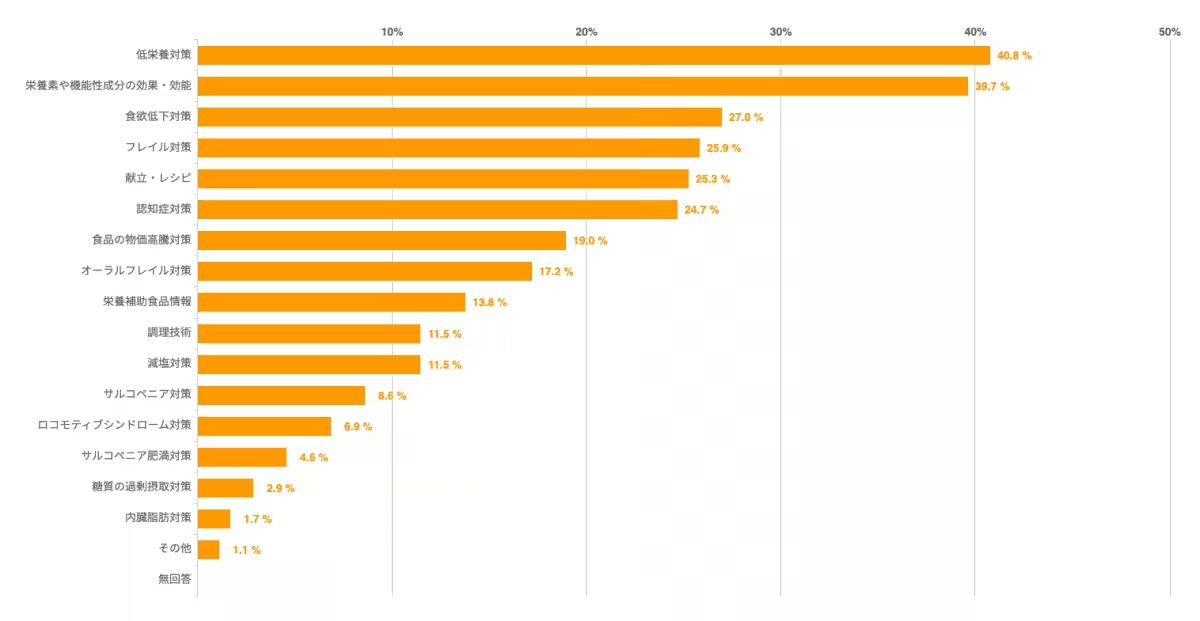
When it comes to expanding their knowledge, seniors expressed a need for the following information:
1. Nutrition Strategies Against Malnutrition: Understanding how to prevent undernutrition.
2. Benefits of Nutrients: Learning about the effects and benefits of specific nutrients and functional ingredients.
3. Addressing Appetite Loss: Seeking ways to combat decreased appetite and maintain caloric intake.
This data helps illuminate the knowledge gaps that pro-sumer members perceive, which can effectively inform educational efforts and the dissemination of reliable nutritional information.
Purpose of the Research Group
The Active Senior Nutrition Research Group aims to improve the quality of life (QOL) and extend healthy lifespan for seniors by tackling issues of frailty, sarcopenia, and other health concerns through the lens of nutrition. They actively promote a better understanding of nutritional science among seniors, empowering them with the knowledge needed to enhance their overall health.
Engagement activities
The group not only conducts surveys but also hosts seminars and symposiums to disseminate their research findings and insights. They collaborate with nutrition professionals and researchers to network and share valuable information aimed at uplifting the community’s awareness of senior nutrition.
Conclusion
This survey stands as a crucial measure to understand the specific nutritional concerns facing seniors, and the Active Senior Nutrition Research Group is committed to addressing these needs. They emphasize the importance of accurate, up-to-date information and the role it plays in supporting seniors in leading healthy, active lives.
For more information and to stay updated on ongoing initiatives, please visit the Active Senior Nutrition Research Group Website.



Topics Health)

【About Using Articles】
You can freely use the title and article content by linking to the page where the article is posted.
※ Images cannot be used.
【About Links】
Links are free to use.