



One in Three Adolescents Prefer Solitude Over Social Interaction, New Survey Reveals
The Shift Towards Solitude: Understanding Adolescent Needs for Safe Spaces
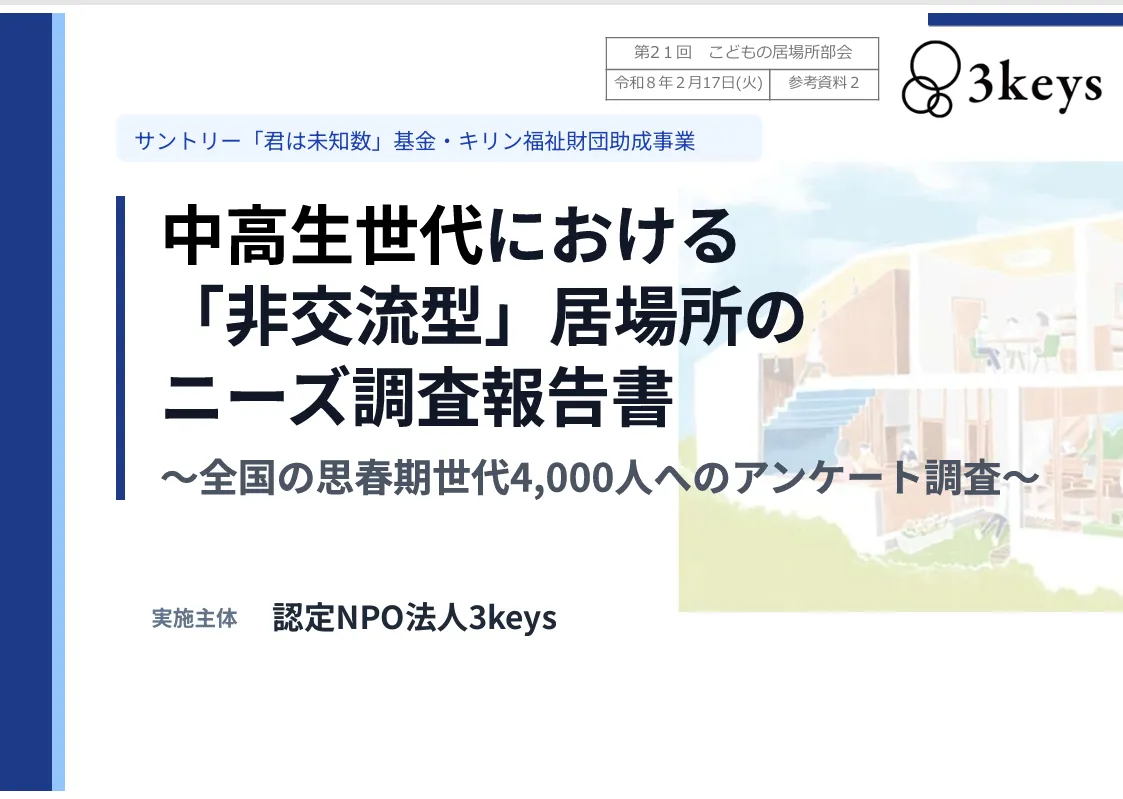
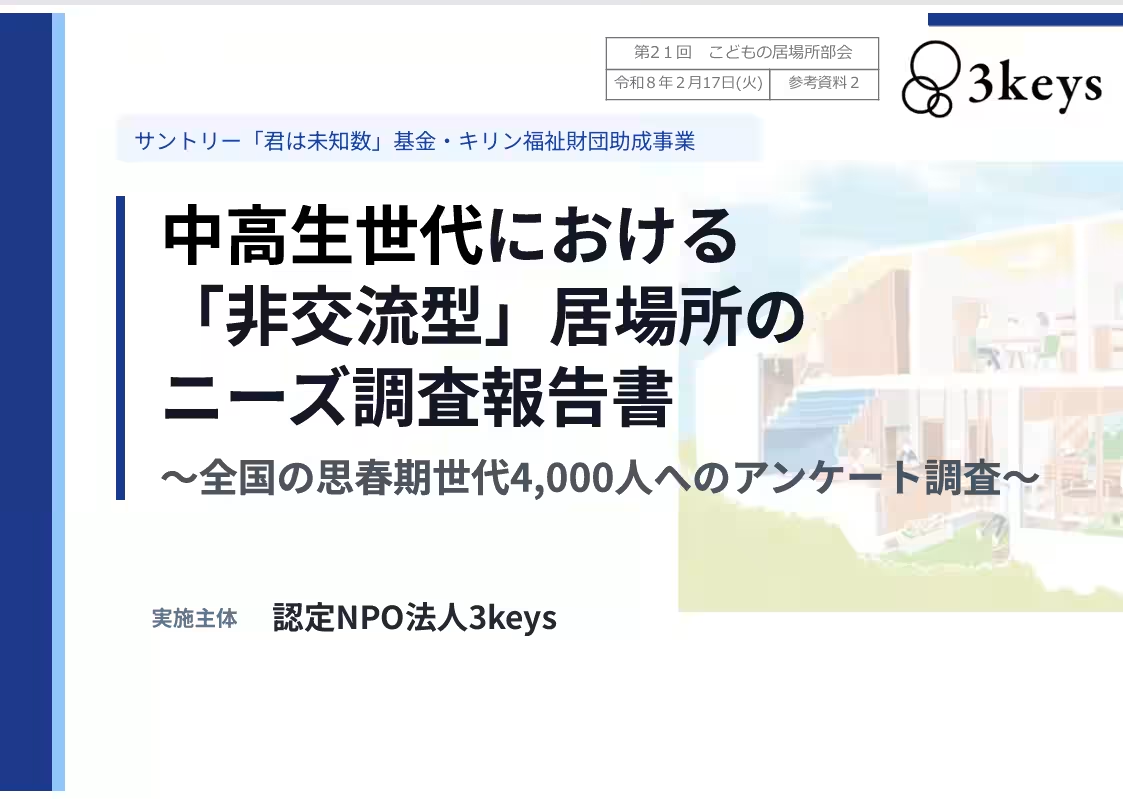
In a groundbreaking survey conducted by the non-profit organization 3keys in Tokyo, it was found that approximately one-third of adolescents between the ages of 13 and 18 express a desire for solitude over social interaction. This survey, which included around 4,000 junior high and high school students, aimed to explore the needs for 'non-interactive' spaces where young individuals can feel safe and unbothered.
Key Findings of the Survey
The results reveal some surprising insights about the preferences of today’s youth for their social environments. Traditional spaces like children's centers and youth facilities are generally designed with an emphasis on social interaction. However, this study highlights the diverse needs of adolescents in terms of the spaces they wish to inhabit.
Lack of Desire for Interaction
About 33% of the surveyed adolescents identified as part of the 'non-interactive preference group.' These respondents indicated a strong inclination towards spending time alone, reflecting their sentiment of wanting to avoid interactions with people they know. This preference surpasses the approximately 20% of youths who prioritize social engagement, underscoring a significant shift in adolescent preferences.
Consulting Others Is Not Common
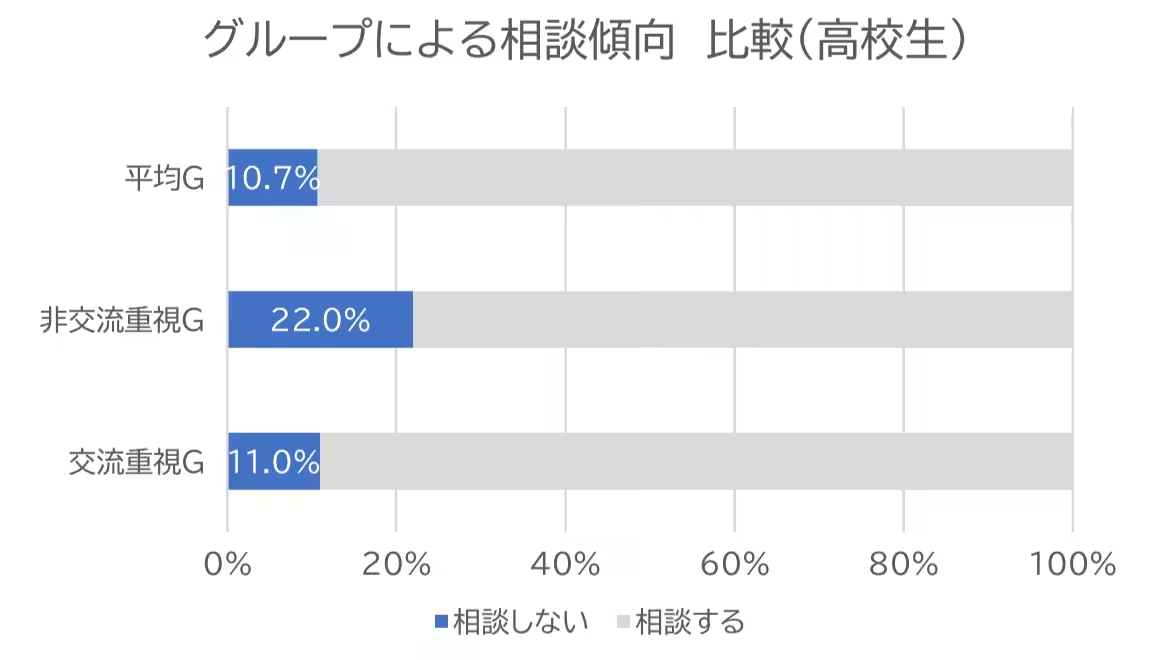
The survey further revealed that those in the non-interactive group are less likely to seek advice or support from others, even in difficult situations. The data shows that these adolescents are nearly twice as likely as their peers to answer that they never discuss issues with anyone when faced with challenges. This raises concerns about the ability of existing interactive facilities to reach the adolescents who need assistance the most.
The Demand for Essential Services
A staggering 90% of respondents expressed a high demand for essential services such as Wi-Fi, phone charging stations, and quiet resting spaces. Interestingly, these individuals also exhibit a heightened interest in seeking support for their problems or educational assistance while simultaneously wanting the assurance of personal time and space.
Why the Shift to Non-Interaction?
The environment surrounding today’s adolescents has changed rapidly, with increasing instances of isolation and anxiety in their personal and academic lives. Amidst these challenges, there is a growing focus on creating spaces that cater specifically to the needs of youth. The conventional models of social interaction may impose psychological barriers rather than serve as a safe haven for those desiring solitude.
It is crucial to go beyond surface-level solutions and delve deeper into understanding the nuanced needs of adolescents. This calls for new approaches that prioritize their well-being and comfort without necessitating interaction.
Upcoming Child Issue Seminar
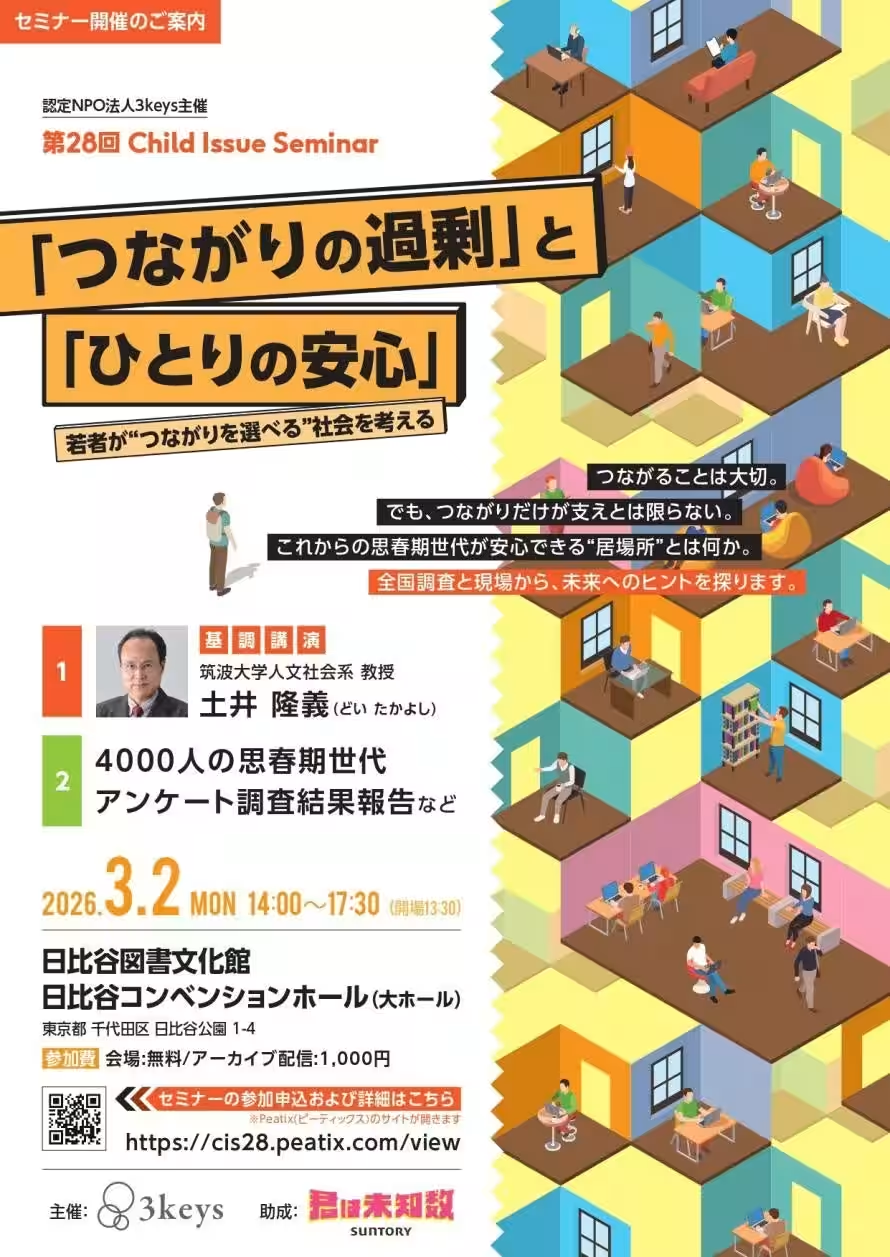
On March 2, a seminar titled "The Excess of Connectivity and the Comfort of Solitude" will be held, delving into the extensive analysis of the survey findings and discussing what future safe spaces for children could look like.
Seminar Details:
- - Date: March 2, 2026
- - Time: 14:00 - 17:30
- - Venue: Hibiya Library and Cultural Center, Hibiya Convention Hall
- - Participation Fee: Free for on-site attendees / ¥1,000 for archived video access
The program features:
- - Keynote speech by Professor Takayoshi Doi from Tsukuba University
- - Reporting on the survey results from 4,000 adolescents
- - Updates from 3keys on five years of practical experiences in creating non-interactive spaces
- - A discussion on the significance of non-interactive spaces for youth
As highlighted by the survey, children who express a strong preference for solitude often feel that there are inadequate spaces catering to their needs. It is essential to position non-interactive environments within society as viable options for the younger generation. Media coverage of this seminar is highly encouraged to raise awareness and promote understanding around this critical issue.
About 3keys
3keys is a recognized non-profit organization dedicated to ensuring that all children, regardless of their backgrounds, have access to necessary social resources. Their initiatives include educational support for children living in child care facilities and managing a help-seeking website for teenagers called 'Mex,' which serves around 540,000 users. They also engage in awareness-raising activities aimed at adults, advocating for the needs of adolescents in modern society.


Topics People & Culture)


【About Using Articles】
You can freely use the title and article content by linking to the page where the article is posted.
※ Images cannot be used.
【About Links】
Links are free to use.