



Understanding Oral Health Care Among Seniors in the 100-Year Life Era
Understanding Oral Health Care Among Seniors
As society embraces a longer lifespan, maintaining oral health has become increasingly vital, especially for seniors. A recent survey conducted by CosmoLab, a marketing platform focused on the senior demographic, sheds light on the perceptions and realities of dental care among those aged 50 and above. The results reveal a significant divide in how seniors approach their oral health, underscoring the need for tailored strategies to enhance their well-being.
Survey Overview
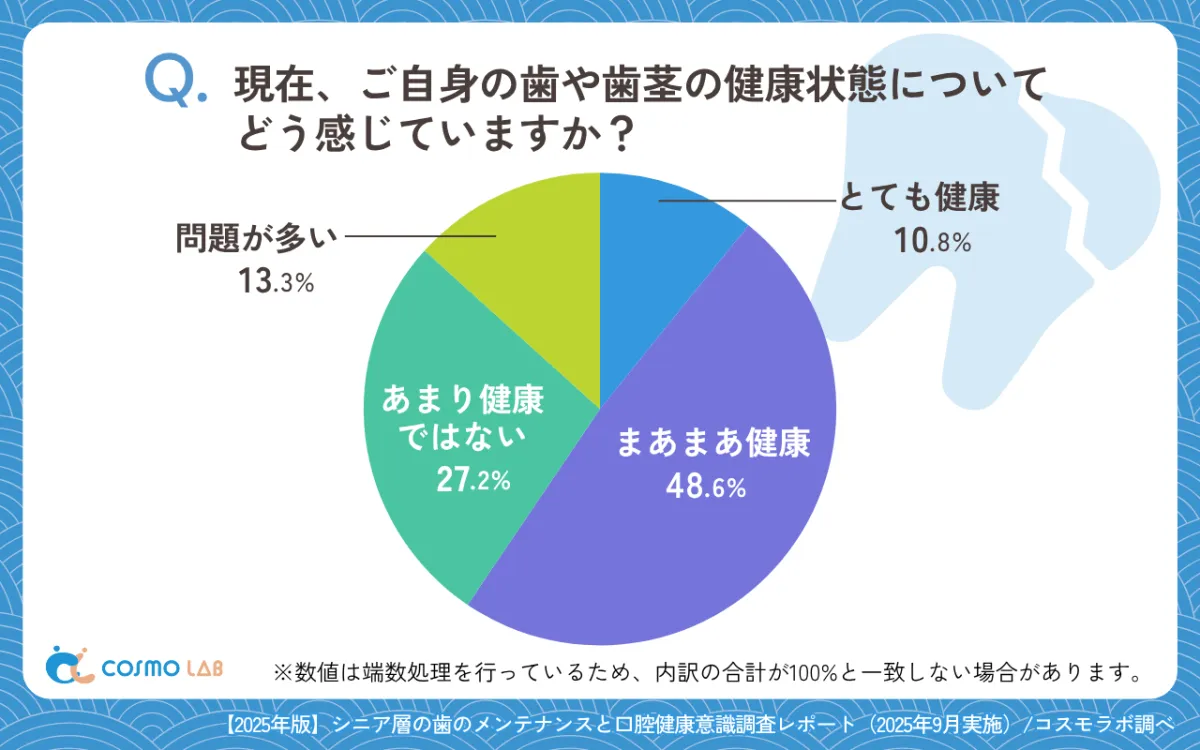
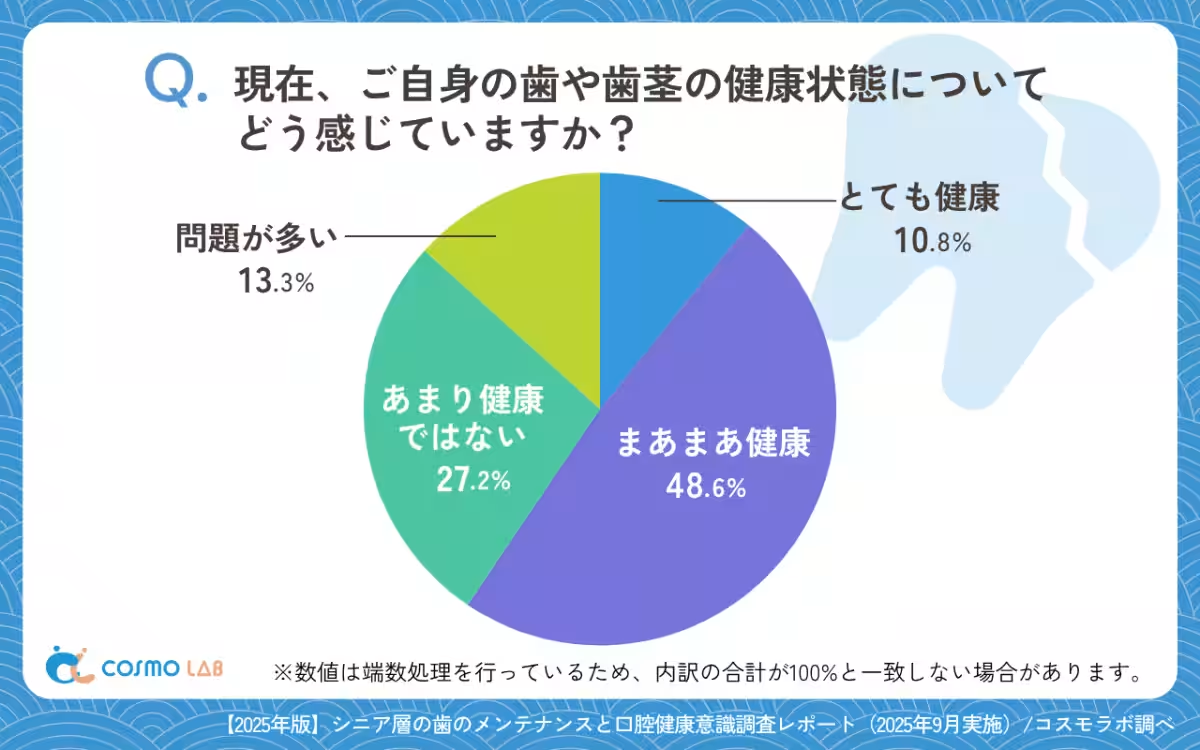
The survey targeted seniors and investigated their attitudes towards oral health, their experiences with dental issues, and the frequency of their dental check-ups. With the findings that about 60% of respondents rated their dental health as either “fairly healthy” or “very healthy,” it became evident that while many seniors feel confident about their oral health, a considerable portion harbors serious concerns.
Key Findings
1. Perception of Dental Health: Approximately 48.6% of seniors consider their dental health adequate, while 10.8% believe it to be excellent. Conversely, an alarming 27.2% reported that their dental health isn’t great, and another 13.3% acknowledged significant issues. This duality reveals a critical disparity in health perception and suggests that educational initiatives could help bridge these gaps.
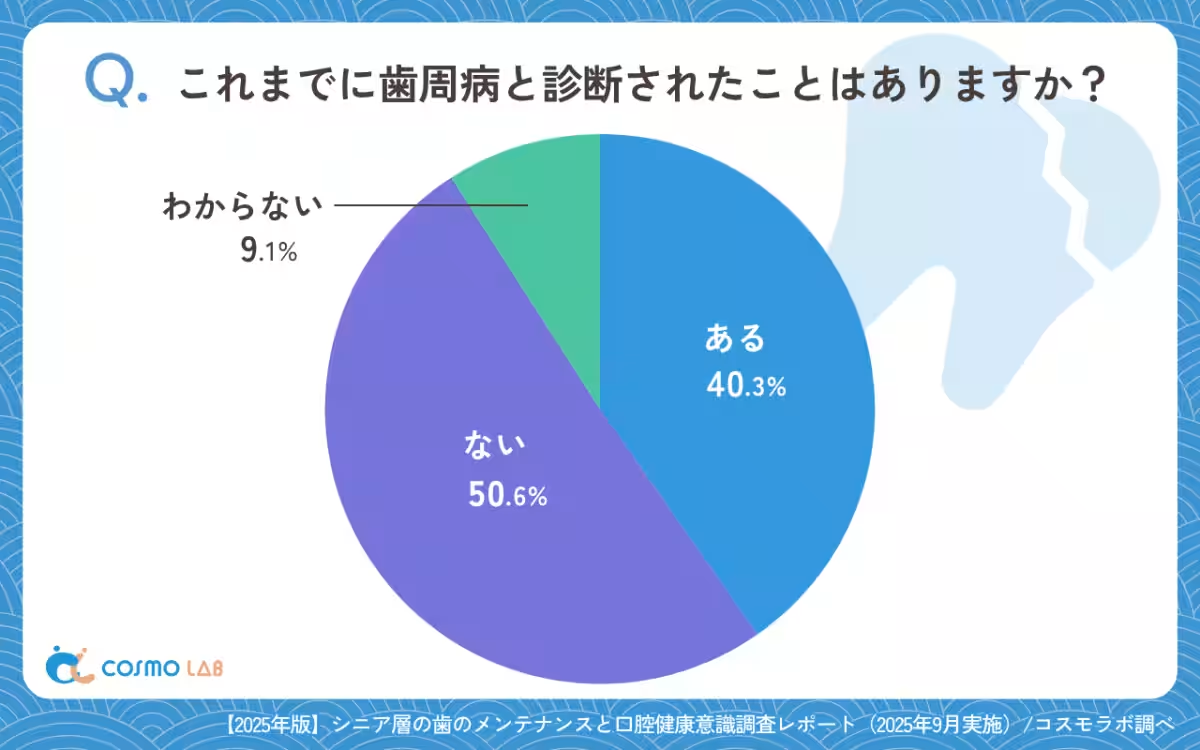
2. Awareness of Periodontal Disease: The survey indicated that about 40.3% of seniors had been diagnosed with periodontal disease. This condition often presents with mild symptoms, leading to many potential cases remaining undiagnosed. Awareness campaigns about the importance of regular check-ups are crucial, especially since nearly 9.1% of respondents were unsure about their periodontal health status.
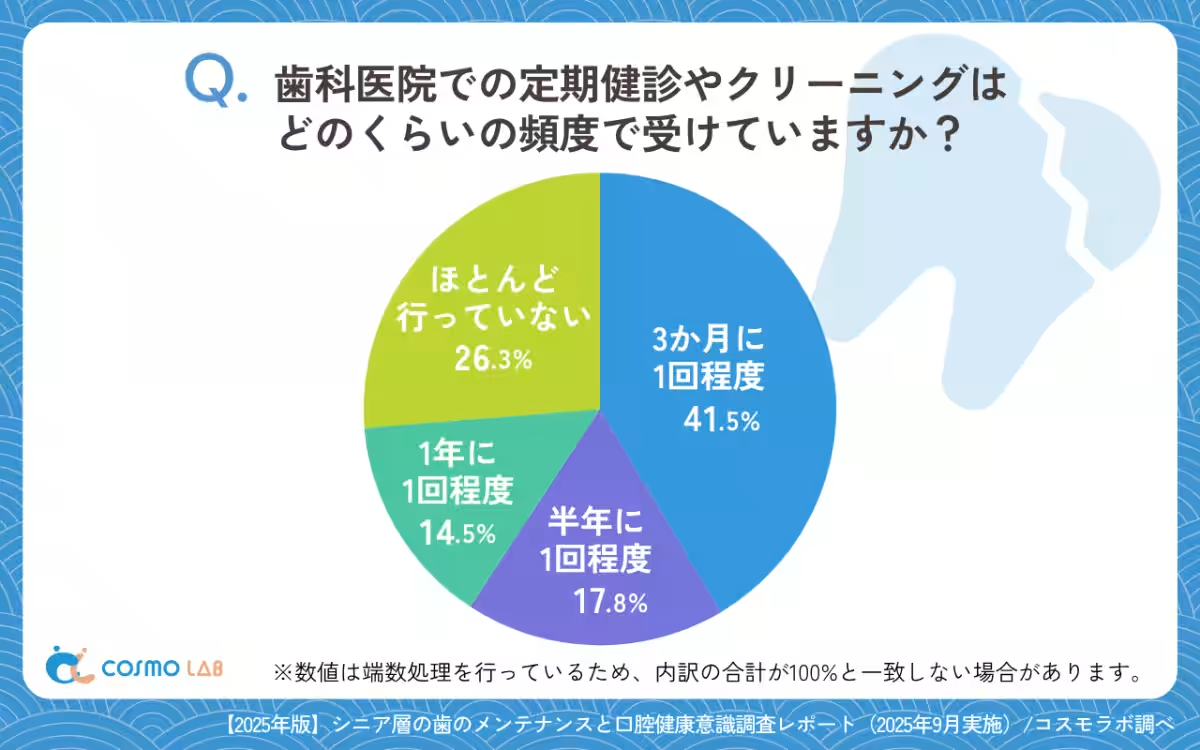
3. Preventive Care Habits: The results showed a clear divide in preventive dental care habits. While 41.5% of seniors visit the dentist every three months for check-ups, a concerning 26.3% admitted they hardly ever go for check-ups. This highlights a stark contrast in preventive care practices among the elderly, driven by factors ranging from personal beliefs to access issues.
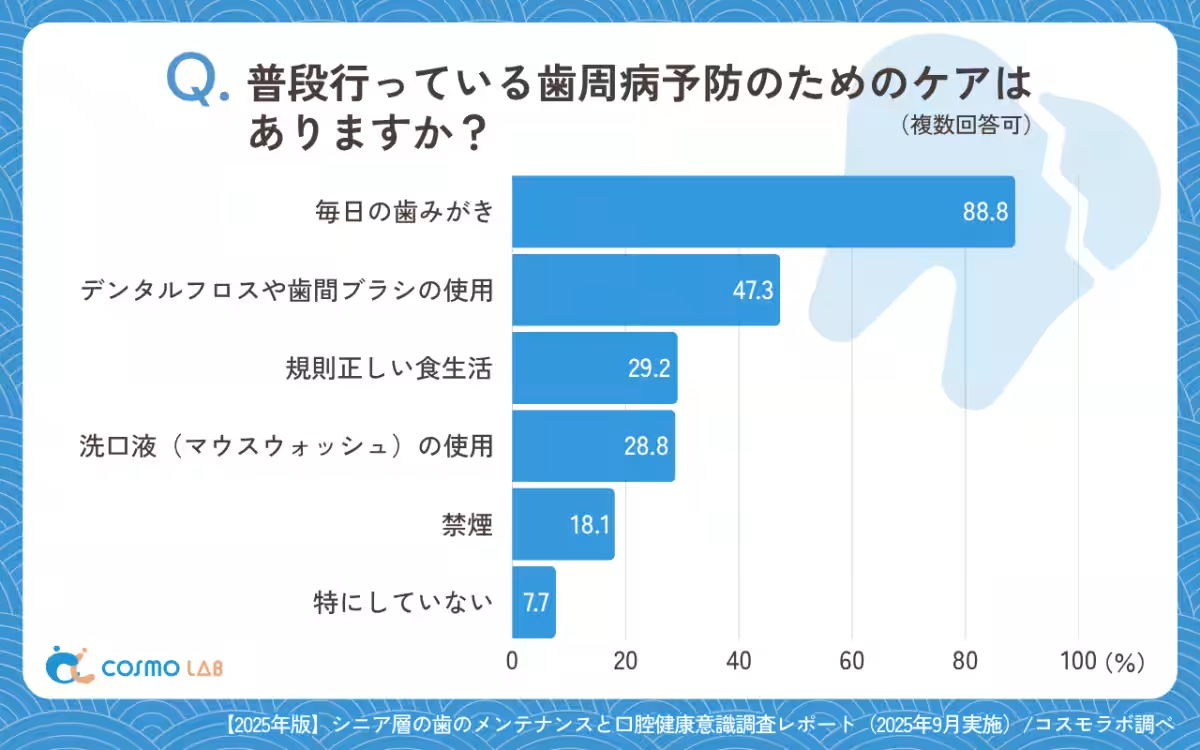
4. Oral Hygiene Practices: Daily tooth brushing was a common practice, with 88.8% of seniors confirming they brush their teeth regularly. However, the use of adjunctive tools such as dental floss (47.3%) and mouthwash (28.8%) is still not widespread, indicating a potential area for educational outreach to raise awareness about comprehensive oral care.
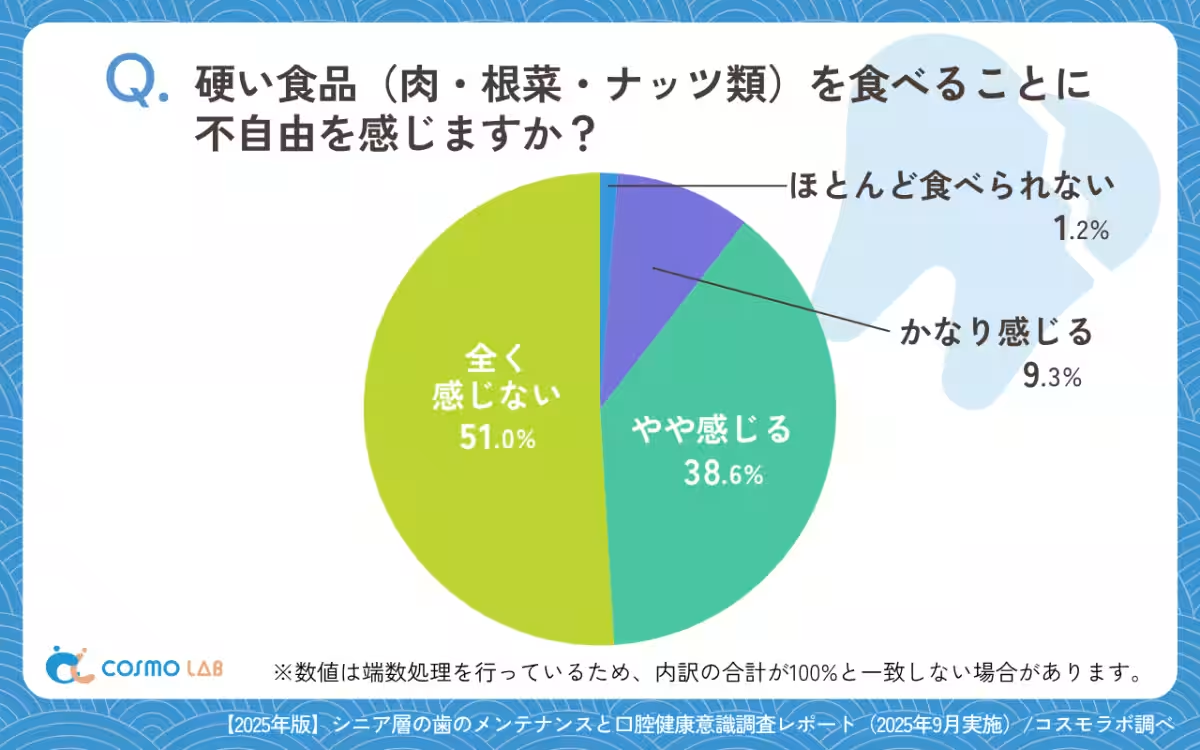
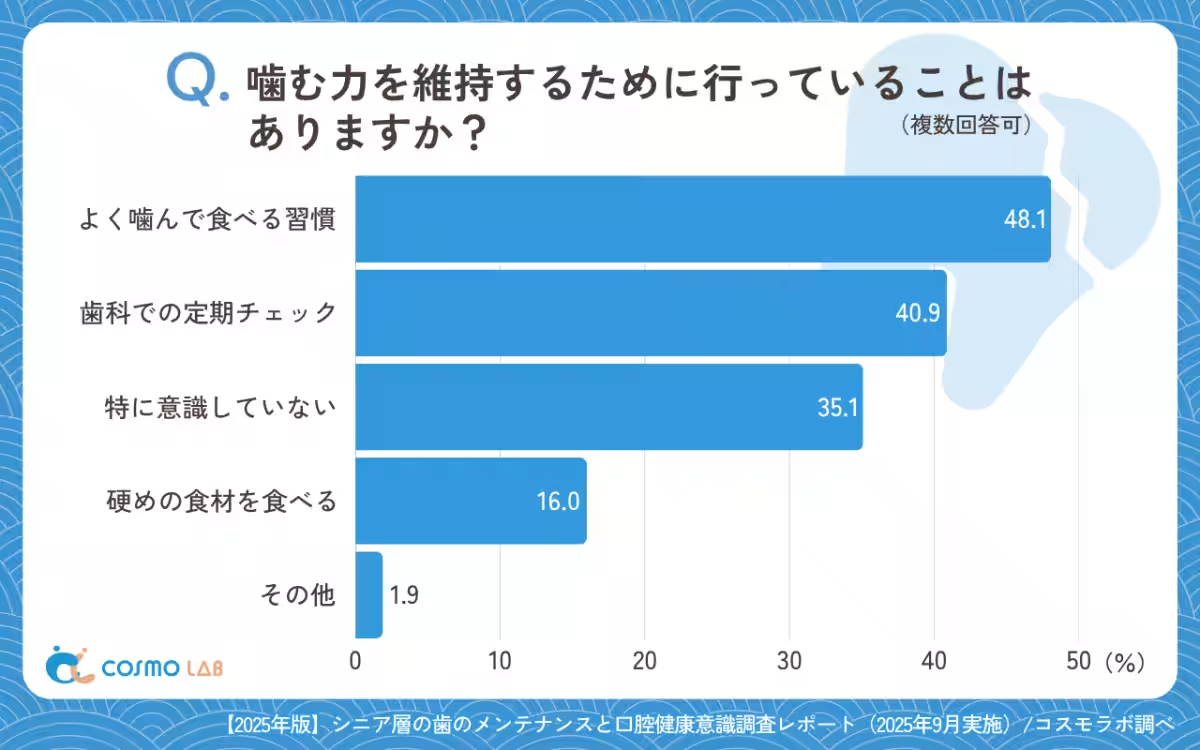
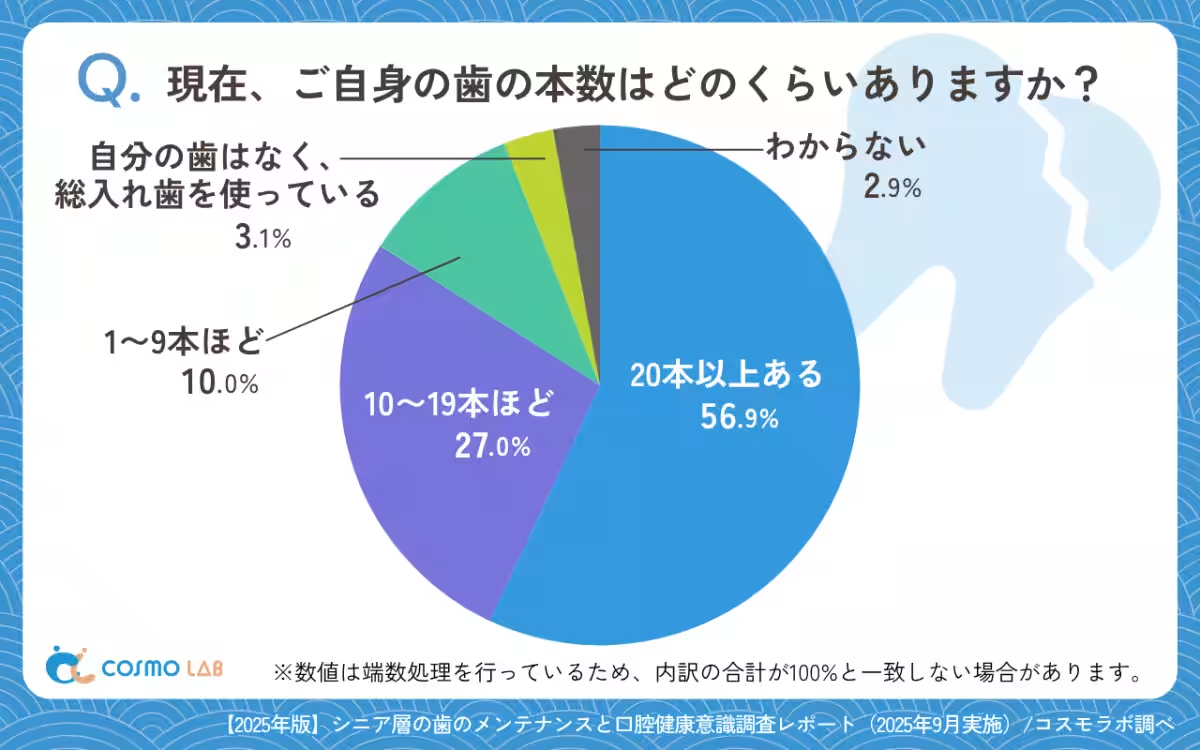
5. Chewing Ability: When asked about their ability to consume hard foods, over half (51.0%) expressed no issues, yet nearly half reported some difficulty. This suggests a decline in chewing function that could impact nutritional intake and quality of life. Health professionals should be vigilant about advising seniors on maintaining their chewing capabilities through dietary choices and dental care.
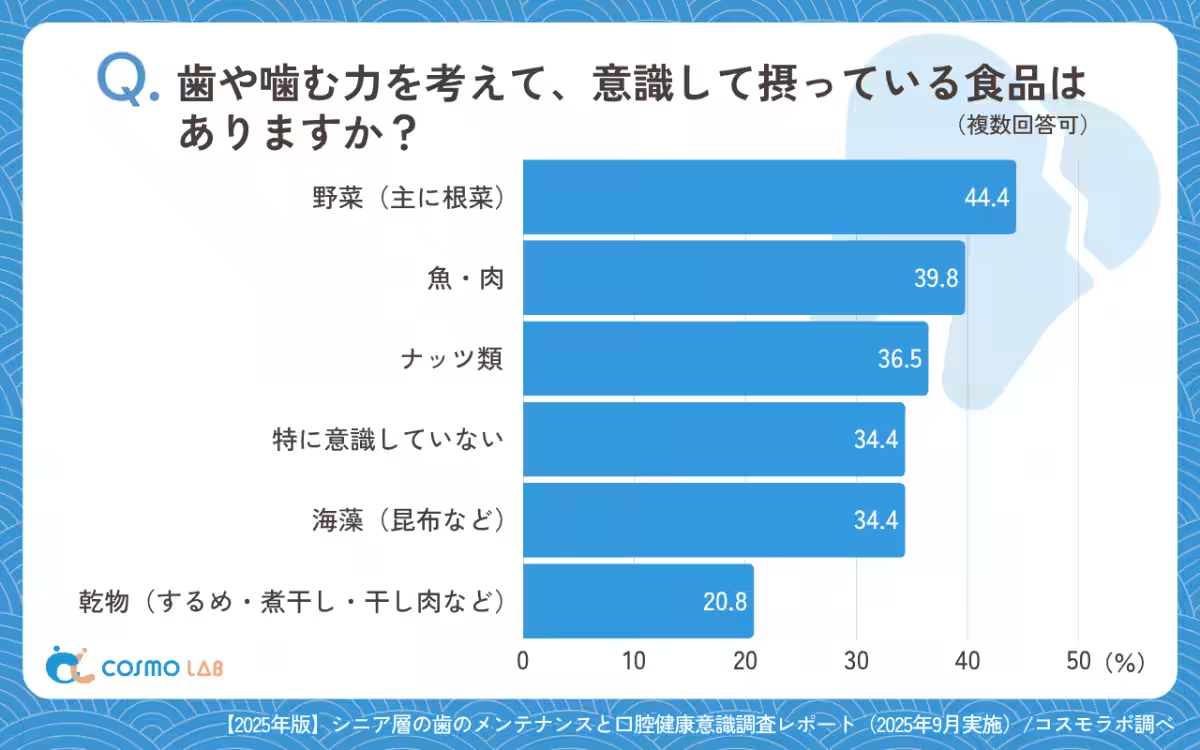
6. Food Choices for Better Oral Health: A significant number of respondents (44.4%) actively consume hard foods to maintain their oral health, while others reported little awareness of their dietary impact on dental well-being. Strengthening the connection between diet and oral health can play a pivotal role in improving overall health outcomes.
7. Dental Challenges and Solutions: Interestingly, while a majority of seniors reported good overall oral health, a significant percentage face challenges that require attention. As the report reveals, understanding these disparities can lead to improved community health strategies. Programs that address the needs for better access, education, and preventive care can make substantial improvements in senior oral health.
Conclusion
The survey conducted by CosmoLab highlights the complexity of oral health management among seniors, emphasizing the urgent need for targeted interventions. With over 40% of respondents experiencing dental health issues, and a notable portion underestimating the severity of their conditions, healthcare providers must prioritize engagement with this demographic. Fostering an environment of awareness, promoting regular dental visits, and encouraging comprehensive care practices are essential steps toward improving oral health outcomes for seniors.
Continued research on various aspects of senior health, including dental care, is crucial for developing informed healthcare strategies that accommodate the evolving needs of an aging population. By addressing these concerns, we can help ensure that seniors not only live longer but also enjoy a better quality of life.
Explore more insights from CosmoLab's research and improve your understanding of senior health dynamics. Check out our other reports on pressing topics related to the well-being of older adults.
Topics Health)
【About Using Articles】
You can freely use the title and article content by linking to the page where the article is posted.
※ Images cannot be used.
【About Links】
Links are free to use.