



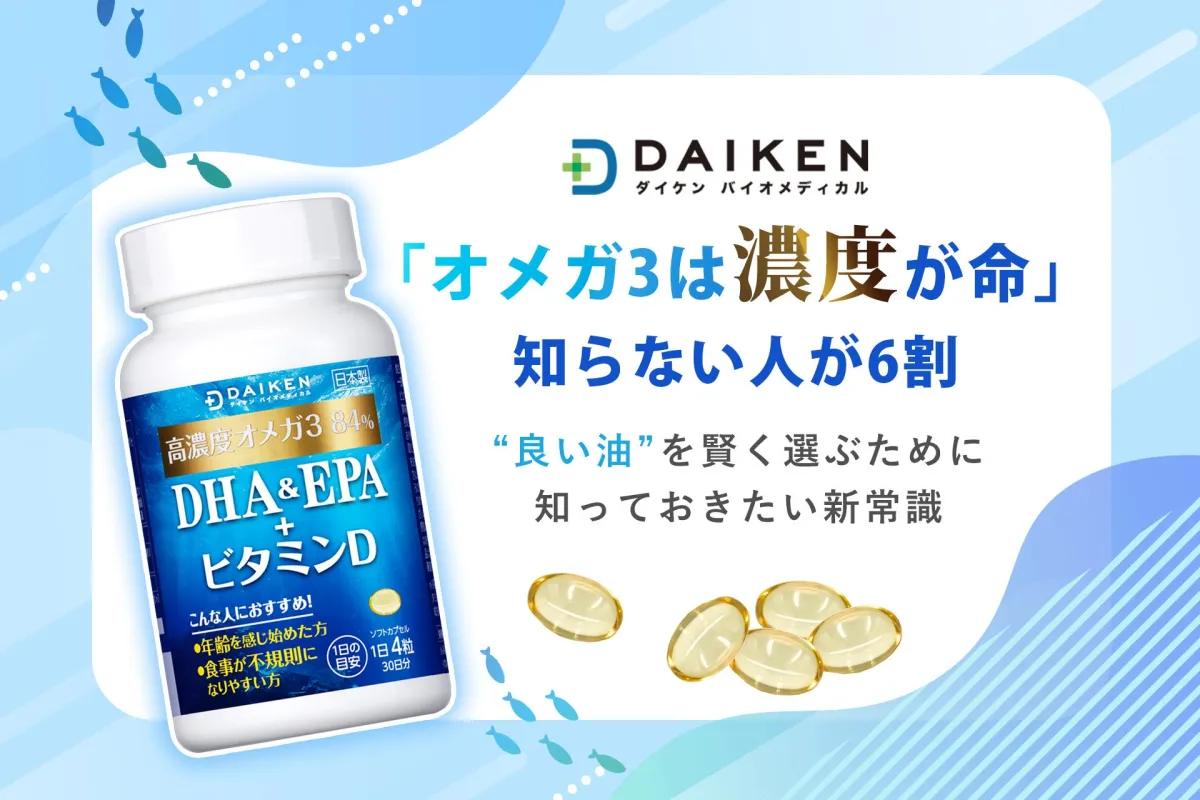
Understanding Omega-3: Why Concentration Matters in Choosing Healthy Oils
The Importance of Omega-3 Fatty Acids
In a world becoming increasingly aware of health, Omega-3 fatty acids have emerged as vital nutrients for maintaining well-being. However, a recent survey conducted by Daiken Biomedical, a Japanese health food company, revealed that despite awareness of Omega-3, only 40% of respondents understand how the concentration and purity of these oils affect their quality.
Survey Overview
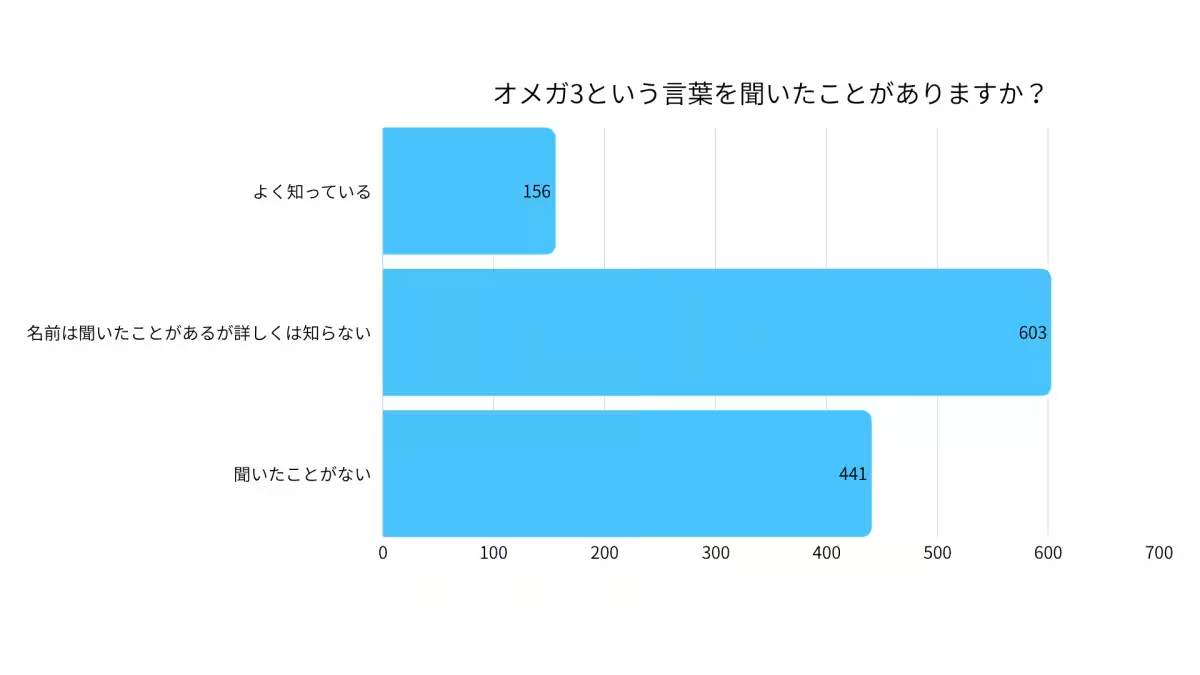
The survey, named the "Omega-3 Awareness Survey," was conducted in October 2025 and utilized internet responses from a representative sample of 1,200 adults aged 30 to 60. While 63.2% recognized the term Omega-3, over half admitted they were not well-informed about it. The disconnect between awareness and understanding raises concerns about consumer choices regarding healthful oils.
Recognized but Misunderstood
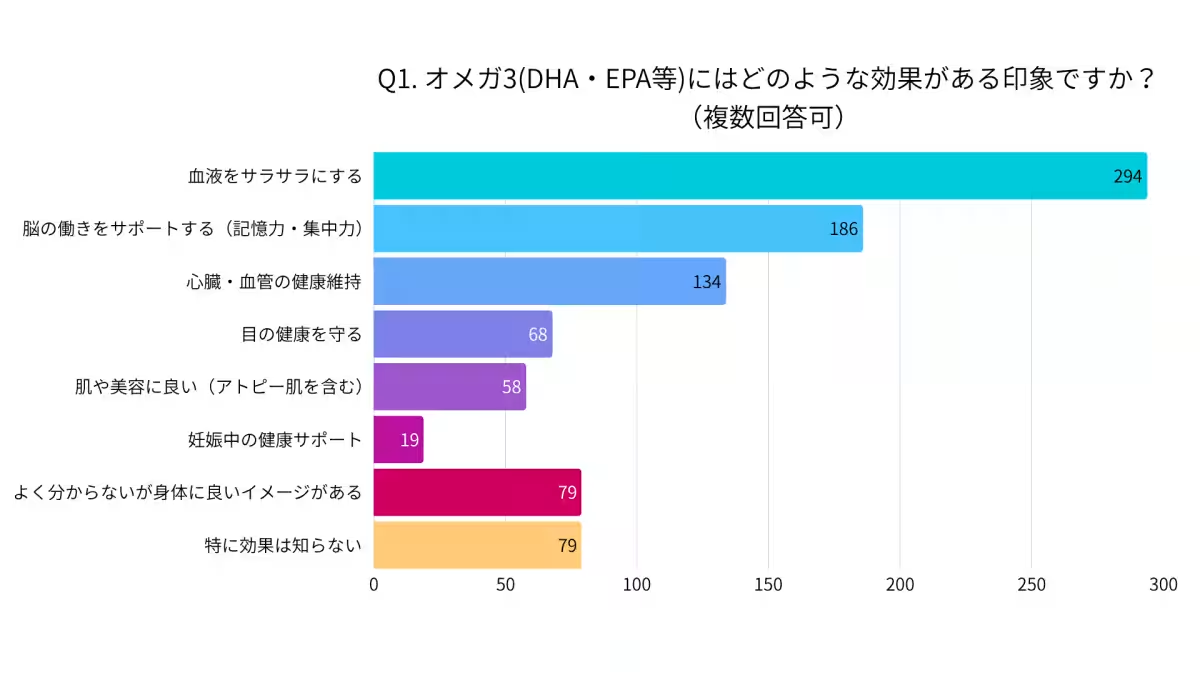
The initial survey found that while many are aware of Omega-3, their grasp of its properties and benefits remains superficial. A substantial portion of survey participants recognized Omega-3 as beneficial—over half reported they believe it helps maintain good health. However, a significant percentage also expressed uncertainty about its actual benefits. This suggests that while consumers acknowledge Omega-3's importance, they may base their purchasing decisions on labels and marketing, rather than informed choices.
Engaging But Not Acting on Omega-3
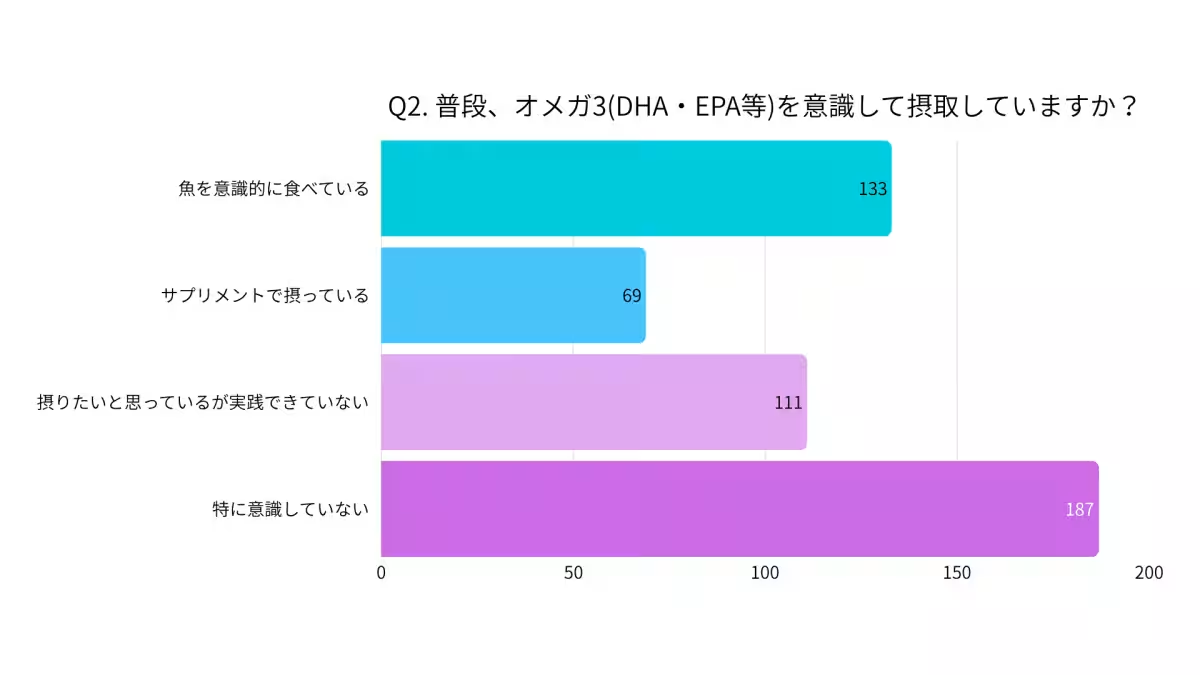
Despite understanding Omega-3's relevance, many individuals fail to incorporate it into their daily diet. Two-thirds of participants do not consciously include Omega-3-rich foods, like fatty fish, in their meals. With eating habits shifting towards more processed foods and less fish consumption, there is a noticeable gap between dietary awareness and actual healthy practices.
Concentration: The Hidden Key
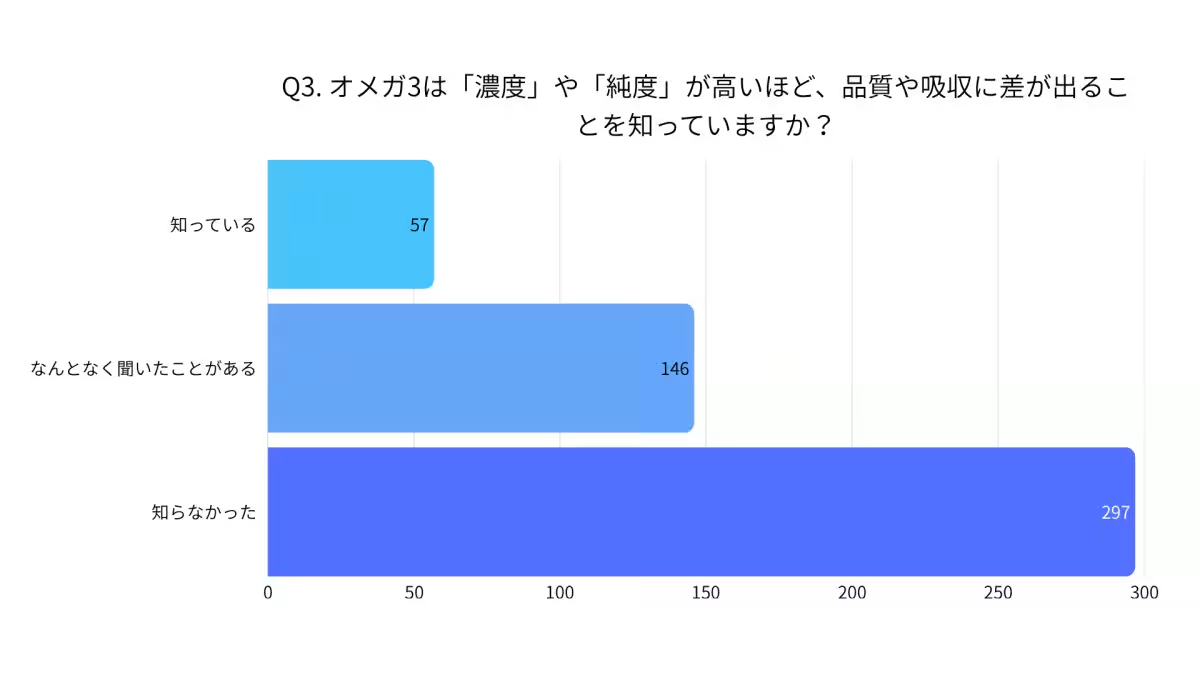
One of the most alarming findings is that nearly 60% of respondents do not recognize that the concentration and purity of Omega-3 oils influence their health benefits. Without this knowledge, consumers risk purchasing products that do not deliver the desired level of efficacy. Higher concentrations tend to yield better results; lower levels require higher consumption, which can lead to ingesting unnecessary fats and impurities.
For instance, when Omega-3 concentrations in a product are low, consumers may face:
- - The need for larger quantities to achieve similar effects.
- - Risks associated with consuming added unnecessary fats.
- - Increased vulnerability to oxidation and impurities affecting the oil's quality.
In contrast, high-concentration Omega-3 products allow for effective intake with smaller portions, reduce the presence of undesirable fats, and promote better utilization by the body.
Daiken Biomedical's Commitment to Quality
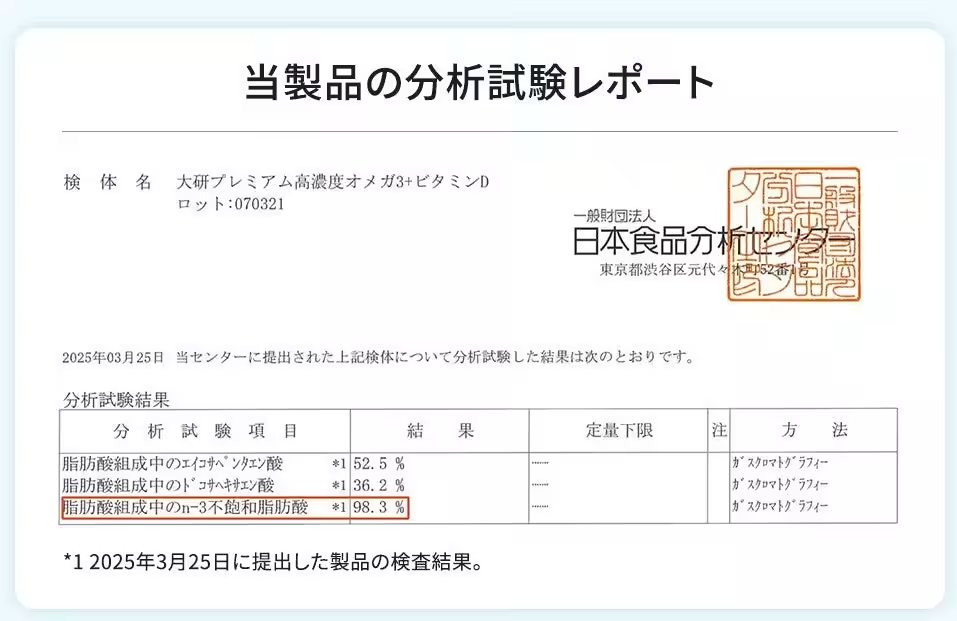
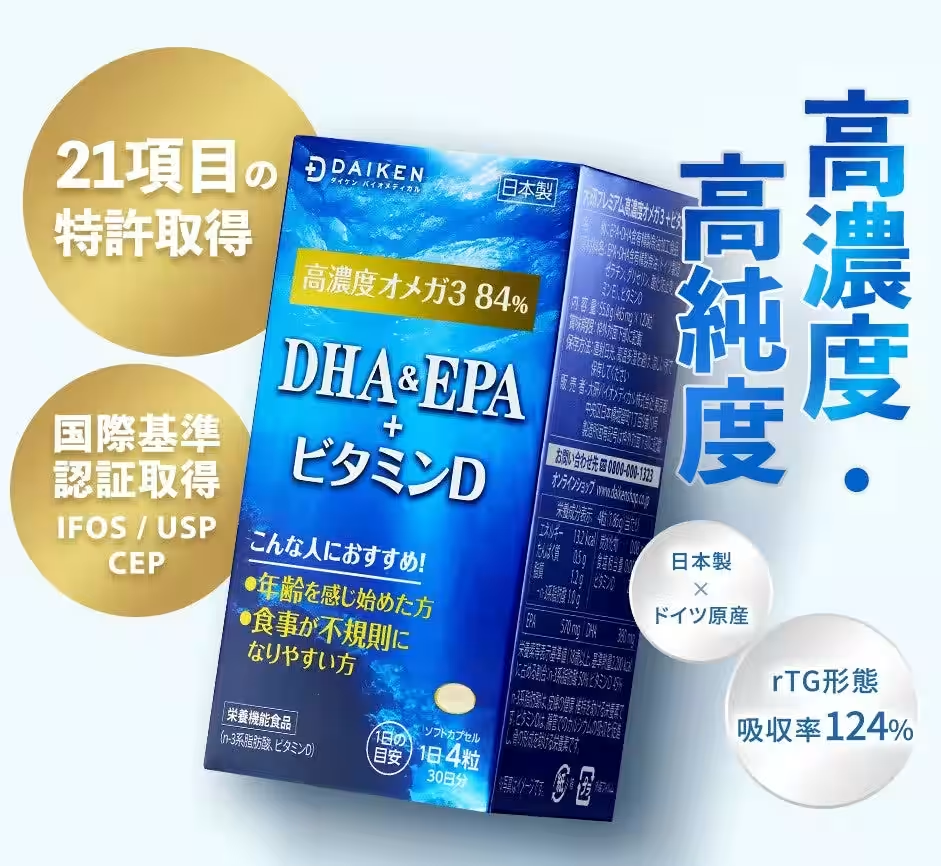
Recognizing the importance of concentration, Daiken Biomedical has developed DHA & EPA + Vitamin D, boasting an impressive Omega-3 concentration of 98.3%. This product is designed to fit seamlessly into daily routines, making it easier for consumers to access the health benefits of Omega-3 without hassle.
Our aim is to balance high quality with ease of consumption, ensuring our customers receive the best of what Omega-3 offers in a convenient format.
Product Details
- - Product Name: DHA & EPA + Vitamin D
- - Available at: Official website, Amazon, Rakuten
- - Official Website
- - Amazon
- - Rakuten
For inquiries, please contact Daiken Biomedical Co., Ltd. at [email protected]. More information can be found on our website.
Conclusion
As awareness of Omega-3 fatty acids continues to grow, understanding the nuances of oil quality, particularly its concentration, becomes paramount. Consumers should educate themselves on these aspects to make informed decisions that support their health goals. Omega-3's benefits extend beyond recognition—it’s time to delve deeper into what these healthy oils can truly offer.
Topics Health)
【About Using Articles】
You can freely use the title and article content by linking to the page where the article is posted.
※ Images cannot be used.
【About Links】
Links are free to use.