



Exploring the Future of Telehealth: Insights from the First Meeting of the AHMC
Exploring the Future of Telehealth: Insights from the First Meeting of the AHMC
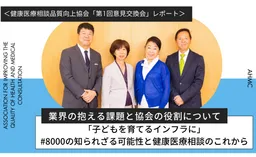
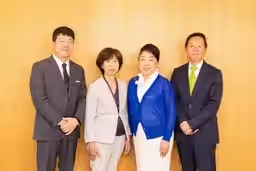
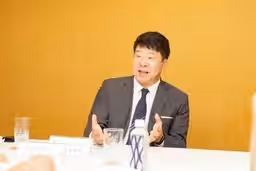
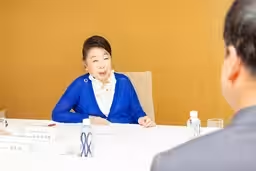
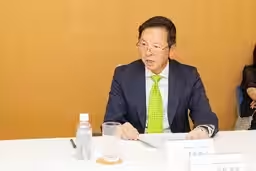
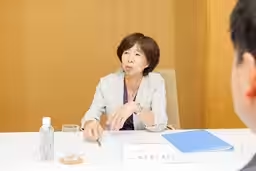
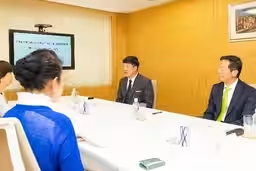
In recent developments in the healthcare sector, the AHMC (Association for the Improvement of Health Consultation Quality) convened its first opinion exchange meeting on May 29, 2025, at the headquarters of Tipec Inc., located in Taito, Tokyo. The meeting was led by Kiichiro Mouseke, President of Tipec, who emphasized the association's mission to enhance the quality of telehealth services, particularly in pediatric emergency care. The meeting gathered pivotal figures in the health consultation domain, including Dr. Seiko Fukui, who is associated with the #8000 pediatric emergency medical support network, alongside two other core members from the association.
Background and Purpose of the AHMC
The AHMC was established in March of the previous year with the aim of promoting the use of remote health consultations and ensuring their quality. At the beginning of the meeting, the three directors reflected on the journey and purpose of the organization over the past year. Mouseke expressed critical concerns regarding the increasing prevalence of price competition in public services such as #8000, stating that the societal perception of the necessity and value of health consultations was often underestimated.
He noted the rising risk of reputational damage associated with declining service quality in a growing industry, which prompted him to propose the establishment of the AHMC alongside his colleagues, Yuki Ikano and Shunichi Higashijima. After about a year since its inception, the organization boasts five member companies, with the AHMC reportedly overseeing about 70% of the private sector's involvement in the #8000 initiative.
Ikano, who has been supporting the health and well-being of mothers and children through her company for 55 years, shared her experiences of working in the health consultation field. She reflected on the changing societal landscape and expressed her commitment to creating a supportive framework for parenting that addresses the exhaustion many new parents face today.
Higashijima echoed these sentiments, highlighting the crucial role that health consultations play in effective triage and resource allocation in pediatric care. He expressed concern over the quality variations across the industry and emphasized the significance of the AHMC's formation in striving for collective quality improvement.
Current Challenges in Child Medical Care: Insights from Dr. Seiko Fukui
Dr. Fukui provided valuable insights regarding the current challenges faced in pediatric medical care. She noted that one of the primary issues is the lack of support available for mothers of infants, exacerbated by the isolation many young families experience. With fewer mothers gaining exposure to childcare and illness management, there is an increasing demand for accessible health consultations when young children's health deteriorates.
Moreover, while advancements in preventive care have led to fewer children requiring hospitalization, budget constraints have resulted in reduced pediatric bed availability due to healthcare restructuring. As a consequence, issues surrounding supply and demand for pediatric services are becoming more pronounced in some areas.
In light of these trends, Dr. Fukui emphasized that the #8000 initiative needs to evolve into a solid system to properly nurture children and support their families within the current context of declining birthrates.
The Role of #8000 in Facilitating Appropriate Healthcare Access
Fukui's perspective on the #8000 service was primarily positive, viewing it as a vital channel for alleviating parental anxiety and streamlining proper healthcare utilization. She pointed out that, despite skepticism regarding its implementation across different regions, the service has proven indispensable for many parents and pediatricians alike, providing crucial assurance and support for children’s health management.
Dr. Fukui elaborated on the effectiveness of carefully listening to parents and observing children to ensure appropriate consultations; this approach resonates deeply within the medical community, which recognizes the growing need for well-being initiatives in light of reduced hospitalization rates for children.
Future Expectations and the Path Ahead for the AHMC
The exchange of ideas among the meeting participants touched on the future vision of the AHMC and the expectations held by healthcare professionals. With the aim of improving consultation quality, the association is actively working towards developing initial training and certification programs for member organizations.
Fukui shared her hope that the AHMC can rectify some of the communication barriers existing within the healthcare sector to foster better collaboration among medical professionals. Similarly, the AHMC representatives expressed a collaborative spirit, emphasizing their commitment to advocating for healthcare quality and increasing awareness of the essential work of health consultations.
Through initiatives that support ongoing training and community collaboration, the AHMC aims to strengthen the infrastructure needed to address the evolving needs of society's health and wellness, paving the way for a robust and effective telehealth network in Japan. As the meeting concluded, a renewed sense of anticipation flooded the room, reflecting the collective ambition to enhance the future of health consultations and ensure better outcomes for families.
For further information, please visit:
Tipec, a pioneer in 24/7 health consultation services since 1989, has established a reputation for addressing social challenges in health and medical sectors, demonstrating its commitment to improving support for families and children.

Topics Health)
【About Using Articles】
You can freely use the title and article content by linking to the page where the article is posted.
※ Images cannot be used.
【About Links】
Links are free to use.