



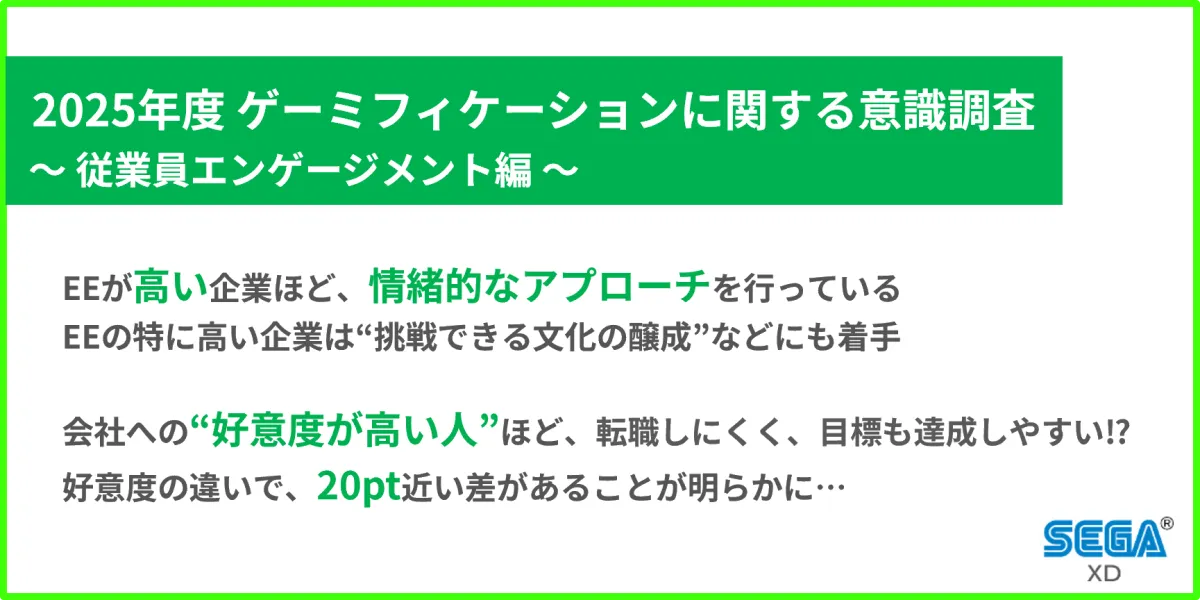
Exploring the Impact of Emotional Value on Employee Engagement and Performance
The Relationship Between Emotional Value and Employee Engagement
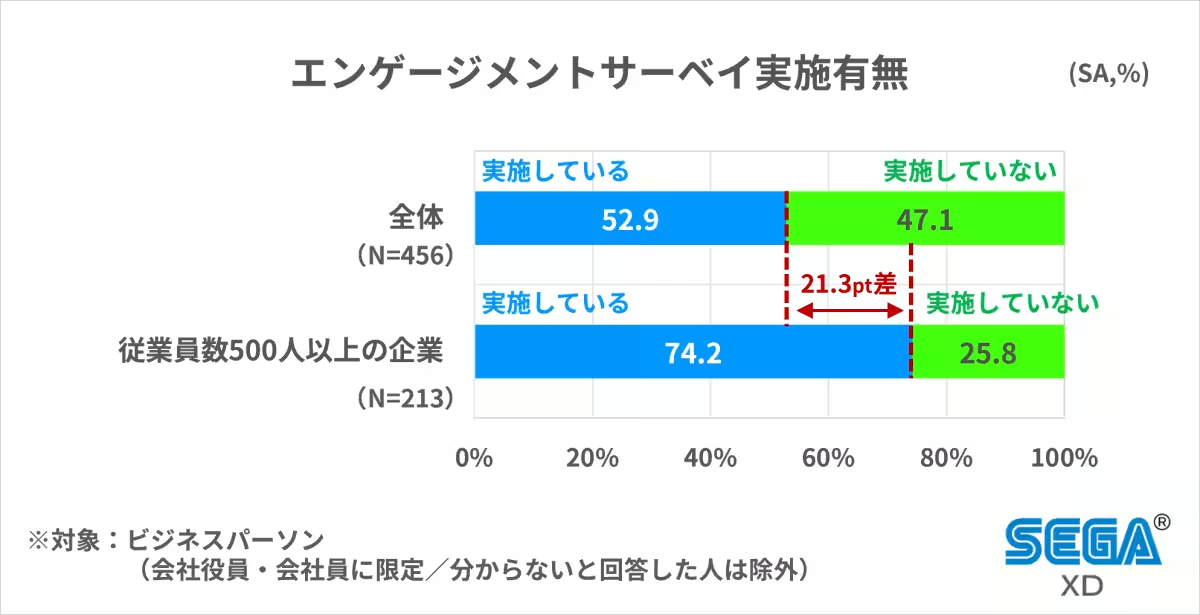
In a rapidly changing work environment, employee engagement (EE) has emerged as a crucial focus for companies worldwide. A recent study conducted by Sega XD, a company specializing in gamification, aims to explore the link between emotional value and employee engagement among business professionals. This survey, which targeted a diverse group of 1,000 individuals aged 20 to 50 across Japan, revealed some intriguing insights about how emotional connections to the workplace influence employee retention and performance.
Understanding Gamification
Before delving into the survey findings, it's essential to understand what gamification entails. At its core, gamification involves applying gaming principles and mechanics in non-gaming contexts to enhance user motivation and engagement. Although it has been widely recognized in educational and marketing fields, its potential in the business realm hasn't been thoroughly explored until recently. Sega XD's continuous commitment to researching this area has underlined how effectively gamification can enhance emotional value, an aspect often underestimated in traditional workplace assessments.
Key Findings from the Study
The survey aimed to investigate various aspects of employee engagement, particularly how favorability towards one’s company correlates with retention intentions and the attainment of personal career goals. Here’s a summary of the key results derived from this research:
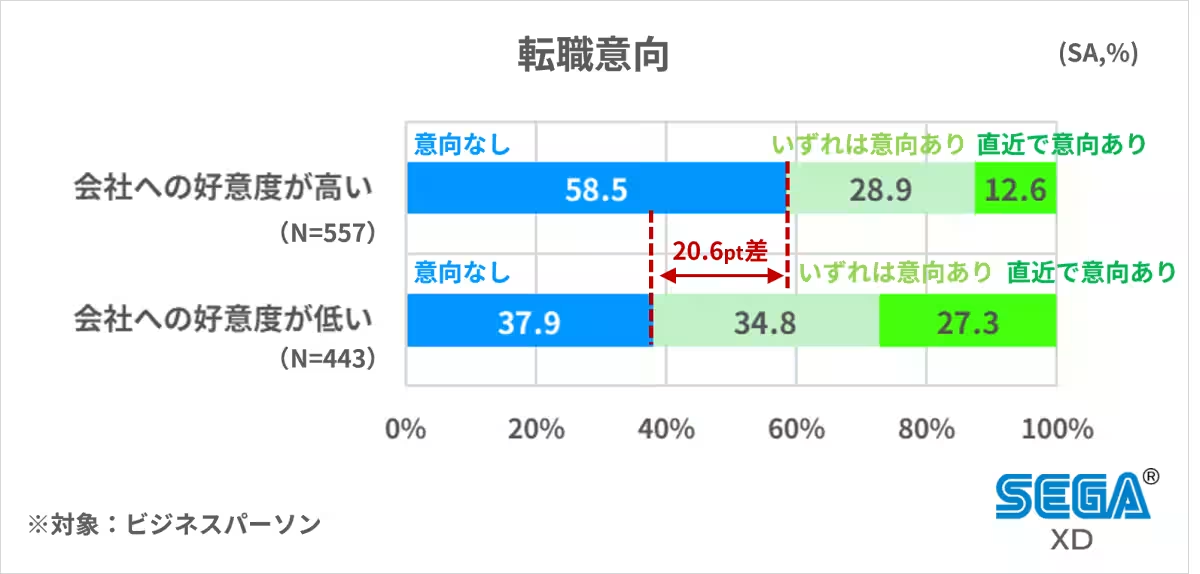
1. Positive Company Affinity and Reduced Turnover Intentions: The survey revealed that individuals who expressed a positive sentiment towards their company were significantly less likely to consider leaving. Among those with high levels of company affinity, 58.5% indicated no intention to switch jobs, compared to only 37.9% of those with negative sentiments. This stark contrast suggests that a strong emotional connection to one's workplace can play a vital role in improving employee retention.
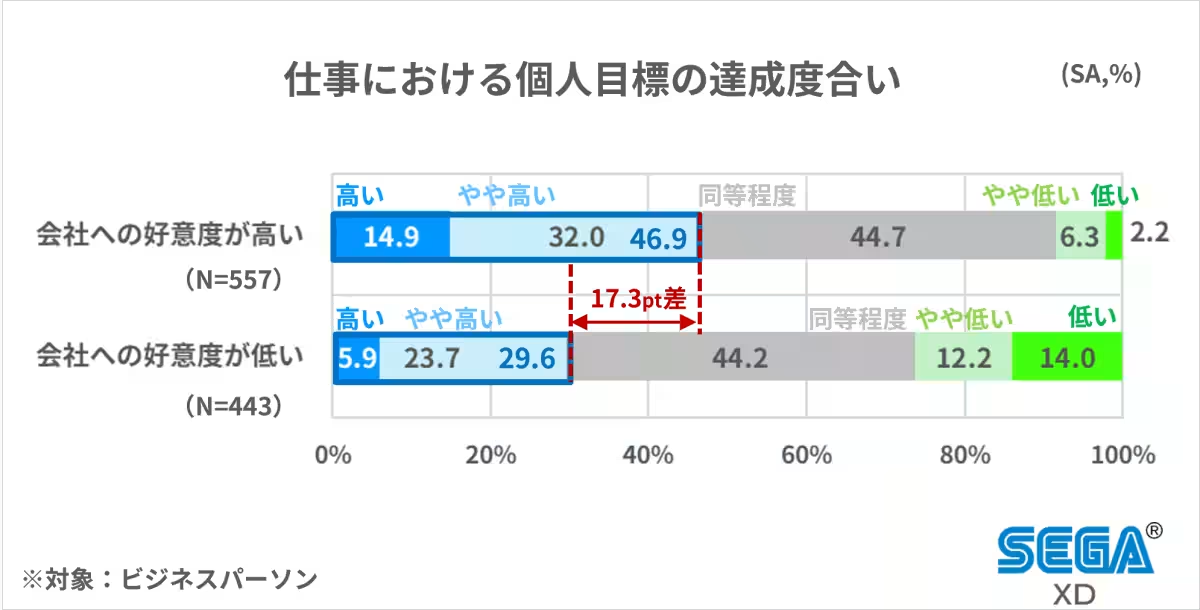
2. Personal Goals and Job Satisfaction: Furthermore, respondents who felt positively about their company reported higher levels of success in achieving their personal goals. Specifically, 46.9% of individuals with favorable company sentiment claimed high goal attainment, compared to 29.6% among those with lower affinity. This indicates that emotional satisfaction not only contributes to overall happiness at work but also enhances individual performance.
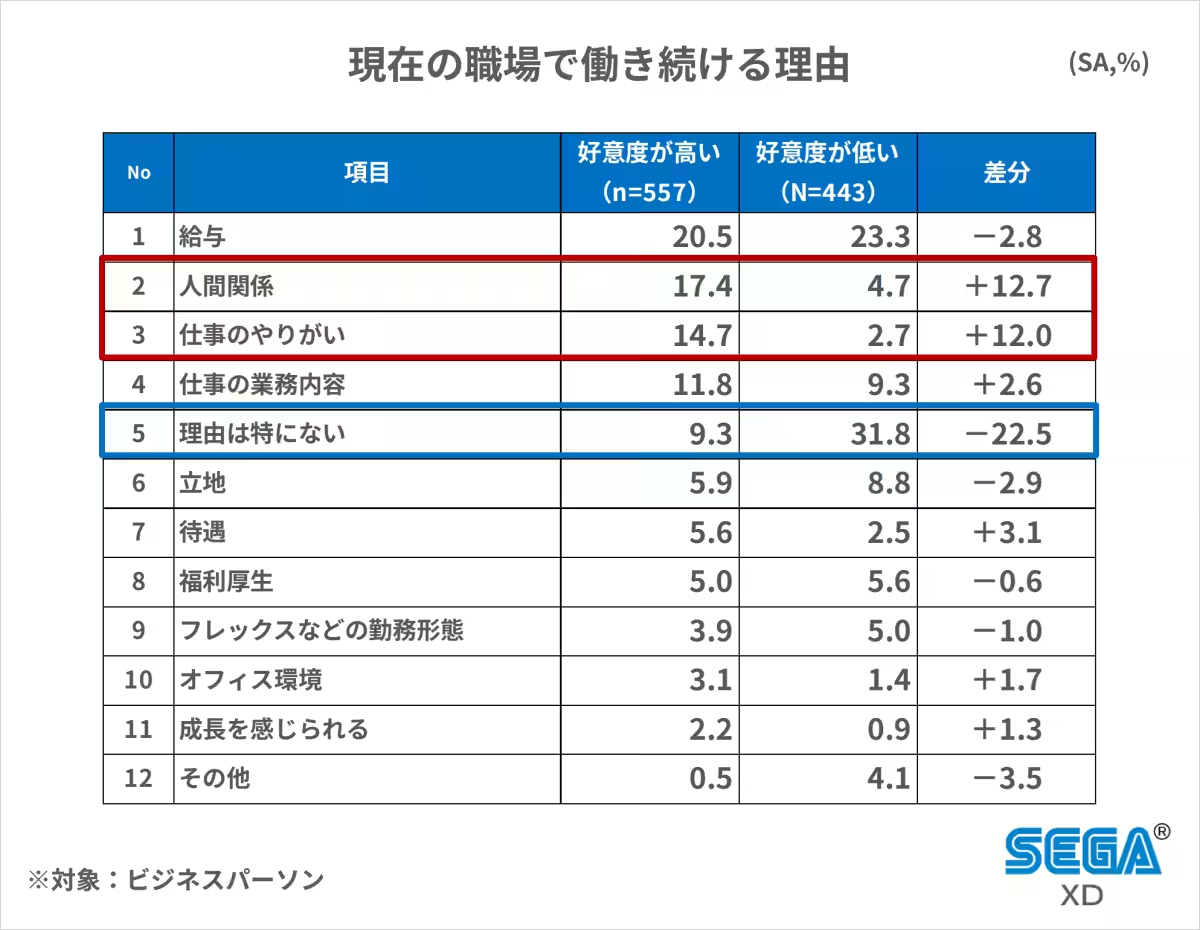
3. Emotional Resonance as a Retention Factor: A deeper analysis of what keeps employees engaged unearthed that those with strong company affinity placed considerable value on interpersonal relationships and overall job satisfaction. Approximately 17.4% of positively inclined employees cited good relationships as a key reason to stay, while only 4.7% of those with low affinity felt the same. This trend highlights the importance of emotional value in employee retention strategies.
Current Engagement Initiatives
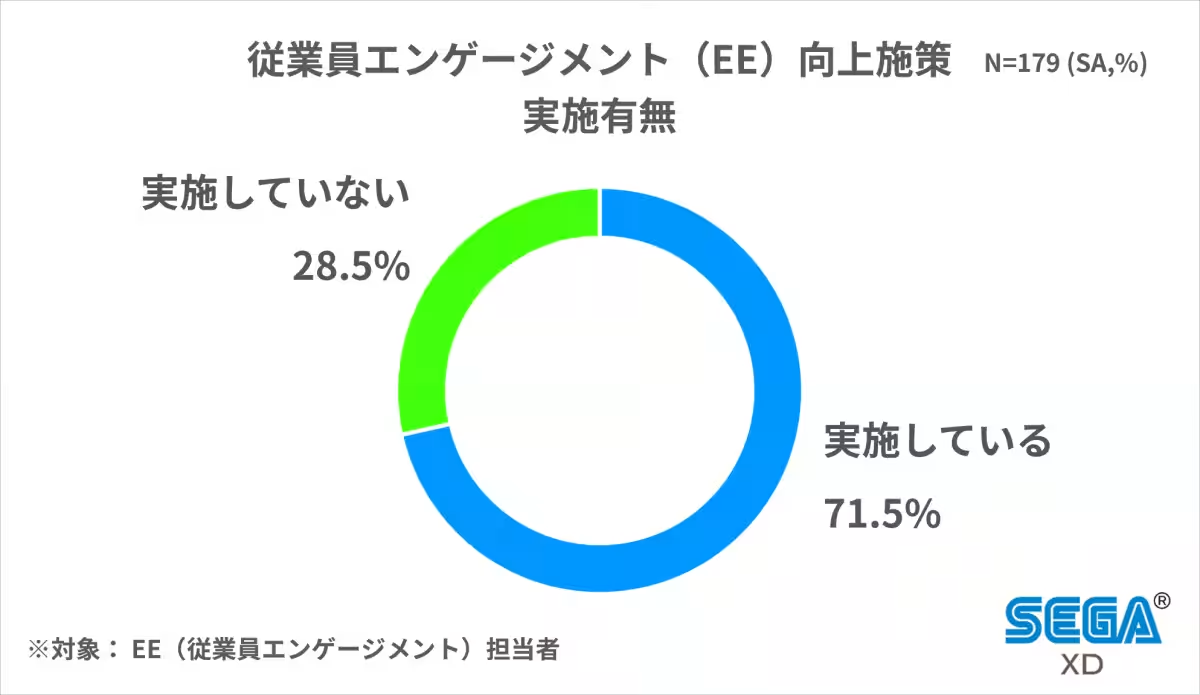
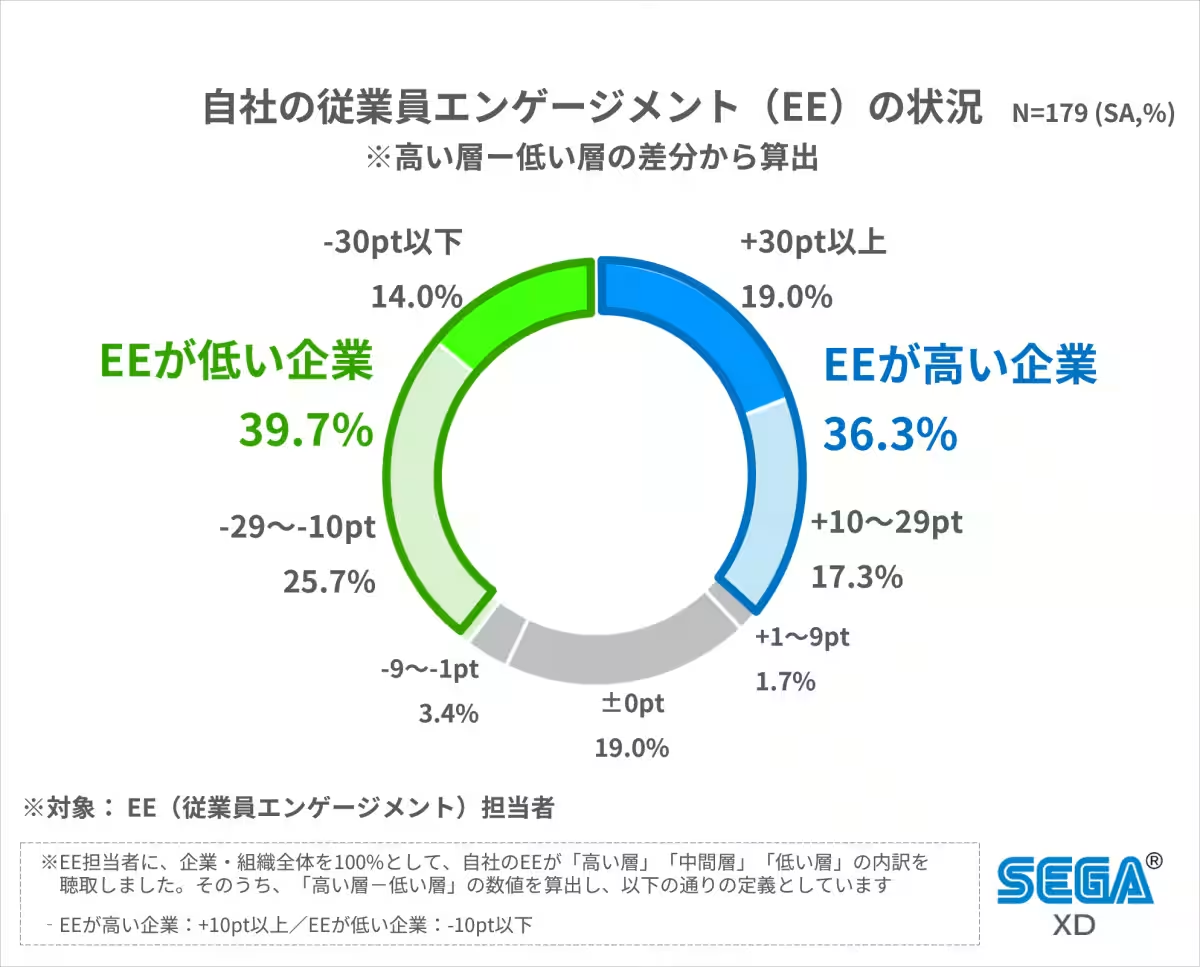
While the majority of companies (about 71.5%) have organized initiatives aimed at boosting employee engagement, the survey found that only 36.3% of the same companies believe they have a high level of engagement among their workforce. This discrepancy indicates that while many organizations recognize the importance of EE, fewer are successfully implementing effective strategies that lead to improved emotional investment from employees.
Effective Practices Among High EE Companies
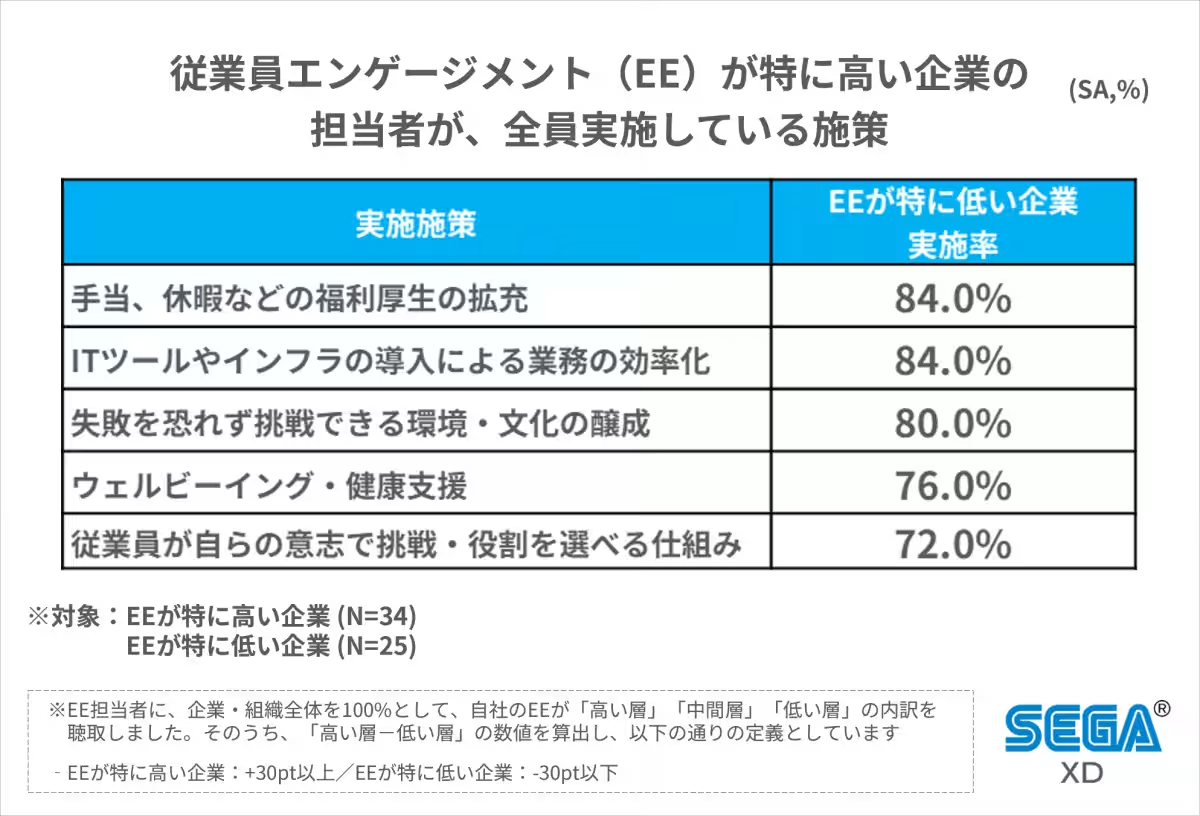
Interestingly, businesses that have earned the label of “high-EE companies” not only focus on functional aspects—such as benefits and infrastructure—but also cultivate a culture that encourages risk-taking and emotional engagement. For instance, initiatives that promote a sense of security while challenging employees to take on new responsibilities appear to be particularly effective at building a workforce that feels connected and valued.
Conclusion
Sega XD's research not only underscores the pivotal role of emotional value in fostering a healthy work environment but also highlights the need for companies to reevaluate their engagement strategies. As workplaces evolve, understanding the emotional needs of employees could be the key to driving performance and retention, ultimately leading to a more robust and engaged workforce.
In summary, businesses looking to thrive in the post-pandemic era must prioritize emotional value in their employee engagement strategies. By doing so, they can enhance job satisfaction, reduce turnover, and achieve higher overall performance.
Topics People & Culture)


【About Using Articles】
You can freely use the title and article content by linking to the page where the article is posted.
※ Images cannot be used.
【About Links】
Links are free to use.