



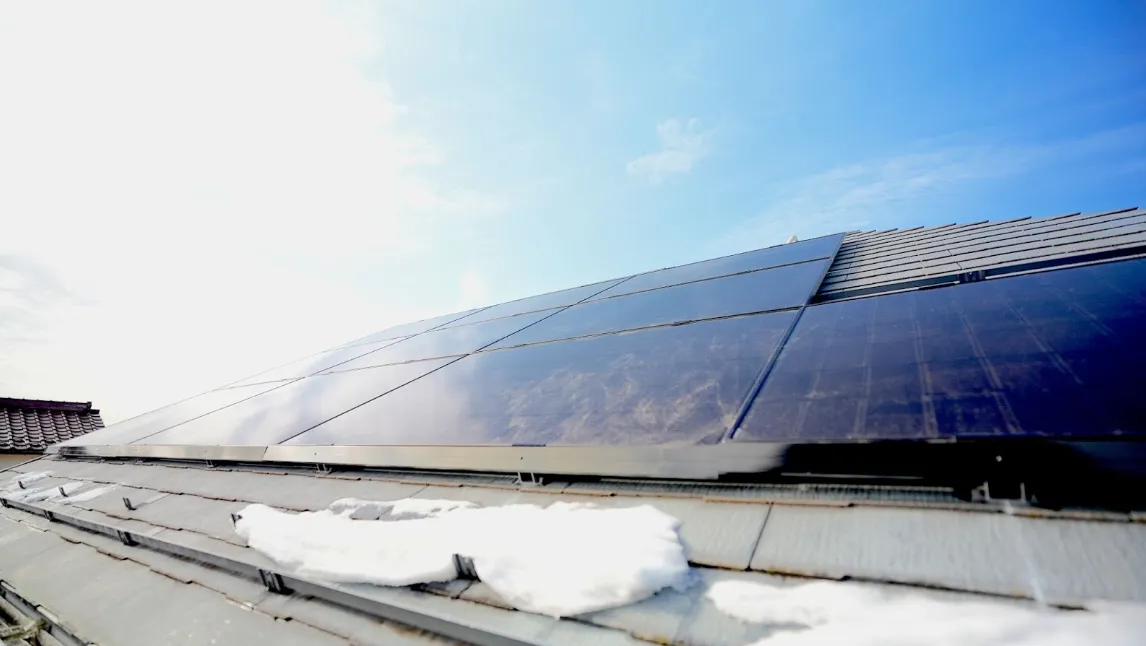
Creating Homes That Can Withstand Power Outages: Eneco's Initiative in Tokyo
Creating Homes That Can Withstand Power Outages
In light of the recent enhancement of the renewable energy subsidy program in Tokyo, Eneco, a company based in Shibuya, Tokyo, has announced the strengthening of its support system for solar power and battery installations. With the Tokyo government expanding its renewable energy-related budget from approximately 70.2 billion yen in the previous year to 101.2 billion yen for the fiscal year 2026, this marks a significant increase of nearly 43% compared to the previous year, setting a record high.
The Reality of Energy Consumption in Tokyo
According to official documents from the Tokyo government, it is noted that about 70% of CO₂ emissions in the city stem from buildings. There is also a growing trend in energy consumption within households. As projections indicate that around 70% of residential properties are expected to be newly built by 2050, transforming the energy structure of homes is essential for the larger urban transformation.
Tokyo's Energy Independence Challenge
Tokyo faces significant limitations due to its constrained space for power generation facilities and remains heavily reliant on external sources for energy supply. This dependency mirrors that of Japan as a whole, which relies on foreign resources for most of its energy needs. Thus, fluctuating fuel prices, currency rates, and international circumstances can lead to considerable variations in electricity costs. Unfortunately, electricity bills represent a structural cost that cannot be controlled solely through efforts from consumers or businesses.
Rising Electricity Costs
Over the last decade, electricity prices have surged dramatically. Once around 20 yen per kWh, the current rates have reached between 30 and 40 yen per kWh, and in some cases, rates have nearly doubled due to contract conditions. Notably, since 2022, prices have been rising sharply, indicating that rather than being a future concern, rising electricity costs are already a reality.
Shifting from Reduction to Avoidance
In this context, it is vital to reconsider the fundamental question of how to purchase electricity. Instead of focusing merely on how to cut expenses, we need to shift our perspective from “how much can we afford to pay” to “how can we reduce our exposure to these costs.”
Transition to Decentralized Energy
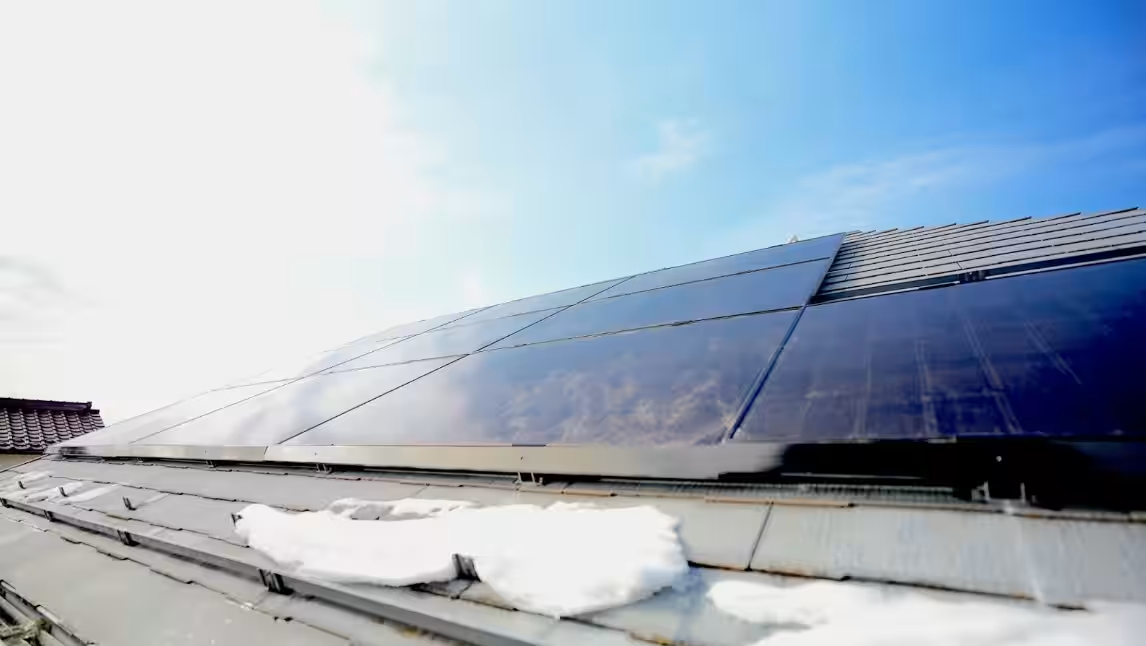
Current energy policies are transitioning from centralized systems that rely on large-scale power generation to decentralized systems where households can generate their own energy. Solar power and batteries are being highlighted as viable solutions to mitigate the risks associated with fluctuating power costs.
The Significance of the 101.2 Billion Yen Subsidy
The recent increase in subsidies is more than just a financial boost; it symbolizes a societal shift towards adoption. Enhanced communication regarding expansion eligibility, streamlined application processes, and improved information sharing will substantially decrease reasons for non-adoption. Consequently, we might witness increased applications and quicker budget consumption, leading to situations where the conditions can vary by hundreds of thousands of yen based on the timing of adoption.
Utilizing Subsidies Over 4.5 Million Yen
In fiscal year 2026, by combining subsidies from Tokyo, the national government, and local municipalities, individuals could potentially access more than 4.5 million yen in total subsidies depending on specific conditions. Bundling solar panels with high-capacity batteries (20-30 kWh class) tends to maximize subsidy eligibility.
The Argument for Larger Capacity Batteries
The current subsidy system increases grant amounts in accordance with battery capacity, meaning that higher capacity systems reduce the overall effective cost for homeowners. This makes larger battery systems increasingly sensible compared to smaller ones.
The Viability of Staying Home During Emergencies
With the increasing risks of large-scale power outages in the metropolitan area, combined with the challenges of insufficient evacuation shelters, aging populations, and accommodating pets, the concept of “home refuge” is becoming a practical alternative. Solar power and storage batteries play crucial roles in transforming homes into resilient infrastructures capable of sustaining functions during emergencies.
Eneco's Role in This Transition
Despite advancements in regulatory frameworks, some prospective customers remain hesitant due to factors such as complexity, timing, and fear of loss. At the core of the issue lies not merely a lack of understanding but rather the challenges associated with decision-making.
Eneco offers services to assist in decision-making, including guarantee compensation for subsidy differences, free application support, an initial cost-effective model, and advance preparation systems for applications. The message from the Tokyo government is clear: this is not just a decision about whether to adopt systems, but rather a transition toward a society where adoption is the norm. Will your home cease to function the moment a blackout occurs?
For inquiries related to applications and free simulations, visit our official website or connect via our social media channels:
About Eneco
Eneco is committed to promoting local energy production and consumption, specializing in solar panels, batteries, and smart home devices. Our team, composed of highly skilled professionals, tailors the best energy solutions to suit the individual lifestyles of our customers.
Topics Energy)
【About Using Articles】
You can freely use the title and article content by linking to the page where the article is posted.
※ Images cannot be used.
【About Links】
Links are free to use.