



Okayama University's Initiative to Improve Executive Appointment Methods
Overview of Recent Changes in Executive Appointment Methods
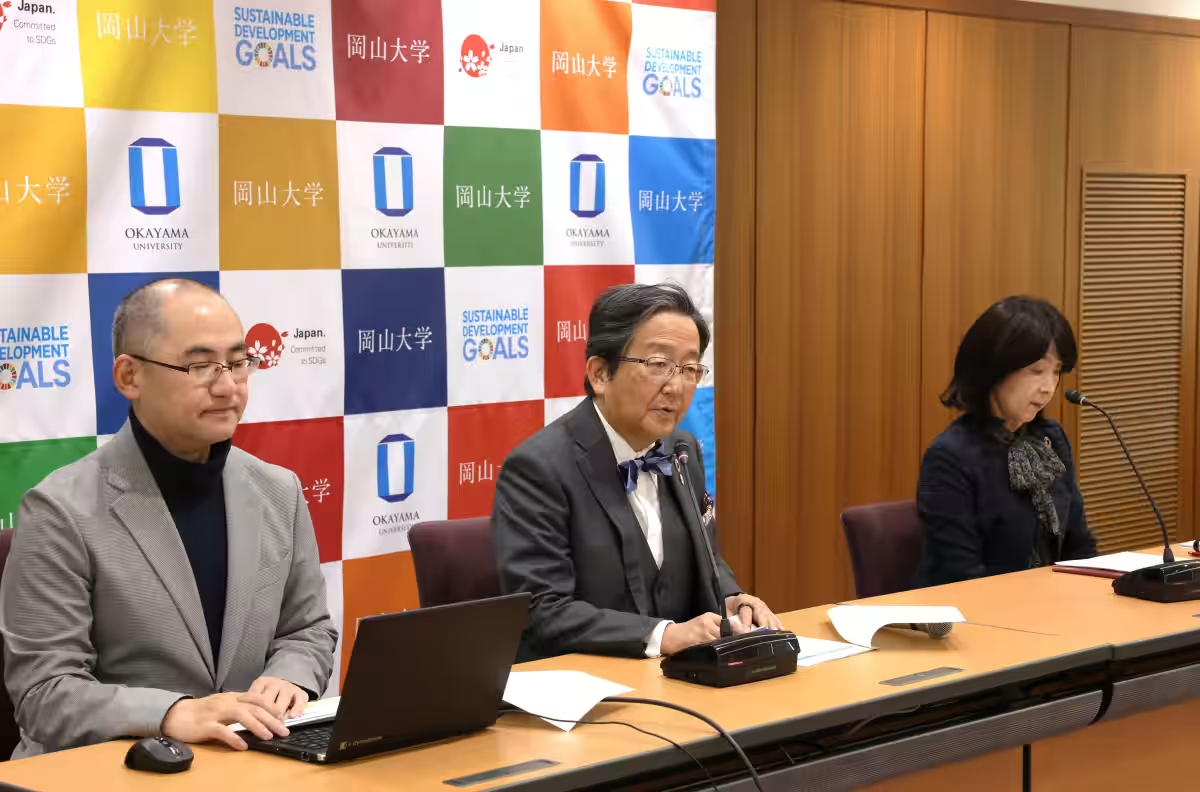
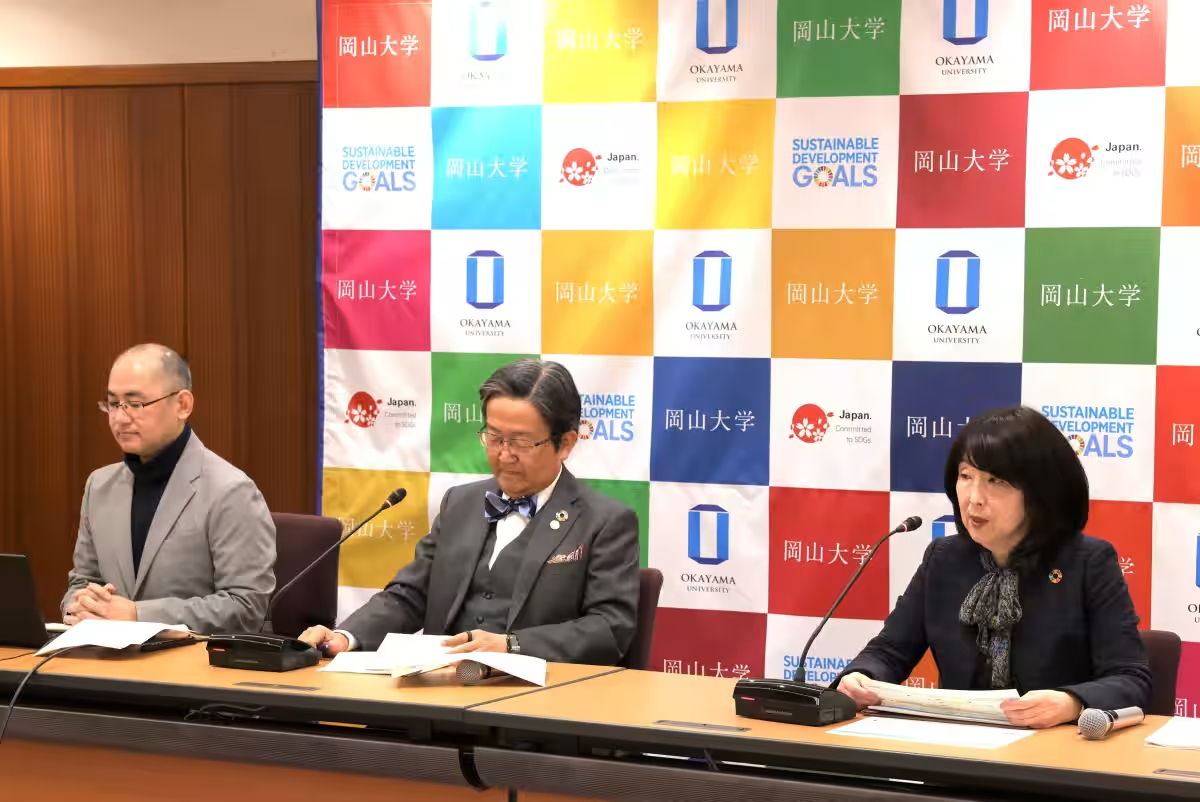
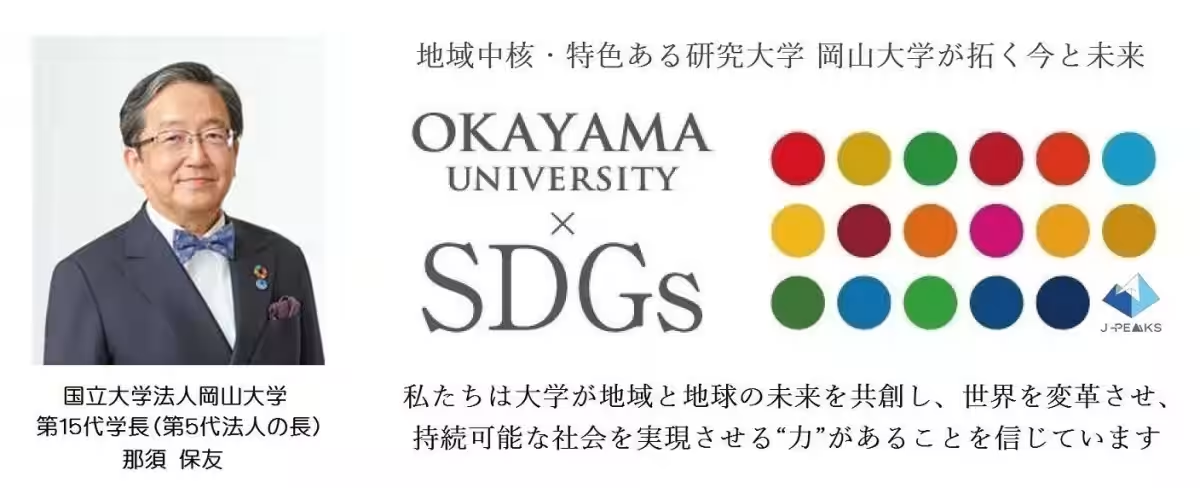
On February 25, 2026, Okayama University (President: Yoshitomo Nasui) announced significant changes regarding its executive appointment processes during a regular press conference. This initiative is part of an ongoing strategy that began in April 2025, focusing on establishing clear human resource policies within the national university corporation.
Historical Context and Need for Change
Since becoming a corporation in 2004, national universities like Okayama University have shifted from traditional educational operations to a more business-oriented management approach, leading to a need for enhanced professional governance. The university recognizes that while faculty members excel in education and research, they often lack the expertise required for effective management. This recognition prompted a critical evaluation of how executives—specifically full-time directors—are chosen and what qualifications they should possess.
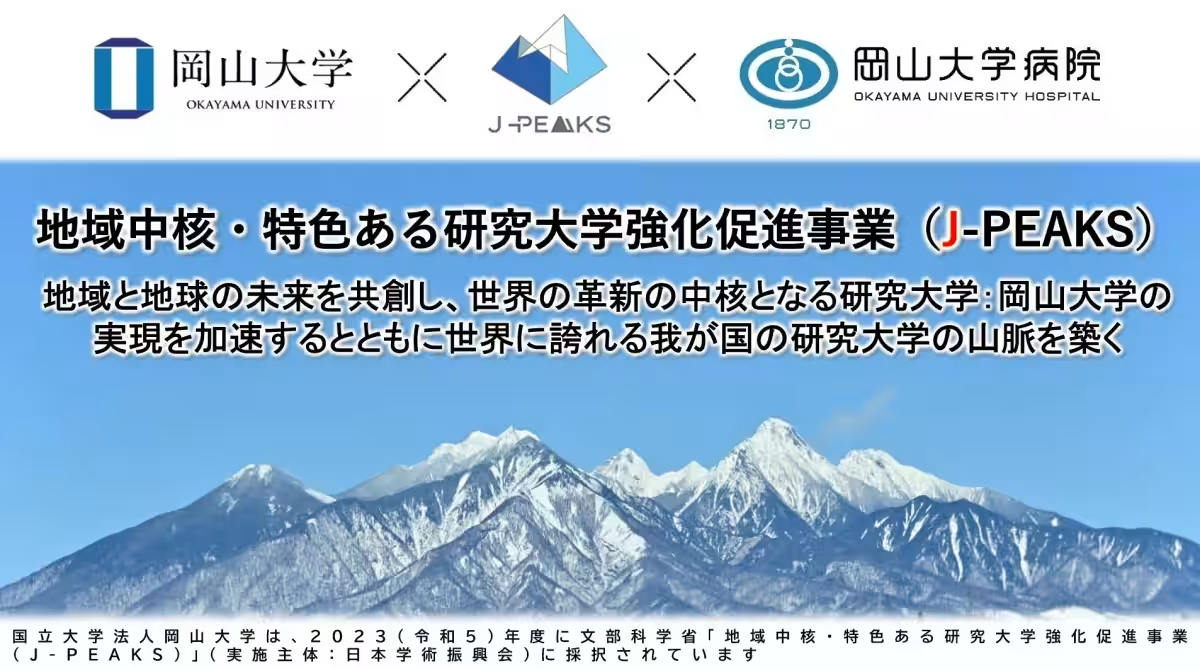
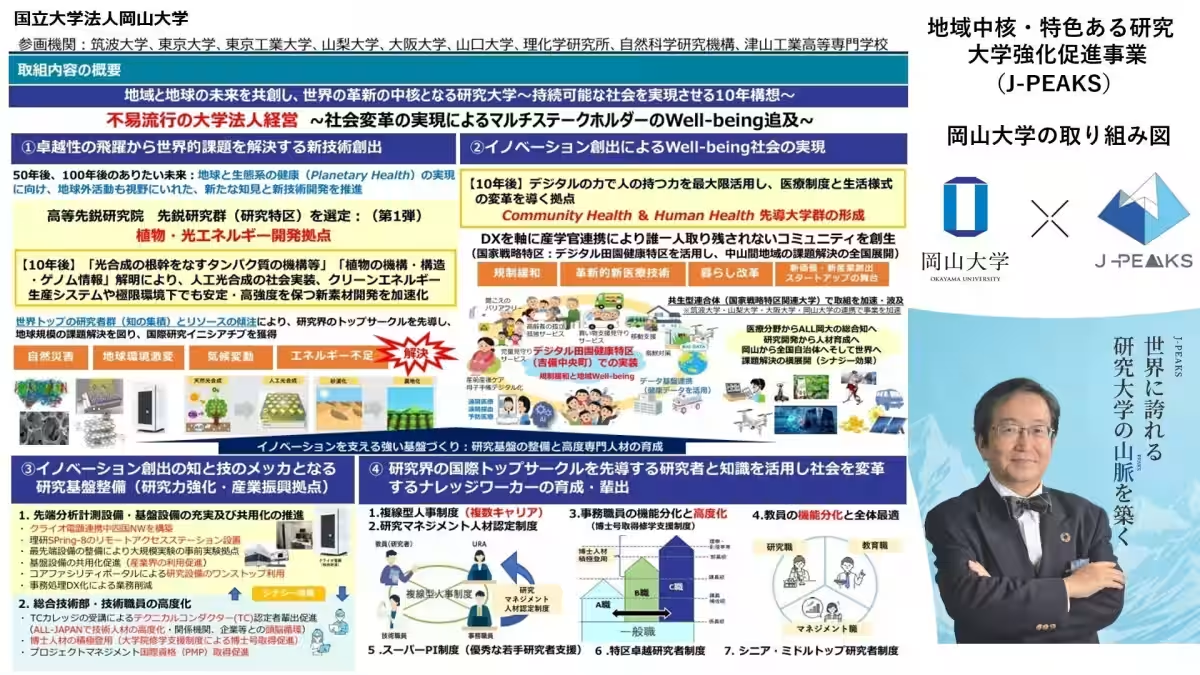
In a series of press announcements leading up to this point, the need to evaluate research performance and its implications for executive roles was emphasized. For instance, previously established quantitative standards tied to the Ministry of Education, Culture, Sports, Science and Technology's J-PEAKS program were deemed inadequate for the evolving landscape of educational governance.
New Selection Process
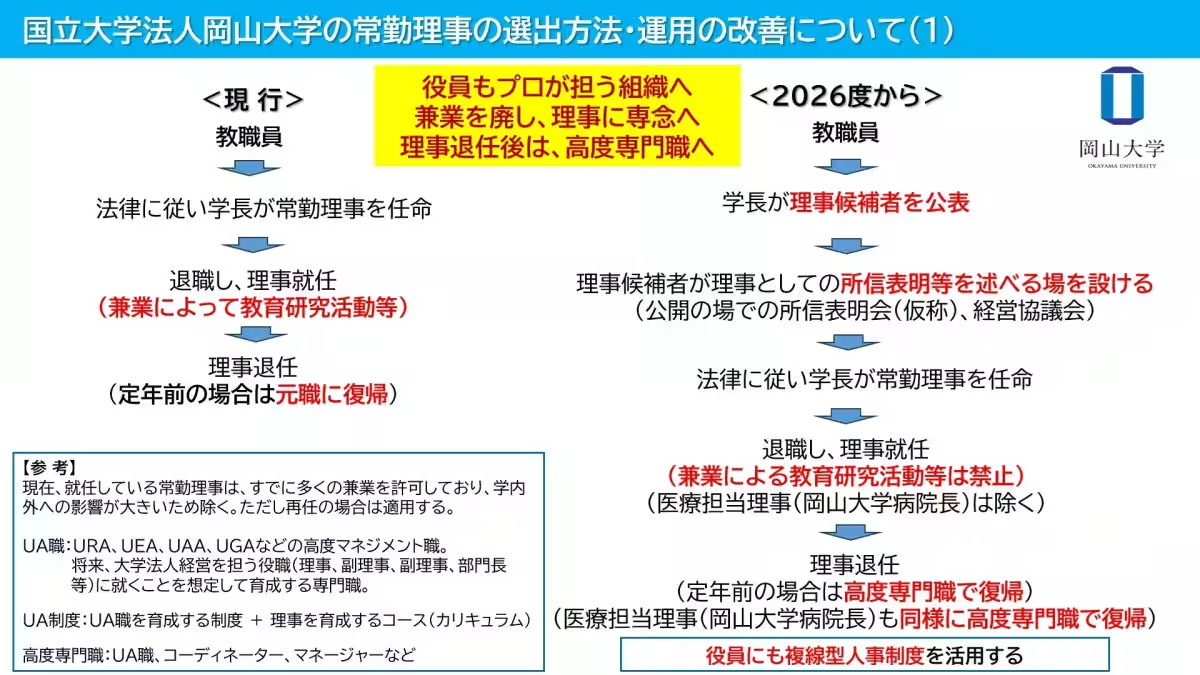
The latest announcement outlines a pivotal change: starting from the appointment of new executive members in the 2026 fiscal year, those selected as full-time directors will be required to dedicate themselves solely to their executive responsibilities. This new measure prohibits them from concurrently engaging in educational or research activities, thus ensuring their complete focus on governance and administration.
Notably, this does not apply to the medical director of Okayama University Hospital, who will continue to manage clinical responsibilities.
In addition, a new layer of scrutiny will be introduced during the selection process. Candidates for executive roles will present their vision and qualifications publicly, ensuring they align with the organizational goals and garner the necessary support from existing faculty and staff. The final appointments, however, will still follow the stipulations set forth by the National University Corporation Law, with the president holding the ultimate decision-making power.
Professional Development Pathway
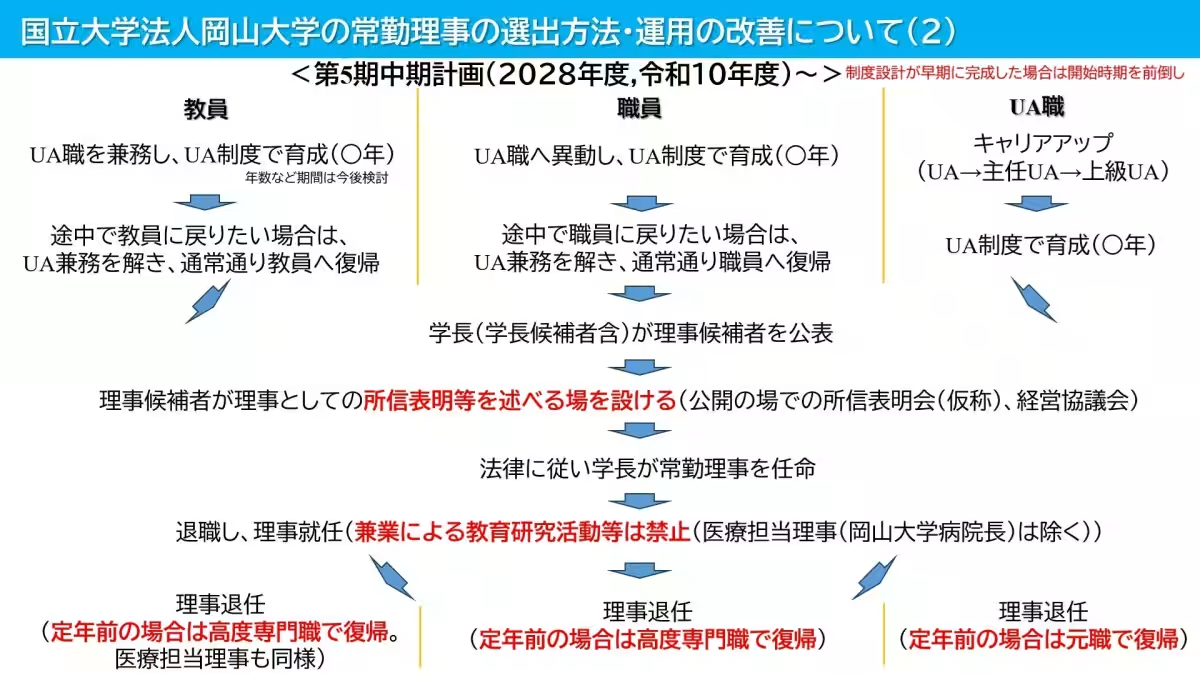
Looking ahead, beginning in fiscal 2028, a new pathway will be implemented where faculty members aspiring to become executives must first serve in an advanced administrative role as University Administrators (UAs). This structured development approach aims to cultivate potential leaders who are well-versed in both administrative and educational responsibilities, thereby streamlining the transition from faculty to executive roles.
Following their tenure, former full-time directors will return not to faculty positions, but to specialized administrative roles, allowing them to apply their executive experience effectively in subsequent management positions.
Strategic Implications
These changes reflect Okayama University's commitment to a thorough reformation in its operational framework. The institution aspires not only to enhance its internal governance but also to become a leading entity in the landscape of research-driven universities in Japan. Through practices like consolidating educational and executive positions, the university aims to foster a culture of professionalism within its leadership.
As noted by President Nasui at the press conference, the expectations of university executives should align with contemporary demands, akin to corporate executives who prioritize direct engagement in high-stakes decision-making environments. The initiative thus serves as a crucial step toward evolving Okayama University into a more dynamic and contemporary research institution.
As the university navigates these changes, stakeholders are encouraged to stay engaged and informed about ongoing developments that contribute to its mission as a leading research university. The commitment to leveraging institutional strengths amidst regional and global challenges under the J-PEAKS initiative remains a foundational component of this reform journey.
In conclusion, with a focus on enhancing executive accountability and professional proficiency, Okayama University sets a precedent for other institutions in Japan, paving the way for modernized governance in academia. This evolution is indeed not just necessary but vital in the quest to meet the growing expectations of today's educational landscape.

Topics Other)
【About Using Articles】
You can freely use the title and article content by linking to the page where the article is posted.
※ Images cannot be used.
【About Links】
Links are free to use.